
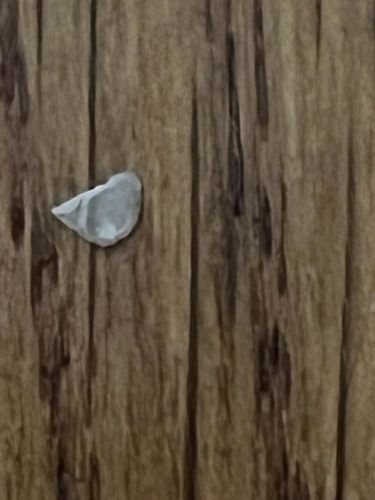
Bagworm Moth Larva (Casemaking Bagworm)
Family Psychidae (various genera and species including 'Thyridopteryx ephemeraeformis')
- Order & Family
- Lepidoptera (moths and butterflies), Psychidae (bagworm moths)
- Size
- Larvae can reach 1/4 to 2 inches (6.35 mm to 5 cm) depending on the species and developmental stage. The bag itself can vary in size accordingly.
Natural Habitat
Trees, shrubs, and other plants where they construct their protective silk and debris bags. They can be found in a wide variety of environments, including urban, suburban, and natural areas.
Diet & Feeding
Herbivorous. Larvae feed on the foliage of a wide range of deciduous and evergreen trees and shrubs. Common hosts include arborvitae, juniper, pine, spruce, maple, and oak.
Behavior Patterns
The most distinctive behavior is the construction of a camouflage bag made from silk and bits of leaves, twigs, and bark. The larva lives inside this bag, enlarging it as it grows. Only the head and thorax emerge for feeding. Female adults are typically wingless and remain inside their bags, laying eggs there. Males are winged and fly to find females. They overwinter as eggs inside the old female bag.
Risks & Benefits
Risks: Can be significant defoliators, especially during outbreaks, causing aesthetic damage or even death to host plants, particularly evergreens. Benefits: In natural ecosystems, they serve as a food source for some predators and parasites. However, their primary impact is often seen as a pest in managed landscapes and nurseries.