
Community identification
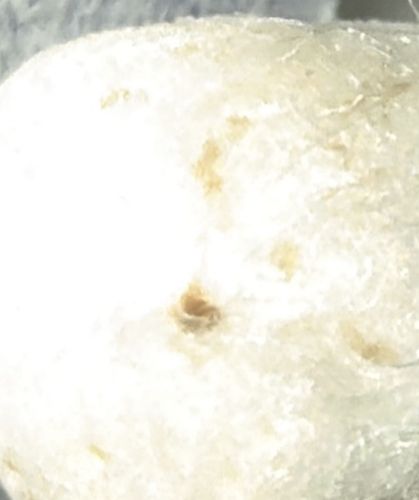
Silkworm (Domesticated Silkmoth Cocoon)
Bombyx mori
- Order & Family
- Lepidoptera: Bombycidae
- Size
- Cocoons are approximately 3-5 cm (1.2-2 inches) long.
Natural Habitat
Fully domesticated and primarily found in silk farms; they no longer exist in the wild. Larvae are raised on trays.
Diet & Feeding
Larvae (silkworms) feed exclusively on the leaves of white mulberry trees. Adult moths do not eat.
Behavior Patterns
Larvae spin silk cocoons to protect themselves during pupation. After 2-3 weeks, moths emerge. They are flightless and live only a few days to mate and lay eggs.
Risks & Benefits
Benefits: The primary source of commercial silk, a major global textile. Risks: No risk to humans; they are economically valuable but entirely dependent on human care.