
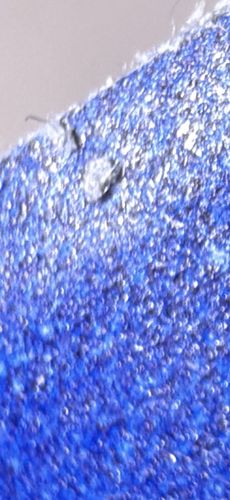
Community identification
Household Casebearer
Phereoeca uterella
- Order & Family
- Order Lepidoptera, Family Tineidae
- Size
- 8 to 13 mm (larval case length)
Natural Habitat
Indoor environments, particularly in humid climates. Found on walls, floors, and inside closets or behind furniture.
Diet & Feeding
The larvae feed on organic detritus, including spider webs, wool, hair, silk, and dead insects.
Behavior Patterns
The larva constructs a spindle-shaped silk case covered in sand, dust, and fibers for protection. It can protrude its head and legs from either end of the case to move and feed. After maturing, it attaches the case to a surface to pupate.
Risks & Benefits
They are considered minor household pests because they can damage natural fiber fabrics like wool or silk. They are harmless to humans and pets but are often an indicator of high humidity or the presence of many spider webs in a home.