
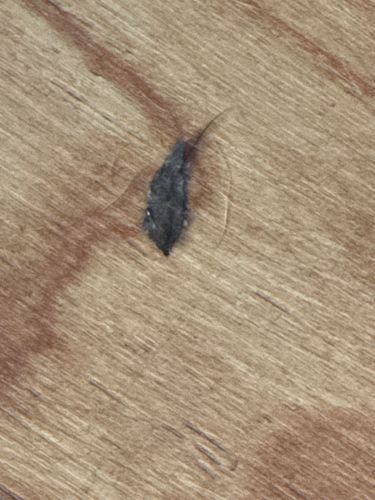
Household Casebearer or Plaster Bagworm
Phereoeca uterella
- Order & Family
- Lepidoptera (Moths and Butterflies), Tineidae (Fungus Moths)
- Size
- Larvae are typically 5-10 mm (0.2-0.4 inches) long, covered by a case of similar length. Adults are small moths, about 9-13 mm (0.35-0.5 inches) wingspan.
Natural Habitat
Indoors, especially in damp, dark areas such as bathrooms, basements, closets, and garages. They are also found in outdoor, humid environments.
Diet & Feeding
The larvae feed on a variety of materials found in homes, including natural fibers (wool, silk, cotton, fur), spiderwebs, shed pet hair, dead insects, and sometimes molds and mildew. The adult moths do not feed.
Behavior Patterns
The most distinctive behavior is the larvae's construction of a flattened, elongated, gray, silken case covered with sand, soil particles, or debris. The larva carries this case everywhere it goes, expanding it as it grows. They move slowly and are often found crawling on walls or ceilings. Adult moths are poor flyers and are generally short-lived.
Risks & Benefits
Potential risks include minor damage to natural fiber products like clothing, carpets, and upholstery, especially if infestations are large. They are not known to bite or carry diseases. They can be considered a nuisance pest. There are no significant benefits associated with their presence indoors, but their diet on shed hair and dead insects might offer a minor cleaning service.