
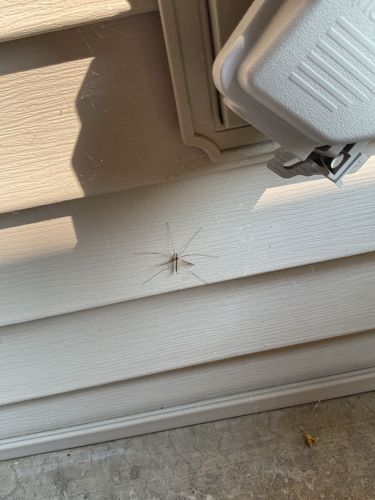
Crane Fly
Tipula spp. (a common genus within the family Tipulidae)
- Order & Family
- Order: Diptera, Family: Tipulidae
- Size
- Body length typically ranges from 10 mm to 25 mm (0.4 to 1 inch), with some larger species reaching up to 50 mm (2 inches). Their long, slender legs can make them appear much larger.
Natural Habitat
Adult crane flies are commonly found in damp, vegetated areas such as grasslands, forests, wetlands, and near streams or ponds. They are often seen around homes, windows, and lights at night. Larvae inhabit moist soil, moss, decaying wood, or various aquatic environments.
Diet & Feeding
Adult crane flies generally do not feed or feed only on nectar, honeydew, or other liquid substances. Their mouthparts are not adapted for biting or stinging. Larvae (leatherjackets) feed on decaying organic matter in soil, roots of grasses and other plants, or sometimes on small aquatic organisms depending on the species.
Behavior Patterns
Crane flies are typically nocturnal or crepuscular (active during twilight). Adults often undergo a short lifespan, primarily focused on reproduction. Larvae are known as "leatherjackets" and live in soil or aquatic environments, feeding on decaying plant matter or roots. Adults are poor fliers and are often attracted to lights.
Risks & Benefits
Crane flies do not bite or sting humans and are not known to transmit diseases, posing no direct risk to human health. As larvae (leatherjackets), some species can be considered agricultural pests by damaging turf and crop roots, especially in lawns and pastures. However, they also play a beneficial role in ecosystems as decomposers of organic matter and as a food source for birds, bats, and other insects.