
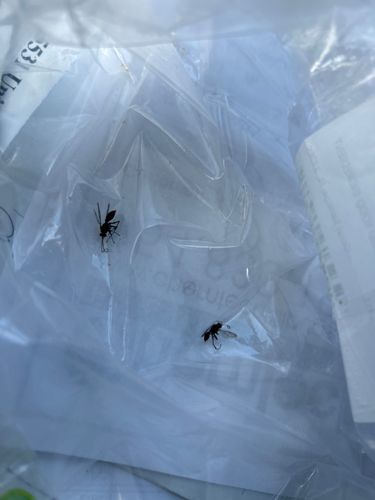
Mosquito
Various genera, including Anopheles, Culex, Aedes
- Order & Family
- Order: Diptera, Family: Culicidae
- Size
- 3 mm to 10 mm (0.12 to 0.4 inches) in body length
Natural Habitat
Mosquitoes are found worldwide in almost all habitats except continuously frozen areas. They require standing water for their larval and pupal stages, so they are common near ponds, swamps, marshes, ditches, tree holes, and artificial containers that collect water.
Diet & Feeding
Adult female mosquitoes feed on blood from various hosts (mammals, birds, reptiles, amphibians, etc.) to obtain protein for egg development. Both male and female mosquitoes also feed on nectar, plant sap, and fruit juices for energy.
Behavior Patterns
Mosquitoes are crepuscular or nocturnal, meaning they are most active during dawn and dusk or at night. Only female mosquitoes bite, as they need a blood meal to produce eggs. Males feed on nectar and plant juices. They undergo complete metamorphosis with four stages: egg, larva, pupa, and adult. Larvae and pupae are aquatic. Adults are relatively weak fliers and are attracted to carbon dioxide, body heat, and certain chemicals.
Risks & Benefits
Risks: Mosquitoes are significant vectors for numerous diseases worldwide, including Malaria, Dengue fever, Zika virus, West Nile virus, Chikungunya, Yellow fever, and Lymphatic filariasis. Their bites can also cause itchy welts and allergic reactions. Benefits: Mosquitoes serve as a food source for various animals like birds, bats, fish, frogs, and other insects (e.g., dragonflies). Some species are also pollinators, although their role in pollination is generally less significant compared to other insects.