
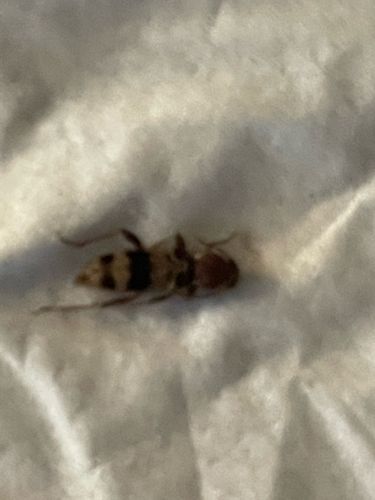
Flower Fly (or Syrphid Fly)
Various species within the family Syrphidae (e.g., Eristalis tenax, Allograpta obliqua)
- Order & Family
- Order: Diptera, Family: Syrphidae
- Size
- Typically 4 mm to 20 mm (0.16 to 0.79 inches) in length
Natural Habitat
Widely distributed globally, found in diverse habitats including gardens, fields, meadows, forests, and urban areas wherever flowering plants and host insects (for larvae) are present.
Diet & Feeding
Adults primarily feed on nectar and pollen from flowers. Larvae of many species are predatory, feeding on aphids, thrips, and other small soft-bodied insects, while some are saprophagous (feeding on decaying organic matter) or mycophagous (feeding on fungi).
Behavior Patterns
They are typically active during the day, foraging for nectar and pollen as adults. Larvae are parasitic and develop inside host insects. Some species are known for mimicry, resembling wasps or bees to deter predators.
Risks & Benefits
Benefits: Flower flies are significant pollinators, contributing to the reproduction of many plants, including agricultural crops. Their predatory larvae are important biological control agents, helping to reduce pest populations like aphids, thus benefiting agriculture by reducing the need for chemical pesticides. Risks: Generally, flower flies pose no risks to humans; they do not sting or bite.