
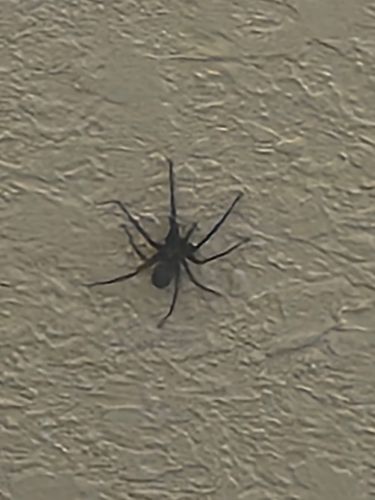
Black Widow Spider
Latrodectus mactans
- Order & Family
- Araneae, Theridiidae
- Size
- Female body length: 8-13 mm (0.3-0.5 in); Leg span: up to 38 mm (1.5 in). Males are smaller, about half the size of females.
Natural Habitat
Typically found in dark, secluded areas such as woodpiles, under stones, in hollow stumps, rodent burrows, sheds, garages, and other undisturbed places. They often build irregular, messy webs near the ground.
Diet & Feeding
Primarily feeds on insects such as flies, mosquitoes, grasshoppers, beetles, and caterpillars that get caught in its web. They may also prey on other arachnids.
Behavior Patterns
Nocturnal and solitary. Females are known for their potent venom and often consume the male after mating (hence the 'widow' name, though this is not always the case). They are not aggressive and bites usually occur when a spider is accidentally disturbed or feels threatened, often by being pressed against the skin.
Risks & Benefits
Risk: Their venom is a neurotoxin that can cause latrodectism, a condition characterized by muscle cramps, pain, nausea, and sweating. While bites are rarely fatal, they can be serious, especially for children, the elderly, or individuals with pre-existing health conditions. Benefit: They help control insect populations by preying on various pest insects.