
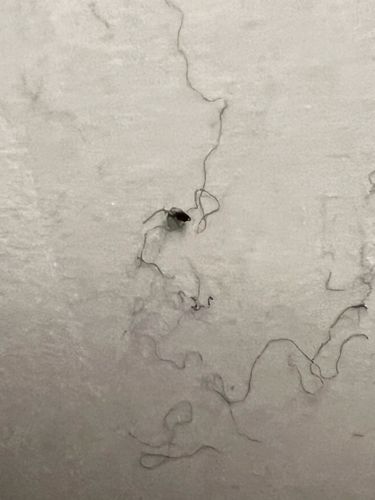
Drain Fly (or Moth Fly, Filter Fly)
Psychodidae (family)
- Order & Family
- Diptera (Order), Psychodidae (Family)
- Size
- 2-5 mm (tiny, moth-like appearance)
Natural Habitat
Drains, sewers, septic tanks, compost, and other damp, decaying organic matter. They are commonly found in bathrooms and kitchens.
Diet & Feeding
Larvae feed on decaying organic matter, fungi, algae, and microorganisms found in the slime layers of drains and pipes. Adult flies do not feed much, but may consume nectar or polluted water.
Behavior Patterns
Adults are weak, erratic flyers, often seen hopping or walking on surfaces near breeding sites. They are most active at night. Females lay eggs in moist organic films. Larvae develop in these films, and the adults emerge after pupation.
Risks & Benefits
Potential risks: Generally considered a nuisance pest. They can carry bacteria and other pathogens from their breeding sites (drains) onto surfaces, potentially contaminating food. They do not bite or sting. Benefits: Larvae play a role in breaking down organic matter in aquatic and semi-aquatic environments.