
Community identification
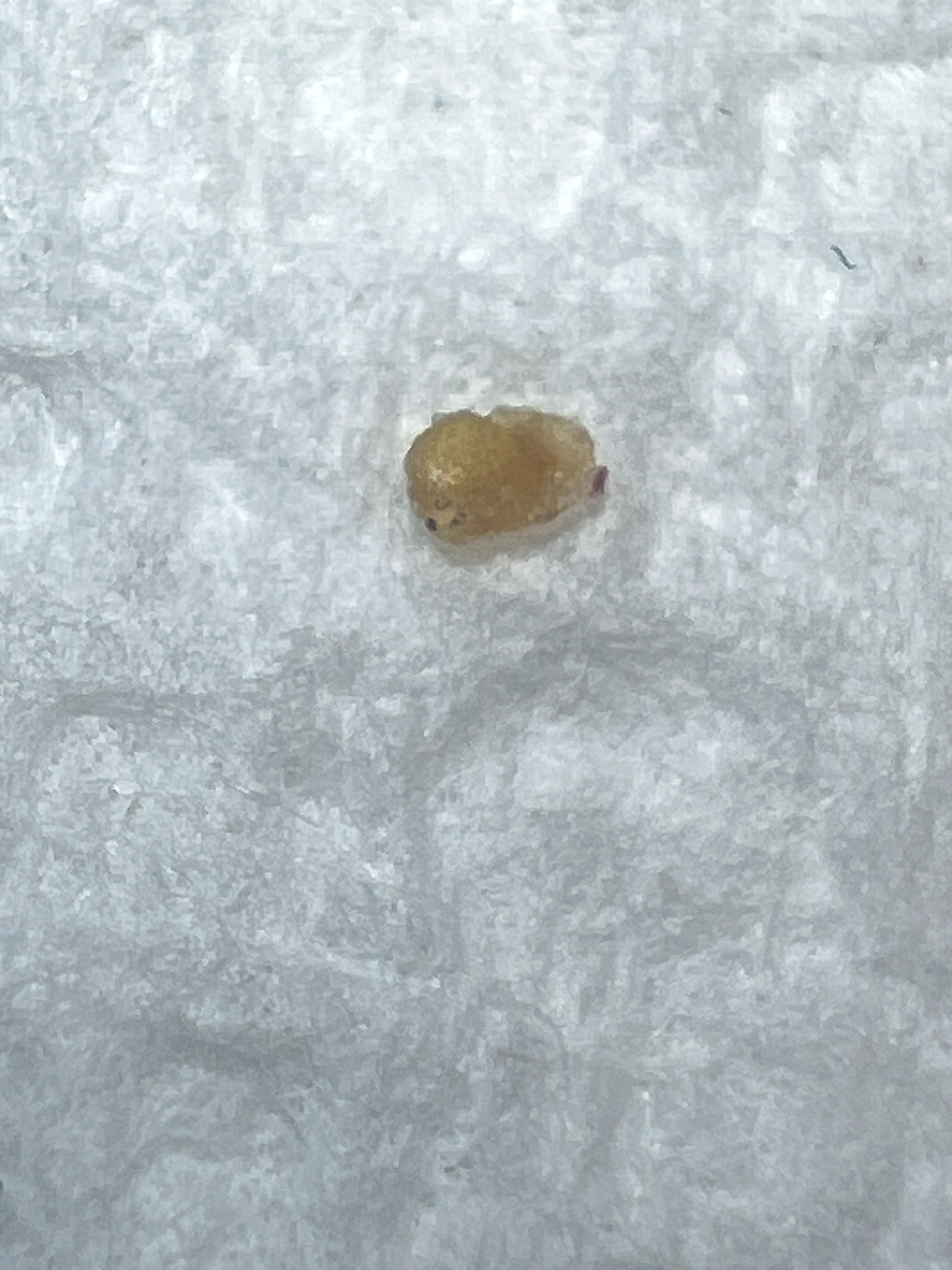
Bed bug (likely a recently fed nymph)
Cimex lectularius
- Order & Family
- Hemiptera; Cimicidae
- Size
- Nymphs measure about 1–4 mm; adults are 4–7 mm long. The pictured individual appears to be a small nymph or possibly a detached bed-bug body.
Natural Habitat
Beds, upholstered furniture, mattress seams, cracks, and other sheltered indoor spaces near sleeping hosts.
Diet & Feeding
Feeds exclusively on blood, primarily from humans and occasionally other warm-blooded animals. It pierces skin with specialized mouthparts and typically feeds at night.
Behavior Patterns
Nocturnal and secretive, hiding in crevices during daylight; females lay eggs in protected locations, and nymphs molt through five stages. They can survive for months without feeding.
Risks & Benefits
Bites cause itchy, localized welts and may trigger allergic reactions, but bed bugs are not established vectors of disease. They provide little ecological benefit indoors and are difficult, costly pests to eradicate.