Angular-winged Katydid Identification Guide
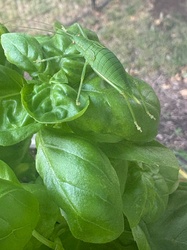
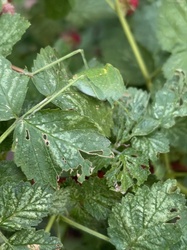
Identify the Angular-winged Katydid by its leaf-like green wings with sharply angled edges and its very long, thread-thin antennae.
Read the full Angular-winged Katydid encyclopedia entry →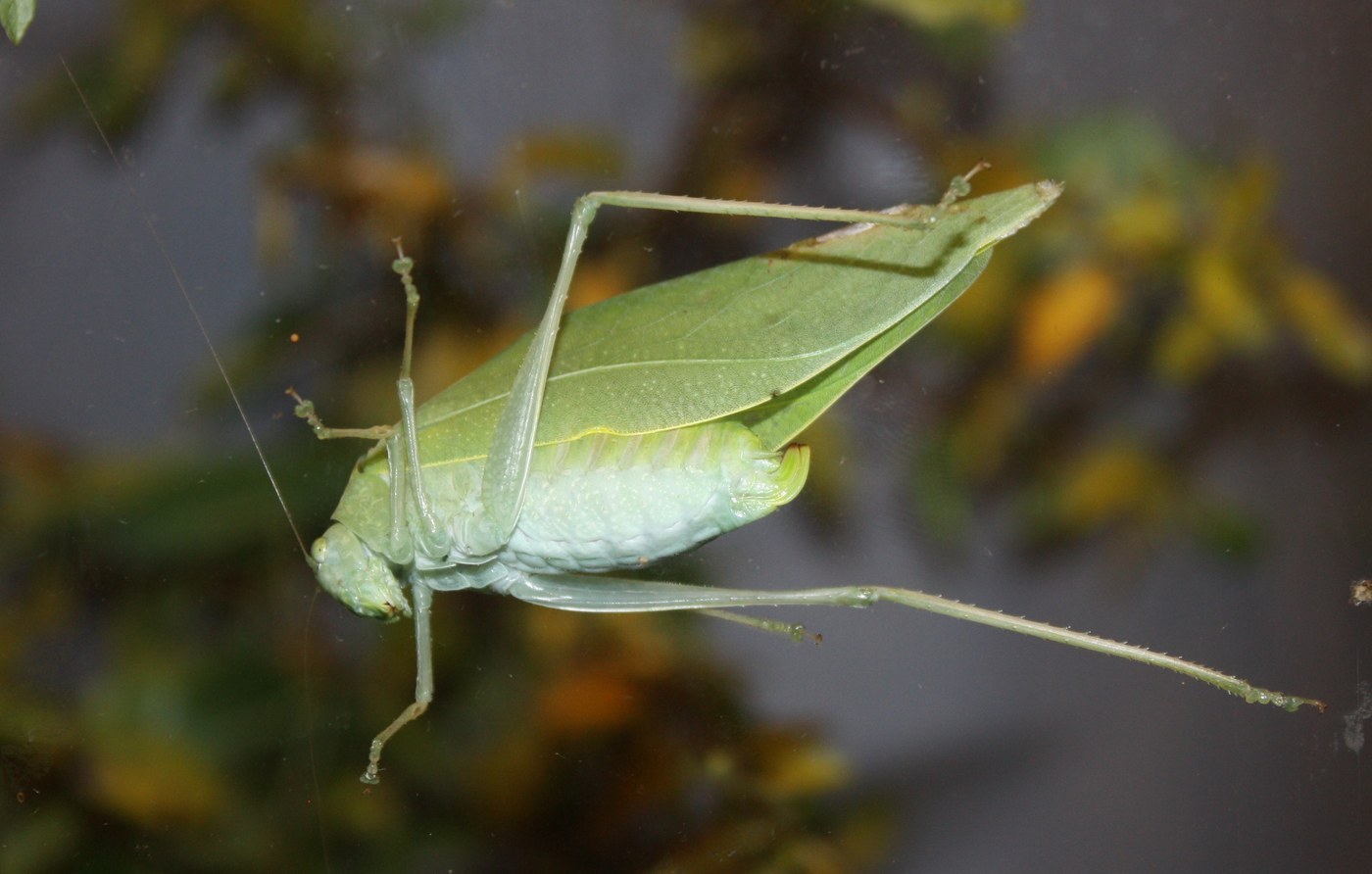
Key Visual Features
The Angular-winged Katydid is a medium to large insect, typically 2 to 2.5 inches long, prized for its remarkable resemblance to a green leaf.
- Body: Bright green overall (occasionally with brown or yellow variants), with a leaf-shaped profile that helps it blend into foliage.
- Wings: The forewings are broad and leaf-like, marked by distinctly angular edges and vein patterns that resemble leaf veins, giving the species its name; wings are held tent-like over the body at rest.
- Antennae: Extremely long and thread-thin, often exceeding the length of the entire body, a key trait separating katydids from grasshoppers.
- Legs: Long and slender, with the hind legs enlarged for jumping.
- Head: Small relative to the body, with large eyes positioned for wide-angle vision.
Where and When You'd See It
Angular-winged Katydids are found in trees, shrubs, and dense foliage in wooded areas, gardens, and forest edges, where their green, leaf-shaped wings provide effective camouflage. They are most active at night, when males produce their characteristic calls from perches in vegetation, and are typically seen from summer into early fall in temperate regions. During the day they tend to rest motionless among leaves, relying on their disguise rather than movement to avoid detection.
Similar-Looking Bugs
Angular-winged Katydids can be confused with:
- True katydids – Other katydid species share the leaf-like green body, but differ in the shape and angularity of the wing edges and vein patterns.
- Leaf insects – Some leaf-mimicking insects look superficially similar, but katydids retain visible jumping hind legs and very long antennae, unlike flattened leaf insects.
- Grasshoppers – Grasshoppers have short, thickened antennae, unlike the extremely long, thin antennae of a katydid.
- Green stink bugs or leafhoppers – Both are much smaller and lack the pronounced leaf-shaped wing structure and long antennae of the katydid.
Quick ID Checklist
- Bright green, leaf-shaped wings with distinctly angular edges
- Antennae longer than the entire body, thread-thin
- Large size, generally 2 inches or more
- Wings held tent-like over the body at rest
- Found resting motionless among leaves in trees and shrubs, active mainly at night
Frequently asked questions
How can I tell a katydid from a grasshopper?
Katydids have antennae that are often longer than their entire body, while grasshoppers have short, thickened antennae; the katydid's leaf-shaped wings are another strong clue.
What makes the wings 'angular'?
The forewings have sharply angled edges and vein patterns that mimic the shape and venation of a real leaf, which distinguishes this species from other, more rounded-winged katydids.
When is the best time to spot an Angular-winged Katydid?
They are most active and vocal at night during summer and early fall, while during the day they typically rest motionless among leaves, relying on camouflage.
Why is this katydid so hard to spot in daylight?
Its green, leaf-shaped wings and stillness during the day allow it to blend almost seamlessly into surrounding foliage, making it far easier to locate by sound at night.
Angular-winged Katydid identified by the community
Recent Angular-winged Katydid finds identified with Bug Identifier.