
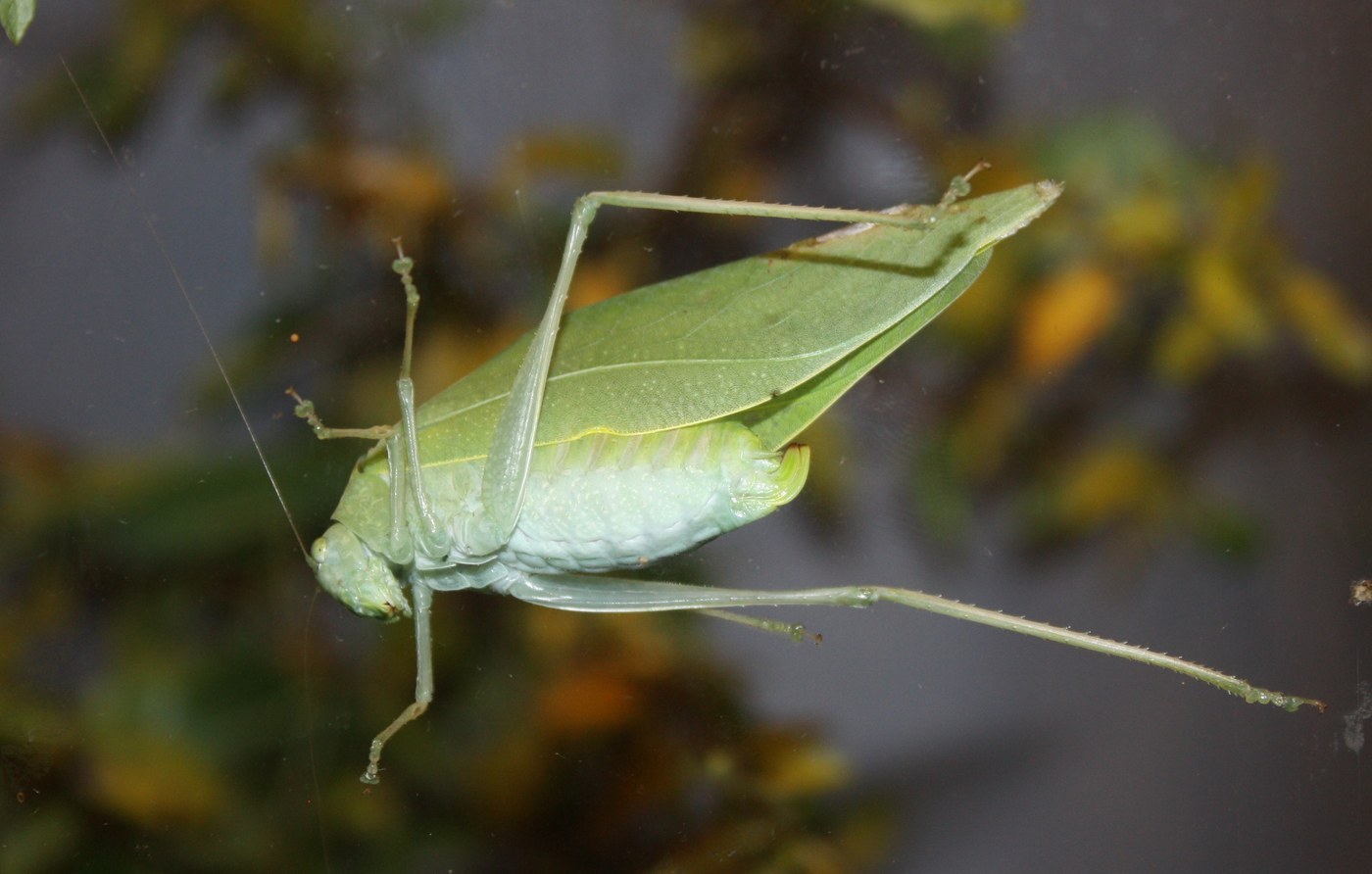
Angular-winged Katydid
Microcentrum retinerve
A leaf-green katydid whose broad, leaf-shaped wings make it nearly invisible among tree foliage until its soft nighttime calls give it away.
- Size
- 5–6.5 cm (2–2.5 in) long including wings
- Habitat
- deciduous trees, shrubs, and hedgerows across eastern and central North America
- Danger
- Harmless
Spotted a bug like this?
Identify any bug or insect from a photo, free.
Overview
The angular-winged katydid is a bright green, leaf-mimicking insect found in trees and shrubs across much of eastern and central North America. Its broad forewings are shaped and veined so closely like real leaves that the insect nearly disappears against foliage, an adaptation shared with its close relative, the broad-winged katydid.
Active mainly at night, it spends its life high in tree and shrub canopies, where males produce quiet, irregular calls to attract mates while relying on camouflage to avoid the many birds and bats that hunt in the same habitat.
How to Identify
- Body length about 5–6.5 cm including the wings
- Bright leaf-green coloration overall
- Wings held roof-like over the body, broad and leaf-shaped with an angular leading edge
- Wing venation closely resembles the veins of a real leaf
- Long, thread-like antennae, often longer than the body
- Very similar to the broad-winged katydid (Microcentrum rhombifolium); told apart mainly by subtle wing shape differences
Habitat & Range
Found in deciduous and mixed forests, orchards, parks, and shrubby edges across the eastern and central United States and southern Canada, almost always in the canopy of trees and shrubs rather than on the ground.
Behavior & Diet
A strictly herbivorous, nocturnal insect that feeds on the leaves of a variety of trees and shrubs. Males produce soft, irregular ticking or rasping calls at night by rubbing specialized structures on their wings together, a behavior known as stridulation, to attract females. Its leaf-like camouflage is its primary defense against predators such as birds and bats.
Life Cycle
Eggs are laid in neat, overlapping rows along twigs in late summer and fall and overwinter there. They hatch the following spring into wingless nymphs, which molt through several instars over the summer while developing wing pads. There is one generation per year, with adults active from summer through fall before dying off with cold weather.
Frequently asked questions
How can I tell it apart from an actual leaf?
Look closely for its legs, antennae, and head peeking out from beneath the leaf-shaped wings, which is often the only giveaway.
Is it a true katydid?
Yes, it belongs to the katydid family Tettigoniidae and is closely related to the broad-winged katydid.
What sound does it make?
Males produce a soft, irregular ticking or rasping call at night rather than a loud, continuous song.
What does it eat?
It feeds on the leaves of various deciduous trees and shrubs.
Angular-winged Katydid guides
In-depth guides for identifying, understanding, and living alongside Angular-winged Katydid.
Angular-winged Katydid identified by the community
Real finds identified with Bug Identifier.

Other bugs you may enjoy
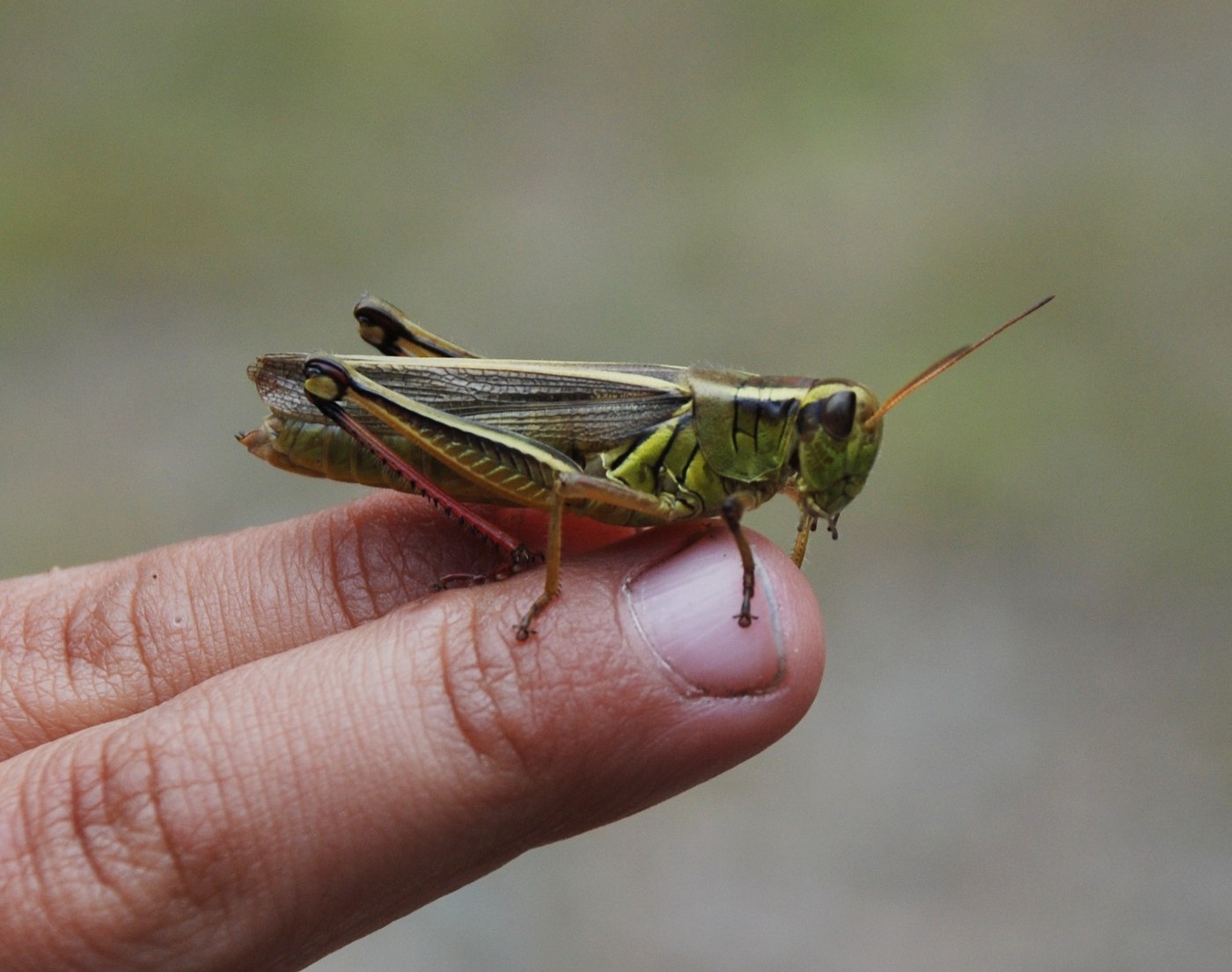
Two-striped Grasshopper
Meadows, pastures, riverbanks, and agricultural fields across North America
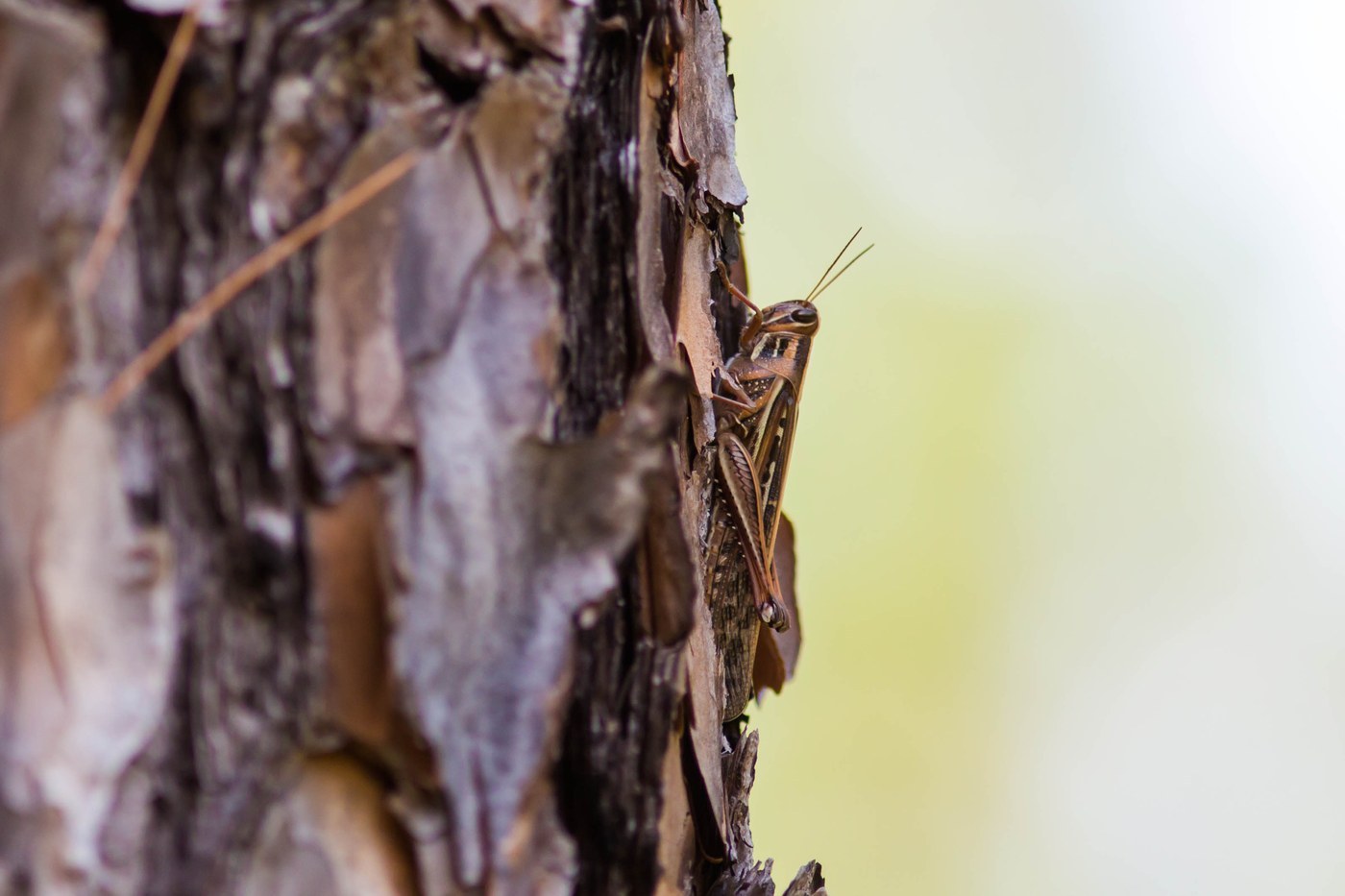
American Grasshopper
Woodland edges, citrus groves, gardens, and open fields across the southern and southeastern United States
Spur-throated Grasshopper
grasslands, meadows, croplands, and roadsides across North America
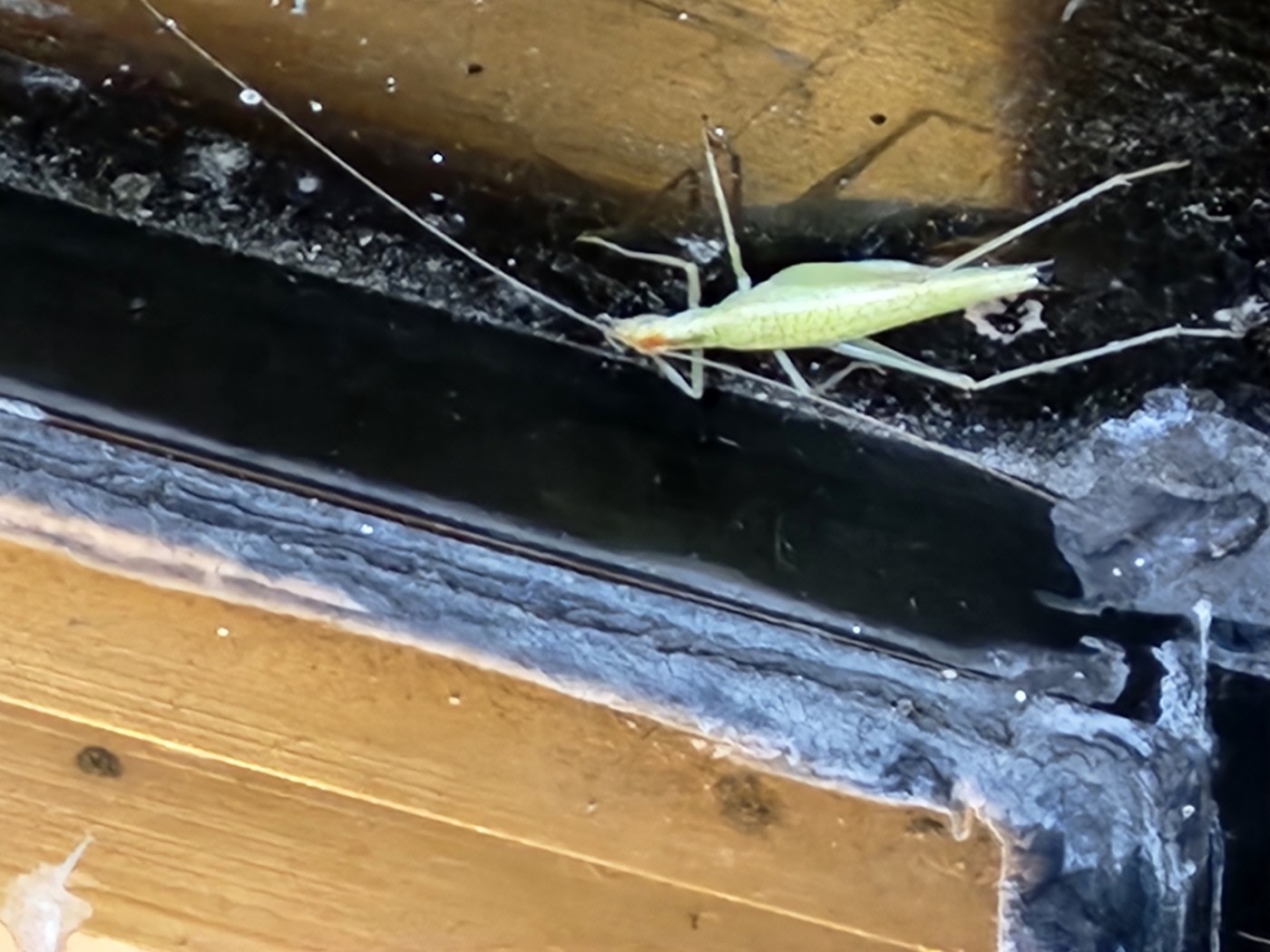
Snowy Tree Cricket
Shrubs, trees, and tall vegetation across North America
Rocky Mountain Locust
historically open grasslands and river valleys of the Rocky Mountains and Great Plains (now believed extinct)
Spotted Camel Cricket
damp caves, crawl spaces, basements, leaf litter, and rotting logs in eastern North America
Pygmy Grasshopper
damp soil, mud, and low vegetation near ponds, streams, and marshes
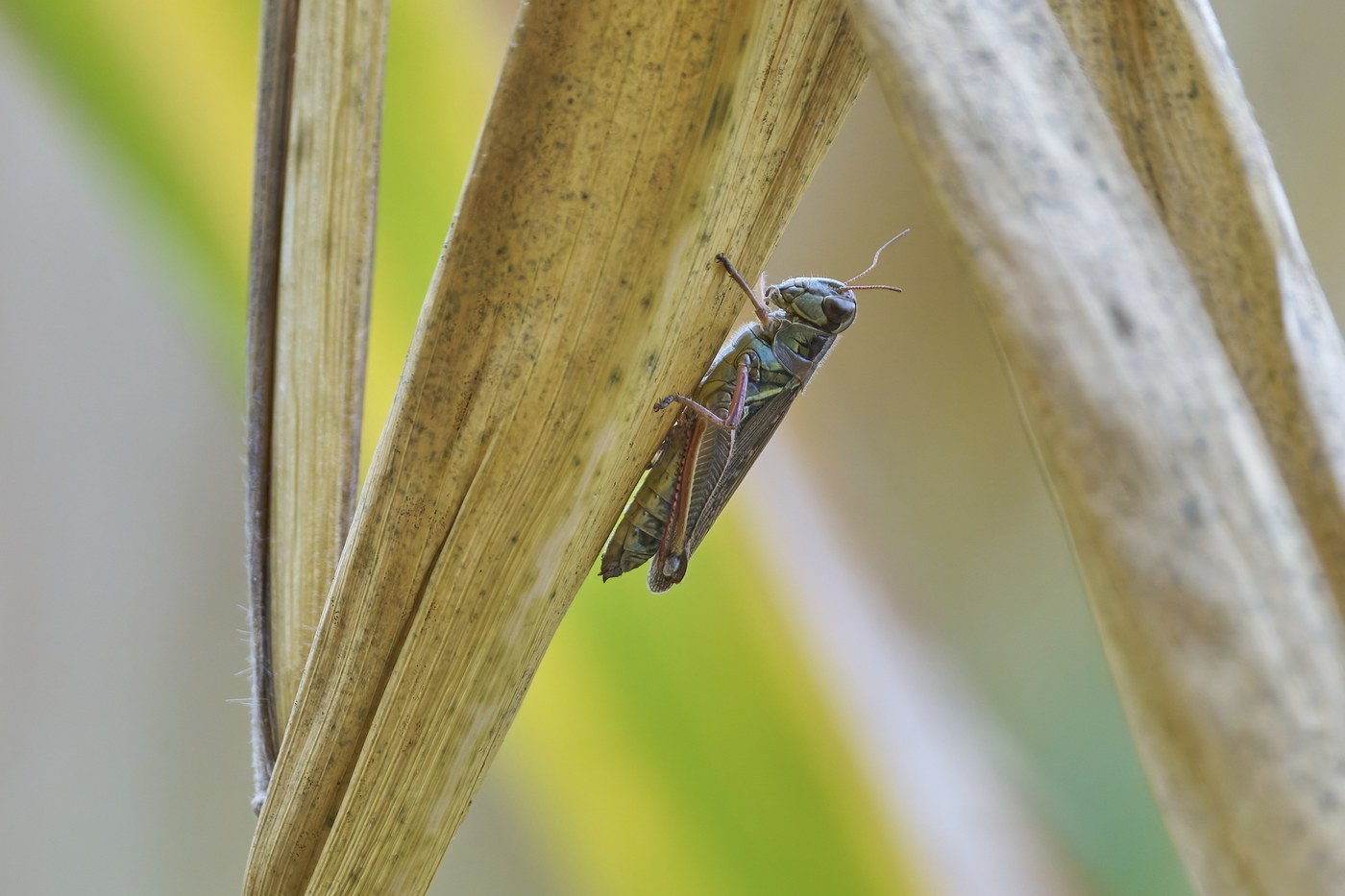
Red-legged Grasshopper
Meadows, pastures, field edges, and gardens across North America
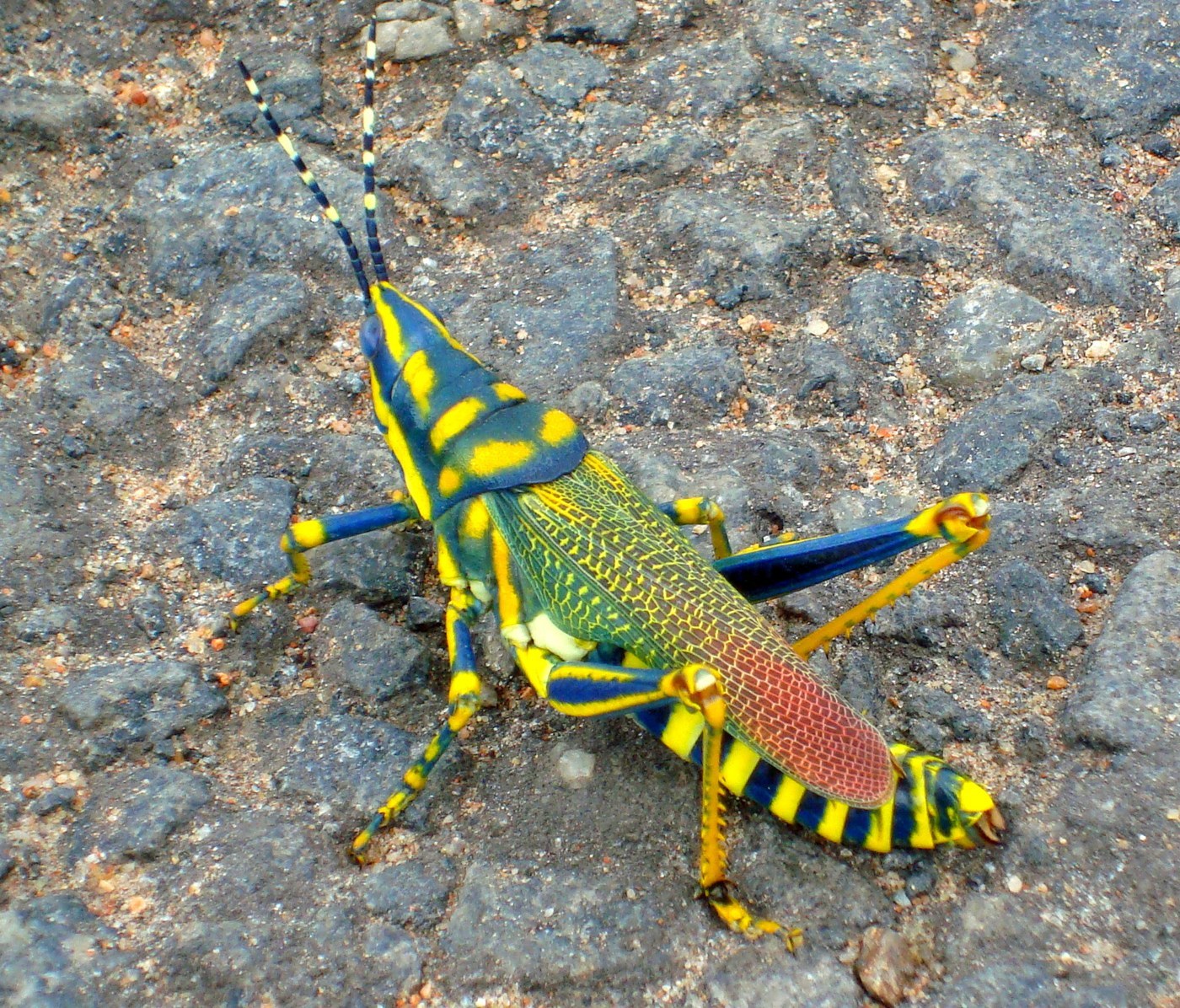
Painted Grasshopper
arid scrub, wastelands, and gardens of the Indian subcontinent, especially near milkweed plants
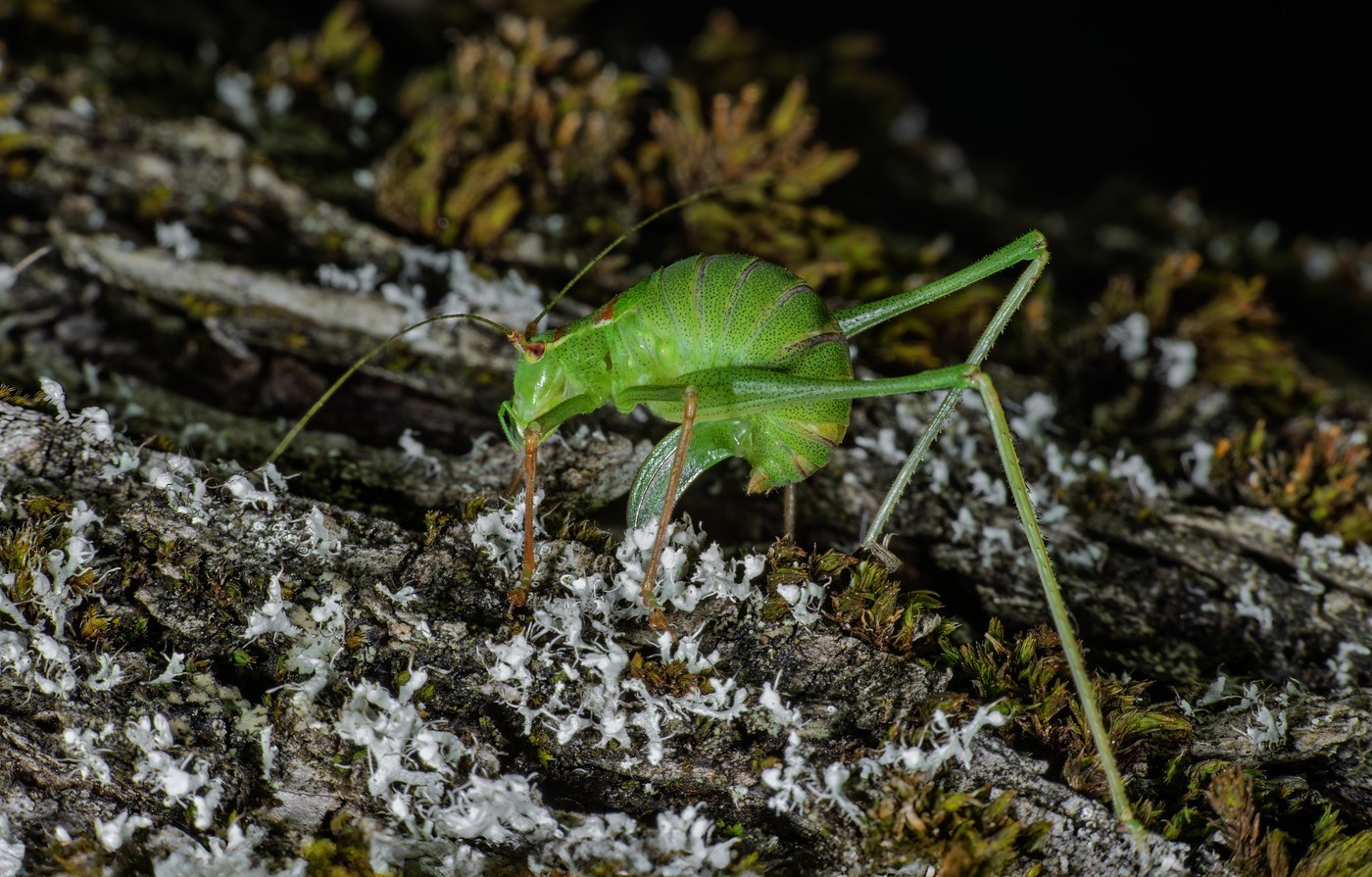
Speckled Bush Cricket
Brambles, hedgerows, nettles, and shrubby vegetation
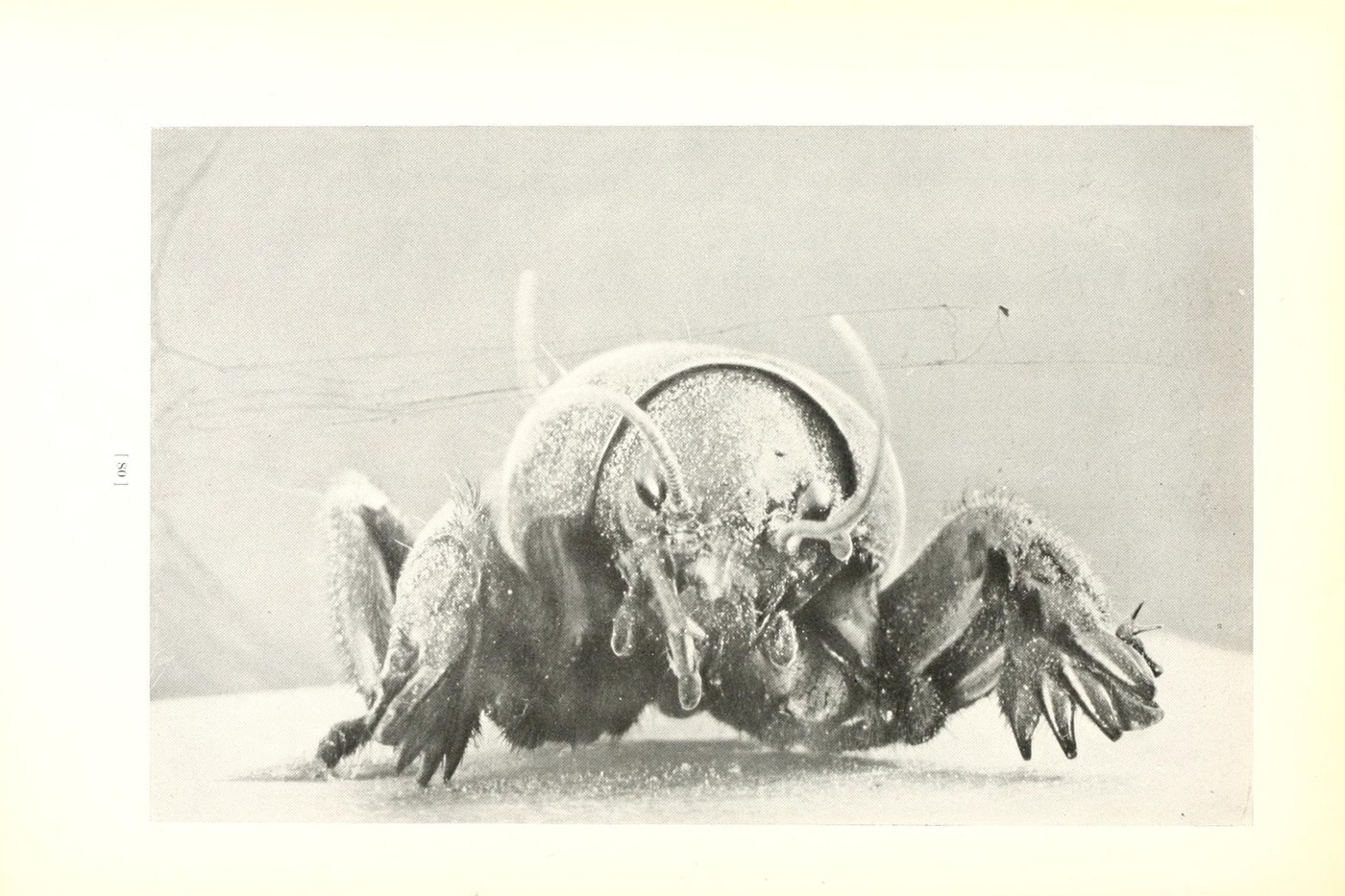
Northern Mole Cricket
wet soil, pond margins, and marshy ground across eastern and central North America
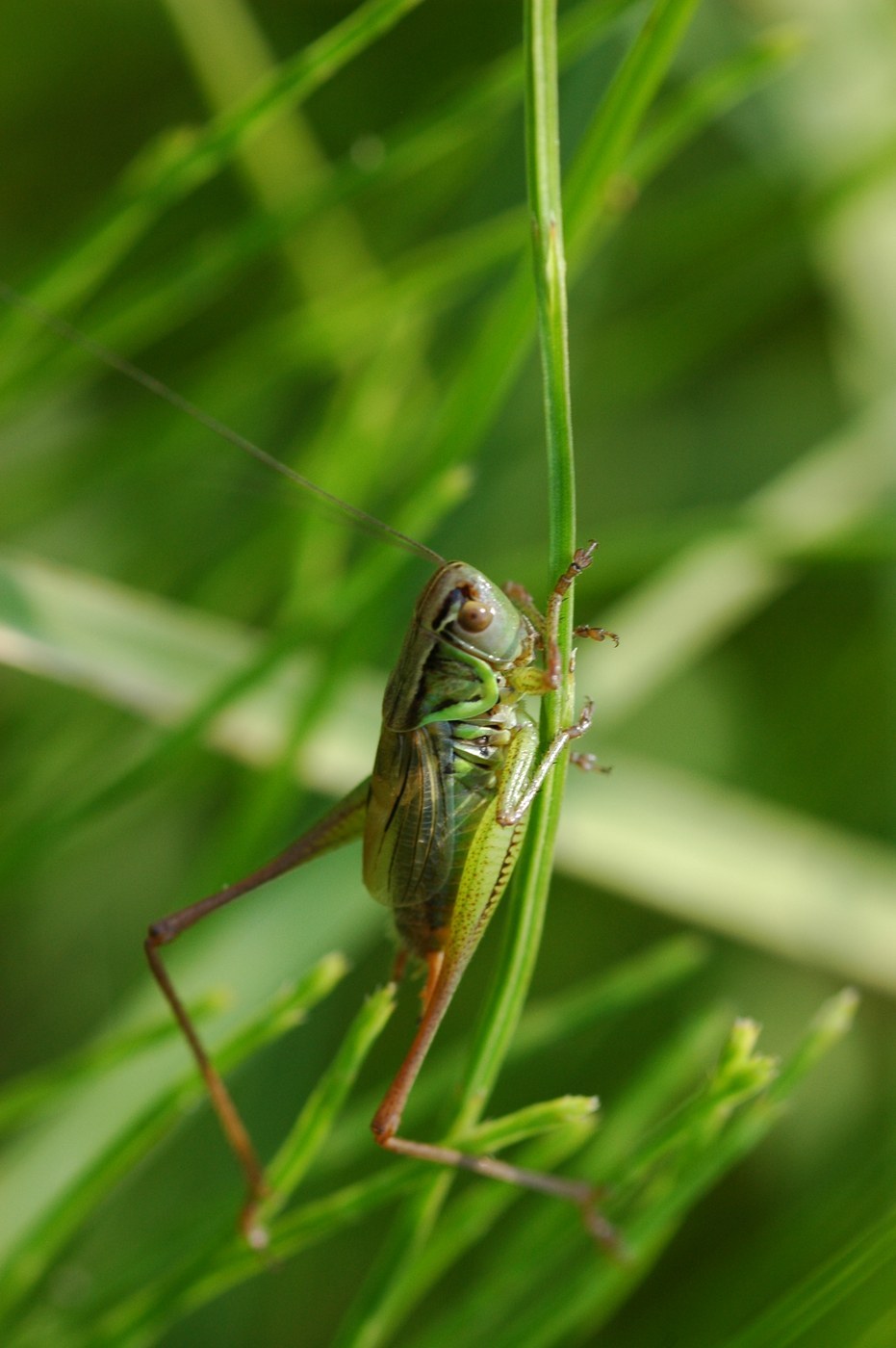
Roesel's Bush Cricket
Damp grasslands, meadows, and roadside verges