Ant-mimic Spider Identification Guide
Learn to tell an ant-mimic spider from a real ant using eye count, body pinches, and leg-waving behavior.
Read the full Ant-mimic Spider encyclopedia entry →Key Visual Features
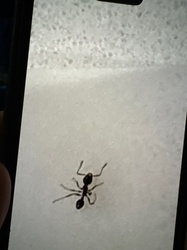
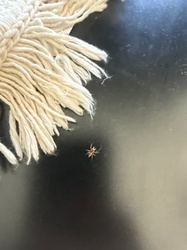
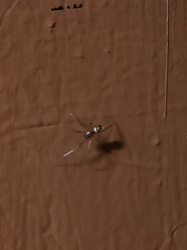
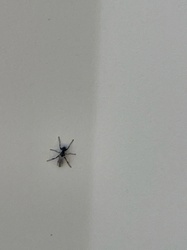
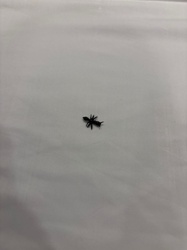
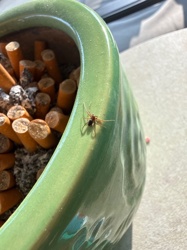
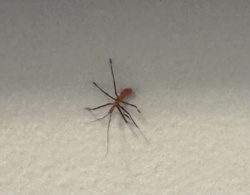
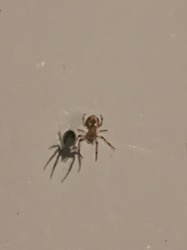
Ant-mimic spiders are jumping spiders (and a few other families) that have evolved a body shape and gait resembling ants:
- Size: Typically 4-8 mm, close to the size of many common ants.
- Body shape: A false "waist" is created by pigment patterns or a pinched abdomen, mimicking the narrow petiole of an ant.
- Color: Often glossy black, dark brown, or reddish, matching local ant species.
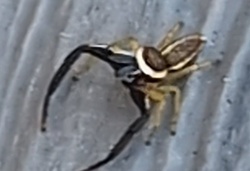
- Eyes: Eight eyes in the jumping-spider pattern (large forward-facing anterior median pair plus smaller side eyes) — a dead giveaway once you look closely, since ants have compound eyes, not this arrangement.
- Legs: Eight legs, though the spider often holds its first pair up and waves them like antennae to complete the illusion.
- Body regions: Two distinct regions (cephalothorax and abdomen) rather than the three-part head-thorax-abdomen of an ant.
Where and When You'd See It
Ant-mimic spiders are found wherever their ant models live — on tree trunks, foliage, fence lines, and around ant trails in gardens, woodlands, and grassy edges. They are most active during the day, moving in short, jerky bursts rather than the smooth continuous walk of a true ant.
Similar-Looking Bugs
- True ants: Have elbowed antennae, six legs, and a genuine narrow waist (petiole/postpetiole); ant-mimic spiders have eight legs and no true antennae.
- Other jumping spiders: Lack the false waist and elongated ant-like body shape.
- Velvet ants (wasps): Fuzzy and wingless like some ants but are insects with six legs and true antennae.
Quick ID Checklist
- Eight legs, with the front pair sometimes raised to mimic antennae
- Eight simple eyes in a jumping-spider arrangement, not compound eyes
- Body pinched or patterned to fake a three-segment ant shape
- Jerky, stop-start walking pattern near or among ant trails
- No true elbowed antennae, even though the front legs suggest them
Notes on Behavior
This mimicry is a defensive and hunting strategy — resembling ants can help the spider avoid predators that dislike ants, and it may allow the spider to move undetected near ant colonies while hunting other small invertebrates.
Frequently asked questions
How can I tell an ant-mimic spider apart from a real ant at a glance?
Count the legs and look at the eyes: the spider has eight legs and eight simple eyes, while an ant has six legs, elbowed antennae, and compound eyes. The spider's front legs are often held up to imitate antennae, which is the biggest visual trick to watch for.
Do ant-mimic spiders build webs?
Most ant-mimic spiders are active hunters like other jumping spiders and do not rely on webs to catch prey, instead stalking and pouncing on small invertebrates.
Why do these spiders look like ants?
The ant-like shape and movement are a form of mimicry that likely helps the spider blend in among ant colonies and avoid predators that tend to avoid ants.
What time of day are ant-mimic spiders most active?
They are generally diurnal, most visible during daylight hours when they move along the same trails, plants, or surfaces used by the ant species they resemble.
Ant-mimic Spider identified by the community
Recent Ant-mimic Spider finds identified with Bug Identifier.