
Ant-mimic Spider
Myrmarachne spp.
A slender jumping spider that walks on six legs while waving the front pair like antennae, convincingly passing itself off as an ant to fool predators and prey alike.
- Size
- Body length 4-7 mm
- Habitat
- Gardens, leaf litter, tree trunks and vegetation near ant trails
- Danger
- Harmless
Spotted a bug like this?
Identify any bug or insect from a photo, free.
Overview
Ant-mimic spiders belong to the jumping spider family but have evolved a body shape and gait so convincing that they are routinely mistaken for the ants they live alongside. Their elongated, pinched abdomen and narrowed cephalothorax echo the segmented look of an ant's body, and they hold their first pair of legs up and forward to imitate a pair of antennae while walking on the remaining six legs.
This mimicry, known as myrmecomorphy, serves two purposes: it deters predators that avoid ants because of their aggressive bites and chemical defenses, and it allows the spider to move undetected among ant colonies, sometimes to prey on the ants themselves or on other small invertebrates sharing the same habitat.
Myrmarachne is a large, diverse genus found on every continent except Antarctica, with hundreds of described species, each generally mimicking the particular ant species most common in its local habitat.
How to Identify
- Slender body with a distinctly waisted, elongated abdomen resembling an ant's petiole and gaster
- Front legs held up and waved like antennae while the spider walks on the rear six legs
- Eight eyes typical of jumping spiders, though the large forward-facing pair is less obvious than in typical jumping spiders due to the mimicry posture
- Glossy, often dark reddish-brown to black coloring matching local ant species
- Lookalikes include the actual ants being mimicked, distinguishable on close inspection by the spider's eight legs versus an ant's six and its lack of a true "waist" segmentation
Habitat & Range
These spiders are found wherever their ant models occur, including gardens, forest leaf litter, tree bark, and low vegetation across tropical and temperate regions worldwide. They are especially diverse in Africa, Asia, and Australia, often found moving directly among or alongside foraging ant trails.
Behavior & Diet
Ant-mimic spiders actively hunt small insects and sometimes prey on ants or ant brood, using their disguise to approach without triggering alarm. The mimicry also protects them from birds, wasps, and other predators that avoid ants due to their defensive bites and stinging or chemical deterrents. Unlike web-building spiders, they do not rely on silk to trap prey, instead pouncing in typical jumping spider fashion once within striking range.
Life Cycle
Females lay small clutches of eggs in a silken retreat, often tucked into curled leaves or bark crevices, and may guard the sac until spiderlings emerge. Young spiderlings already show elongated body proportions and begin refining their ant-mimicking gait early in development. Several molts lead to maturity within a matter of months, with multiple generations possible per year in warmer climates.
Frequently asked questions
How can I tell an ant-mimic spider from a real ant?
Count the legs: the spider walks on six legs while waving its front pair like antennae, so a close look reveals eight legs total instead of an ant's six.
Why does it mimic ants?
The disguise helps it avoid predators that steer clear of ants due to their bites and chemical defenses, and lets it move unnoticed near ant colonies.
Do ant-mimic spiders build webs?
No, they are active hunters like other jumping spiders and do not build webs to capture prey.
Ant-mimic Spider guides
In-depth guides for identifying, understanding, and living alongside Ant-mimic Spider.
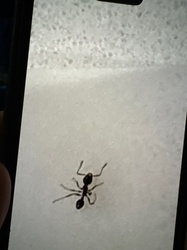
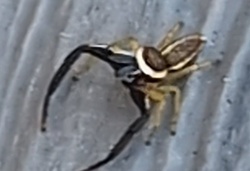
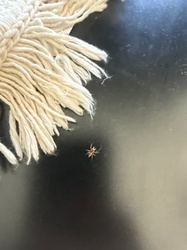
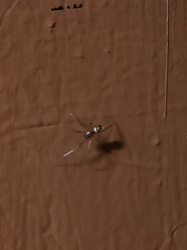
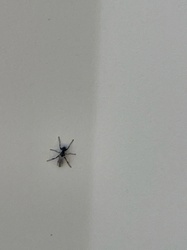
Ant-mimic Spider identified by the community
Real finds identified with Bug Identifier.
Other bugs you may enjoy
Woodlouse Spider
Damp leaf litter, under logs, stones, and mulch
Wolf Spider
Gardens, grasslands, forests, leaf litter, ground burrows
Wandering Spider
Tropical and subtropical forest floor, foliage, and banana plants
Banded Garden Spider
Tall grass, meadows, and gardens with open sunny vegetation
Banana Spider
Wooded trails, forest edges, and gardens across the southeastern U.S. and the American tropics
Sydney Funnel-web Spider
Burrows in moist soil, gardens, and forested gullies around the Sydney basin of eastern Australia
Trapdoor Spider
Self-dug silk-lined burrows with a camouflaged door, in dry, well-drained soil worldwide
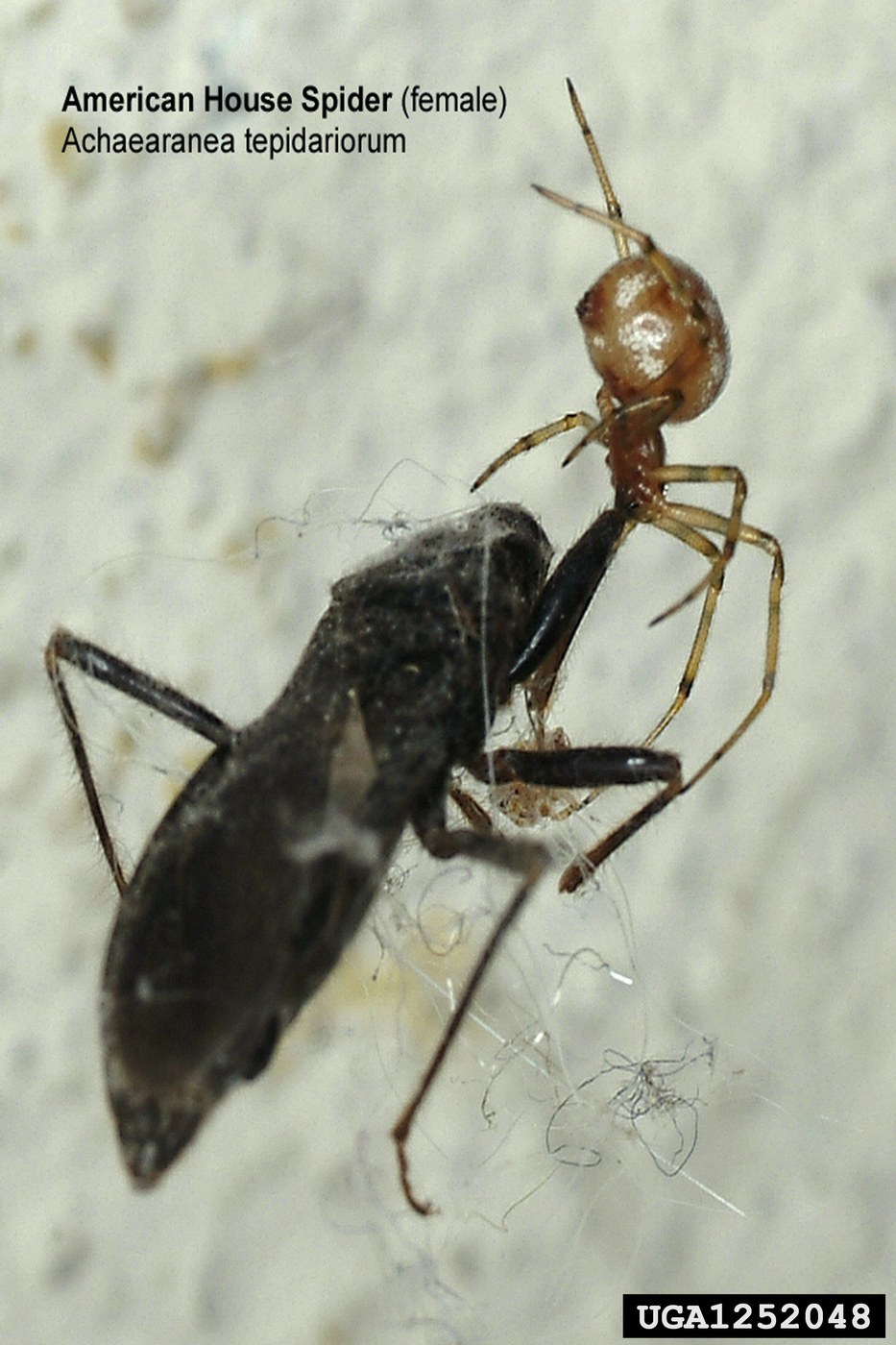
American House Spider
Corners, basements, garages, and outbuildings worldwide
Tube Web Spider
Wall crevices, bark, rockeries, and masonry
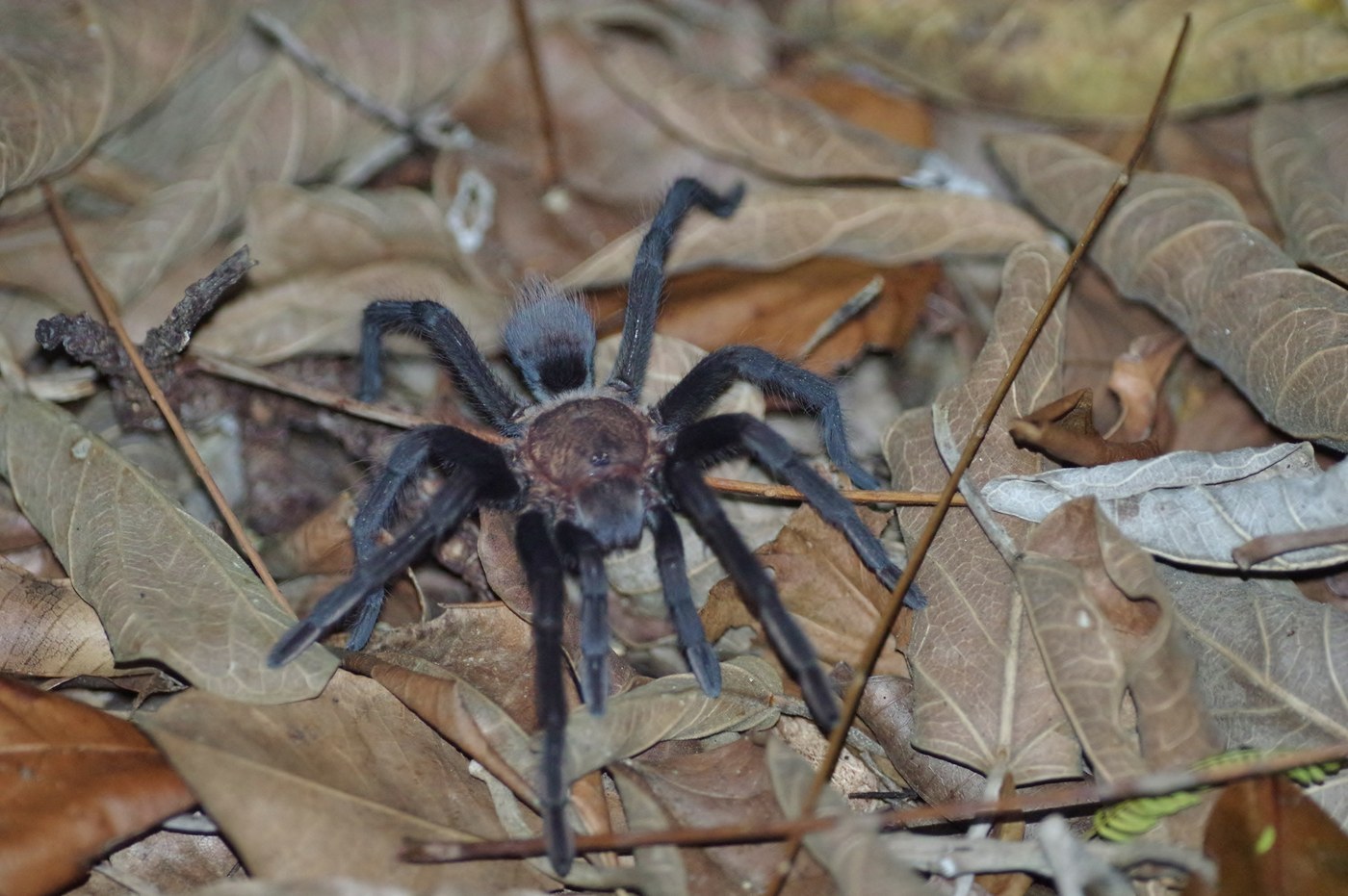
Tarantula
Burrows, rock crevices, and tree hollows in deserts, grasslands, and tropical forests worldwide
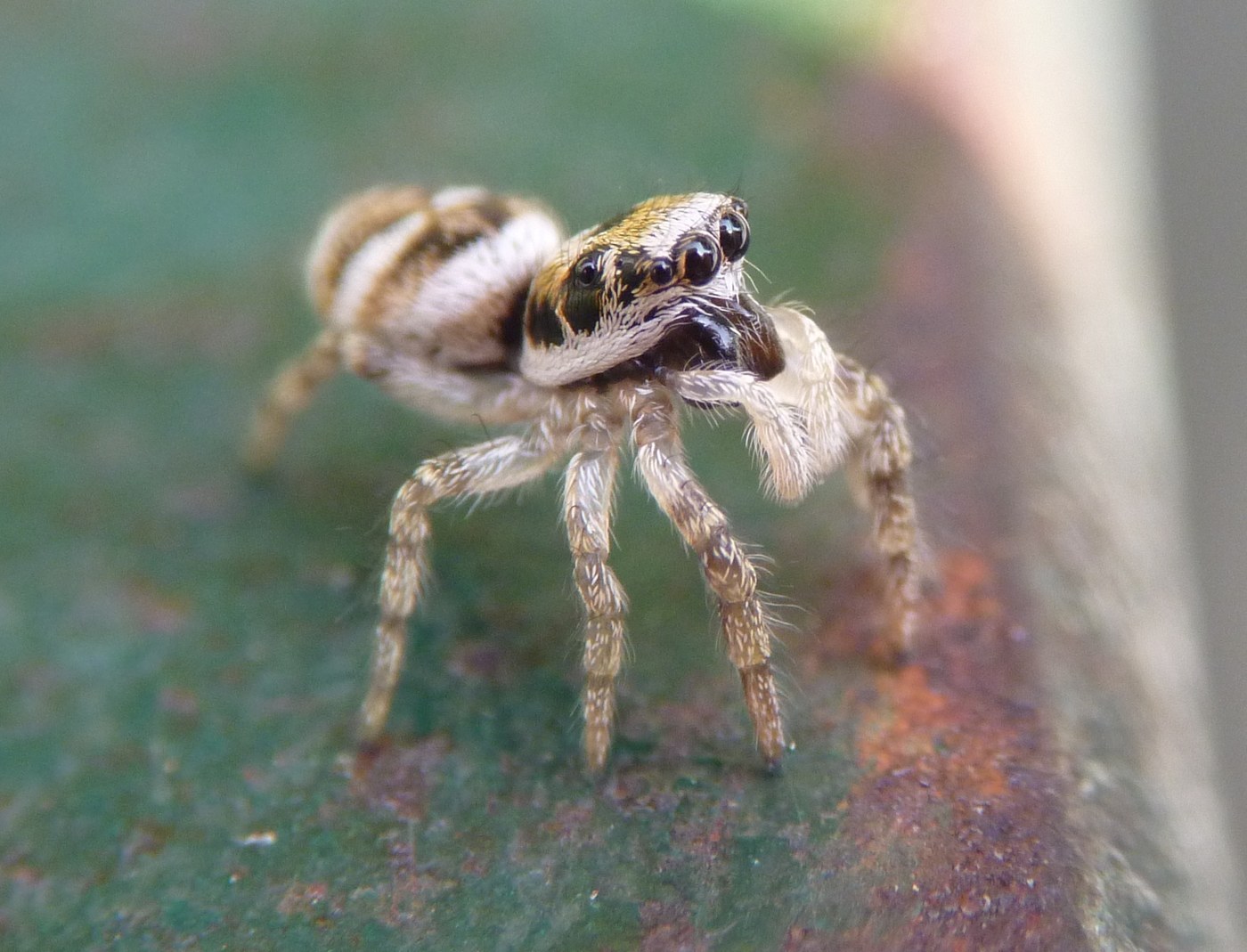
Zebra Jumping Spider
Sunny walls, fences, tree bark, and building exteriors
Wall Spider
Cracks and crevices on exterior and interior walls