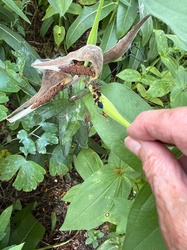
Blue-winged Grasshopper Identification Guide
Spot the Blue-winged Grasshopper by its camouflaged, mottled gray-brown body that reveals bright blue hindwings only in flight.
Read the full Blue-winged Grasshopper encyclopedia entry →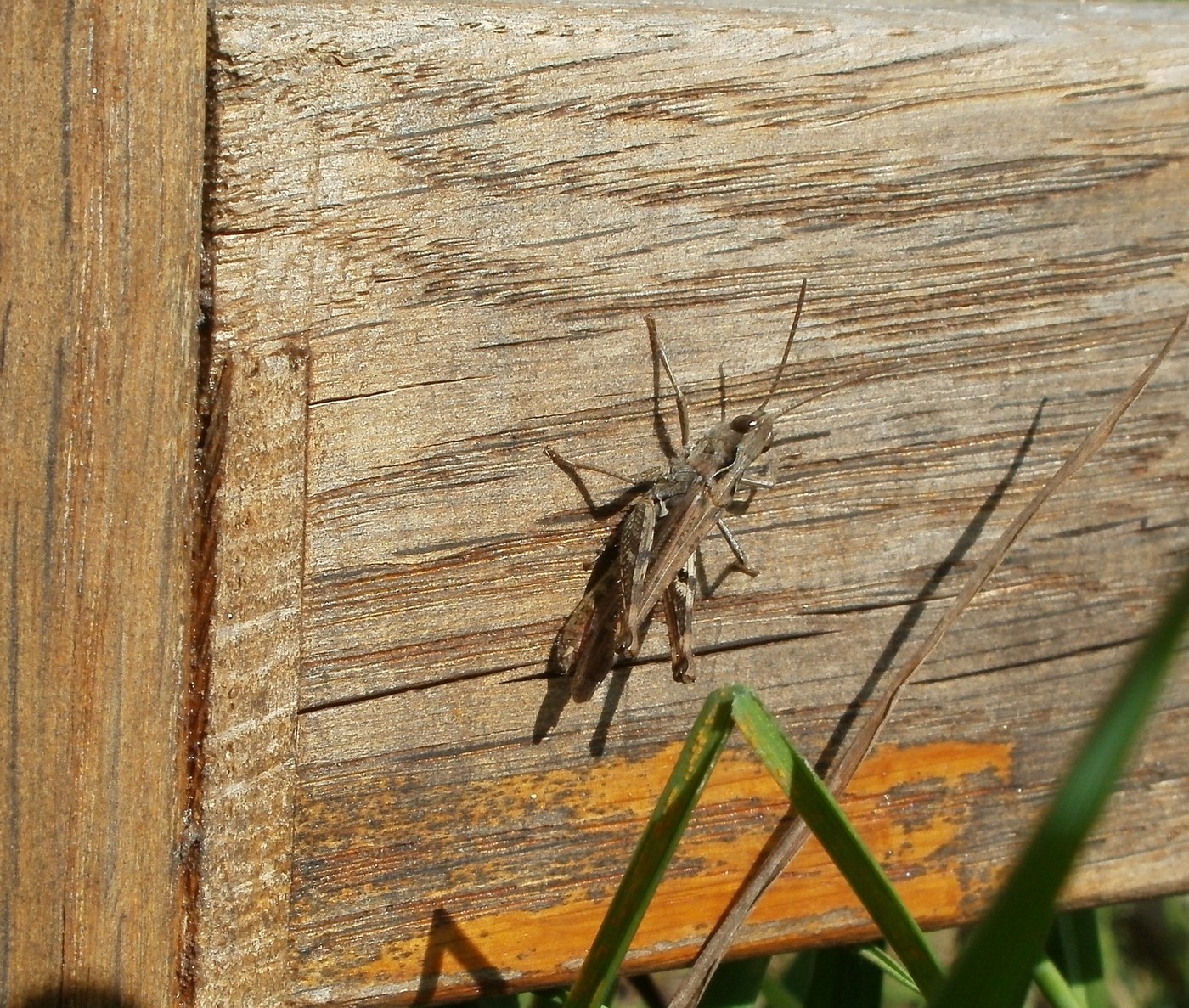
Key Visual Features
The Blue-winged Grasshopper is a medium-sized grasshopper, typically 1 to 1.5 inches long, notable for the striking contrast between its camouflaged resting appearance and its brightly colored flight display.
- Body: Mottled gray, brown, or tan, with irregular patterning that closely matches bare soil, gravel, or sparse vegetation, providing effective camouflage while at rest.
- Hindwings: The most distinctive feature; when the grasshopper takes flight, it reveals hindwings in vivid blue or blue-violet, often bordered by a darker band, though this coloring is hidden when the wings are folded.
- Forewings: Mottled and cryptic, matching the body coloring, folded over the hindwings at rest to conceal the bright color.
- Hind legs: Sturdy and enlarged for jumping, often with additional subtle banding.
- Antennae: Short and thickened, typical of short-horned grasshoppers.
Where and When You'd See It
Blue-winged Grasshoppers favor open, dry habitats such as bare ground, gravel paths, sandy areas, sparse grasslands, and disturbed soil, where their mottled coloring blends in when resting. They are most active during warm, sunny weather from summer into early fall, often flushed into short, low flights when disturbed while walking through open ground. The bright blue hindwing flash is typically only visible for a brief moment during flight, after which the grasshopper lands and quickly blends back into the ground, folding its wings to hide the color again.
Similar-Looking Bugs
Blue-winged Grasshoppers can be confused with:
- Other band-winged grasshoppers – Several related species show colorful hindwings in flight, including yellow, red, or orange variants, distinguished mainly by the specific hindwing color revealed in flight.
- Plain field grasshoppers – Many common grasshoppers share the mottled brown camouflage at rest but lack any bright hindwing color when flushed into flight.
- Locusts – Larger, more uniformly colored, and typically lacking the brief flash of bright blue wing color during flight.
- Katydids – Katydids have long, thread-like antennae and a leaf-green coloring, quite different from the mottled, ground-colored grasshopper.
Quick ID Checklist
- Mottled gray-brown body providing camouflage at rest
- Bright blue hindwings visible only during flight
- Short, thickened antennae
- Found on bare or sparsely vegetated ground in dry, open habitats
- Short, low flushing flights when disturbed while walking
Frequently asked questions
Why don't I see the blue color when the grasshopper is sitting still?
The bright blue coloring is on the hindwings, which stay tucked and hidden beneath the mottled, camouflaged forewings until the grasshopper takes flight.
How can I tell this species apart from other band-winged grasshoppers?
The key difference is the specific hindwing color revealed in flight; other related species show yellow, red, or orange instead of the blue seen in this species.
What habitat is best for spotting a Blue-winged Grasshopper?
Look in open, dry areas with bare or sparse ground cover, such as gravel paths, sandy patches, or disturbed soil, where the mottled body blends in closely with the surface.
Why does the grasshopper seem to disappear after it lands?
As soon as it lands, it folds its wings, hiding the bright blue hindwing color and leaving only the camouflaged, mottled forewings visible against the ground.
Blue-winged Grasshopper identified by the community
Recent Blue-winged Grasshopper finds identified with Bug Identifier.