
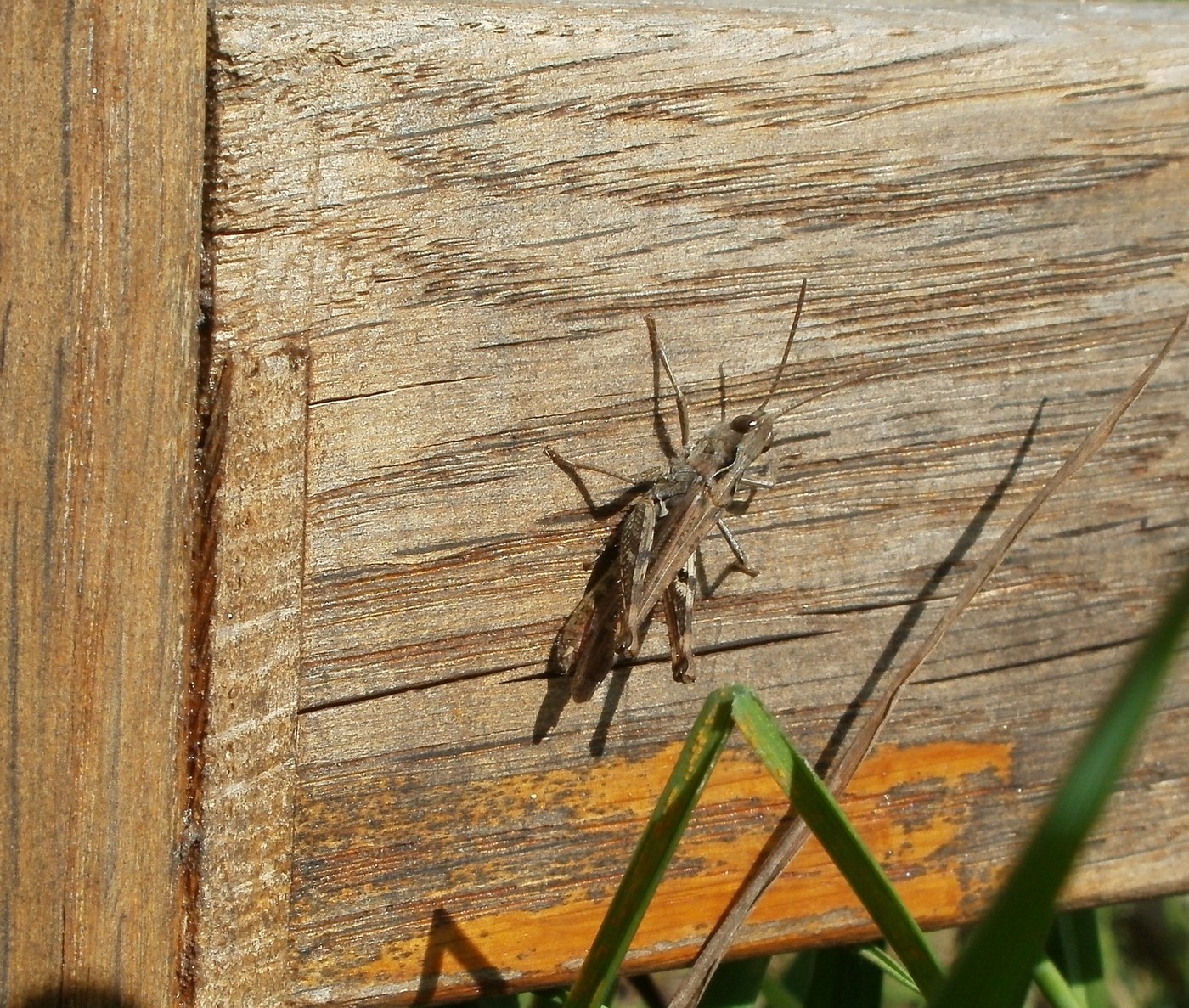
Blue-winged Grasshopper
Oedipoda caerulescens
A drab, camouflaged grasshopper that startles onlookers with a sudden flash of bright blue hindwings the instant it takes flight.
- Size
- 1.5–2.5 cm (0.6–1 in) long
- Habitat
- dry, sparsely vegetated ground such as dunes, quarries, and heathland across Europe and temperate Asia
- Danger
- Harmless
Spotted a bug like this?
Identify any bug or insect from a photo, free.
Overview
The blue-winged grasshopper is a small band-winged grasshopper found across Europe, North Africa, and temperate Asia, typically on bare or sparsely vegetated ground. At rest its mottled gray-brown body is superbly camouflaged against stony or sandy soil, but when flushed it reveals bright blue hindwings edged with a dark band, a startling flash of color visible only in flight.
This dramatic contrast between cryptic resting coloration and vivid flight coloration is thought to help confuse predators: the insect appears to vanish the instant it lands and its wings close again, hiding the blue color.
How to Identify
- Small to medium grasshopper, 1.5–2.5 cm long
- Mottled gray-brown body that closely matches bare or stony ground
- Hindwings bright blue at the base with a dark band near the tip, visible only during flight
- Hind tibiae often tinged bluish
- Distinguished from the similar red-winged grasshopper (Oedipoda germanica) by blue rather than red hindwing coloration
Habitat & Range
Found on dry, sparsely vegetated ground including sand dunes, gravel pits, quarries, railway embankments, and heathland across Europe, North Africa, and temperate Asia, generally favoring warm, open, often disturbed sites.
Behavior & Diet
Herbivorous, feeding on low-growing grasses and herbaceous plants. Relies on cryptic coloration while at rest on bare ground, then produces a sudden flash of blue wing color accompanied by a crackling wingbeat sound when flushed, a display thought to startle or disorient predators before the grasshopper lands and disappears again against the substrate.
Life Cycle
Eggs are laid in pods in bare soil in late summer and overwinter before hatching the following spring. Nymphs molt through several instars over the summer months. There is one generation per year, with adults most active from mid-summer through autumn.
Frequently asked questions
Why is it called the blue-winged grasshopper?
For the bright blue flash revealed on its hindwings, visible only when the grasshopper is in flight.
Where does it live?
On dry, open, often disturbed ground such as dunes, quarries, and gravel pits across Europe and temperate Asia.
Is it easy to spot at rest?
No, its mottled gray-brown body camouflages it very effectively against bare soil and stones.
What does it eat?
Grasses and other low-growing herbaceous plants.
Blue-winged Grasshopper guides
In-depth guides for identifying, understanding, and living alongside Blue-winged Grasshopper.
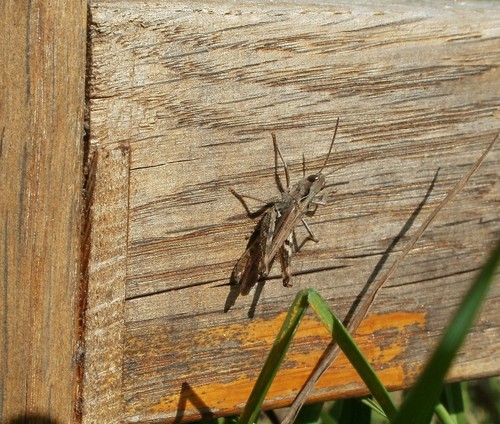
Blue-winged Grasshopper identified by the community
Real finds identified with Bug Identifier.
Other bugs you may enjoy
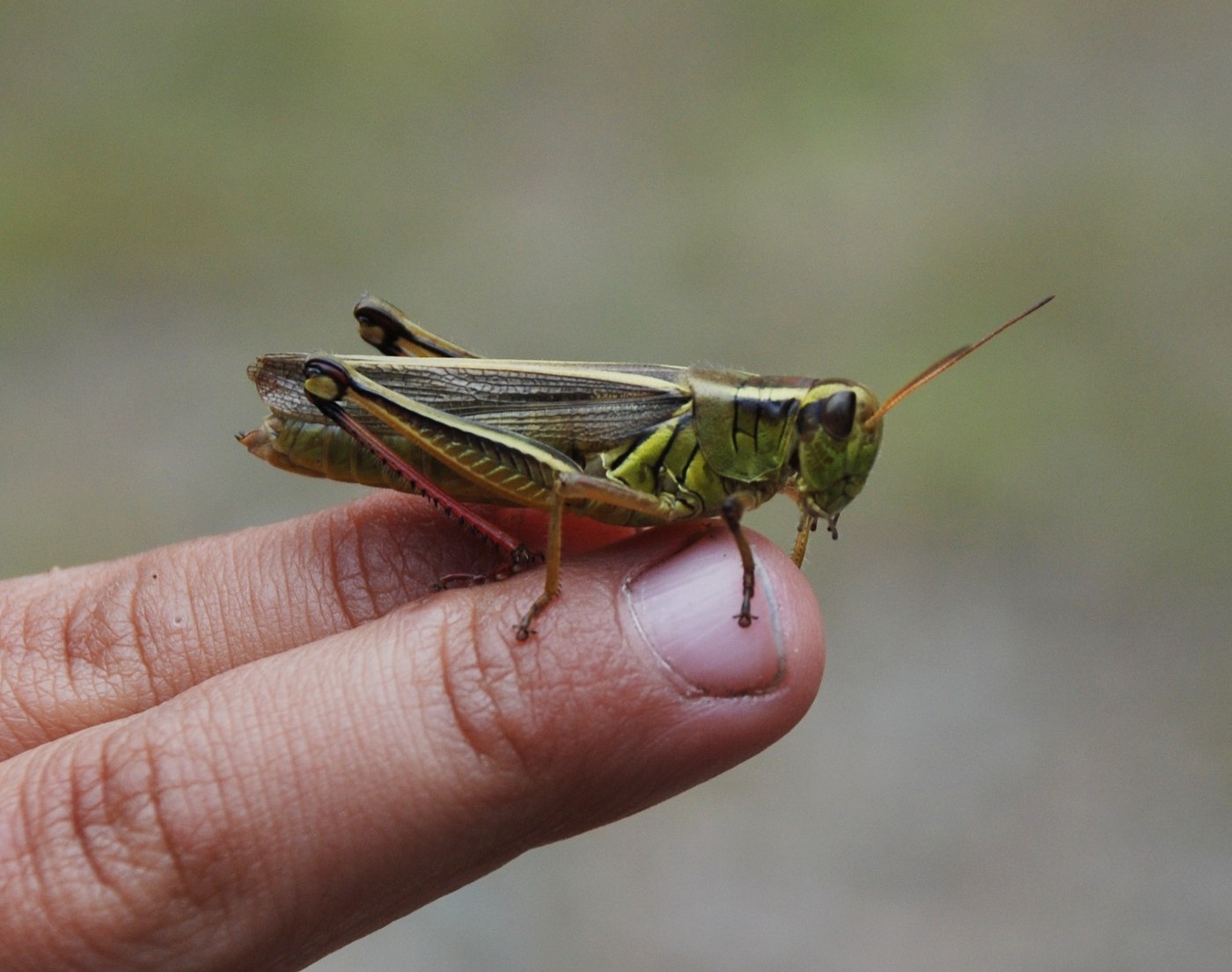
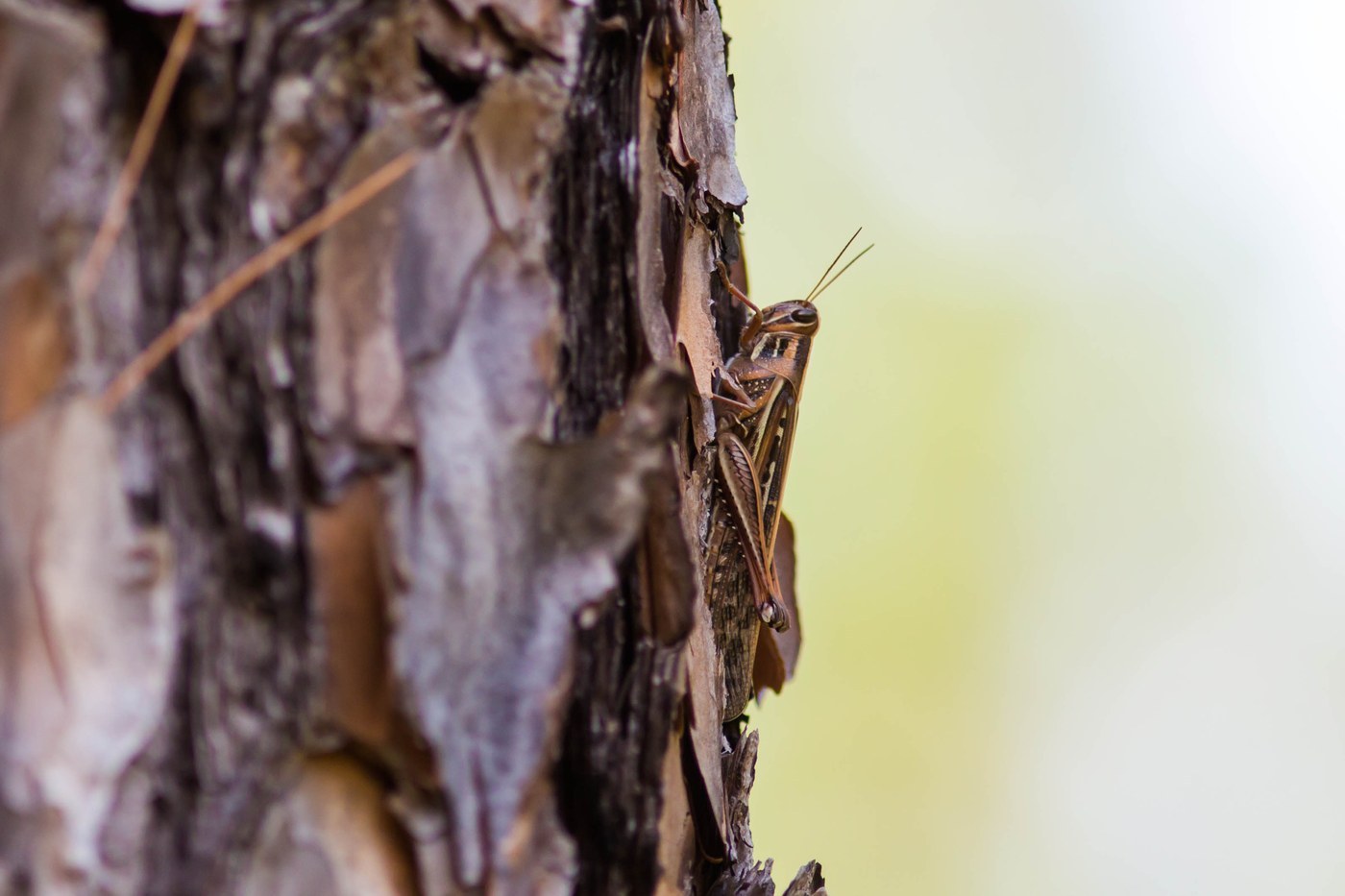
Two-striped Grasshopper
Meadows, pastures, riverbanks, and agricultural fields across North America
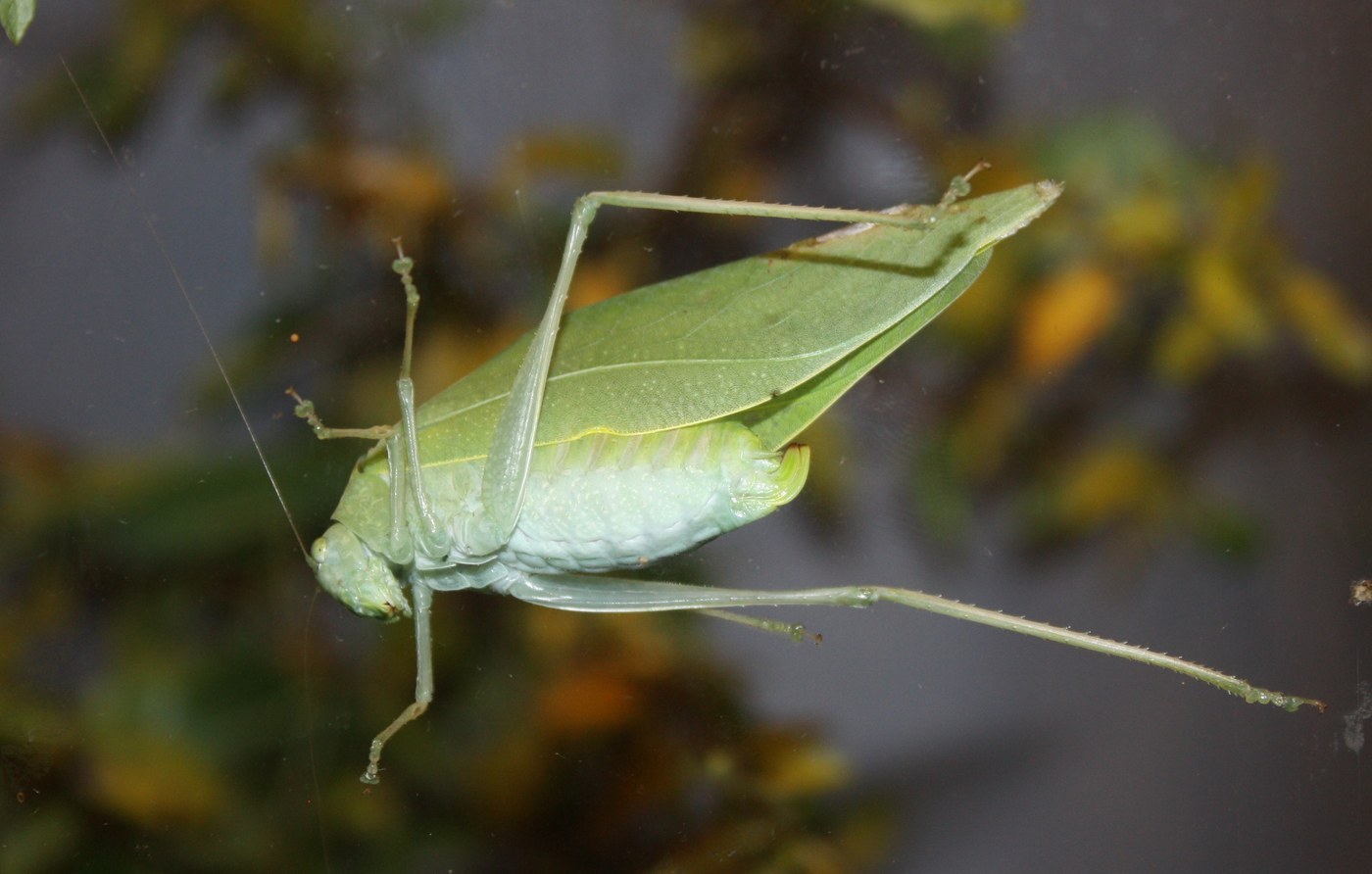
American Grasshopper
Woodland edges, citrus groves, gardens, and open fields across the southern and southeastern United States
Angular-winged Katydid
deciduous trees, shrubs, and hedgerows across eastern and central North America
Spur-throated Grasshopper
grasslands, meadows, croplands, and roadsides across North America
Snowy Tree Cricket
Shrubs, trees, and tall vegetation across North America
Rocky Mountain Locust
historically open grasslands and river valleys of the Rocky Mountains and Great Plains (now believed extinct)
Spotted Camel Cricket
damp caves, crawl spaces, basements, leaf litter, and rotting logs in eastern North America
Pygmy Grasshopper
damp soil, mud, and low vegetation near ponds, streams, and marshes
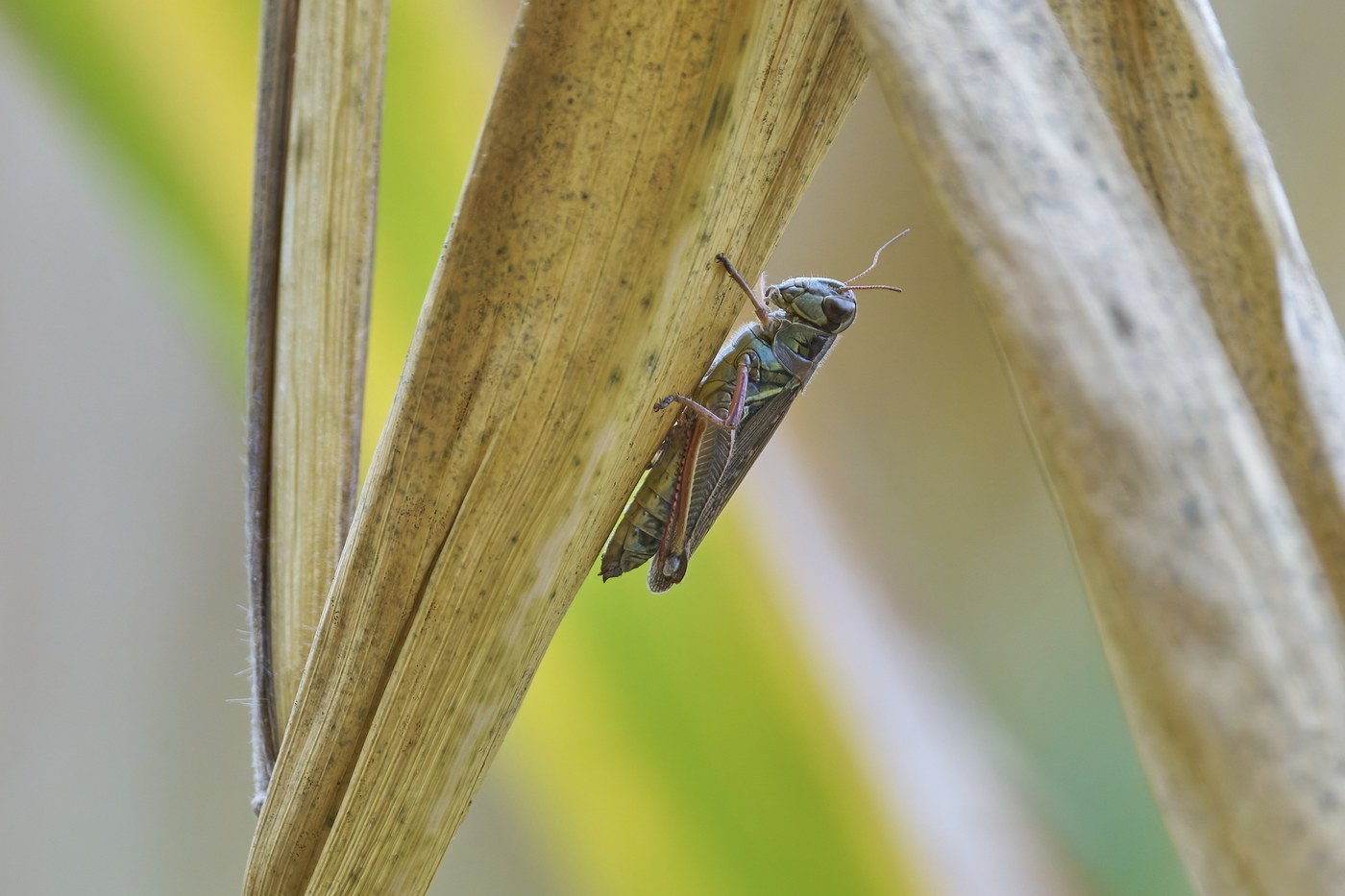
Red-legged Grasshopper
Meadows, pastures, field edges, and gardens across North America
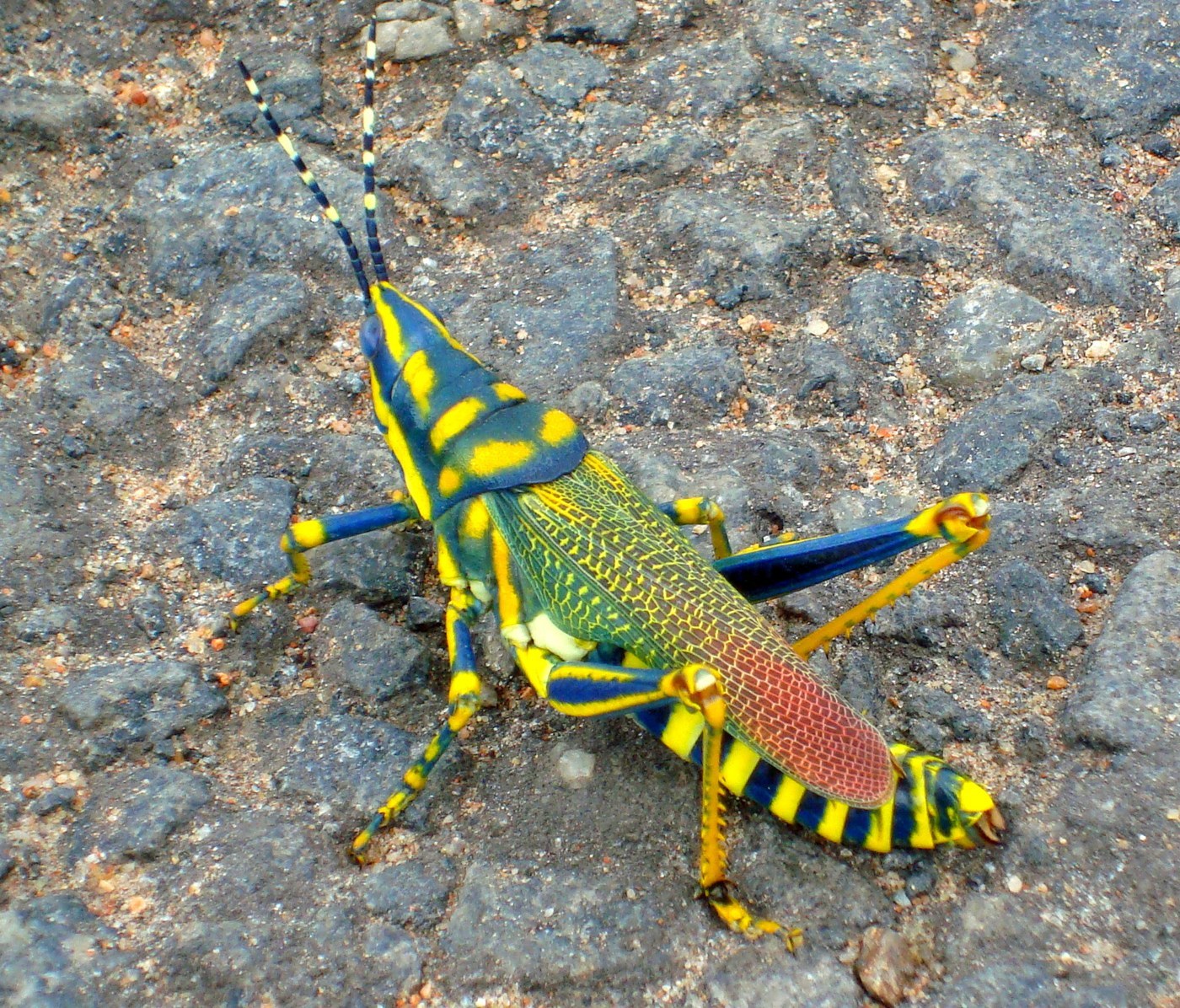
Painted Grasshopper
arid scrub, wastelands, and gardens of the Indian subcontinent, especially near milkweed plants
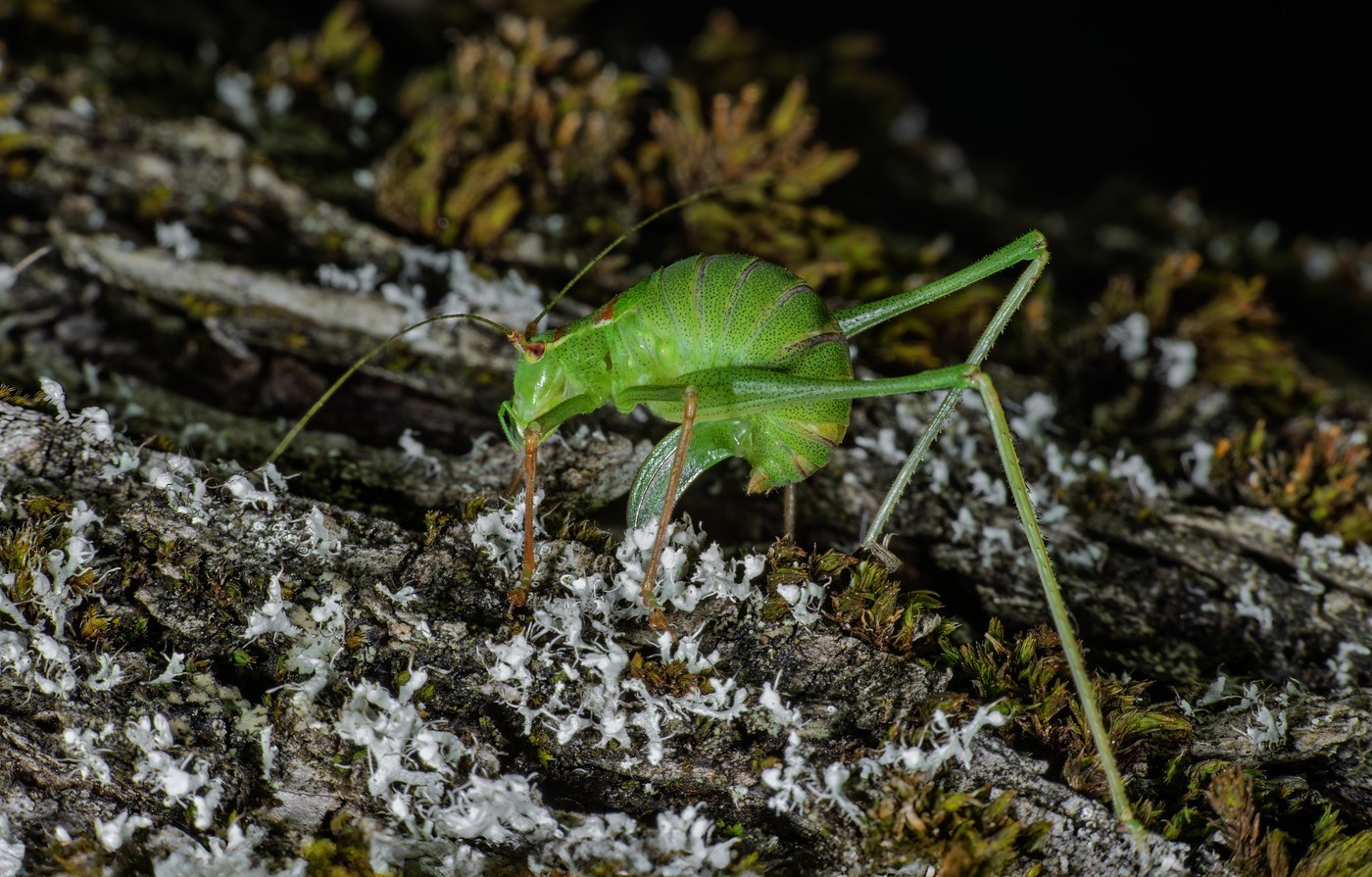
Speckled Bush Cricket
Brambles, hedgerows, nettles, and shrubby vegetation
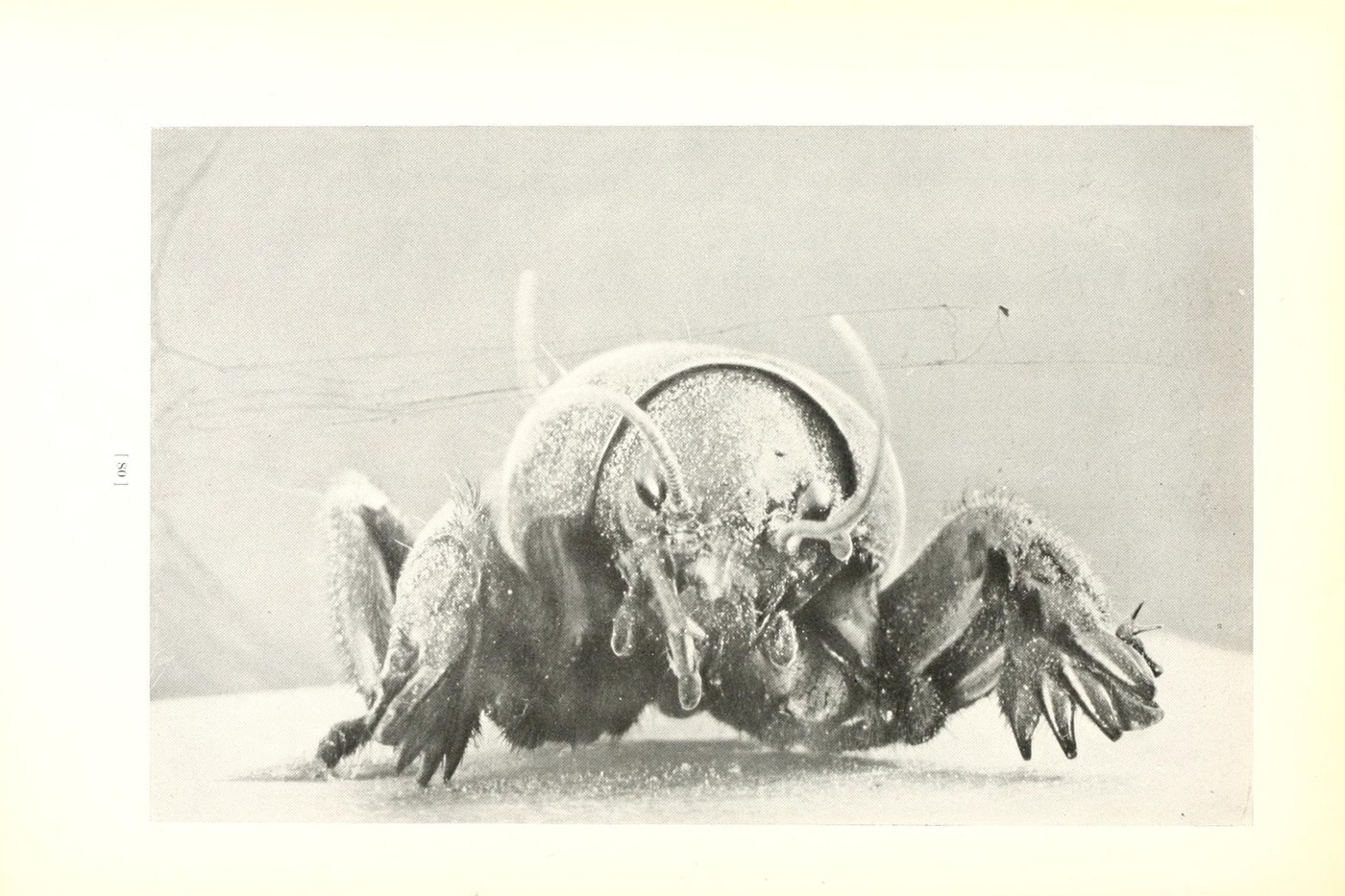
Northern Mole Cricket
wet soil, pond margins, and marshy ground across eastern and central North America