Bush Cricket Identification Guide
Learn the defining features that separate bush crickets from true crickets and grasshoppers.
Read the full Bush Cricket encyclopedia entry →Key Visual Features
"Bush cricket" is the common British term for insects in the family Tettigoniidae, also called katydids in other regions. General identifying features include:
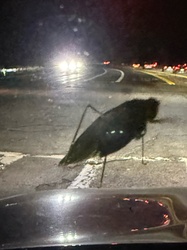
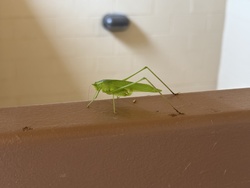
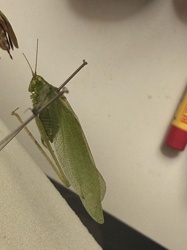
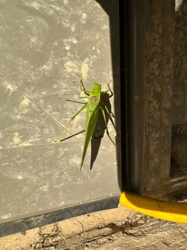
- Very long, thread-like antennae, often longer than the entire body — this is the single most reliable feature separating them from grasshoppers
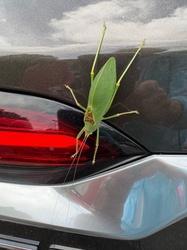
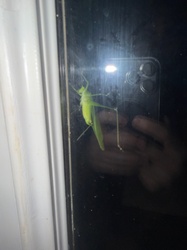
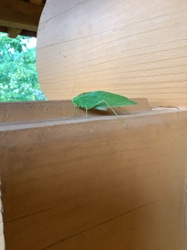
- Green or brown coloring, sometimes with mottled patterns that mimic leaves or dry grass
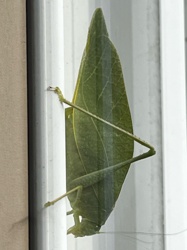
- Leaf-shaped forewings in many species, held tent-like over the back
- Long hind legs adapted for powerful jumping
- Stout, laterally flattened body compared to the more cylindrical shape of true crickets
- Females often have a long, blade- or sword-shaped ovipositor projecting from the rear of the abdomen, used for laying eggs
Where and When You'd See It
Bush crickets are found in grasslands, hedgerows, woodland edges, and gardens throughout temperate and warmer regions. They are most active in the warmer months, from mid-summer into early autumn, and many species are more easily heard than seen, producing songs by rubbing specialized structures on their forewings together (a process called stridulation). Most bush cricket species are more active in the evening and at night, though some can be found basking or feeding on vegetation during the day.
Similar-Looking Bugs
- True crickets (Gryllidae): rounder, more cylindrical bodies, and typically darker brown or black, with a different, more musical chirping song
- Grasshoppers (Acrididae): have short antennae, usually shorter than the body, and are typically active and singing during the day rather than at dusk or night
- Locusts: a type of grasshopper, similarly identified by short antennae and diurnal activity, distinguishing them from the long-antennaed bush crickets
- Leaf insects: some green species can resemble a resting bush cricket at a glance, but lack functional jumping hind legs and a visible ovipositor
Because the family includes hundreds of species worldwide, narrowing an identification to a specific bush cricket usually requires comparing size, color pattern, and song alongside these general family traits.
Quick ID Checklist
- Antennae as long as or longer than the body
- Leaf-shaped wings held tent-like over the back
- Long hind legs for jumping
- Females with a visible sword- or blade-shaped ovipositor
- Songs typically heard at dusk or after dark in summer
Frequently asked questions
What is the main difference between a bush cricket and a grasshopper?
Bush crickets have very long, thread-like antennae that are usually longer than their body, while grasshoppers have short antennae, typically shorter than their body.
How can I identify a bush cricket by sound?
Bush crickets produce their songs by rubbing specialized parts of their forewings together, and this stridulation is most often heard in the evening or at night during warm months.
Do all bush crickets have wings?
Wing length varies by species; some have full wings used for limited flight, while others have short or reduced wings and rarely fly.
What does the long appendage on a female bush cricket's rear mean?
That structure is the ovipositor, used for laying eggs, and its blade- or sword-like shape is a helpful clue for confirming the insect is a bush cricket and telling the female from the male.
Bush Cricket identified by the community
Recent Bush Cricket finds identified with Bug Identifier.