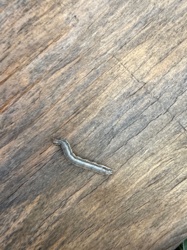
Cabbage Looper Identification Guide
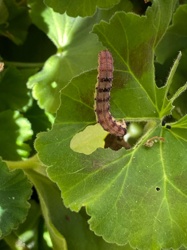
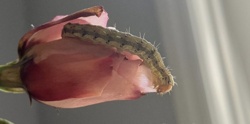
Learn to identify the pale green cabbage looper by its smooth body, thin white stripes, and signature looping crawl.
Read the full Cabbage Looper encyclopedia entry →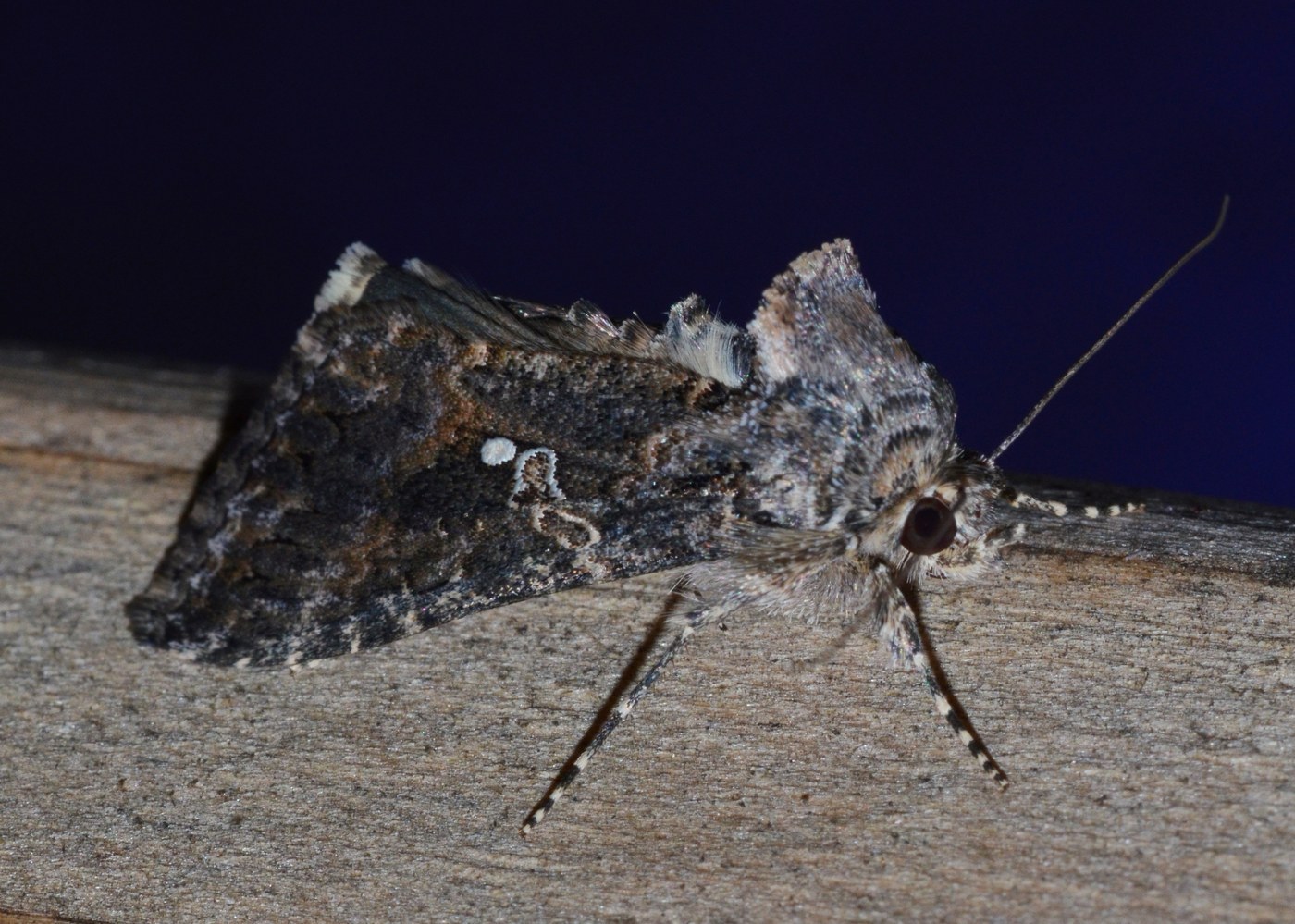
Key Visual Features
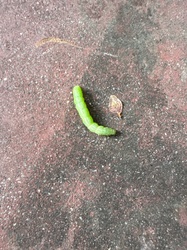
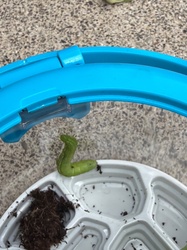
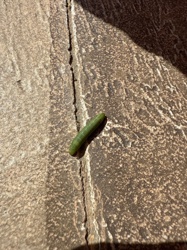
- Slender, smooth-bodied caterpillar in a light to pale green shade, often blending closely with leaf color
- Thin, faint white or pale stripes running lengthwise along the body, including one along each side and a narrower one down the center of the back
- Body tapers slightly toward the head, which is smaller than the widest part of the body
- Lacks a full set of prolegs along the middle of the body, having legs concentrated at the front and rear
- Grows to roughly 1.5 inches long at full size
- Moves with a pronounced looping or arching crawl, humping the middle of its body upward with each step
Where and When You'd See Them
- Found on cabbage, broccoli, kale, lettuce, and other related garden vegetables and leafy greens
- Common from late spring through fall, with multiple generations possible during the growing season
- Typically found on the undersides of leaves, feeding and resting in dappled shade
- Occurs in gardens, farm fields, and greenhouses wherever host vegetables are grown
Similar-Looking Bugs
- Inchworms also move with a looping crawl but are usually found on trees and shrubs rather than garden vegetables, and often show twig-like brown or gray coloring instead of the looper's plain green.
- Cabbage white caterpillars share the same host plants but have a velvety, slightly fuzzy texture and a more uniform solid green color without the looper's pale stripes.
- Diamondback moth larvae are much smaller and thinner, wriggling vigorously and dropping on silk threads when disturbed, unlike the looper's characteristic slow arching crawl.
- Armyworms are thicker-bodied with more distinct dark stripes and a full set of prolegs, crawling smoothly rather than looping.
Quick ID Checklist
- Smooth, pale green body with thin faint white stripes
- Distinctive looping, arching crawl
- Legs concentrated at front and rear only, gap in the middle
- Found on cabbage, broccoli, kale, and similar leafy vegetables
- About 1.5 inches long at full growth
Frequently asked questions
How do I tell a cabbage looper from an inchworm?
Both move with a similar looping crawl, but cabbage loopers are found on garden vegetables like cabbage and broccoli with a plain pale green, faintly striped body, while inchworms are usually found on trees and shrubs with twig-mimicking brown or gray coloring.
Why does the cabbage looper move in a loop instead of crawling smoothly?
It lacks a full row of prolegs along the middle of its body, so it has to draw its rear end up into an arch behind its front legs before stretching forward again, creating the looping motion.
What color and markings does a cabbage looper have?
It is pale to light green with thin, faint white stripes running along its sides and back, which help it blend into leaf surfaces.
What plants are cabbage loopers most commonly found on?
They favor cabbage, broccoli, kale, lettuce, and other related leafy vegetables, usually resting on the undersides of leaves.
Cabbage Looper identified by the community
Recent Cabbage Looper finds identified with Bug Identifier.