
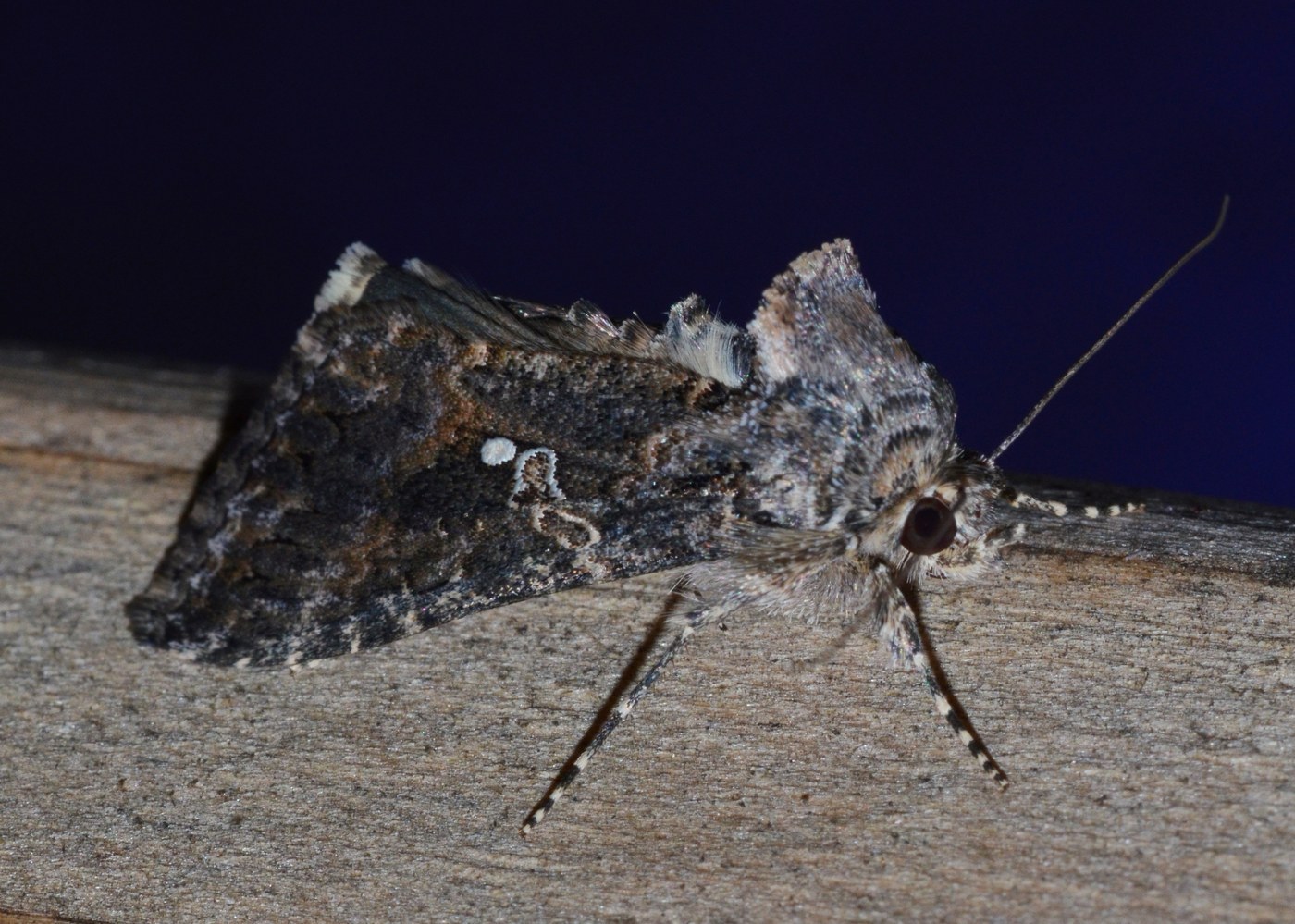
Cabbage Looper
Trichoplusia ni
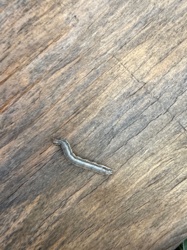
A pale green caterpillar with thin white stripes that arches its back into a loop as it inches along cabbage and other garden leaves.
- Size
- 3-4 cm long
- Habitat
- vegetable gardens, crop fields with brassicas
- Danger
- Nuisance pest
Spotted a bug like this?
Identify any bug or insect from a photo, free.
Overview
The cabbage looper (Trichoplusia ni) is a widespread caterpillar named for its distinctive looping crawl, produced because it lacks a full complement of prolegs found in most caterpillars. It is the larval stage of a grayish-brown night-flying moth and is found across most of North America as well as many other parts of the world.
This species is a generalist feeder on a wide range of plants, though it shows a particular preference for cabbage, broccoli, and other brassica crops, which has made it a well-studied agricultural pest. Its smooth, pale green body blends effectively with the foliage it feeds on, offering some camouflage from visual predators.
Ecologically, cabbage loopers serve as prey for many birds, predatory insects, and parasitic wasps, and their populations are often kept in check naturally by these enemies as well as by weather conditions.
How to Identify
- Smooth, pale green body with faint white or light stripes running lengthwise
- Tapers slightly toward the head, which is smaller than the body
- Lacks the middle pairs of prolegs found in most caterpillars, leaving only two or three pairs near the rear
- Moves with a distinctive looping or "inching" motion, arching its back as it draws its hind end up to its front legs
- Grows to about 3-4 cm long at maturity
- Lookalikes: other loopers and inchworms (geometrid moth larvae), though cabbage loopers are typically found on brassica plants and have the characteristic pale green, striped body
Habitat & Range
Cabbage loopers are found throughout most of North America, from southern Canada through the United States and into Mexico, and related Trichoplusia populations occur on other continents as well. They are common in vegetable gardens and agricultural fields, especially those growing cabbage, kale, broccoli, lettuce, and related crops. Adult moths are active at night and are attracted to lights, while caterpillars are typically found on the undersides of leaves during the day.
Behavior & Diet
Cabbage loopers feed on the leaves of a wide variety of plants, chewing irregular holes and sometimes skeletonizing foliage during heavy infestations. They are most active at dusk and during the night, resting on the underside of leaves during the day to avoid predators and heat. As a food source, they support populations of birds, parasitic wasps, and predatory insects, which are important natural checks on looper numbers in both wild and cultivated settings.
Life Cycle
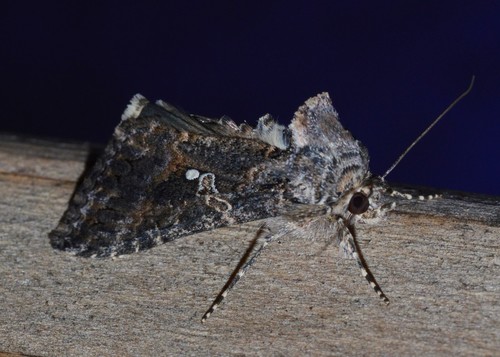
Adult female moths lay pale, dome-shaped eggs singly on the underside of host plant leaves. Eggs hatch within a few days into tiny larvae that pass through five to six instars over about two to four weeks, feeding continuously on foliage. Mature caterpillars pupate in a thin, loosely woven silk cocoon attached to a leaf or nearby structure, emerging as adult moths after roughly ten days to two weeks. The adult is a mottled grayish-brown moth with a small silvery marking on each forewing. In warm climates, cabbage loopers can produce several generations per year, while in cooler regions they may overwinter as pupae.
Frequently asked questions
Why is it called a "looper"?
It gets its name from its distinctive crawling motion, arching its body into a loop because it lacks the full set of middle prolegs most caterpillars have.
What plants do cabbage loopers prefer?
They favor brassica crops like cabbage, broccoli, and kale, though they will also feed on many other garden plants.
What does the adult cabbage looper moth look like?
It is a grayish-brown, night-flying moth with a small silver figure-eight or comma-shaped mark on each forewing.
How many generations does a cabbage looper produce in a year?
In warm climates it can produce several generations annually, while colder regions typically see fewer generations with overwintering as a pupa.
Cabbage Looper guides
In-depth guides for identifying, understanding, and living alongside Cabbage Looper.
Cabbage Looper identified by the community
Real finds identified with Bug Identifier.
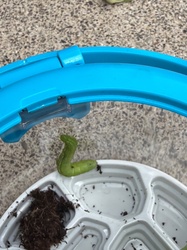
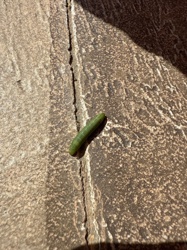

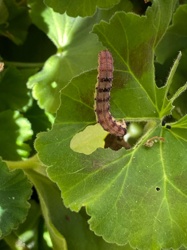
Other bugs you may enjoy
Bagworm
Trees and shrubs, especially conifers and ornamental landscaping
Armyworm
grasslands, pastures, and cereal crop fields
Zebra Longwing Caterpillar
Tropical and subtropical hammocks with passionflower vines
Tomato Hornworm
Gardens and fields with tomato, pepper, and other nightshade plants
Tent Caterpillar
Deciduous trees such as cherry, apple, and other rosaceous species
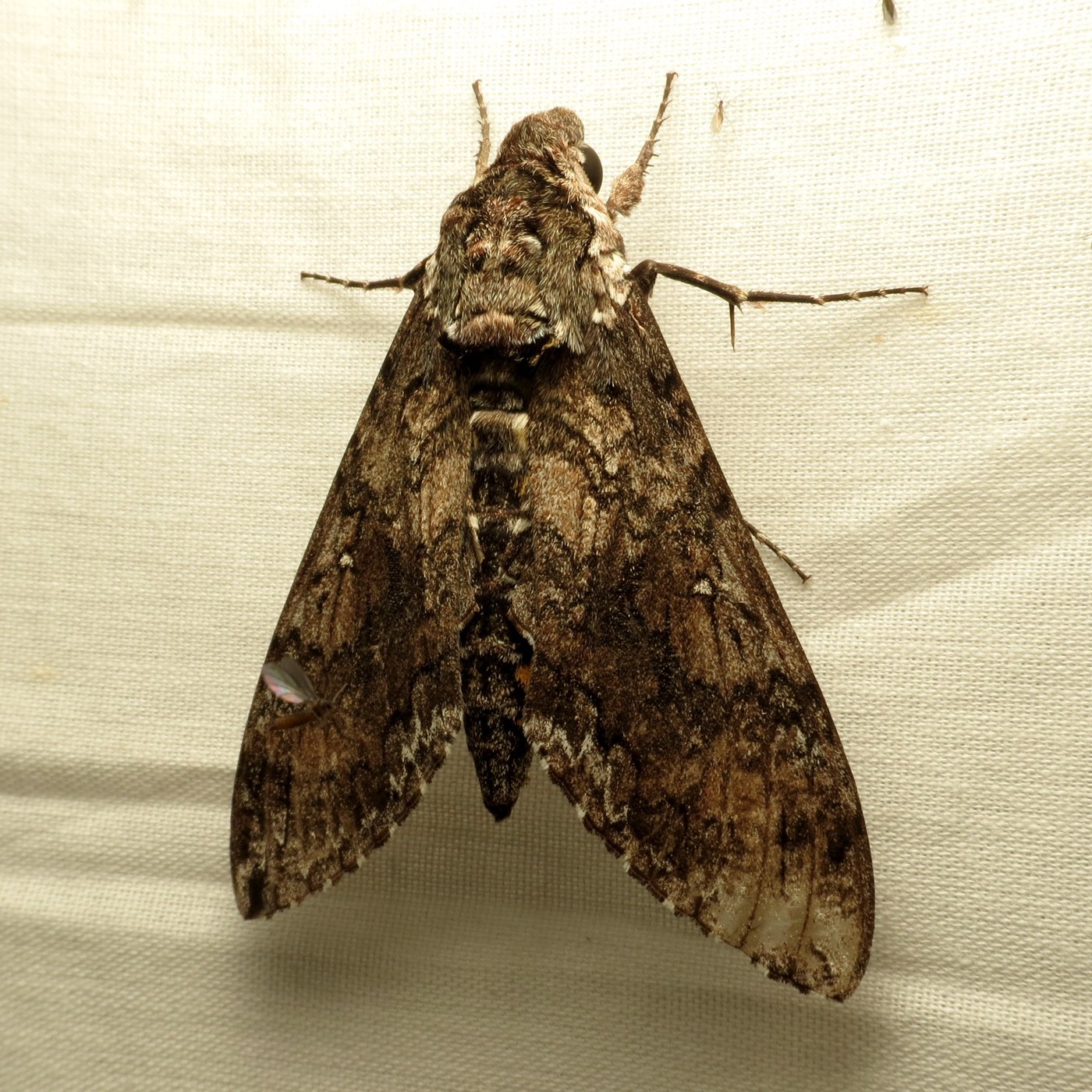
Tobacco Hornworm
tobacco, tomato, and pepper plants in gardens and fields
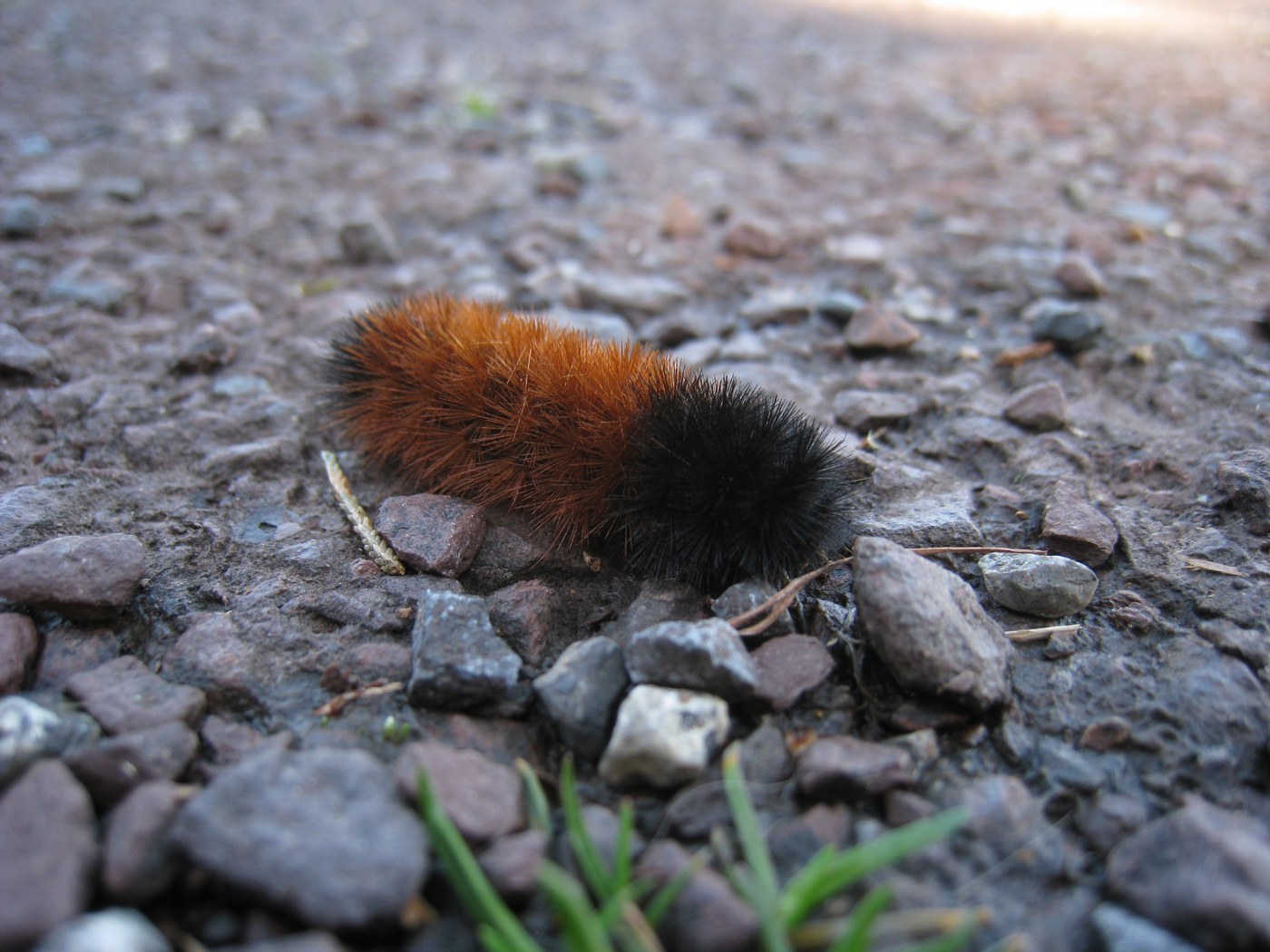
Woolly Bear Caterpillar
Gardens, meadows, roadsides, and woodland edges across North America
Sod Webworm
Turfgrass lawns, golf courses, pastures
Spiny Oak-slug Caterpillar
Deciduous forests and woodland edges with oak and other hardwoods
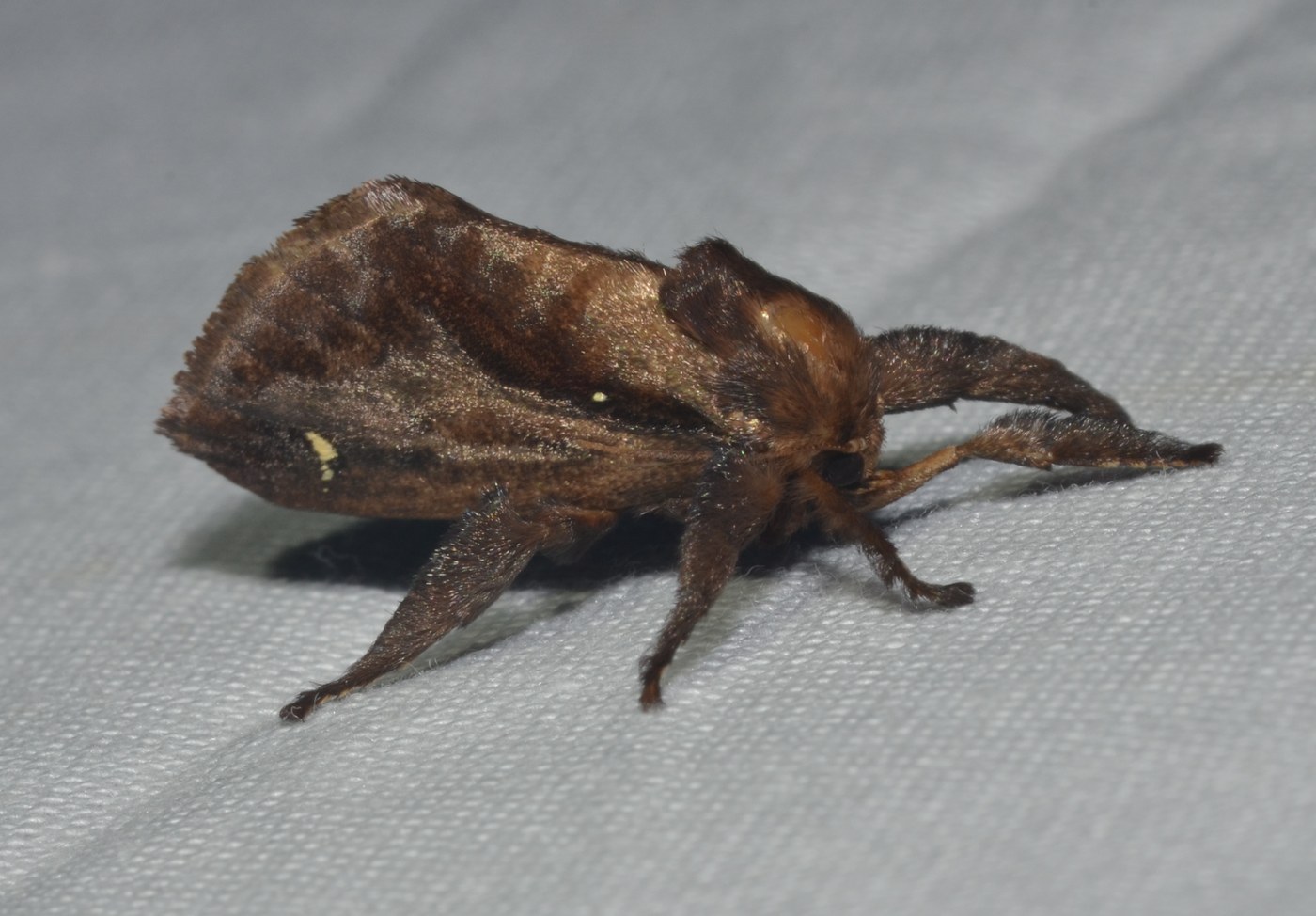
Saddleback Caterpillar
Deciduous trees and shrubs in eastern and southern North America
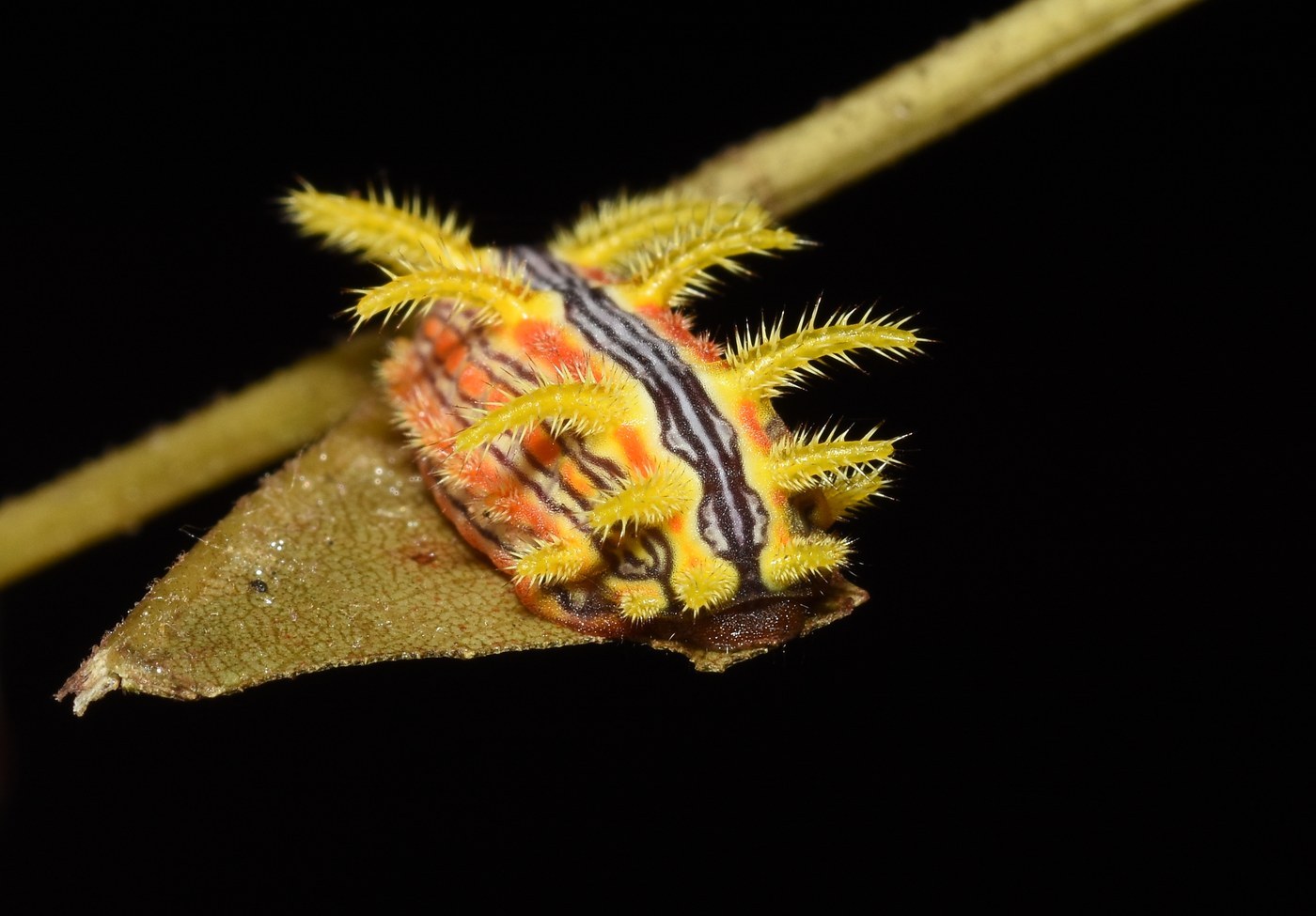
Stinging Rose Caterpillar
Gardens and woodlands with rose, dogwood, or oak
Silkworm
Reared exclusively in captivity on mulberry leaves; no independent wild population