
Cactus Fly Identification Guide
Identify cactus flies by their bee-like fuzzy body, hovering flight, and close association with flowering cactus blooms.
Read the full Cactus Fly encyclopedia entry →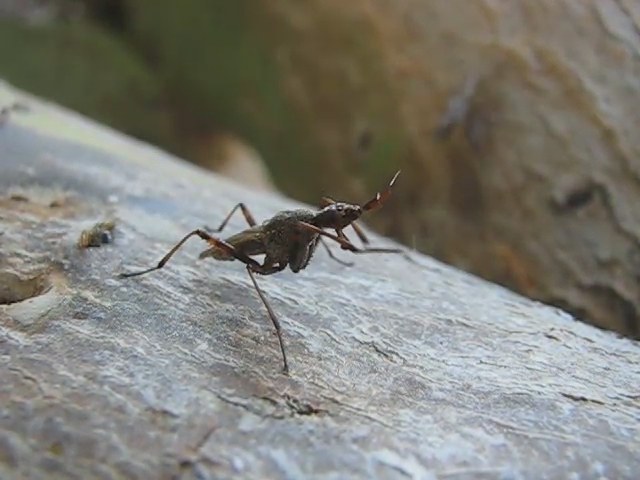
Key Visual Features
Cactus flies are robust, bee-mimicking flies frequently observed visiting cactus flowers, often placed among the bee flies or similarly styled pollinator flies.
- Body: Compact and densely covered in fine hair, giving a fuzzy, bee-like or fly-bumblebee appearance, typically 0.3 to 0.6 inches long.
- Color: Commonly golden, tan, black, or banded with lighter and darker sections along the abdomen, mimicking the coloring of bees.
- Wings: A single pair, often held out to the sides at rest, sometimes with a smoky tint near the base.
- Legs: Relatively short and sturdy compared to true bees, though covered in fine hairs.
- Flight style: Known for hovering motionless in front of flowers before darting to land, a behavior that helps distinguish it from true bees, which land more directly.
Where and When You'd See Them
As the name suggests, cactus flies are strongly associated with cactus flowers and other desert or arid-region blooms, appearing during the flowering season—typically spring through early summer in warm, dry climates. Adults are most active on sunny, warm days, when they can be seen hovering near or landing on cactus blossoms to feed on nectar and pollen. They favor open, sunny desert scrub, rocky slopes, and gardens with flowering cacti or succulents.
Similar-Looking Bugs
- Bumblebees: True bees have a stinger and pollen baskets on the hind legs; cactus flies have only one pair of wings (bees have two) and lack pollen baskets.
- Bee flies: Very similar fuzzy build, but bee flies often have a long, forward-pointing proboscis and are found in a wider range of open habitats, not just around cacti.
- Carpenter bees: Larger and shinier with a mostly bald, glossy abdomen, unlike the uniformly fuzzy cactus fly.
- Hover flies: Smoother, less hairy bodies with bold yellow-and-black banding rather than an overall fuzzy coat.
Quick ID Checklist
- Compact, densely fuzzy body resembling a small bee, about a third to over half an inch long
- Golden, tan, or banded coloring
- Single pair of wings held out at rest (a key difference from true bees)
- Hovers in front of cactus flowers before landing
- Found in arid, desert scrub habitats during the cactus bloom season
Frequently asked questions
How can I tell a cactus fly from a bee visiting the same flower?
Check the wings—flies have only one pair, while bees have two, and cactus flies also lack the pollen baskets found on the hind legs of true bees.
When is the best time to spot a cactus fly?
Look during the cactus flowering season, typically spring through early summer, on warm sunny days when the flies are actively visiting blooms.
What habitat do cactus flies prefer?
They are found in open, sunny desert scrub, rocky slopes, and gardens where flowering cacti or succulents are present.
What behavior helps identify a cactus fly in flight?
Their habit of hovering motionless in front of a flower before darting in to land is a useful behavioral clue that helps separate them from bees, which tend to approach flowers more directly.