
Cactus Fly
Odontoloxozus longicornis
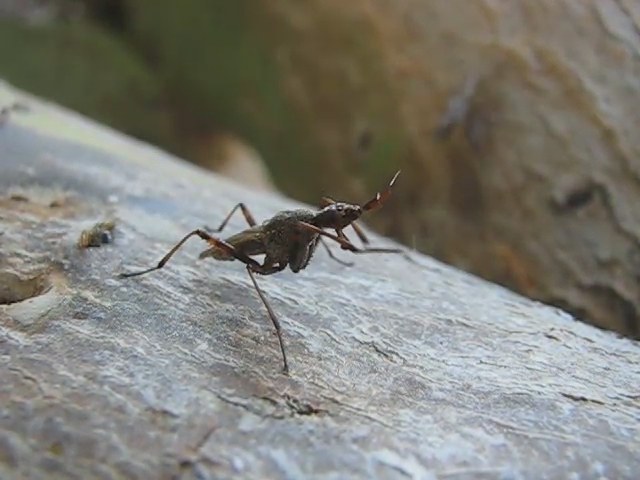
A slender, long-legged desert fly that specializes in breeding within the soft, fermenting tissue of decaying cactus, particularly saguaro and other columnar cacti.
- Size
- 10–15 mm
- Habitat
- rotting cactus tissue in arid deserts
- Danger
- Harmless
Spotted a bug like this?
Identify any bug or insect from a photo, free.
Overview
The cactus fly, Odontoloxozus longicornis, is a member of the small family Neriidae, a group of elongate, stilt-legged flies most diverse in warmer regions of the Americas. It is closely tied to the desert ecosystems of the southwestern United States and northern Mexico, where its larvae develop exclusively in the rotting, fermenting flesh of cacti such as saguaro, cardón, and prickly pear.
Adults have a distinctively long-legged, wasp-like build with elongated antennae, an adaptation that allows them to navigate the narrow crevices and wounds in cactus tissue where they feed and lay eggs. They are strongly attracted to the smell of fermenting cactus rot, often arriving at a wound or decay site within hours of it forming.
By breaking down decaying cactus material, cactus flies and their larvae play a role in desert nutrient cycling, and the flies themselves become part of the diet of desert predators such as robber flies, spiders, and lizards.
How to Identify
- Slender, elongated body, roughly 10–15 mm, with a wasp-like appearance
- Long, stilt-like legs and long, thread-like antennae
- Reddish-brown to tan coloration with a somewhat shiny cuticle
- Wings held flat over the body, sometimes with a faint pattern
- Lookalikes: other stilt-legged flies (family Micropezidae) have a similar build but lack the strong cactus association and southwestern desert range
Habitat & Range
Cactus flies are found in arid and semi-arid habitats of the southwestern United States, including the Sonoran and Chihuahuan Desert regions, and into northern Mexico, wherever large columnar cacti such as saguaro grow. They are concentrated around wounded, rotting, or dying cactus tissue, which serves as both feeding and breeding site.
Behavior & Diet
Adult cactus flies feed and mate at sites of cactus decay, using keen chemical detection to locate fresh rot, and are frequently observed clustering around wounds in saguaro or cholla where fermentation has begun. Larvae feed directly within the decaying, semi-liquid cactus tissue, consuming the microbe-rich rotting pulp. This decomposer role helps recycle the substantial biomass of large cacti back into the desert ecosystem once a plant is damaged or dies.
Life Cycle
Females lay eggs directly into wounds or areas of soft rot on cactus tissue, and larvae hatch to burrow and feed within the decaying, fermenting pulp. Development through the larval stages proceeds relatively quickly given the warm desert temperatures and rich food source, with larvae eventually pupating either within the rot pocket or in the soil nearby. Multiple generations can occur in a year wherever suitable rotting cactus material remains available.
Frequently asked questions
Why do cactus flies gather at cactus wounds?
They are strongly attracted to the smell of fermenting, rotting cactus tissue, which serves as both a feeding site and egg-laying location.
Where are cactus flies typically found?
They occur in arid regions of the southwestern United States and northern Mexico, closely tied to large columnar cacti such as saguaro.
What do cactus fly larvae eat?
Larvae feed within the soft, decaying pulp of rotting cactus tissue, helping break down dead or damaged cactus material.
How can I recognize a cactus fly?
Look for a slender, wasp-like fly with unusually long legs and antennae found around decaying cactus in the desert.
Cactus Fly guides
In-depth guides for identifying, understanding, and living alongside Cactus Fly.
Other bugs you may enjoy
Aphid Midge
Gardens, greenhouses, and crops with aphids
Yellow Fever Mosquito
Urban and peri-urban areas near small artificial water containers in tropical and subtropical regions worldwide
Root Maggot
Garden and field soil around the roots of cole crops and other vegetables
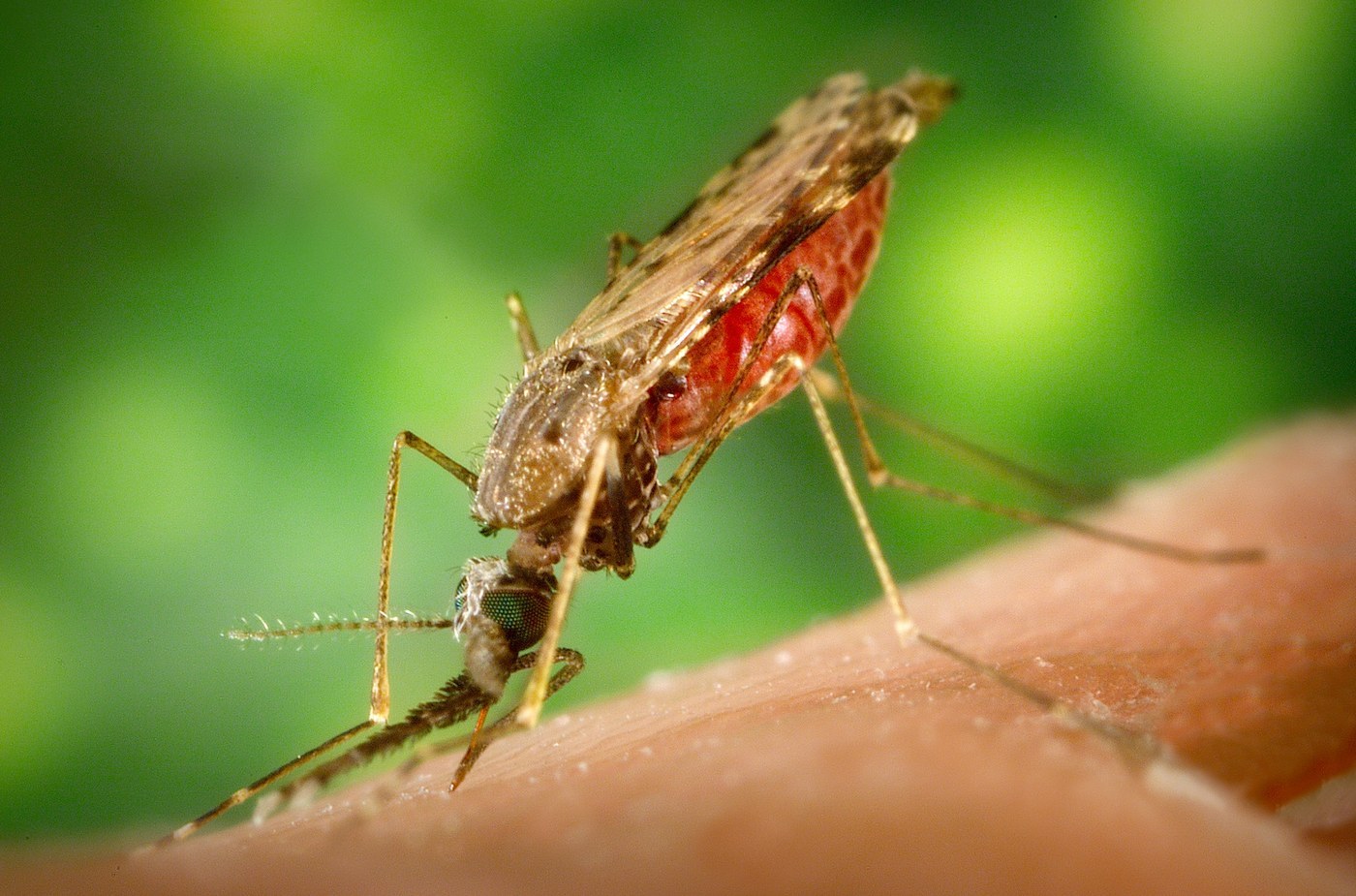
Anopheles Mosquito
Clean, still or slow-moving freshwater habitats such as marshes, ponds, and rice paddies
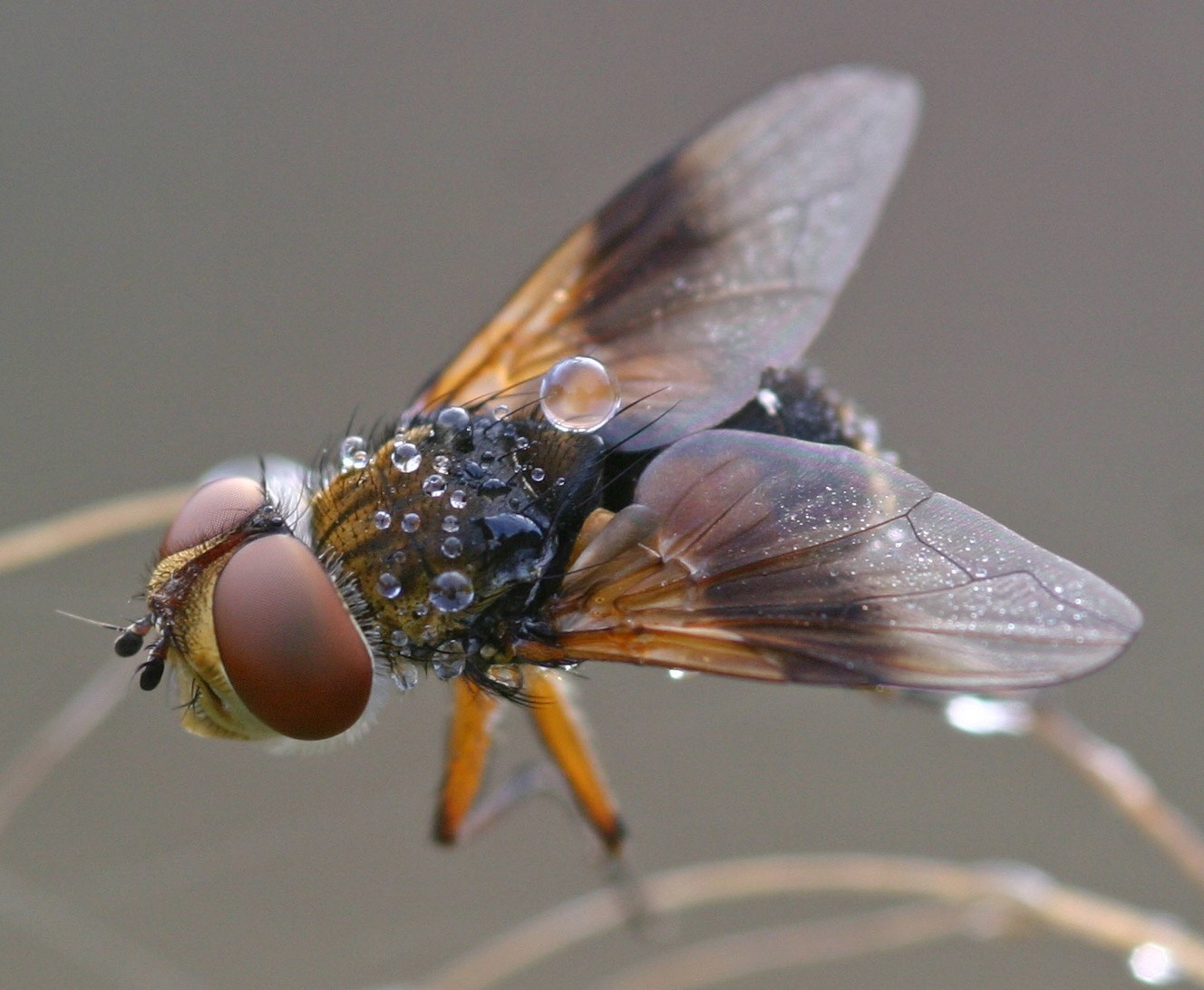
Tachinid Fly
Gardens, meadows, and woodlands wherever host caterpillars and other insects occur
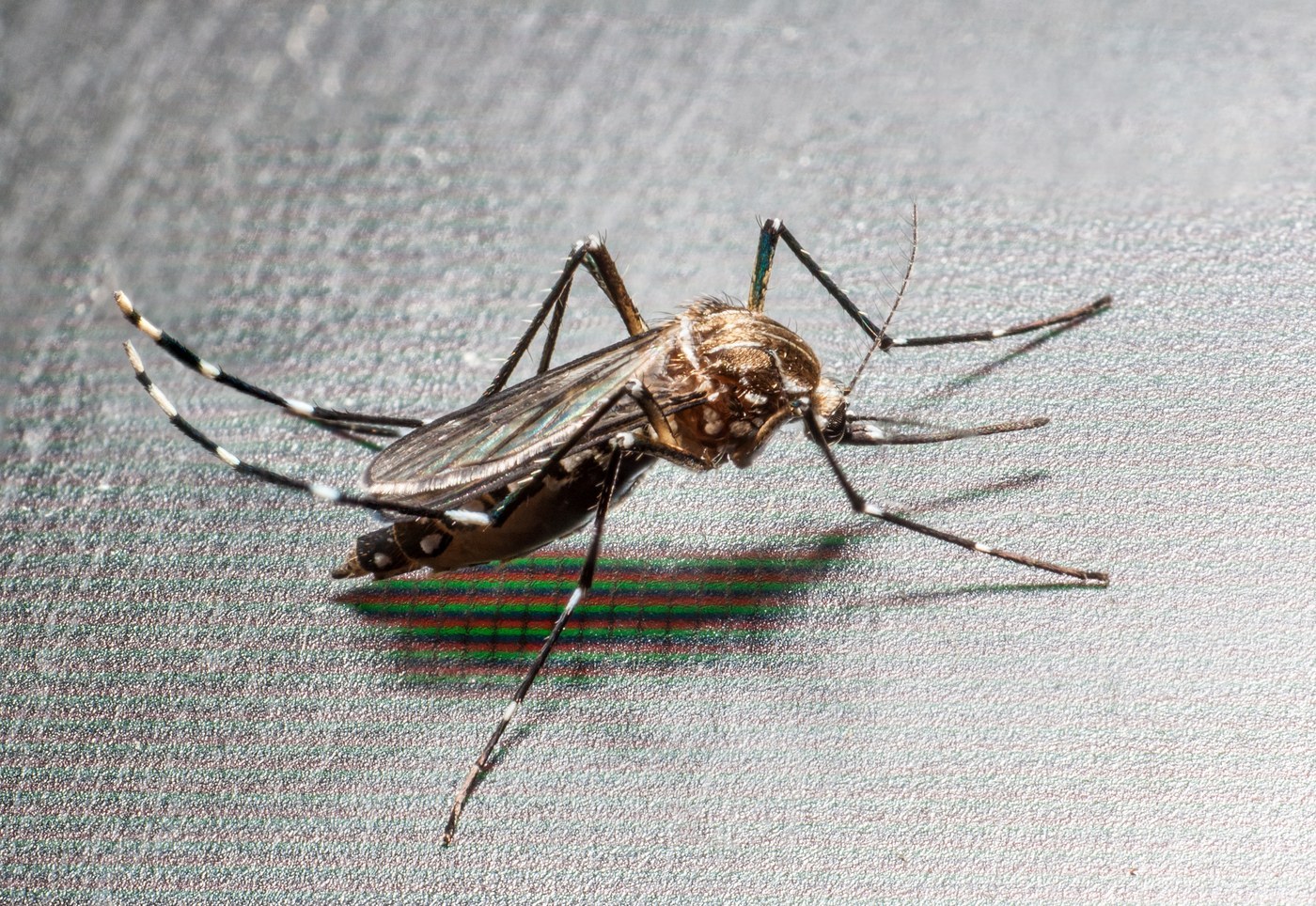
Asian Tiger Mosquito
Shaded urban and suburban areas near small water-holding containers, tires, and tree holes; native to Southeast Asia, now widespread
Tsetse Fly
Wooded savanna, riverine thickets, and forest edges across sub-Saharan Africa
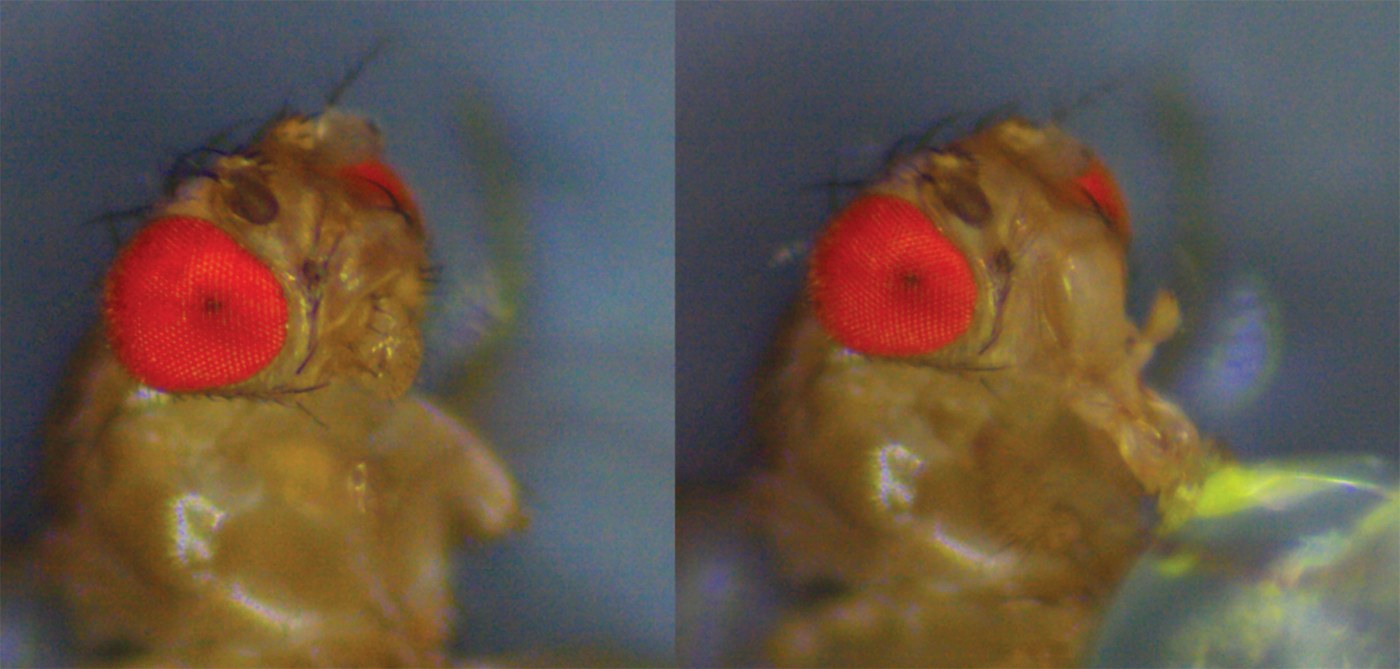
Vinegar Fly
Around overripe fruit, compost, and fermenting materials worldwide
Yellow Dung Fly
Pastures and fields with fresh cattle dung
Screwworm Fly
Warm, humid lowlands of the Americas, especially near livestock and wildlife wounds
Soldier Fly
Wetland margins, decaying organic matter, and vegetation near water
Punkie
near marshes, mudflats, ponds, and other standing water