
Carolina Grasshopper Identification Guide
Identify this camouflaged band-winged grasshopper by its dark hindwings edged in pale yellow, visible only in flight.
Read the full Carolina Grasshopper encyclopedia entry →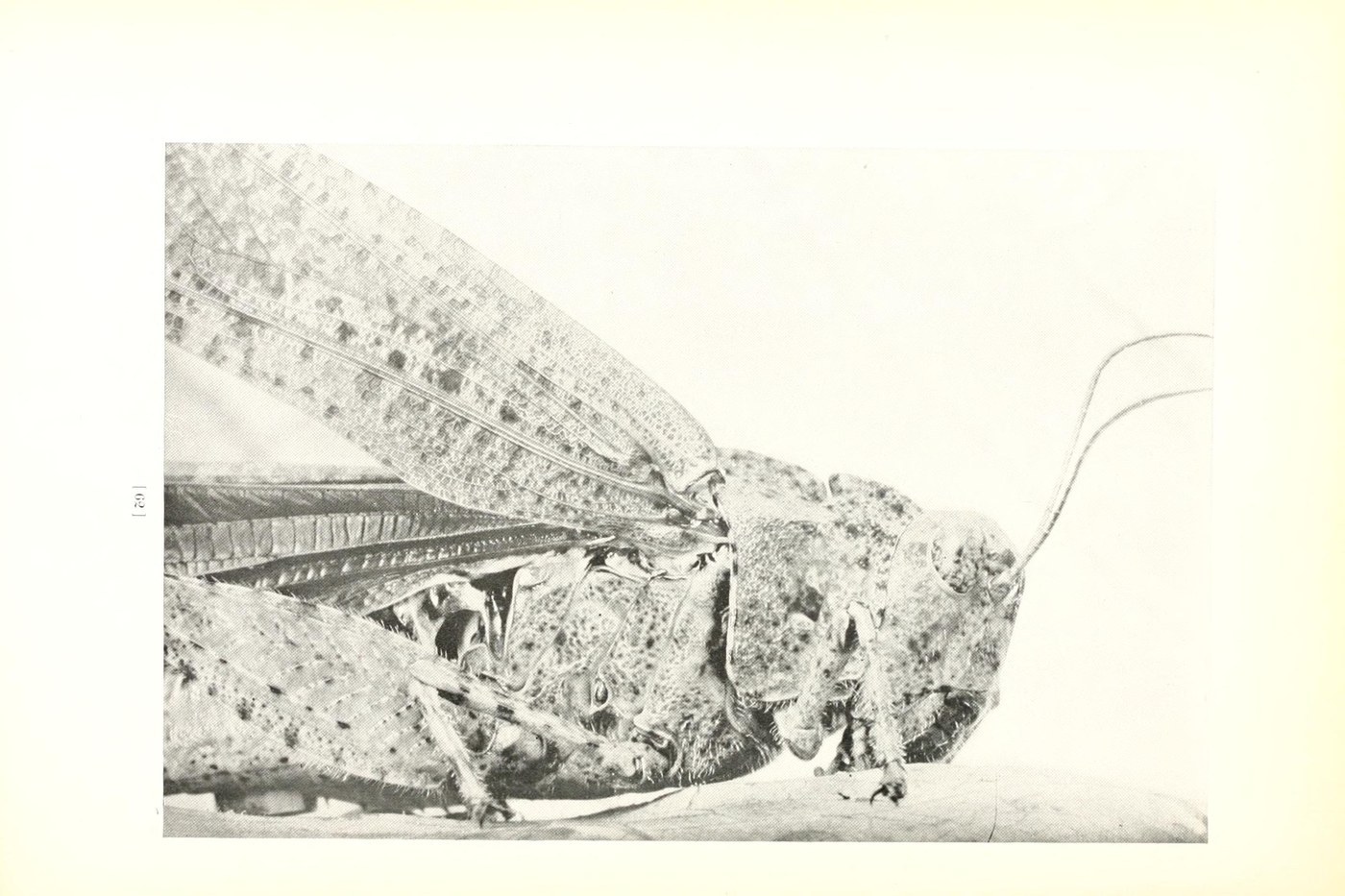
Key Visual Features
The Carolina grasshopper, also known as the Carolina locust (Dissosteira carolina), is a medium-to-large band-winged grasshopper, typically 1.25 to 2 inches long.
- Color: Mottled gray, brown, and tan overall, closely matching bare soil, gravel, or asphalt — very effective camouflage when at rest.
- Body shape: Moderately robust body with a somewhat flattened, broad pronotum (plate behind the head).
- Hindwings: The standout feature is visible only in flight — the hindwings are blackish with a pale yellow or cream border along the outer edge, creating a striking contrast against the drab forewings and body.
- Flight behavior: Often makes an audible crackling or clicking sound while flying, a behavior known as crepitation, and tends to fly in short, low, erratic bursts before dropping back to the ground.
- Legs and antennae: Strong hind legs for jumping and short, thickened antennae typical of field grasshoppers.
Where and When You'll See It
Carolina grasshoppers favor open, bare, or sparsely vegetated ground such as dirt roads, gravel lots, trails, and dry roadsides, where their coloring blends in almost perfectly with the substrate. They are found widely across North America and are most active from mid-summer through fall, especially on hot, sunny days when they're easily flushed into short, noisy flights.
Similar-Looking Species
- Other band-winged grasshoppers: Many species in this group also have colorful hindwings revealed only in flight, but colors and border patterns differ — some show yellow, orange, or red hindwings instead of the Carolina grasshopper's black-with-yellow-border pattern.
- Plain field grasshoppers: Lack colorful hindwings entirely and don't produce the crackling flight sound.
- Ground-colored camouflage grasshoppers: When at rest with wings closed, the Carolina grasshopper can be easily confused with many drab gray-brown species; flushing it into flight is often the best way to confirm identification.
Quick ID Checklist
- Mottled gray-brown body matching bare ground or gravel
- Black hindwings with a pale yellow border, visible only in flight
- Crackling or clicking sound produced during flight
- Short, erratic, low flight pattern before landing
- Found on bare/sparse ground such as dirt roads and gravel areas, mid-summer through fall
Frequently asked questions
How can I identify a Carolina grasshopper if it's just sitting still?
At rest it looks like a plain mottled gray-brown grasshopper blending into bare soil or gravel; the diagnostic black-and-yellow hindwing pattern is only visible when it takes flight.
Why does the Carolina grasshopper make a clicking sound?
It produces a crackling or clicking noise during flight, a behavior called crepitation, which is common among band-winged grasshoppers.
What habitat does the Carolina grasshopper prefer?
It favors open, bare, or sparsely vegetated ground like dirt roads, gravel lots, and dry roadsides where its coloring provides camouflage.
How do I tell it apart from other band-winged grasshoppers?
Check the hindwing color and border when it flies — the Carolina grasshopper shows blackish hindwings edged in pale yellow, while other band-winged species may show different colors such as yellow, orange, or red wings.