
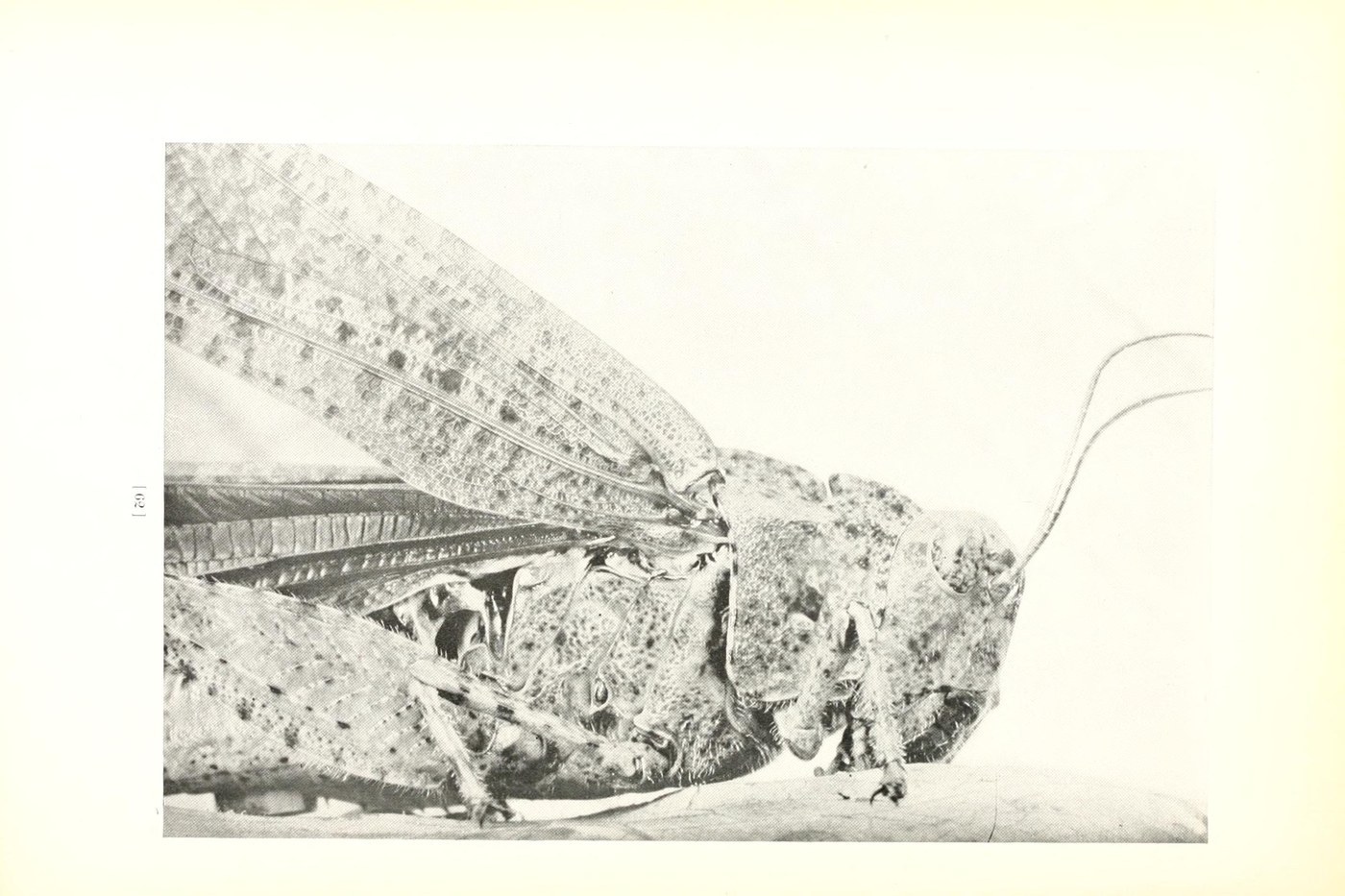
Carolina Grasshopper
Dissosteira carolina
Well camouflaged against dusty ground until it bursts into flight, the Carolina grasshopper flashes broad black hindwings edged in pale yellow before dropping back into invisibility.
- Size
- 3–5 cm (1.2–2 in) long
- Habitat
- Bare ground, gravel roads, dry fields, and disturbed soil across North America
- Danger
- Harmless
Spotted a bug like this?
Identify any bug or insect from a photo, free.
Overview
The Carolina grasshopper is one of the most widely recognized band-winged grasshoppers in North America, found across nearly the entire continent from southern Canada to Mexico. It is especially common along dirt roads, gravel paths, and other areas of bare or sparsely vegetated ground, which has earned it the nickname "road duster" in some regions.
At rest, this grasshopper is superbly camouflaged, with mottled gray-brown forewings that closely match dry soil, gravel, and pavement. Its true identity is revealed only in flight, when the broad black hindwings, bordered by a pale yellow band, flash into view, making the grasshopper appear briefly dramatic before it lands and vanishes again against the ground.
The species is a familiar sight to hikers and anyone walking along dry trails or roadsides in summer, often flushing up suddenly underfoot with a crackling sound produced during flight, then gliding a short distance before dropping back to the ground and disappearing into the substrate once more.
How to Identify
- Mottled gray-brown forewings that closely match dry soil and gravel.
- Broad black hindwings bordered by a pale yellow or cream band, visible only in flight.
- Medium to large body size with a somewhat flattened profile.
- Males may produce a crackling or clicking sound in flight (crepitation).
- Prefers to perch on bare ground rather than vegetation.
- Distinguished from other band-winged grasshoppers by the specific combination of hindwing color pattern and habitat preference for bare, dusty ground.
Habitat & Range
This species ranges across almost all of North America, from southern Canada through the continental United States and into Mexico, favoring open, disturbed habitats with sparse vegetation such as dirt roads, gravel paths, dry fields, riverbanks, and construction sites. Adults are most active during the warmer months, from summer into early fall.
Behavior & Diet
Carolina grasshoppers feed on a variety of grasses and low-growing plants, though they spend much of their time resting on bare ground rather than actively grazing dense vegetation. When flushed, they take flight abruptly, often producing an audible crackling sound, and display their contrasting hindwing pattern before gliding back down and re-settling on similarly colored ground, relying on camouflage to avoid further detection. As common grassland and open-ground insects, they serve as prey for birds and other predators.
Life Cycle
Eggs are laid in pods in bare or sparsely vegetated soil during late summer and fall, overwintering before hatching in late spring. Nymphs develop through incomplete metamorphosis over several instars during the summer, maturing into winged adults by mid to late summer. There is generally one generation per year across most of the range.
Frequently asked questions
Why is it hard to see a Carolina grasshopper until it flies?
Its forewings are mottled gray-brown, closely matching bare soil and gravel, so it blends in until it takes flight and reveals its black-and-yellow hindwings.
What is the black and yellow color on its wings for?
The contrasting hindwing pattern is displayed briefly during flight, possibly to startle predators, before the grasshopper lands and disappears against the ground again.
Where do Carolina grasshoppers live?
They are found across nearly all of North America in open, disturbed habitats like dirt roads, gravel areas, and dry fields.
What sound do Carolina grasshoppers make?
Males often produce a crackling or clicking sound while flying, a behavior known as crepitation.
Carolina Grasshopper guides
In-depth guides for identifying, understanding, and living alongside Carolina Grasshopper.
Other bugs you may enjoy
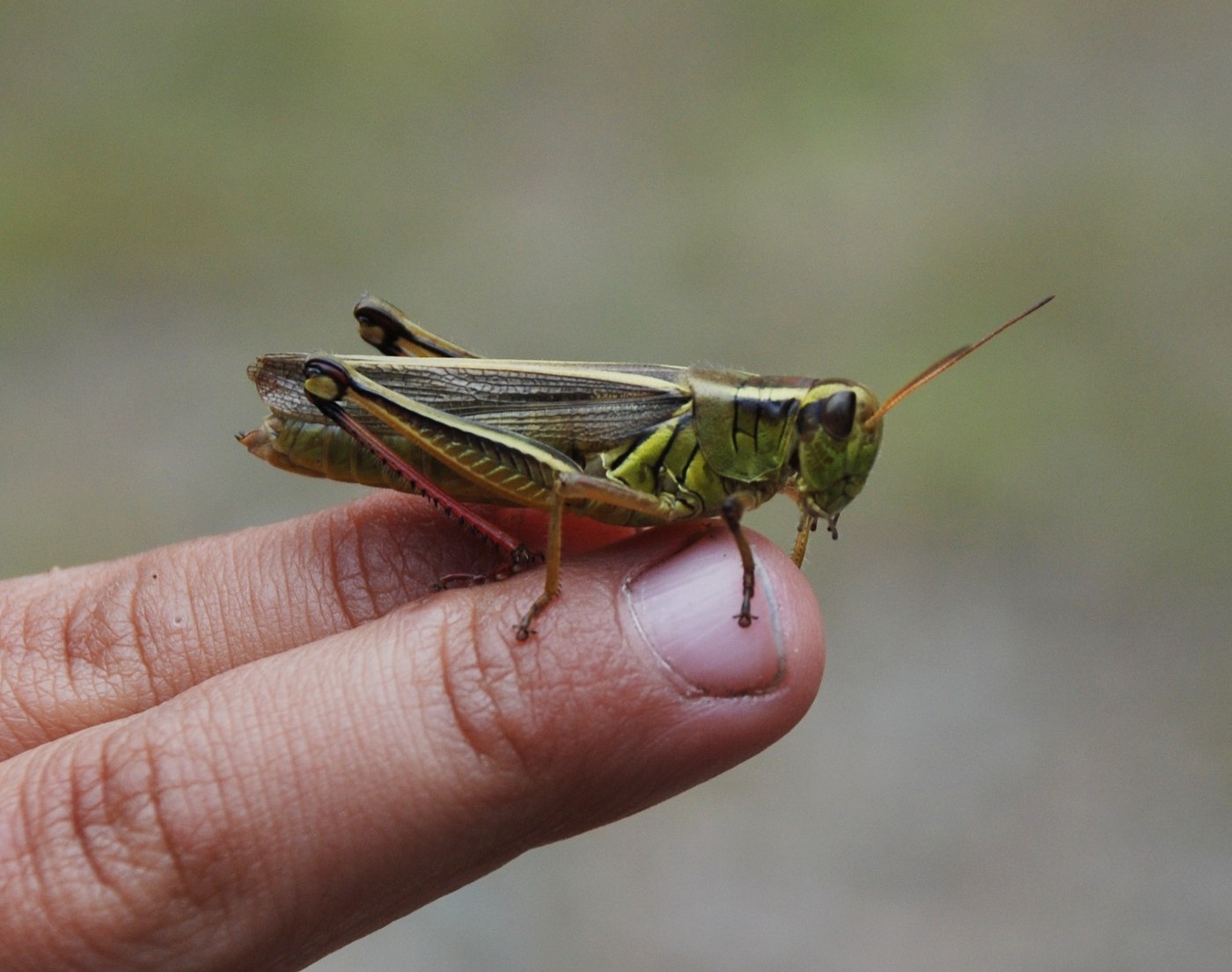
Two-striped Grasshopper
Meadows, pastures, riverbanks, and agricultural fields across North America
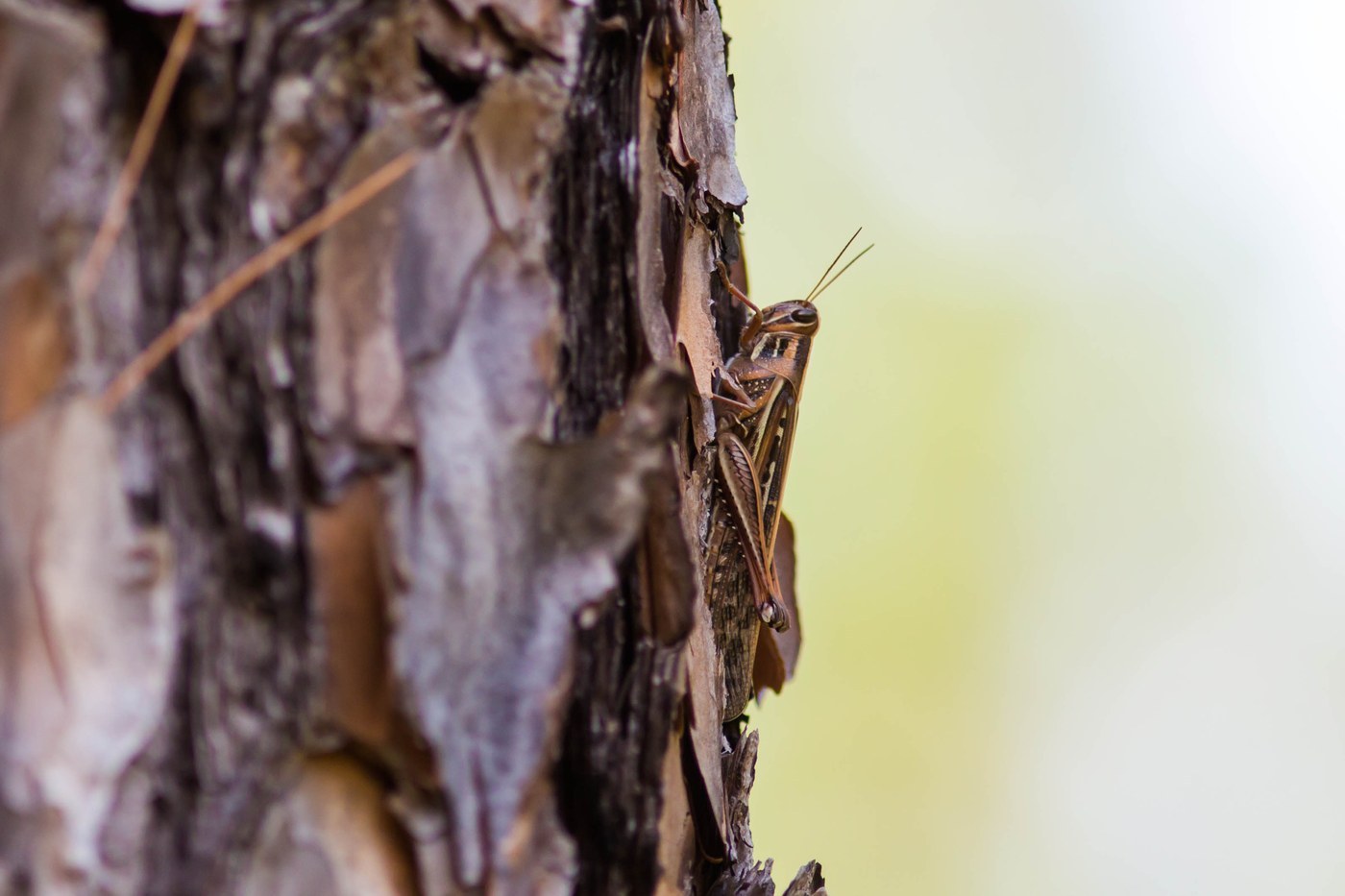
American Grasshopper
Woodland edges, citrus groves, gardens, and open fields across the southern and southeastern United States
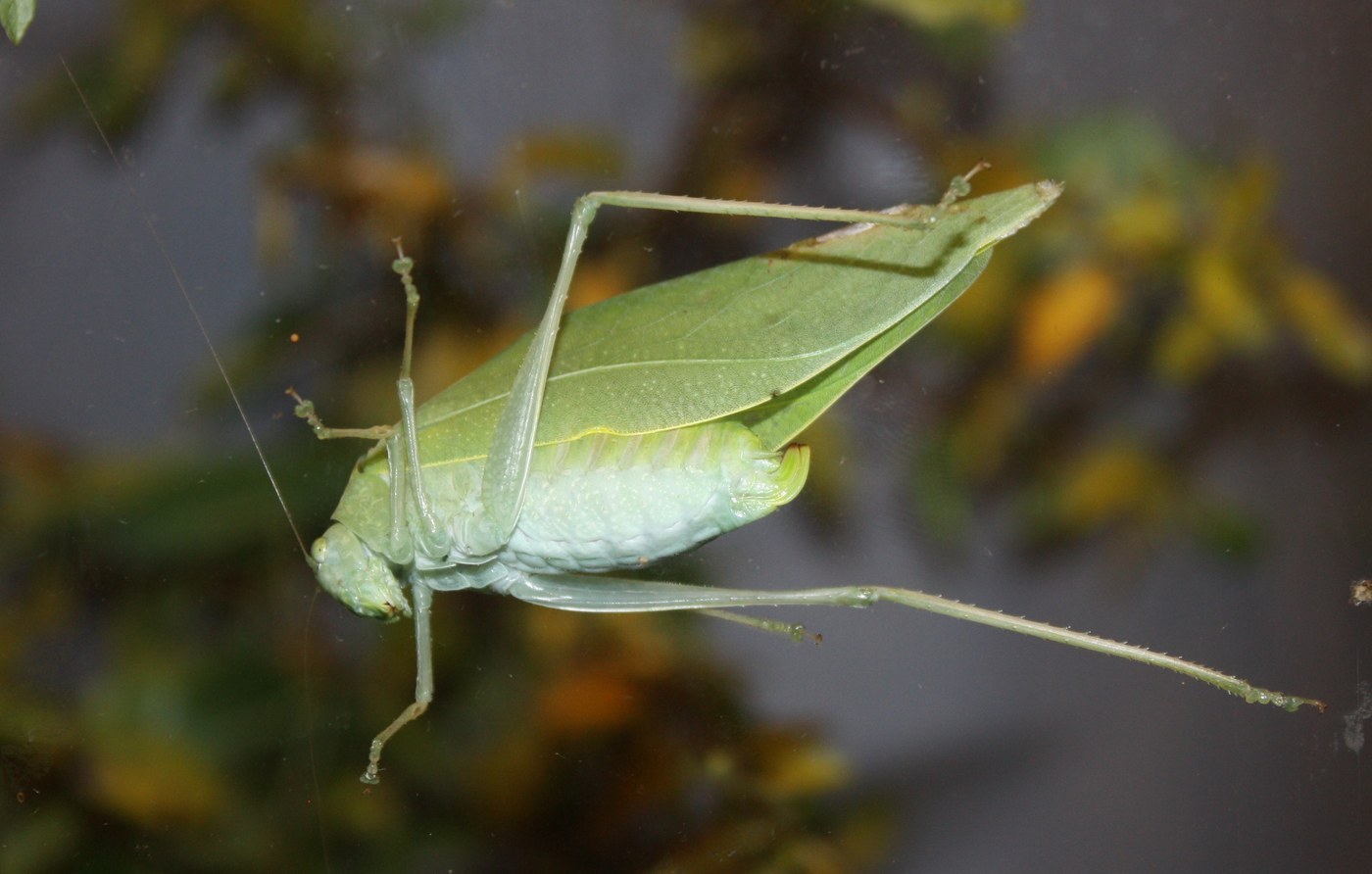
Angular-winged Katydid
deciduous trees, shrubs, and hedgerows across eastern and central North America
Spur-throated Grasshopper
grasslands, meadows, croplands, and roadsides across North America
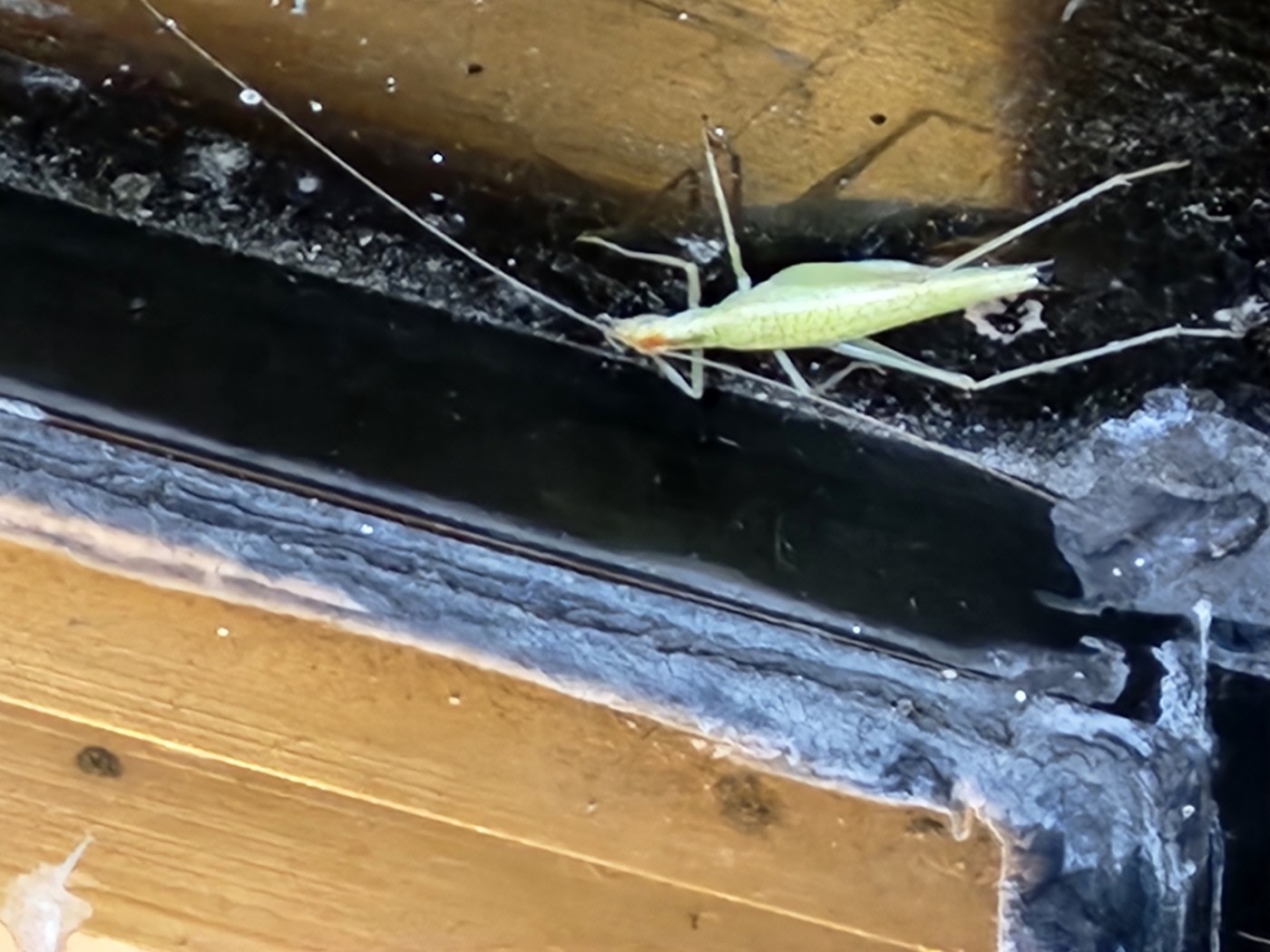
Snowy Tree Cricket
Shrubs, trees, and tall vegetation across North America
Rocky Mountain Locust
historically open grasslands and river valleys of the Rocky Mountains and Great Plains (now believed extinct)
Spotted Camel Cricket
damp caves, crawl spaces, basements, leaf litter, and rotting logs in eastern North America
Pygmy Grasshopper
damp soil, mud, and low vegetation near ponds, streams, and marshes
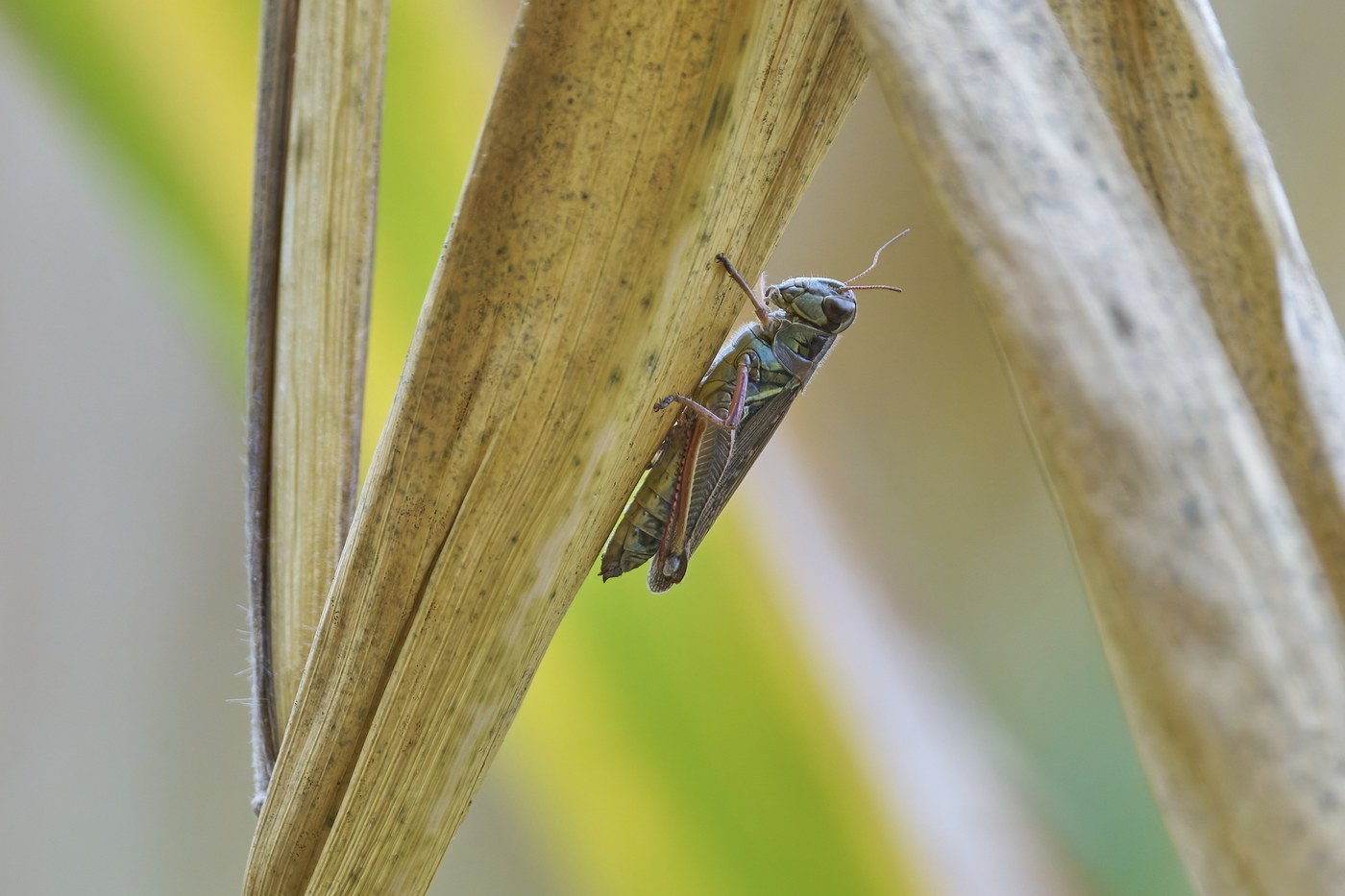
Red-legged Grasshopper
Meadows, pastures, field edges, and gardens across North America
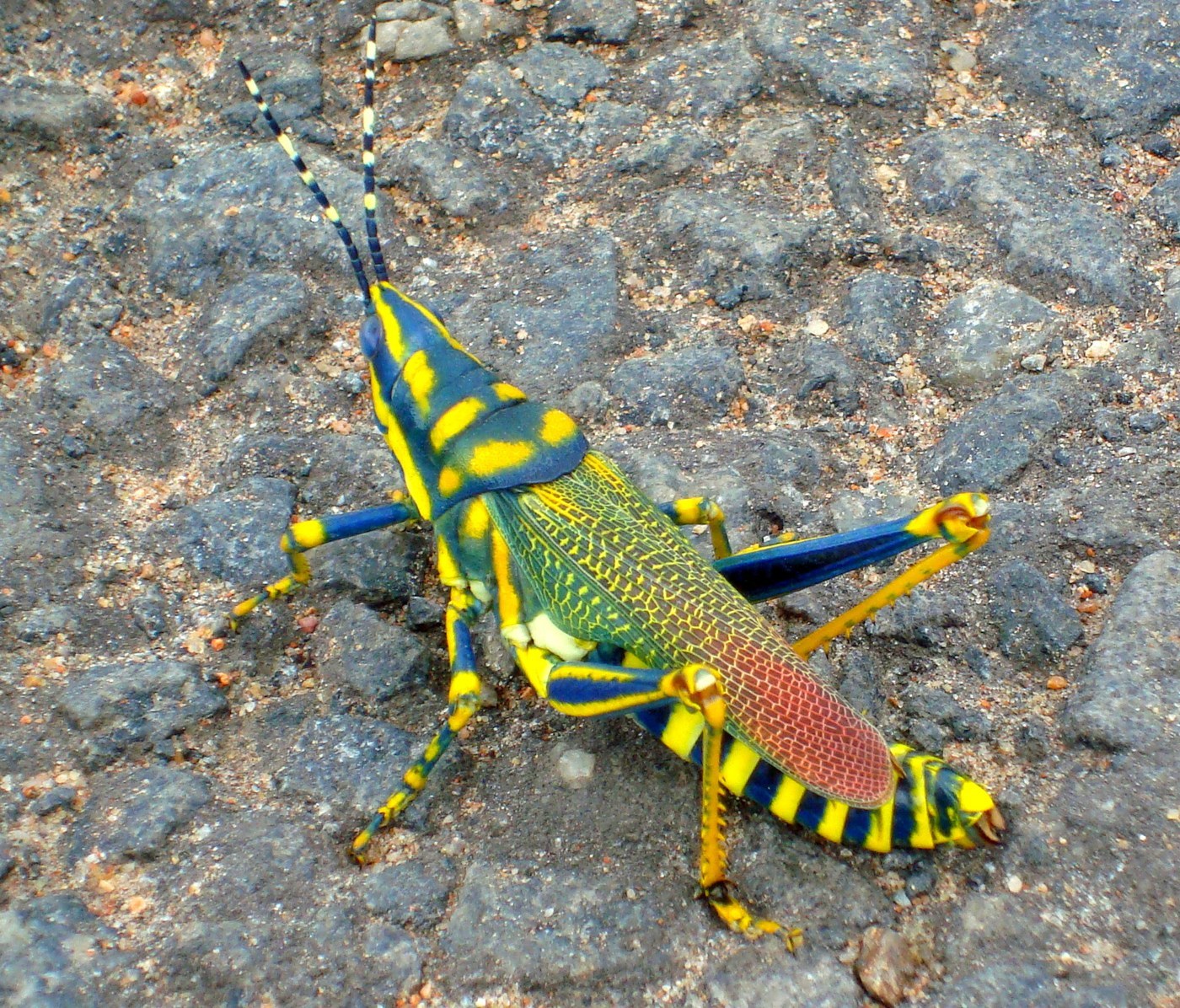
Painted Grasshopper
arid scrub, wastelands, and gardens of the Indian subcontinent, especially near milkweed plants
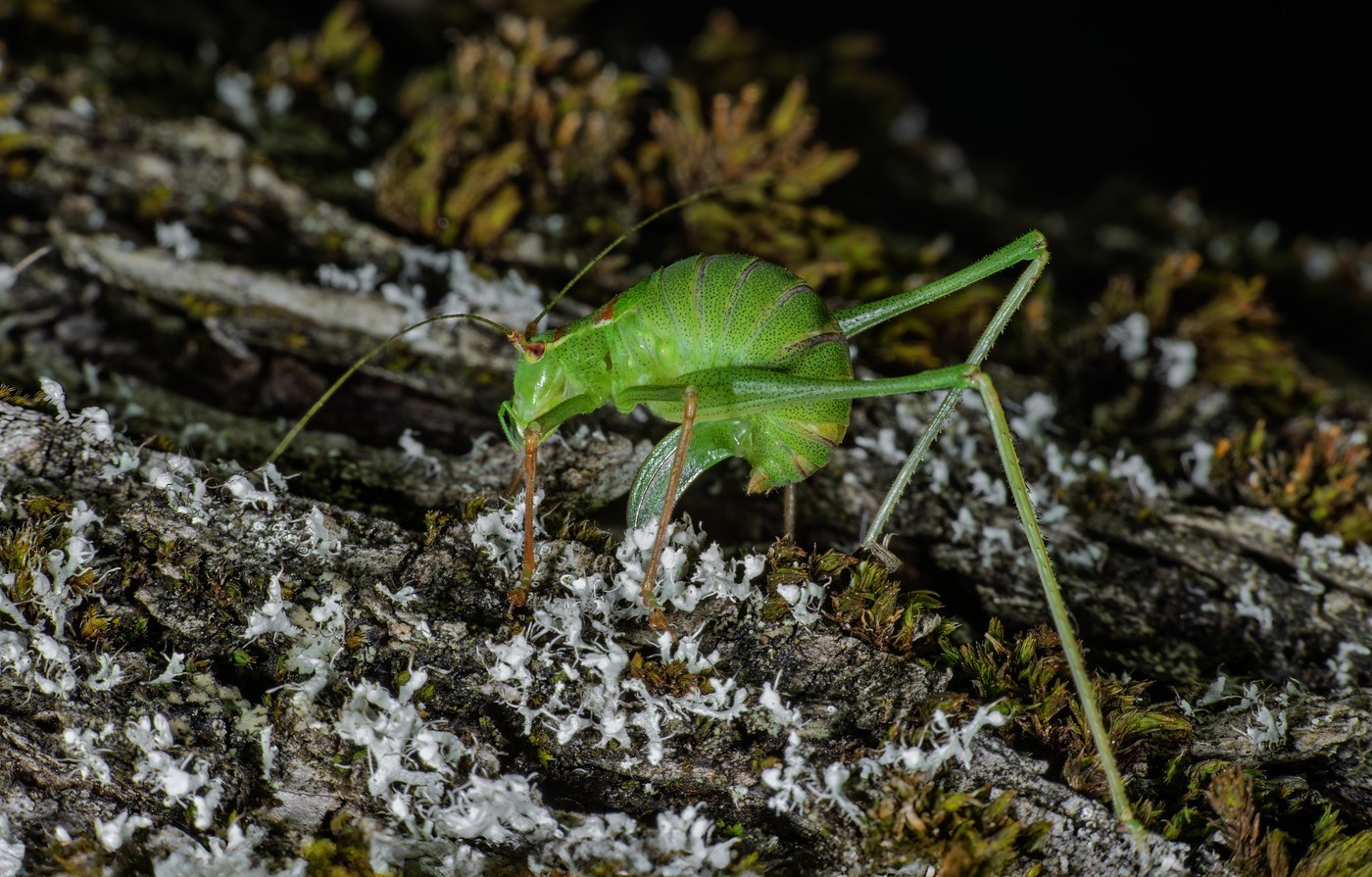
Speckled Bush Cricket
Brambles, hedgerows, nettles, and shrubby vegetation
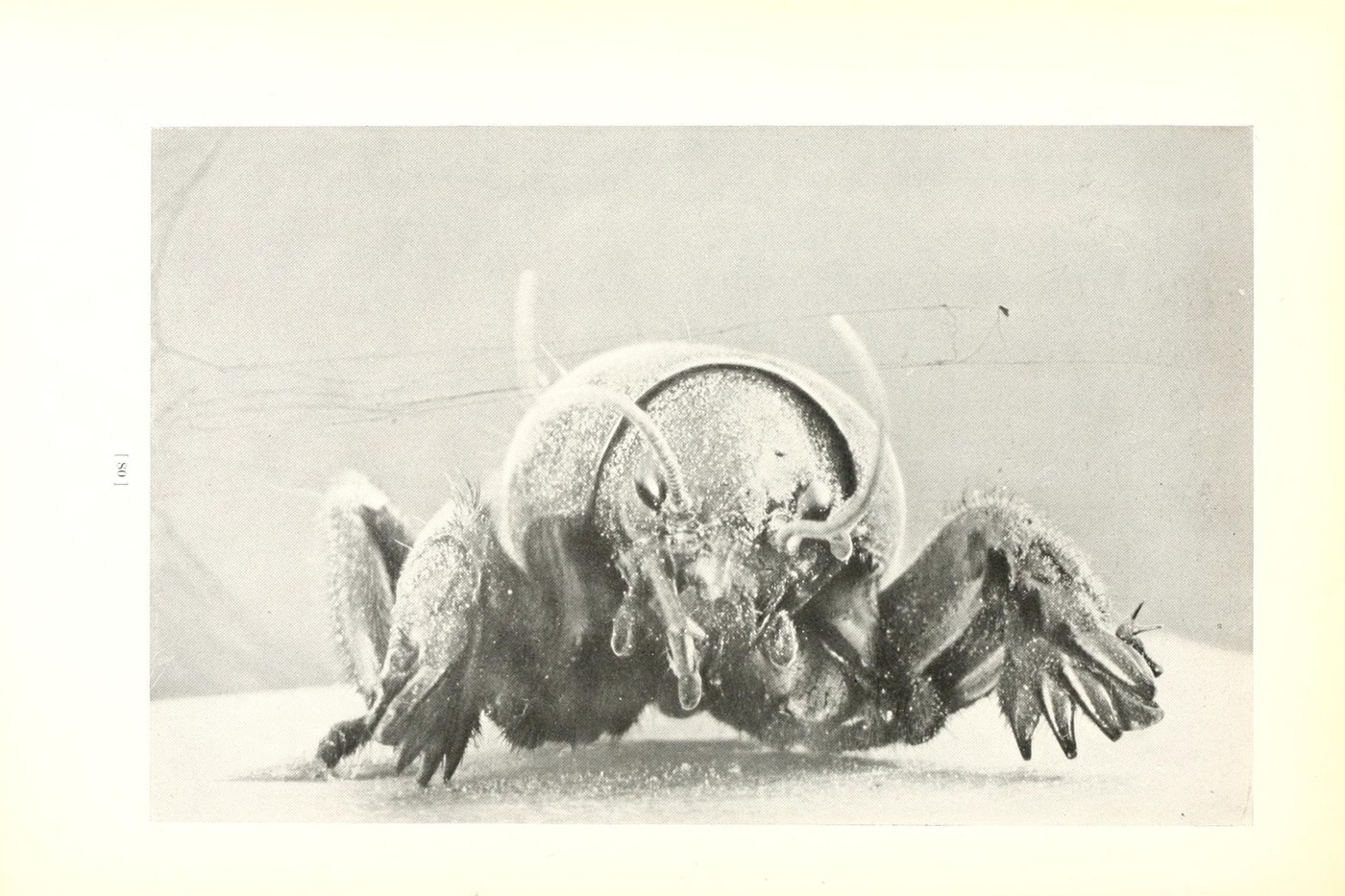
Northern Mole Cricket
wet soil, pond margins, and marshy ground across eastern and central North America