Dampwood Termite Identification Guide
Spot dampwood termites by their large size, association with moist decaying wood, and lack of mud tubes.
Read the full Dampwood Termite encyclopedia entry →Key Visual Features
Dampwood termites are among the largest termite species, named for their strong association with moist or decaying wood.
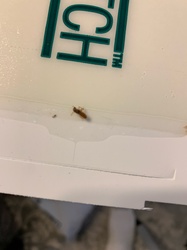
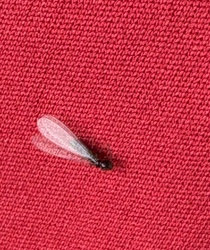
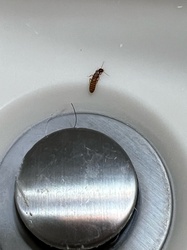
- Swarmers (alates): notably large, often 3/4 inch to over 1 inch long including wings, with a dark brown body and long translucent wings.
- Soldiers: large-bodied with an elongated, dark brown to yellowish-brown head and prominent, strongly toothed mandibles, among the biggest termite soldiers in size.
- Workers: in some dampwood termite species, a distinct worker caste is absent or reduced, with immature nymphs performing similar duties; these are pale and soft-bodied.
- Body shape: straight waist and straight bead-like antennae, consistent with termites generally, but overall bulkier and larger than subterranean or drywood species.
- Wings: swarmer wings are long, extending well past the abdomen, and are shed shortly after a swarming flight.
Where and When You'd See It
- Found in and around wood with high moisture content, such as decaying logs, stumps, and wood in contact with damp soil or leaking structures.
- No mud tubes are built since colonies typically stay within the moist wood itself rather than traveling through open soil.
- Swarmers emerge during warm months, often in the evening, and are drawn to light.
- More common in cooler, humid regions and areas with ample moisture, including forested and coastal zones.
Similar-Looking Bugs
- Drywood termite swarmers: somewhat smaller and found in sound, dry wood rather than moist decaying wood.
- Subterranean termite swarmers: notably smaller in body size and dependent on mud tubes connecting to soil, unlike the moisture-dependent dampwood termite.
- Carpenter ants: often found in similarly damp wood, but distinguished by a pinched waist, elbowed antennae, and unequal wing lengths.
Quick ID Checklist
- Large body size, among the biggest termite swarmers
- Dark brown body with long translucent wings
- Large soldiers with strongly toothed mandibles
- No mud tubes; found directly in moist, decaying wood
- Swarms in the evening during warm months
Frequently asked questions
How big are dampwood termite swarmers compared to other termites?
They are generally the largest of the common termite swarmers, often exceeding 3/4 inch in length including wings.
Do dampwood termites build mud tubes?
No, they typically live directly within moist, decaying wood and do not need to build mud tubes to reach soil.
What kind of wood are dampwood termites associated with?
They are found in wood with high moisture content, such as decaying logs, stumps, and wood affected by leaks or damp soil contact.
When do dampwood termite swarmers typically fly?
They commonly swarm during warm evenings and are attracted to light sources.
Dampwood Termite identified by the community
Recent Dampwood Termite finds identified with Bug Identifier.