
Dampwood Termite
Zootermopsis spp.
A relatively large termite that nests directly inside heavily moistened, decaying wood such as rotting logs and stumps, needing no soil contact but requiring consistently damp timber.
- Size
- Workers about 0.5-0.75 in (13-19 mm); soldiers and swarmers larger
- Habitat
- Decaying, moisture-laden wood in forests and along coasts
- Danger
- Nuisance pest
Spotted a bug like this?
Identify any bug or insect from a photo, free.
Overview
Dampwood termites, represented in western North America chiefly by the genus Zootermopsis, are among the largest termites found in North America and are specialized for life within very moist, often partially decayed wood. Unlike subterranean termites, they do not need soil contact, and unlike drywood termites, they require wood with high moisture content, making them common inhabitants of rotting logs, stumps, and wood in direct contact with damp ground or water sources.
Because of their preference for already-decaying or consistently wet wood, dampwood termites are most often encountered in forested settings, along coastlines, and in structures with chronic moisture problems such as leaking roofs or plumbing, where they can colonize water-damaged timber.
How to Identify
- Workers and soldiers are relatively large for termites, generally 0.5 to 0.75 inch (13-19 mm) or more, with a pale to yellowish-brown body
- Soldiers have a large, dark, heavily armored head with prominent mandibles marked by distinctive tooth patterns used for defense
- Winged reproductives (swarmers) are large, dark brown, and have two pairs of long, equal-sized wings extending well past the body
- Straight, bead-like antennae and a broadly joined thorax and abdomen distinguish termites from ants
- No mud tubes are built, and fecal pellets differ from drywood termite pellets in being less uniformly ridged, since dampwood termite galleries are kept moist rather than dry
- Found inside visibly moist or decaying wood rather than sound, dry lumber
Habitat & Range
Dampwood termites occupy decaying logs, stumps, and other wood with high moisture content in coniferous and mixed forests, particularly along the Pacific coast of North America from California north through the Pacific Northwest, as well as in other humid forested regions. They can also be found in structures where wood has become chronically wet from leaks, ground contact, or poor drainage. Swarming flights of new reproductives generally occur in late summer or fall, often on warm evenings, varying by species and region.
Behavior & Diet
This group feeds on wood that is already moist and often partially decayed by fungi, which softens the wood and makes it easier to excavate and digest, aided by symbiotic microorganisms in the termite's gut. Colonies remain entirely within the piece of wood they inhabit, expanding their galleries as they consume material, and unlike subterranean termites they do not need to travel to and from soil. In forest ecosystems, dampwood termites are important decomposers, helping to break down fallen logs and stumps and recycle nutrients back into the soil, a role they continue to perform even when they colonize water-damaged wood in and around structures, where their presence is regarded as a nuisance pest issue.
Life Cycle
A mated pair of winged reproductives lands after a swarming flight, sheds its wings, and tunnels into sufficiently moist, decaying wood to begin a new colony. The founding pair rears an initial group of nymphs that develop gradually through incomplete metamorphosis into workers, soldiers, or future reproductives as the colony requires. Dampwood termite colonies tend to grow slowly and remain moderate in size compared to subterranean termite colonies, often persisting for years within a single moist log or timber. Mature colonies periodically produce winged swarmers, typically in late summer or fall, which disperse to find new sources of sufficiently damp wood.
Frequently asked questions
Why are dampwood termites found in rotting logs?
They require wood with high moisture content, and partially decayed wood is both softer to excavate and naturally retains more moisture, making it ideal habitat.
Do dampwood termites need soil contact like subterranean termites?
No, they live entirely within the moist wood they infest and do not require a connection to soil, though the wood itself must stay consistently damp.
How can I tell a dampwood termite from a drywood termite?
Dampwood termites are generally larger and are found only in wood with high moisture content, often partially decayed, whereas drywood termites infest sound, dry wood and leave characteristic dry, ridged fecal pellets.
Where are dampwood termites most common in North America?
They are especially common in coniferous forests along the Pacific coast, from California through the Pacific Northwest, wherever moist, decaying wood is available.
Dampwood Termite guides
In-depth guides for identifying, understanding, and living alongside Dampwood Termite.
Dampwood Termite identified by the community
Real finds identified with Bug Identifier.
Other bugs you may enjoy
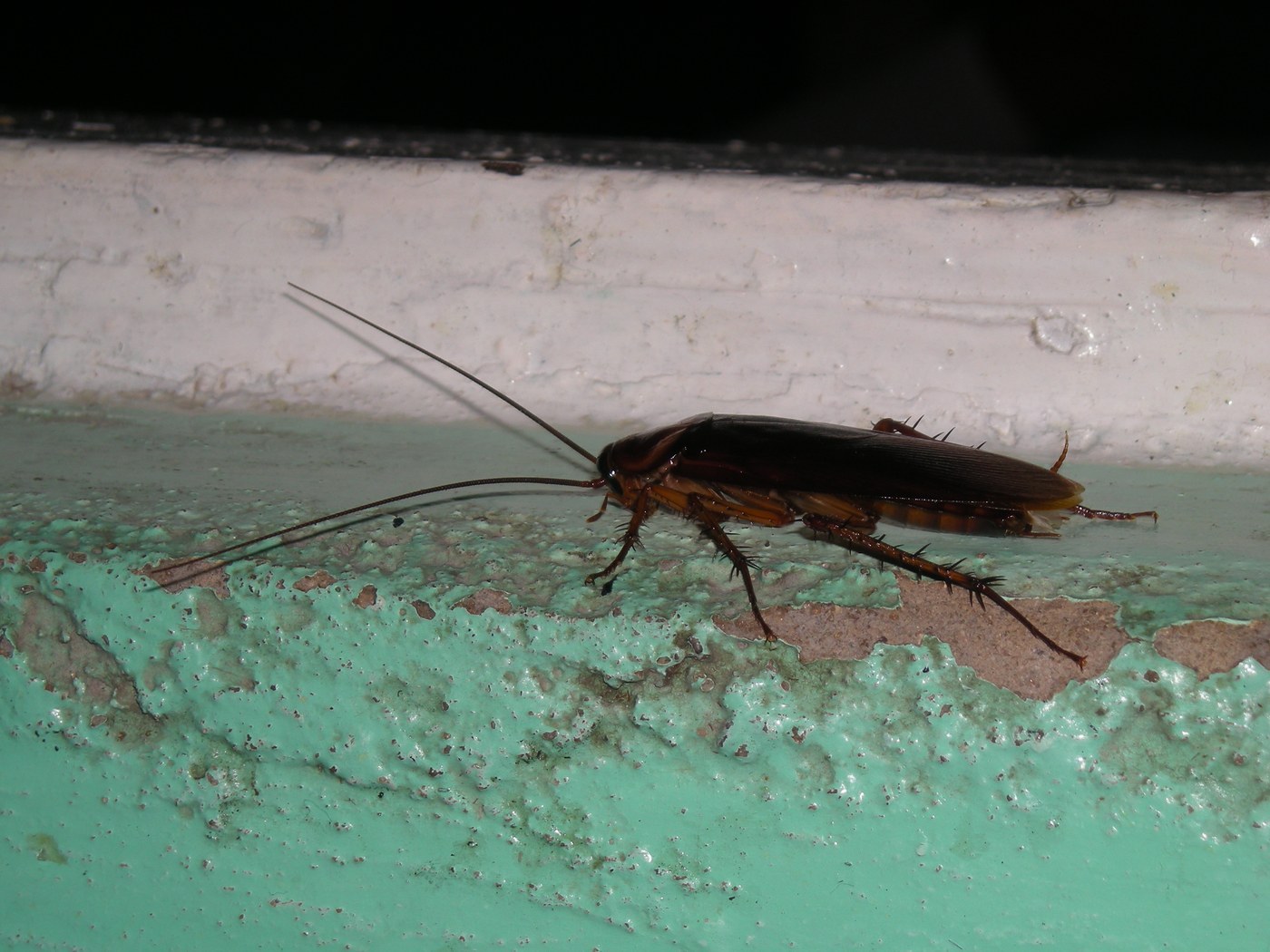
American Cockroach
Warm, humid environments such as basements, sewers, drains, and tropical outdoor settings
Thrips
Flowers, foliage, gardens, greenhouses, crop fields
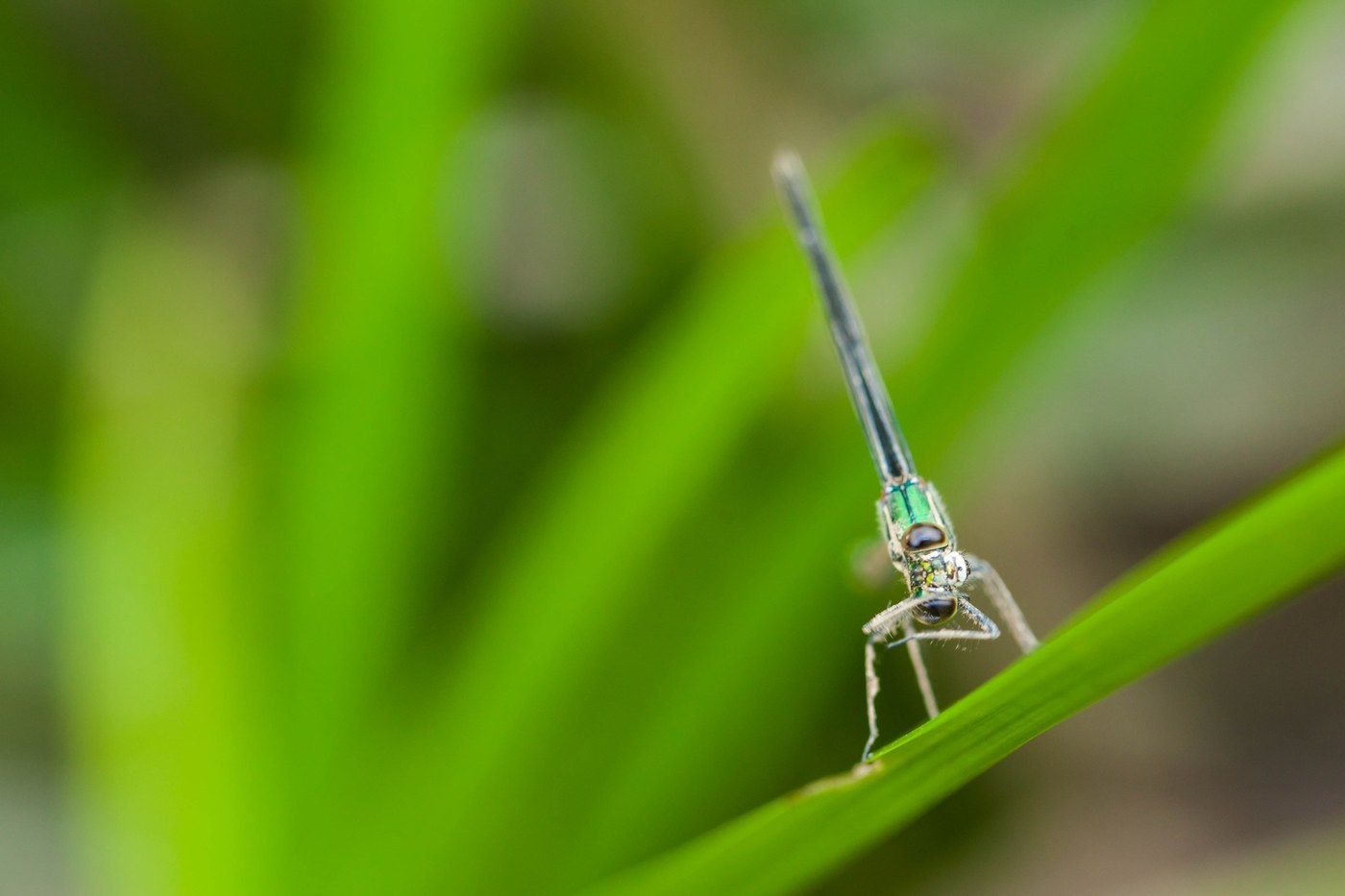
American Rubyspot
Sunny rivers and streams with moderate current
Springtail
Moist soil, leaf litter, decaying organic matter, and damp indoor areas
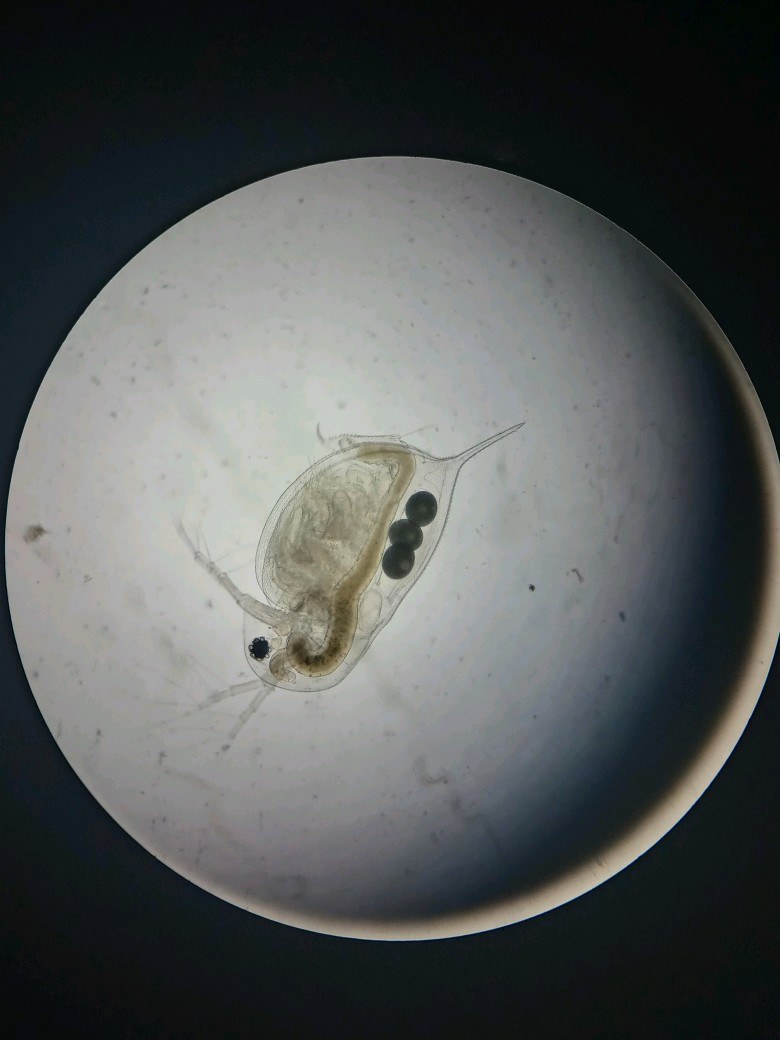
Water Flea
Ponds, lakes, and slow streams as free-floating plankton
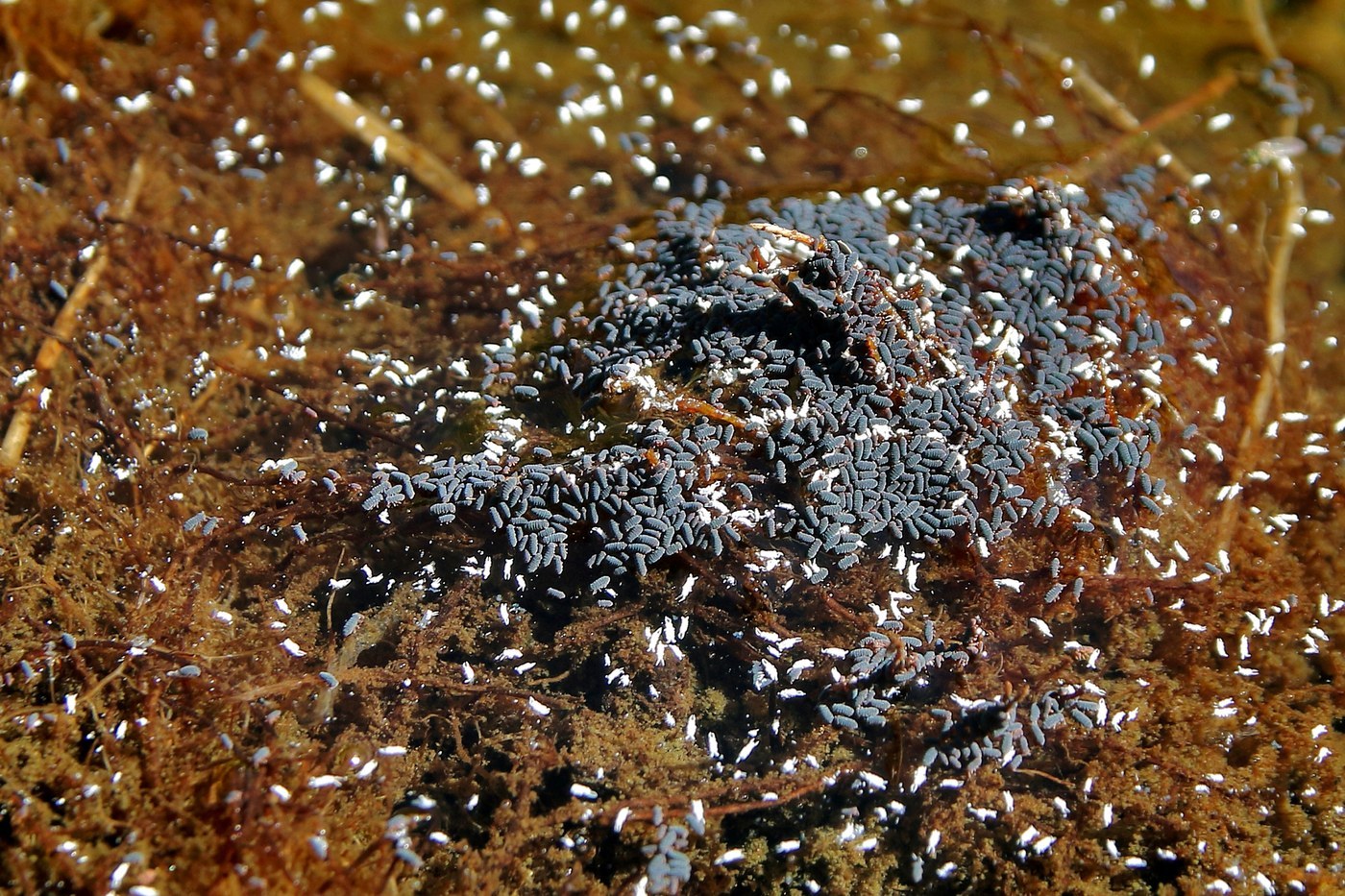
Water Springtail
Surface film of ponds, puddles, and slow ditches
Slug
Gardens, damp soil, leaf litter, greenhouses
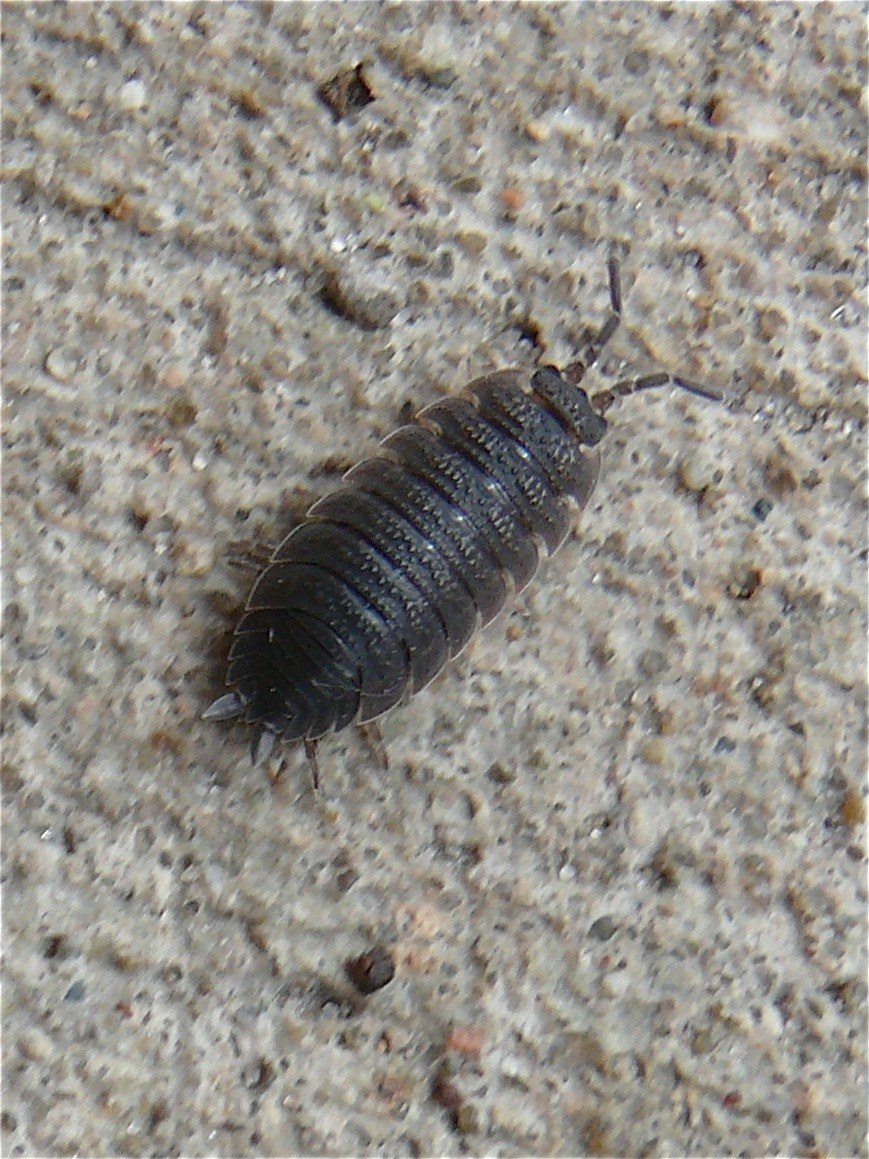
Sowbug
Leaf litter, under rocks/logs, damp garden soil, basements
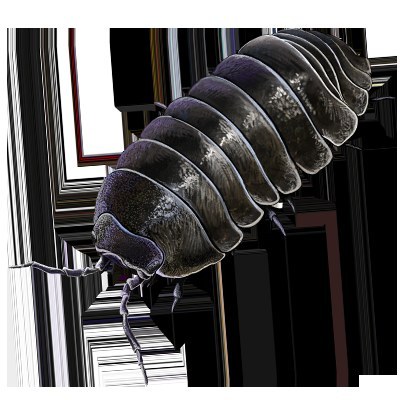
Pill Bug
Damp soil, leaf litter, under rocks and logs, garden beds
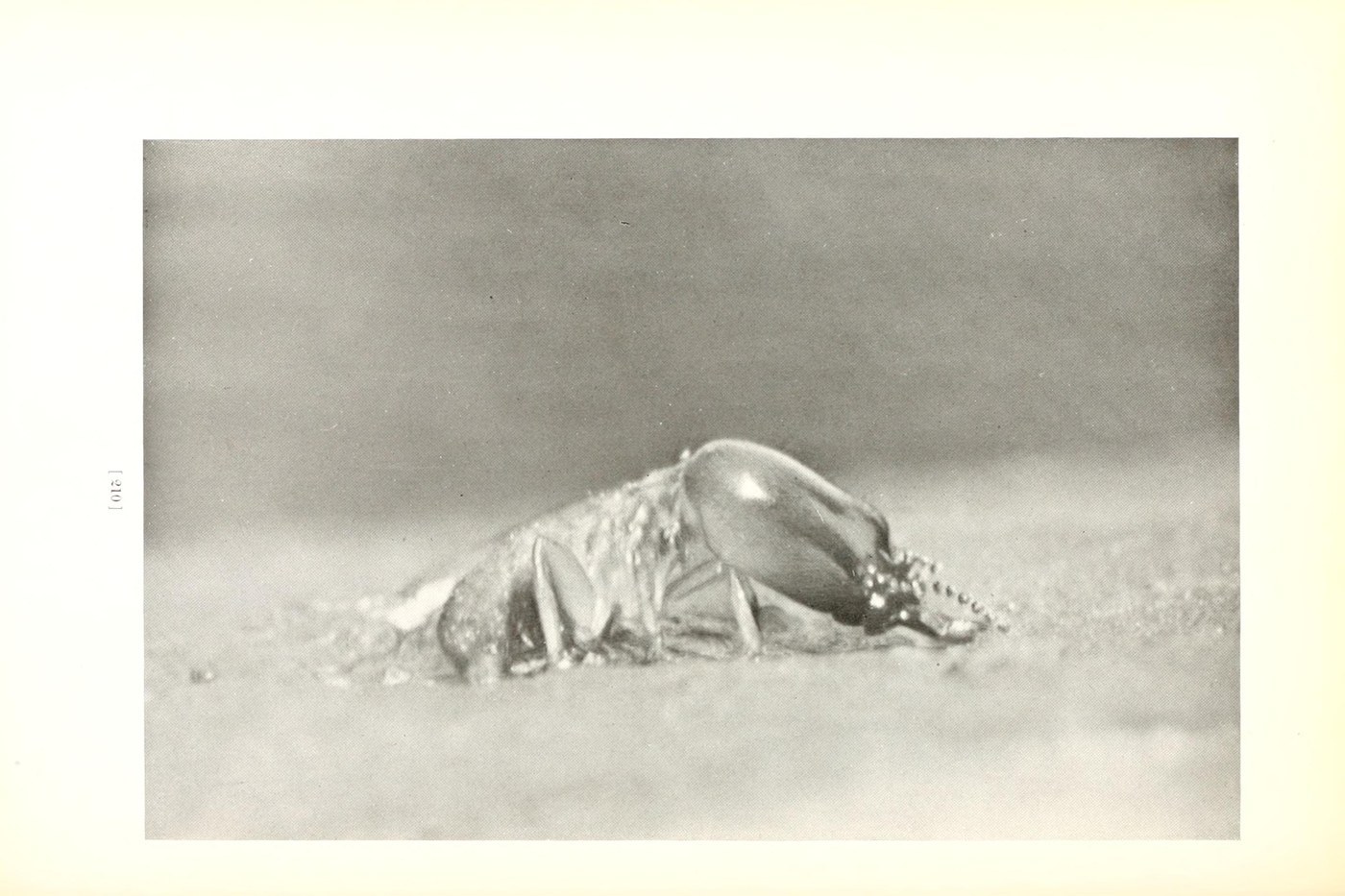
Termite
Soil, decaying wood, tree stumps, and wooden structures
Termite Swarmer
Emerges from underground or wood-nesting colonies, often near structures and moist soil
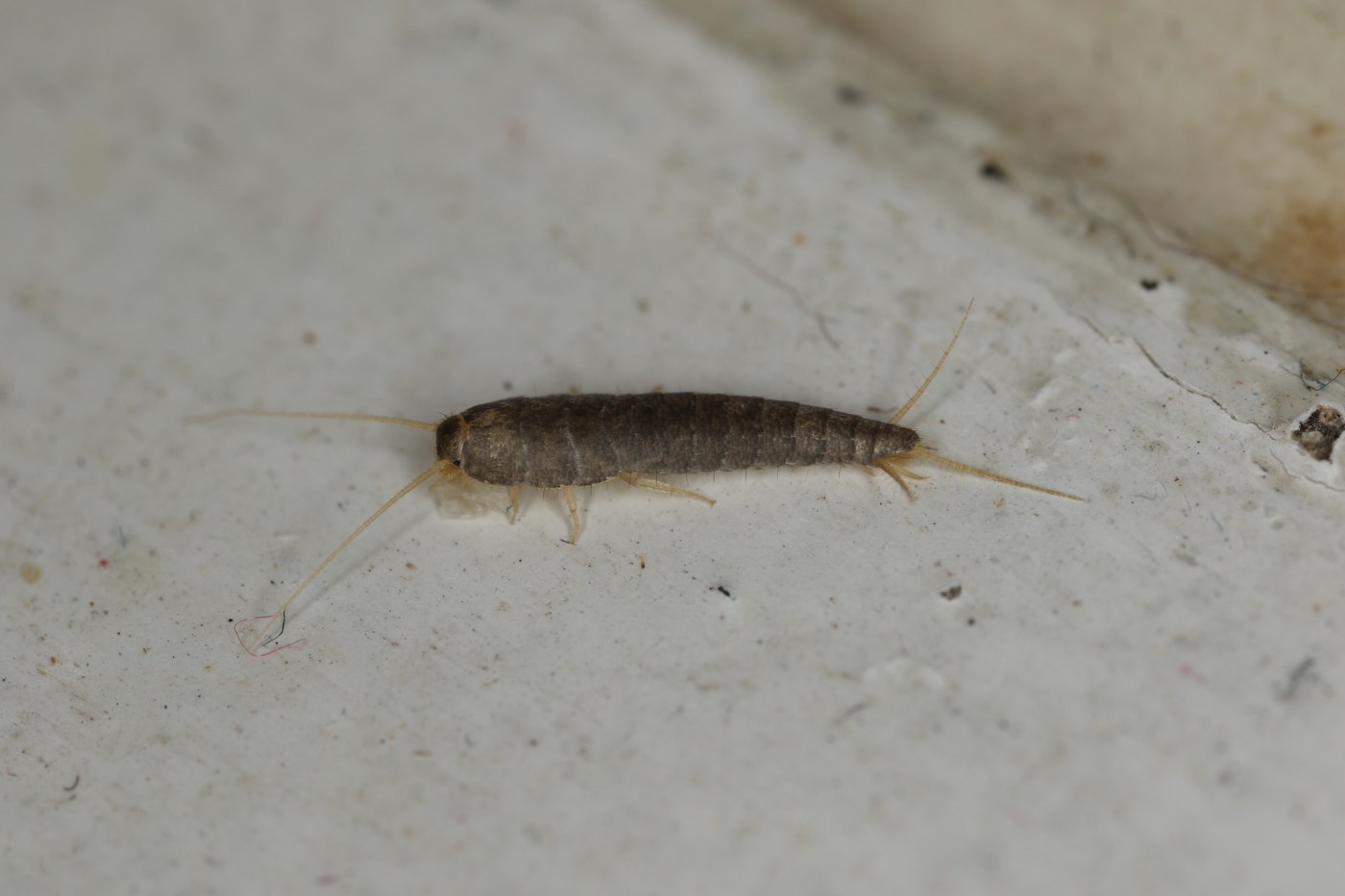
Silverfish
Damp basements, bathrooms, closets, and dark indoor crevices