
Diving Bell Spider Identification Guide
Identify the diving bell spider by its silvery, air-trapping body and the underwater silk dome it lives in.
Read the full Diving Bell Spider encyclopedia entry →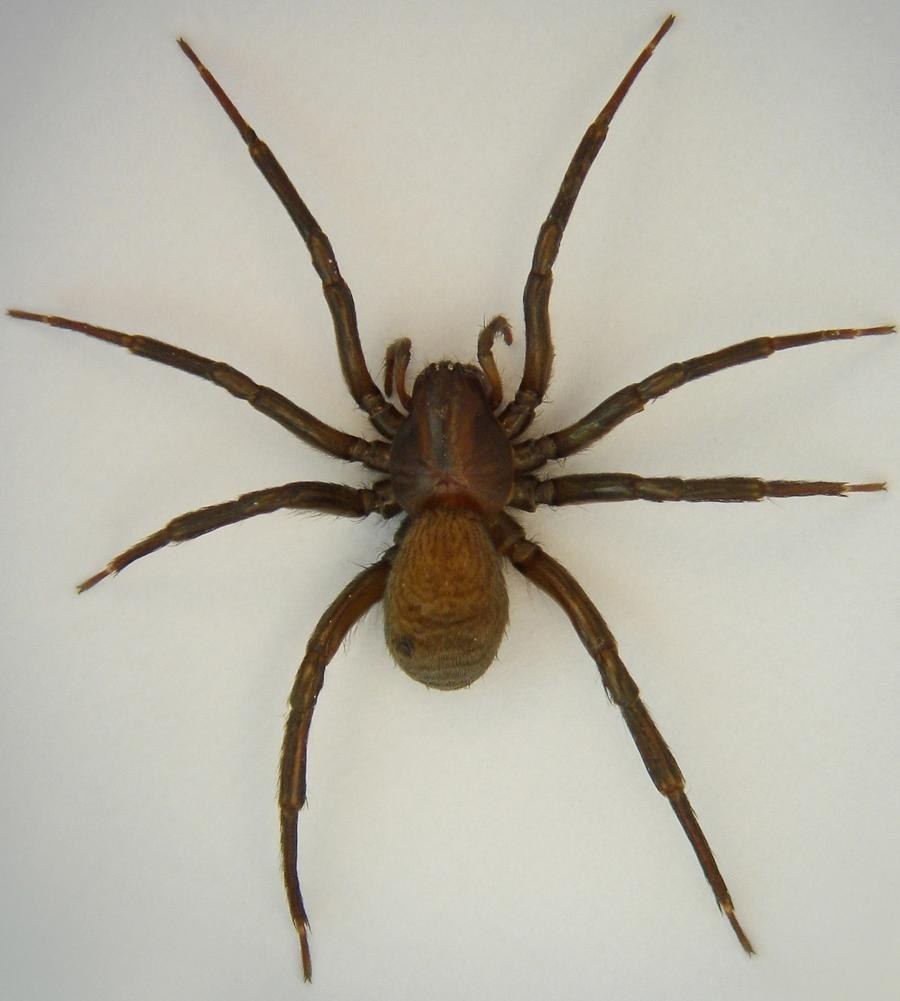
Key Visual Features
The diving bell spider is the only spider known to spend nearly its entire life underwater, and its most recognizable trait is the silvery sheen it carries beneath the surface.
- Size: Body length around 8-15 mm, with males noticeably larger than females.
- Color: Brownish body, but underwater it appears silvery due to a thin layer of air trapped by dense, water-repellent hairs covering the abdomen and legs.
- Body shape: Compact, oval abdomen typical of many web-building spiders, with a proportionally smaller cephalothorax.
- Eyes: Eight eyes clustered at the front of the head, similar in arrangement to related terrestrial spider families.
- Legs: Eight legs, covered in fine hairs that hold the reflective air bubble in place, giving the legs a shiny, mirror-like appearance when submerged.
- Structure: The true identification landmark is its "diving bell" — a dome-shaped web filled with air, anchored to underwater plants, where the spider spends most of its time.
Where and When You'd See It
This spider lives in still or slow-moving freshwater habitats such as ponds, ditches, and slow streams with abundant submerged vegetation. It is most visible when it makes trips to the water's surface to collect air, which it carries down as a bubble held by its hairy abdomen and legs to replenish the air-filled bell. It can be observed year-round in suitable habitats but is easiest to spot during calmer, warmer weather when surface activity increases.
Similar-Looking Bugs
- Fishing spiders and raft spiders: Also associated with water and able to walk on the surface, but they do not build an underwater air-filled web and instead hunt from the surface film or shoreline.
- Other web-building spiders near water: May build webs over or near water but not the distinctive submerged silk dome.
- Water beetles or other aquatic insects: Could be mistaken for a moving silvery shape underwater, but lack the eight legs and spider body plan.
Quick ID Checklist
- Silvery, mirror-like sheen when seen underwater (trapped air layer)
- Dome-shaped silk "bell" anchored to submerged plants, filled with air
- Found in still or slow freshwater with dense underwater vegetation
- Periodic trips to the surface to collect an air bubble
- Brownish body color when out of water, silvery when submerged
Behavior Notes
The spider replenishes the air bell by making repeated trips to the surface, carrying a bubble of air trapped by its hairs down to the web, and spends most of its life, including hunting and reproduction, inside this submerged air chamber.
Frequently asked questions
What is the most distinctive underwater feature of a diving bell spider?
A silvery, mirror-like sheen caused by a thin layer of air trapped against its hairy abdomen and legs, along with the dome-shaped silk bell it builds underwater.
Where would I find a diving bell spider's web?
Anchored to submerged plants in still or slow-moving freshwater such as ponds, ditches, or calm stream sections with plenty of underwater vegetation.
How does the spider get air while living underwater?
It periodically swims to the surface and carries a bubble of air back down on its water-repellent hairs to refill its silk diving bell.
How is this different from a fishing spider seen near water?
Fishing spiders hunt from the water's surface or shoreline and don't build a submerged air-filled web, while the diving bell spider actually lives inside a dome of air below the surface.
Diving Bell Spider identified by the community
Recent Diving Bell Spider finds identified with Bug Identifier.
