
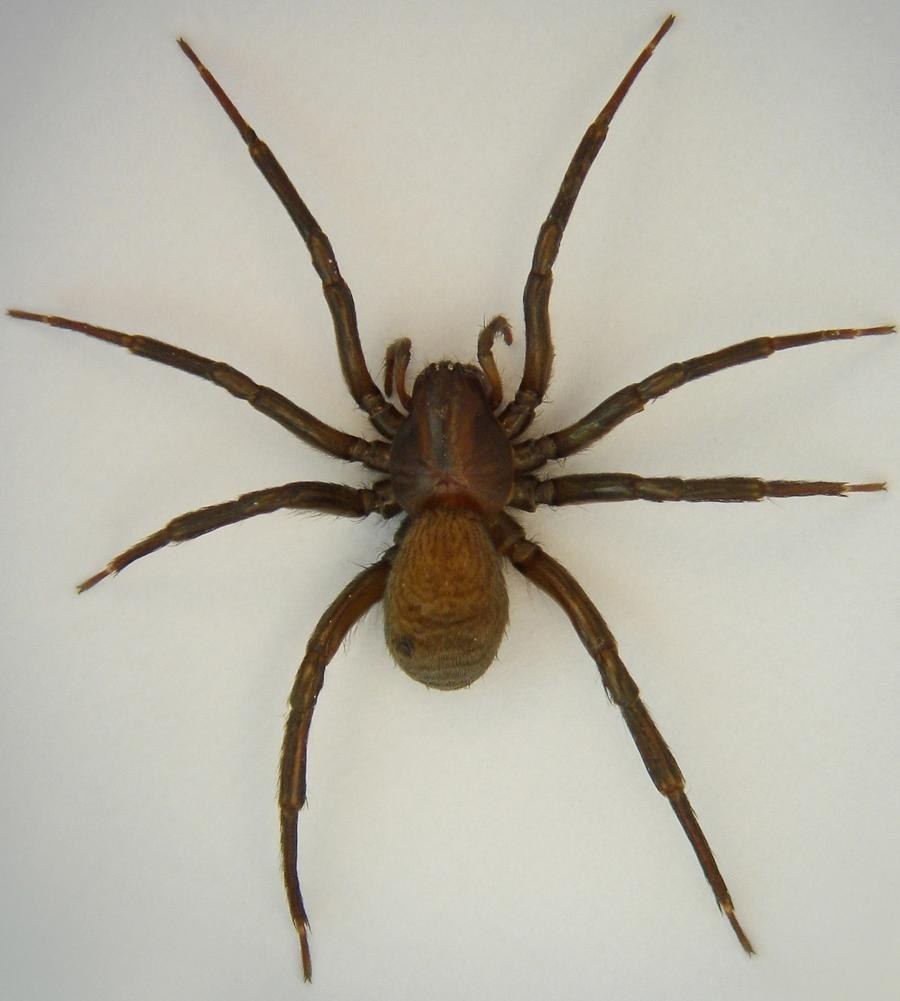
Diving Bell Spider
Argyroneta aquatica
The world's only truly aquatic spider, famous for spinning an underwater silk bell that it fills with air, allowing it to live, hunt, and breed almost entirely submerged.
- Size
- Body length 9-15 mm
- Habitat
- Still or slow-moving freshwater ponds, lakes and ditches
- Danger
- Bites
Spotted a bug like this?
Identify any bug or insect from a photo, free.
Overview
The diving bell spider is unique among the roughly fifty thousand known spider species as the only one that spends virtually its entire life underwater. It achieves this remarkable feat by constructing a dome-shaped silk web anchored to submerged vegetation, which it then fills with air carried down from the surface trapped among the dense hairs on its abdomen and legs, creating a bubble refuge known as a diving bell.
Inside this silk-and-air structure, the spider rests, digests prey, molts, and even mates and lays eggs, essentially recreating a terrestrial-style burrow underwater. The bell also functions as a physical gill of sorts, since dissolved oxygen from the surrounding water diffuses into the trapped air pocket while carbon dioxide diffuses out, allowing the spider to remain submerged for extended periods without constantly resurfacing.
Found across cooler regions of Europe and northern Asia, the diving bell spider inhabits still or slow freshwater bodies with abundant submerged vegetation, upon which it depends both for anchoring its silk bell and for ambushing aquatic prey.
How to Identify
- Body covered in a dense coat of fine water-repellent hairs that trap a silvery layer of air when submerged, giving the abdomen a shiny, bubble-like sheen underwater
- Overall brown coloring, similar to many terrestrial spiders, but recognized by its consistently aquatic setting
- Constructs a distinctive dome-shaped silk bell filled with air, anchored to underwater plants
- Unusually for spiders, males tend to be noticeably larger than females
- Lookalikes are minimal since no other spider shares this fully aquatic, air-bell lifestyle
Habitat & Range
This spider inhabits still or slow-flowing freshwater ponds, lakes, canals, and ditches with abundant submerged and emergent vegetation, primarily across cooler parts of Europe and northern Asia. It requires clean, well-vegetated water bodies that provide both anchor points for its silk bell and a supply of small aquatic prey.
Behavior & Diet
The spider spends most of its time within or near its underwater silk bell, periodically swimming to the surface to collect fresh air, which it carries down trapped in body hairs to replenish the bell. From this refuge it ambushes small aquatic invertebrates and occasionally small fish fry that pass nearby, pulling captured prey back into the bell to feed. Despite its aquatic lifestyle, it breathes air rather than extracting oxygen directly like a fish, making the diving bell an essential physiological adaptation.
Life Cycle
Females construct a separate, larger silk bell for egg-laying, where eggs develop and hatch protected from the water. Spiderlings remain within or near the maternal bell initially before constructing their own smaller air-filled retreats as they grow. Development proceeds through several molts to maturity, and in cooler climates the spider often overwinters within a sealed, air-filled bell to survive the coldest months.
Frequently asked questions
How does the diving bell spider breathe underwater?
It carries air trapped in dense body hairs down from the surface to fill a silk bell, and this trapped air pocket exchanges gases with the surrounding water, allowing the spider to stay submerged for extended periods.
Is it the only spider that lives underwater?
Yes, it is considered the only spider species that spends virtually its entire life submerged in water rather than on land.
What does the diving bell spider eat?
It preys on small aquatic invertebrates and occasionally tiny fish fry that come within range of its underwater silk bell.
Diving Bell Spider guides
In-depth guides for identifying, understanding, and living alongside Diving Bell Spider.
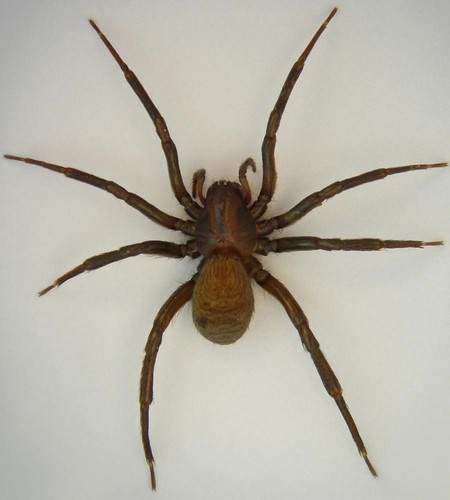
Diving Bell Spider identified by the community
Real finds identified with Bug Identifier.

Other bugs you may enjoy
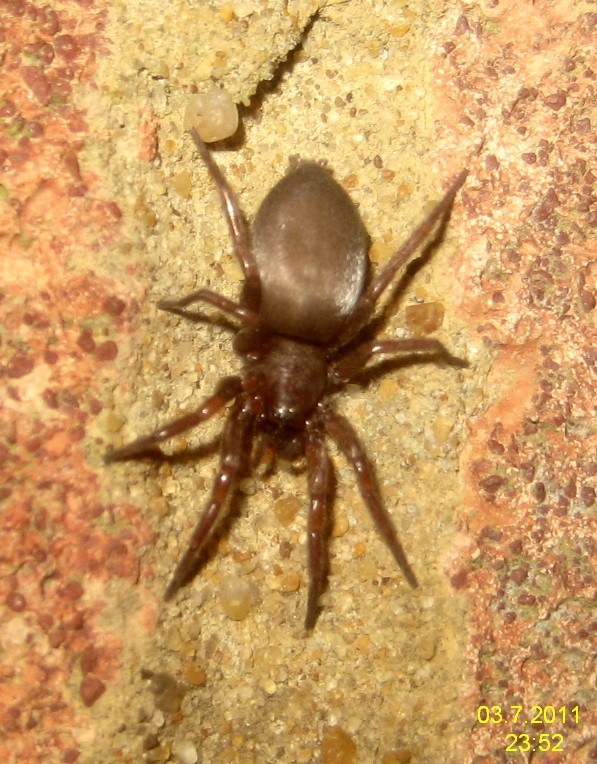
Woodlouse Spider
Damp leaf litter, under logs, stones, and mulch
Wolf Spider
Gardens, grasslands, forests, leaf litter, ground burrows
Wandering Spider
Tropical and subtropical forest floor, foliage, and banana plants
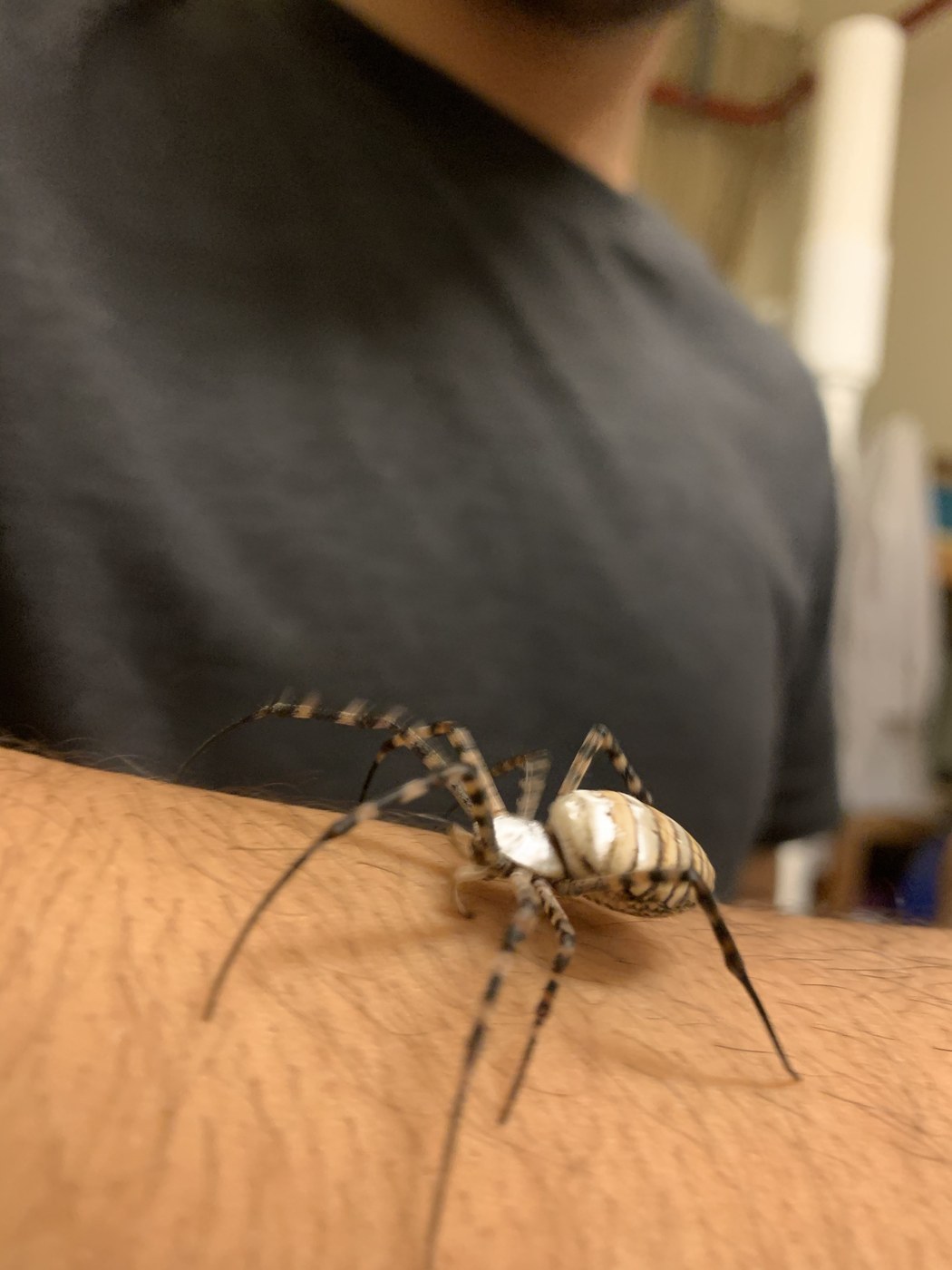
Banded Garden Spider
Tall grass, meadows, and gardens with open sunny vegetation
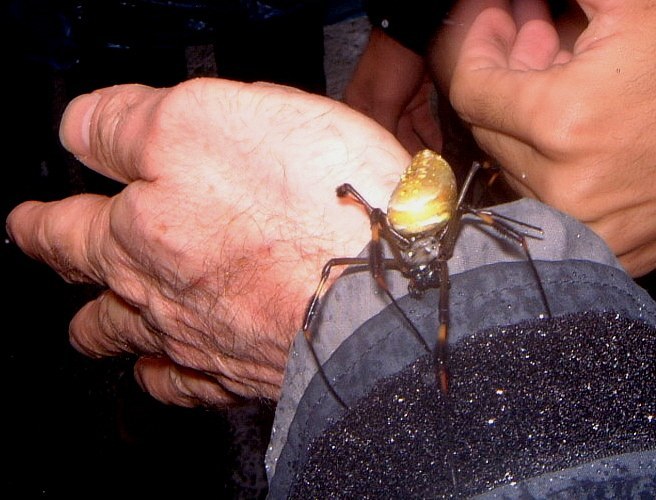
Banana Spider
Wooded trails, forest edges, and gardens across the southeastern U.S. and the American tropics
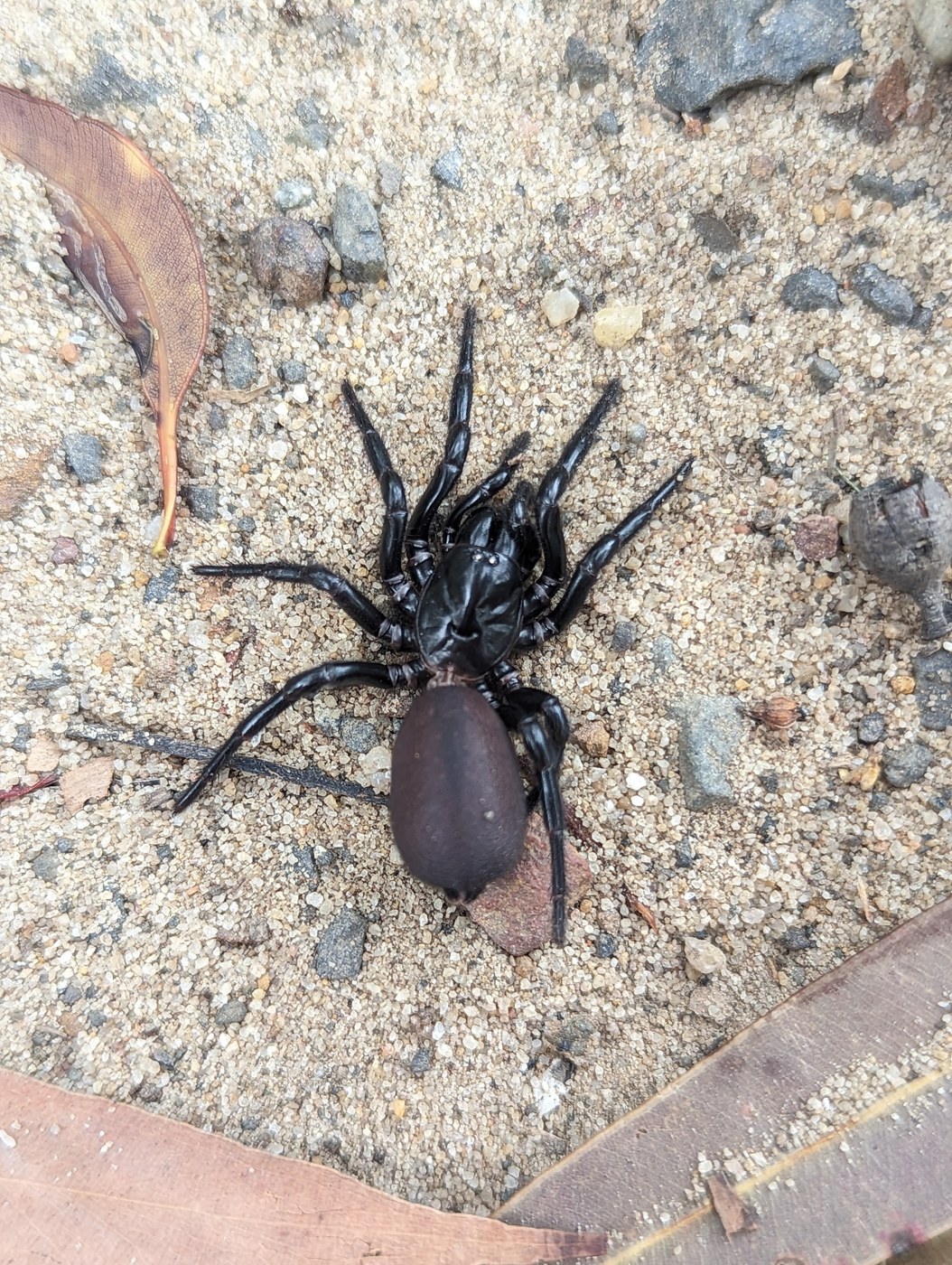
Sydney Funnel-web Spider
Burrows in moist soil, gardens, and forested gullies around the Sydney basin of eastern Australia
Trapdoor Spider
Self-dug silk-lined burrows with a camouflaged door, in dry, well-drained soil worldwide
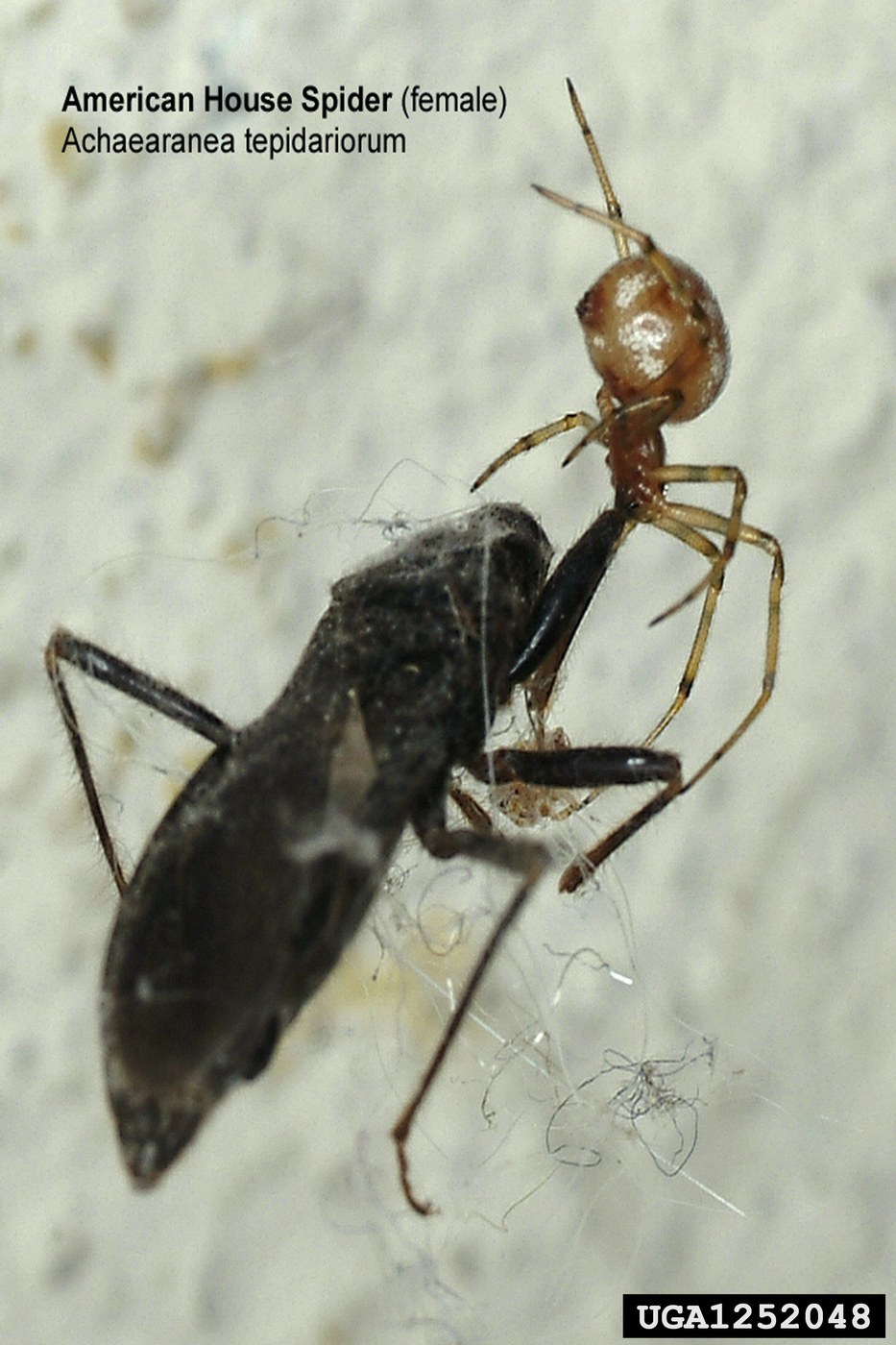
American House Spider
Corners, basements, garages, and outbuildings worldwide
Tube Web Spider
Wall crevices, bark, rockeries, and masonry
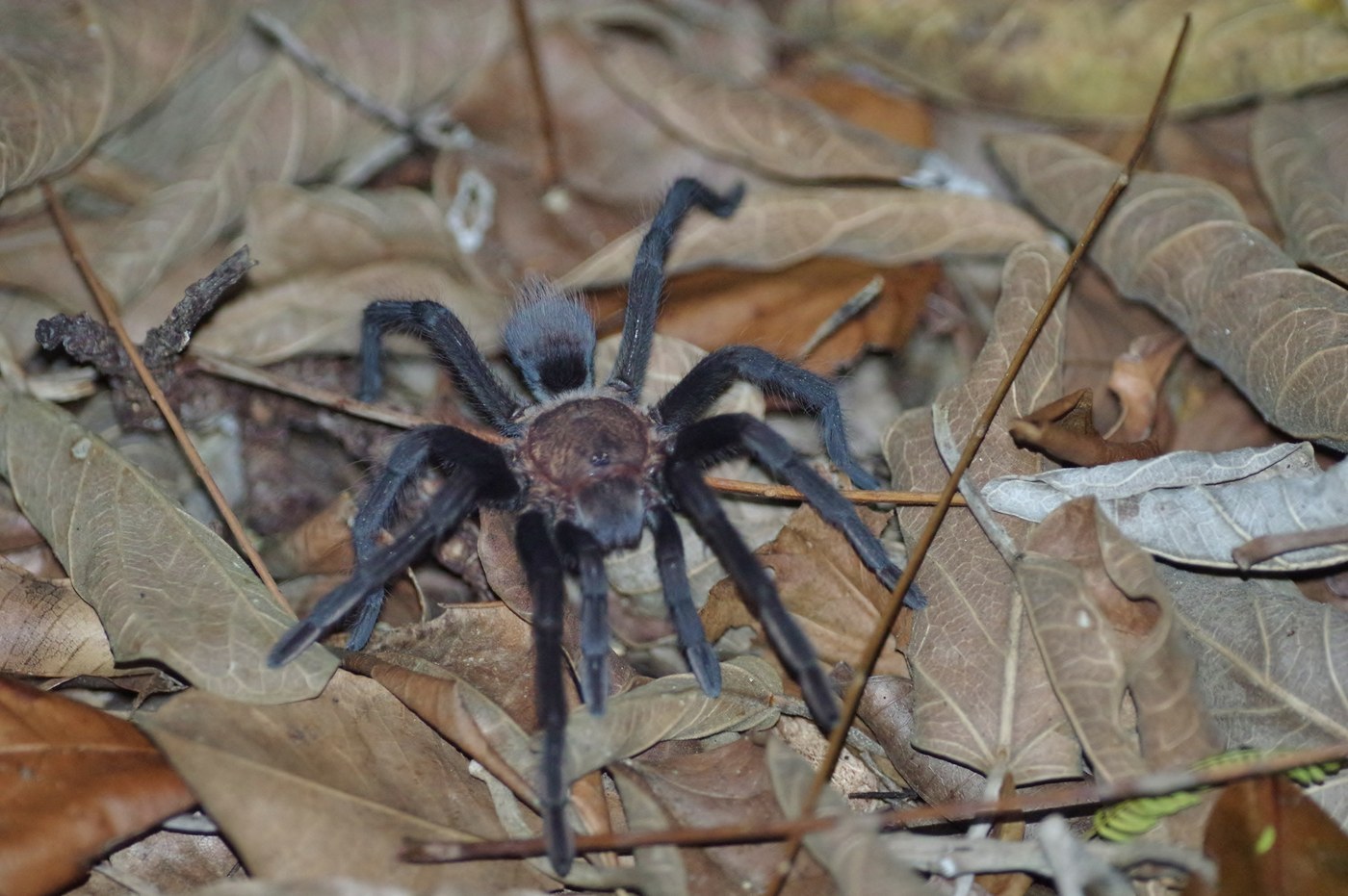
Tarantula
Burrows, rock crevices, and tree hollows in deserts, grasslands, and tropical forests worldwide
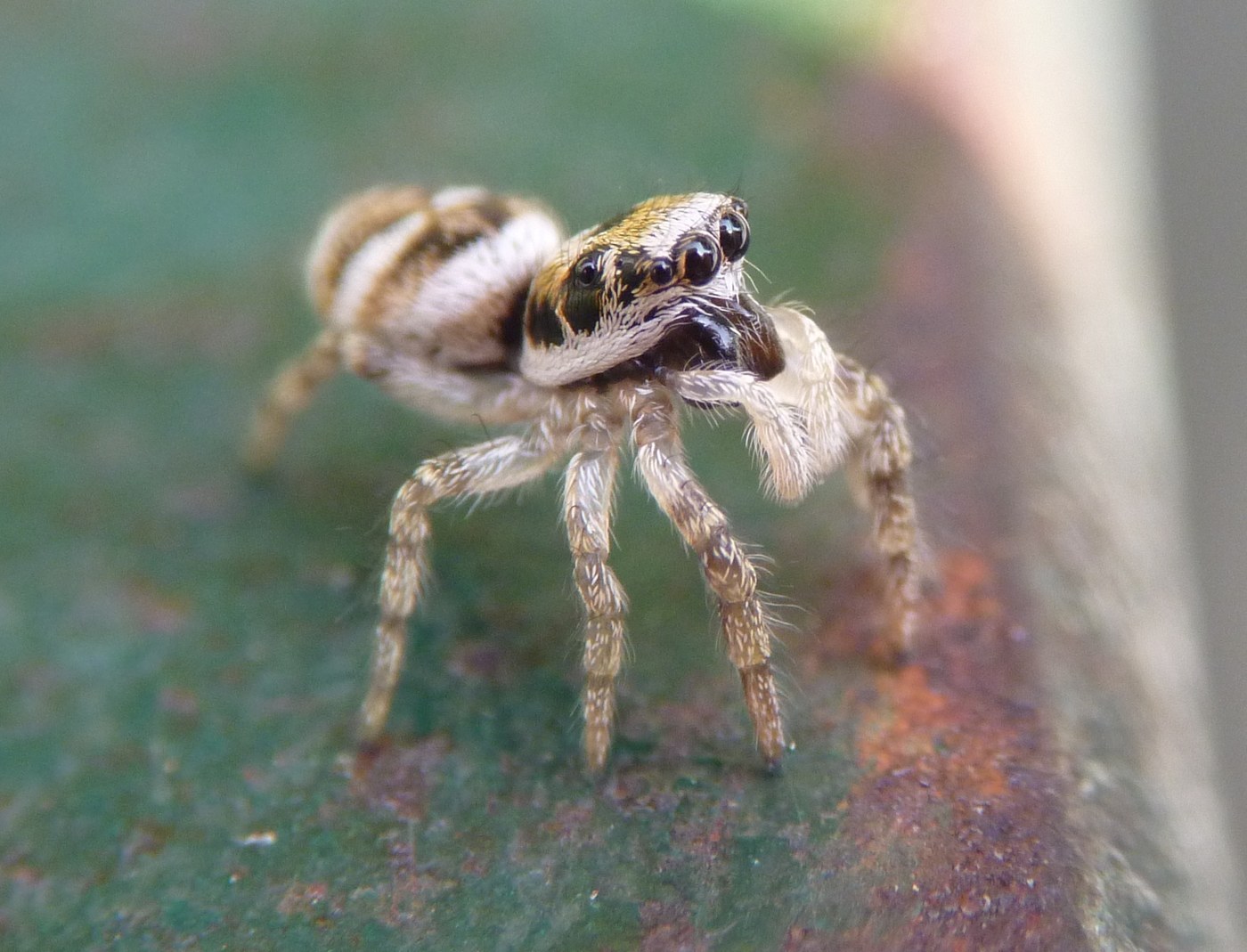
Zebra Jumping Spider
Sunny walls, fences, tree bark, and building exteriors
Wall Spider
Cracks and crevices on exterior and interior walls