Dragonfly Identification Guide
Tell a dragonfly apart from a damselfly by its outstretched wings and touching eyes.
Read the full Dragonfly encyclopedia entry →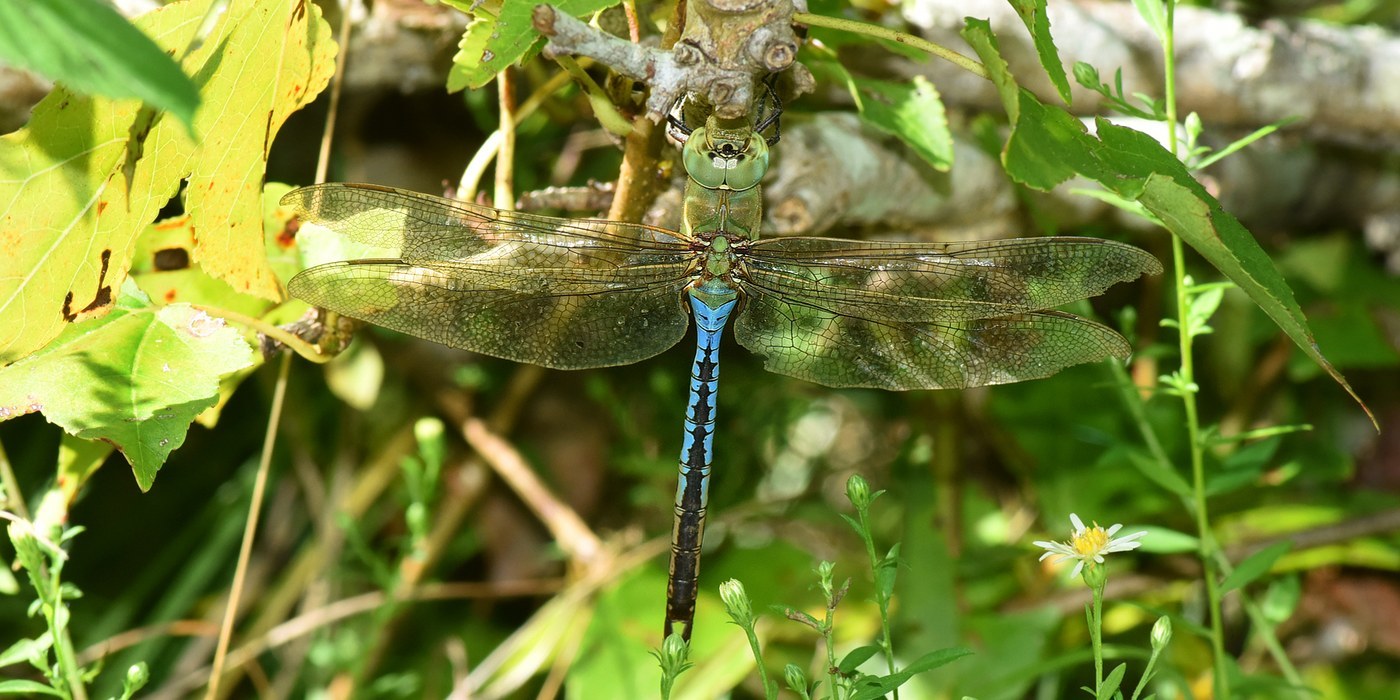
Key Visual Features
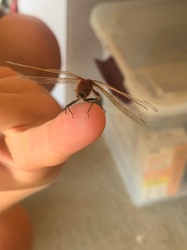
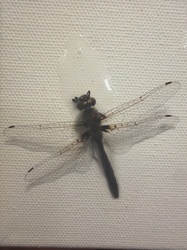
Dragonflies (suborder Anisoptera) are large, strong-flying insects with two pairs of long, transparent wings that are held flat and outstretched, perpendicular to the body, both in flight and at rest—this posture alone is often enough to identify a dragonfly at a glance. The compound eyes are very large and typically touch or nearly touch at the top of the head, giving excellent all-around vision. The abdomen is long, slender, and often brightly colored in blue, red, green, or patterned combinations. The legs are used mainly for perching and snatching prey mid-air rather than for walking. Body length generally ranges from about 1 to 4 inches depending on species.
Where and When You'll See It
Dragonflies are closely tied to water and are most often seen near ponds, lakes, slow streams, and wetlands, where their aquatic larvae (nymphs) develop before emerging as winged adults. Adults are active during the day, patrolling territories over open water or perching on reeds, twigs, and rocks near the shoreline. They're most abundant from late spring through early fall, with peak activity on warm, sunny days.
Similar-Looking Bugs
- Damselflies: The closest relatives and most common source of confusion. Damselflies fold their wings together over or along the abdomen at rest (rather than holding them flat outstretched), have eyes set well apart on the sides of the head, and have a noticeably slimmer, more delicate body with weaker, fluttery flight.
- Mayflies: Also found near water with slim bodies, but their wings are held upright together like a sail at rest, and they have long thread-like tails.
- Antlions (adult form): Superficially similar in silhouette but have clubbed antennae, unlike a dragonfly's short bristle-like antennae.
Quick ID Checklist
- Wings held flat and outstretched at rest, not folded
- Large compound eyes that touch or nearly touch at the top of the head
- Long, often brightly colored slender abdomen
- Strong, fast, direct flight
- Found perching and patrolling near ponds, lakes, and slow streams
Frequently asked questions
What is the fastest way to tell a dragonfly from a damselfly?
Look at the wings at rest: dragonflies hold their wings flat and outstretched, while damselflies fold their wings together over the body.
Why are a dragonfly's eyes so large?
Their oversized compound eyes, which often touch at the top of the head, give them nearly 360-degree vision to track fast-moving prey and rivals in flight.
Where do dragonflies spend the early part of their life?
They begin as aquatic nymphs living underwater in ponds, lakes, or streams before emerging and transforming into the familiar winged adult.
When is the best time of year to see dragonflies?
They are most abundant and active from late spring through early fall, especially on warm, sunny days near water.
Dragonfly identified by the community
Recent Dragonfly finds identified with Bug Identifier.