Eastern Subterranean Termite Identification Guide
Identify eastern subterranean termites by their caste differences, mud tubes, and dark swarmer wings.
Read the full Eastern Subterranean Termite encyclopedia entry →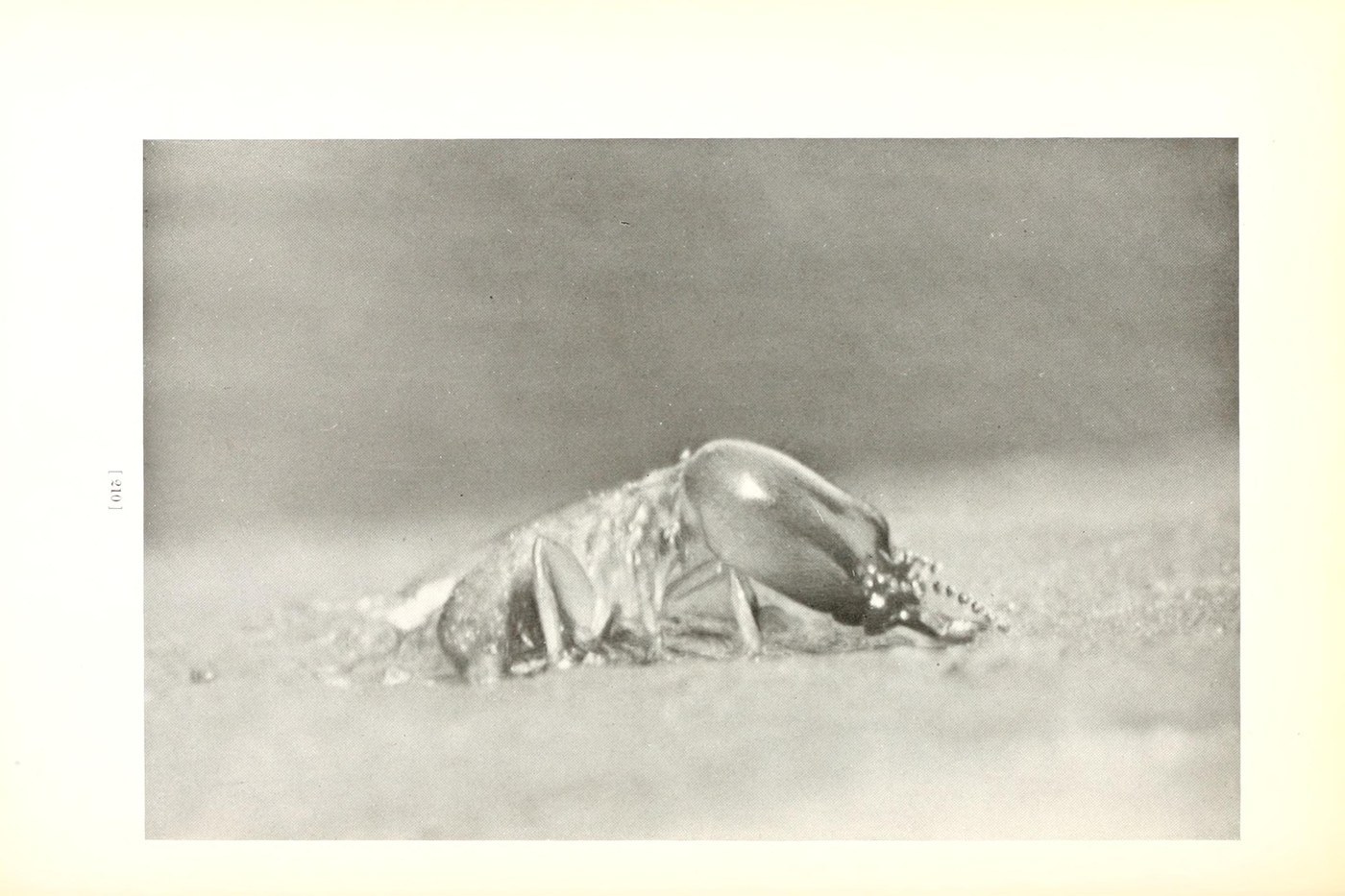
Key Visual Features
The eastern subterranean termite (Reticulitermes flavipes) is one of the most widespread termite species, identified largely by its distinct castes.
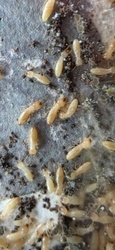
- Workers: small, soft-bodied, and creamy white to grayish-white, about 1/8 inch long, with no wings and no visible eyes.
- Soldiers: similar pale coloring to workers but with an enlarged, rectangular, yellowish-brown head and large dark mandibles used for defense of the colony.
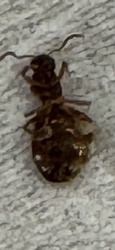
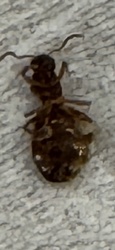
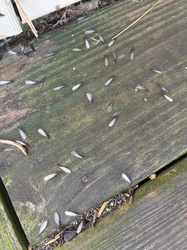
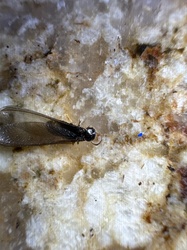
- Swarmers (alates): dark brown to black body with two pairs of translucent, equal-length wings that extend well past the body; roughly 3/8 inch long including wings.
- Body shape: straight-sided, broad waist without the pinched "wasp waist" seen in ants, which is a key trait separating termites from flying ants.
- Antennae: straight, bead-like (moniliform) antennae rather than the elbowed antennae of ants.
Where and When You'd See It
- Colonies live underground and build pencil-width mud tubes across foundations, slabs, and other surfaces to travel between soil and wood while staying protected from open air.
- Swarmers emerge in large numbers during warm weather, often on humid days following rain in spring.
- Workers and soldiers are rarely seen unless wood or mud tubes are broken open.
- Found across a wide range in wooded and urban areas, wherever soil contact with wood or structures occurs.
Similar-Looking Bugs
- Flying ants: have a pinched waist, elbowed antennae, and unequal-length wings (front pair longer than back pair), unlike the straight waist and equal wings of termite swarmers.
- Formosan subterranean termite swarmers: similar in general form but typically pale yellow-brown rather than dark brown to black, and swarm at dusk rather than daytime.
- Drywood termite swarmers: generally larger with more robust bodies and do not require soil contact or mud tubes.
Quick ID Checklist
- Workers creamy white, soft-bodied, no wings
- Soldiers with rectangular yellow-brown heads and dark mandibles
- Swarmers dark brown to black with two equal-length wing pairs
- Straight bead-like antennae and no pinched waist
- Mud tubes present on foundations or wood surfaces
Frequently asked questions
How do I tell eastern subterranean termite swarmers from flying ants?
Termite swarmers have a straight waist, straight bead-like antennae, and two pairs of equal-length wings, while flying ants have a pinched waist, elbowed antennae, and unequal wing lengths.
What do eastern subterranean termite mud tubes look like?
They are narrow, pencil-width tunnels made of soil and debris that run across foundations or other surfaces connecting soil to wood.
What color are eastern subterranean termite workers?
They are creamy white to grayish-white and soft-bodied, without wings.
When do eastern subterranean termite swarmers typically appear?
They emerge in large numbers during warm weather, often on humid days in spring following rain.
Eastern Subterranean Termite identified by the community
Recent Eastern Subterranean Termite finds identified with Bug Identifier.