
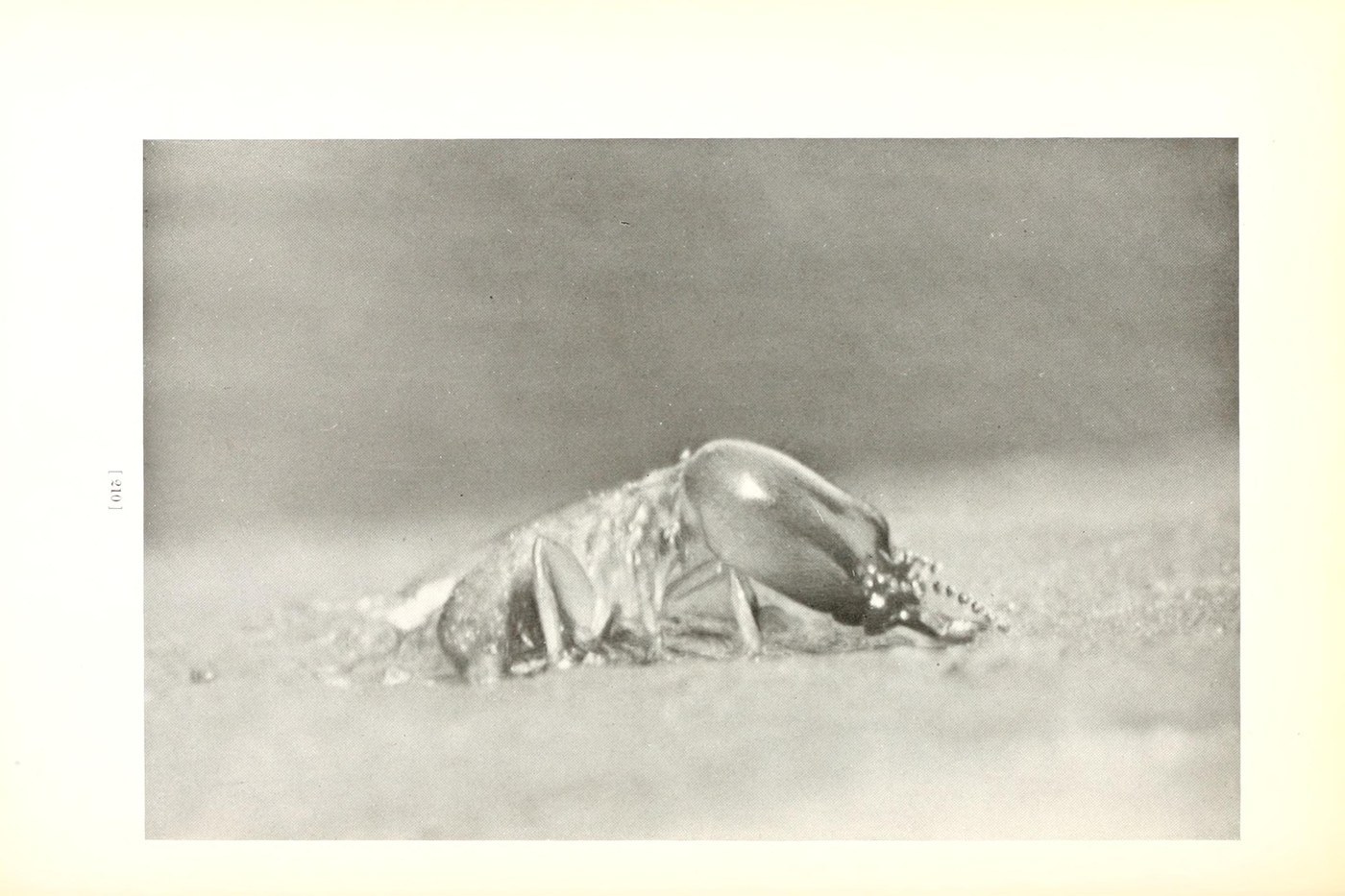
Eastern Subterranean Termite
Reticulitermes flavipes
A pale, soft-bodied social insect that lives in vast underground colonies and builds mud tubes to reach and feed on wood cellulose, including structural timber.
- Size
- Workers 0.25-0.5 in (6-13 mm); swarmers to 0.5 in with wings
- Habitat
- Soil-associated colonies in wood, forests, and structures
- Danger
- Nuisance pest
Spotted a bug like this?
Identify any bug or insect from a photo, free.
Overview
The eastern subterranean termite is the most widely distributed and economically significant termite species in North America, ranging across the eastern and central United States and into southern Canada. It lives in large, underground colonies that can contain hundreds of thousands of individuals organized into castes, including workers, soldiers, and reproductives, all working cooperatively to gather cellulose-rich food and maintain the colony.
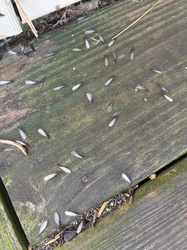
Because colonies remain hidden below ground or within wood and rely on constant contact with soil moisture, eastern subterranean termites are rarely seen directly except during their springtime dispersal flights, when winged reproductives (alates) emerge in swarms to found new colonies, or when their distinctive mud shelter tubes are found on foundations and structural wood.
How to Identify
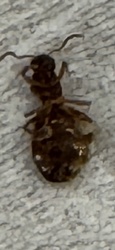
- Workers are small, soft-bodied, pale cream to whitish insects roughly 0.25 to 0.5 inch (6-13 mm) long, with no wings and no obvious waist constriction
- Soldiers have enlarged, rectangular, yellow-brown heads with large dark mandibles used for defense
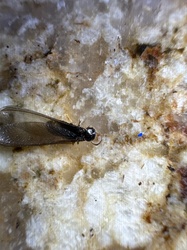
- Winged reproductives (swarmers) are dark brown to black with two pairs of equal-length, translucent wings extending well past the body
- Straight, bead-like (moniliform) antennae distinguish termites from ants, which have elbowed antennae
- Termites lack the narrow "wasp waist" seen in ants, instead showing a broad connection between thorax and abdomen
- Distinctive earthen (mud) shelter tubes are often found running along foundations, piers, or walls, connecting soil to wood
Habitat & Range
This species lives in subterranean colonies in moist soil, from which foraging tubes extend to reach wood in forests, dead trees, stumps, and human structures. It is found throughout the eastern and central United States and into parts of southern Canada, thriving in a wide range of soil and climate conditions as long as adequate moisture is available. Colonies remain active year-round underground, while above-ground swarming activity is concentrated in spring, particularly on warm, humid days following rain.
Behavior & Diet
Eastern subterranean termites are highly social insects that feed on cellulose from wood, dead plant material, and other plant-derived debris, digesting it with the help of symbiotic protozoa and bacteria in their gut. Colonies build networks of underground tunnels and, when foraging above the soil line, construct protective mud tubes to maintain moisture and shelter while reaching wood sources, including structural timber in buildings. Within the colony, sterile worker termites gather food and maintain the nest, soldiers defend against invaders such as ants, and reproductive castes are responsible for founding new colonies. In natural ecosystems, subterranean termites are important decomposers that recycle dead wood and plant material back into the soil, even though their wood-feeding habits make them a recognized structural pest when they encounter buildings.
Life Cycle
Colonies begin when a mated pair of winged reproductives, called alates, land after a springtime swarming flight, shed their wings, and excavate a small starting chamber in soil or wood. The founding pair produces eggs that develop into the first generation of workers, which then take over foraging and colony maintenance; the queen and king continue producing eggs, with the queen's reproductive output increasing over years. Termites undergo gradual (incomplete) metamorphosis, with nymphs resembling small workers that can develop into workers, soldiers, or future reproductives depending on colony needs. Mature colonies can persist for many years and, once established, periodically release large numbers of winged alates each spring to found new colonies elsewhere.
Frequently asked questions
How can I tell a termite swarmer from a flying ant?
Termite swarmers have straight, bead-like antennae, a thick waist with no narrow constriction, and two pairs of wings of equal length, whereas flying ants have elbowed antennae, a pinched waist, and unequal-length wings.
Why do eastern subterranean termites build mud tubes?
The tubes protect foraging termites from drying out and from predators as they travel between the soil, where they need moisture, and above-ground wood sources they feed on.
When do eastern subterranean termites swarm?
Swarming typically occurs in spring, often on warm days following rain, when winged reproductives leave the colony to mate and start new colonies.
What role do castes play in a termite colony?
Workers forage and maintain the nest, soldiers defend the colony with their enlarged mandibles, and reproductive castes, including the king and queen, are responsible for producing new individuals and founding new colonies.
Eastern Subterranean Termite guides
In-depth guides for identifying, understanding, and living alongside Eastern Subterranean Termite.
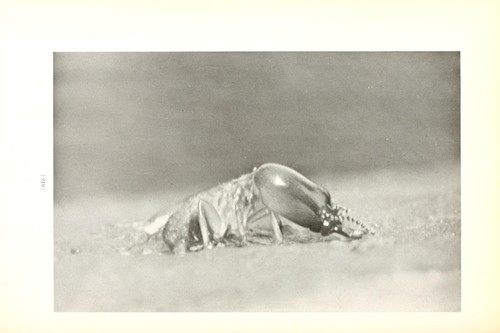
Eastern Subterranean Termite identified by the community
Real finds identified with Bug Identifier.
Other bugs you may enjoy
American Cockroach
Warm, humid environments such as basements, sewers, drains, and tropical outdoor settings
Thrips
Flowers, foliage, gardens, greenhouses, crop fields
American Rubyspot
Sunny rivers and streams with moderate current
Springtail
Moist soil, leaf litter, decaying organic matter, and damp indoor areas
Water Flea
Ponds, lakes, and slow streams as free-floating plankton
Water Springtail
Surface film of ponds, puddles, and slow ditches
Slug
Gardens, damp soil, leaf litter, greenhouses
Sowbug
Leaf litter, under rocks/logs, damp garden soil, basements
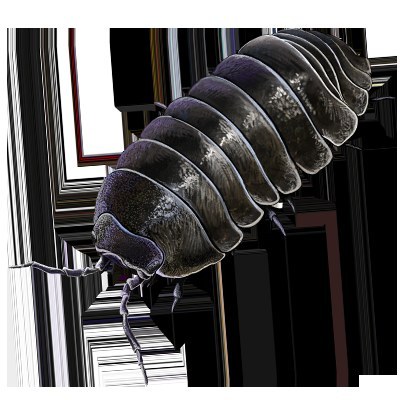
Pill Bug
Damp soil, leaf litter, under rocks and logs, garden beds
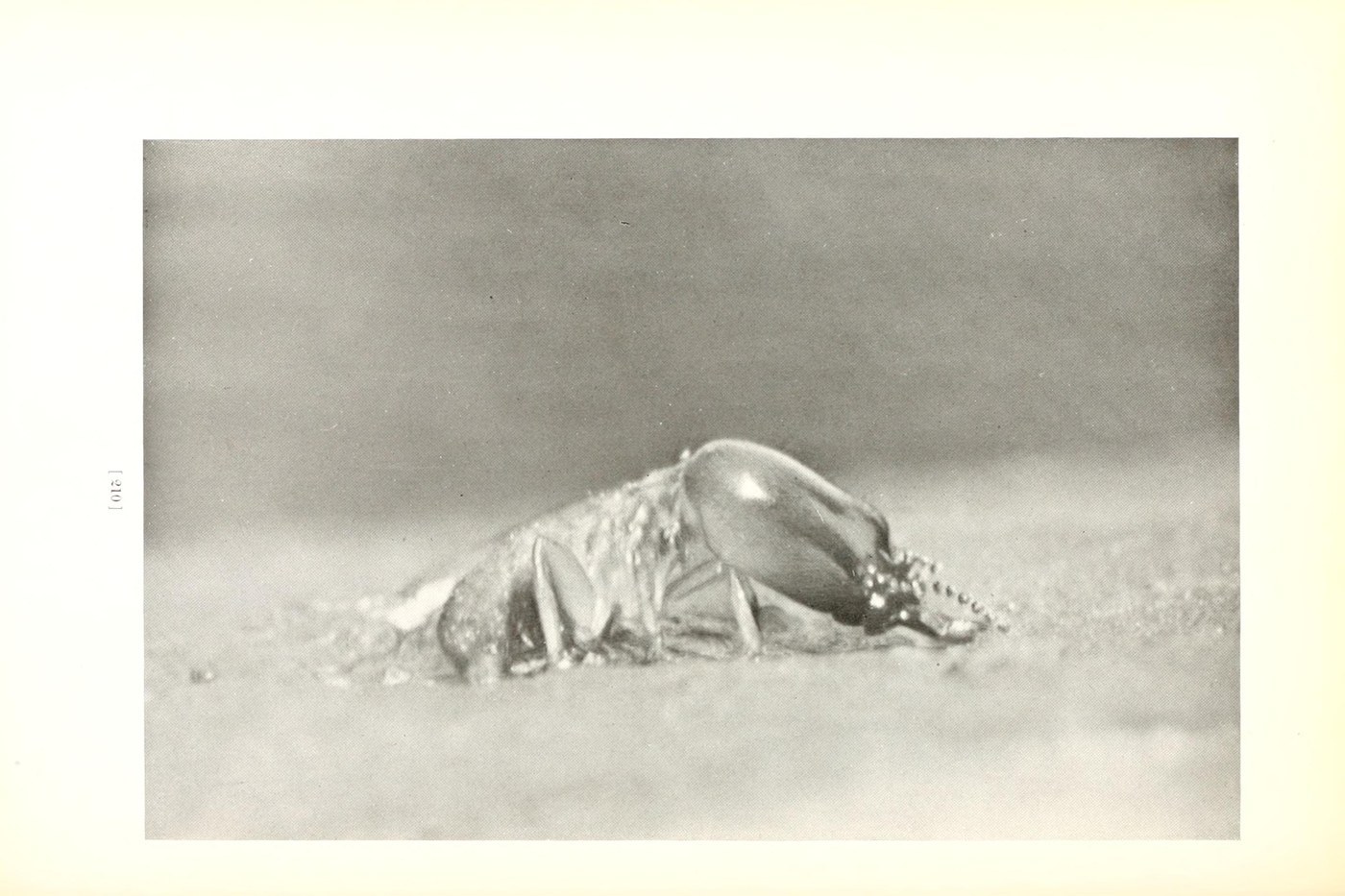
Termite
Soil, decaying wood, tree stumps, and wooden structures
Termite Swarmer
Emerges from underground or wood-nesting colonies, often near structures and moist soil
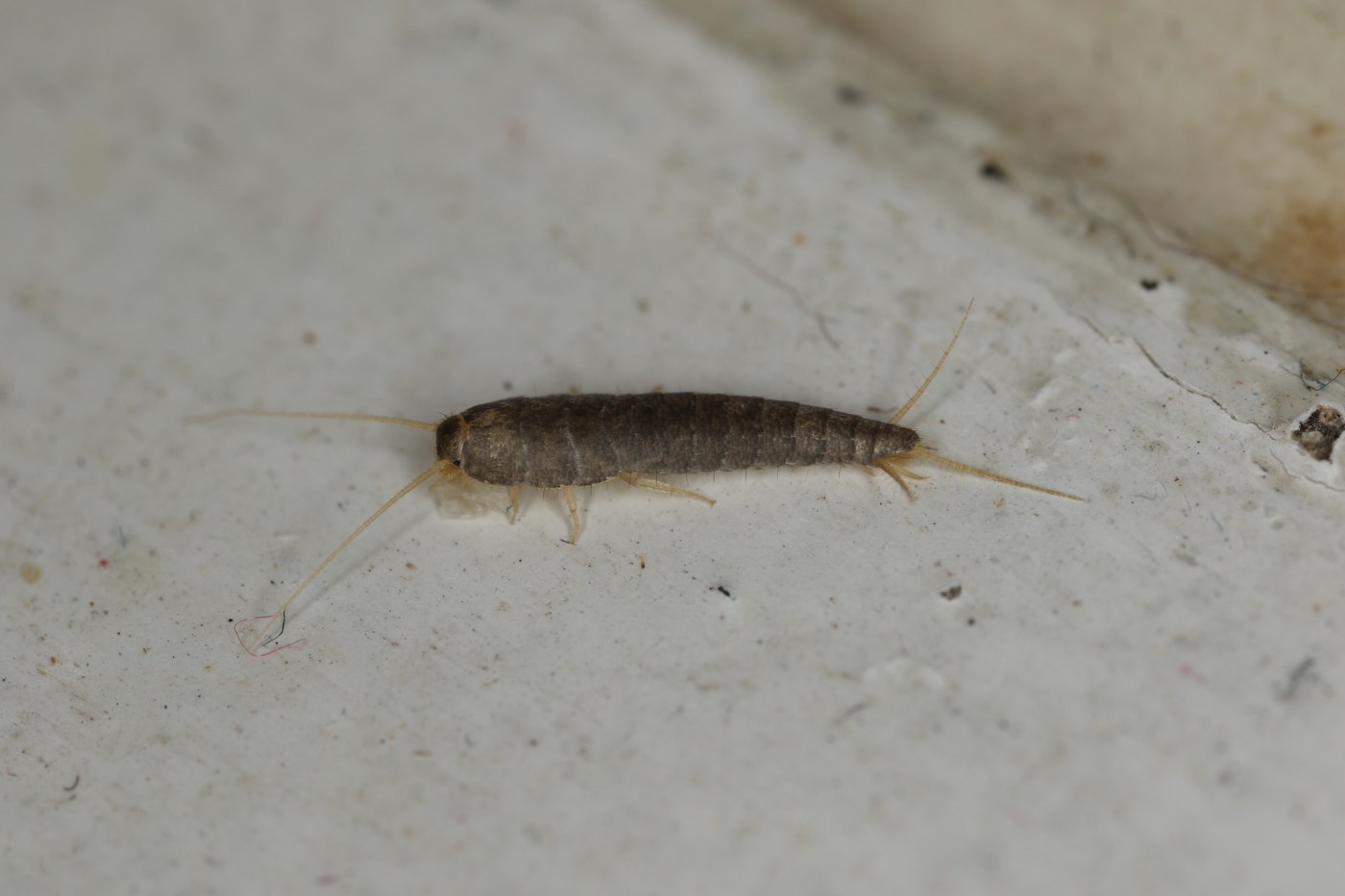
Silverfish
Damp basements, bathrooms, closets, and dark indoor crevices