Jewel Beetle Identification Guide
Learn to spot jewel beetles by their brilliant metallic sheen and sleek, torpedo-shaped body.
Read the full Jewel Beetle encyclopedia entry →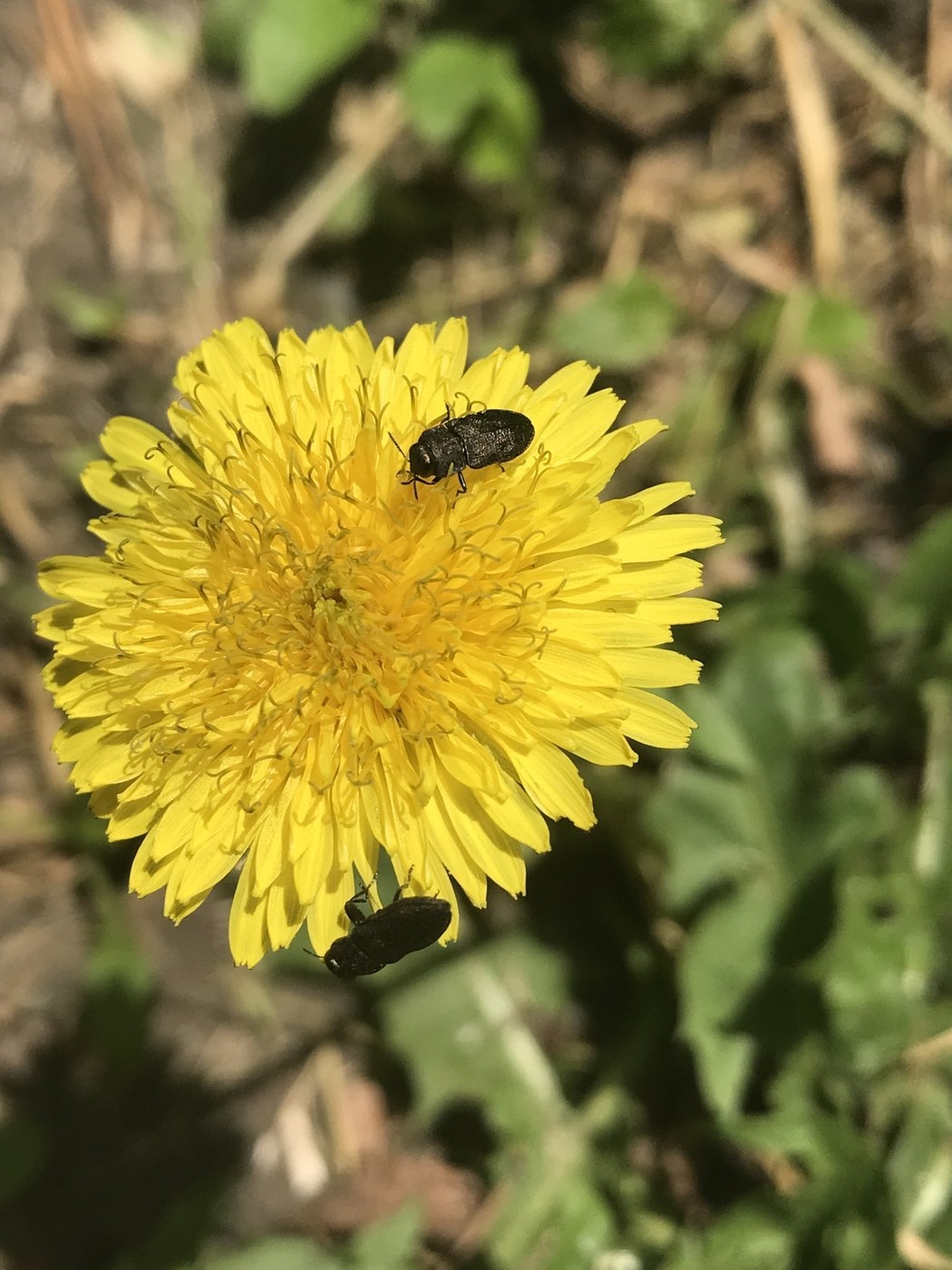
Key Visual Features
Jewel beetles (family Buprestidae) are prized for their brilliant, gem-like appearance:
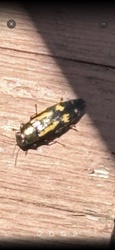
- Coloring: A hard, glossy shell in vivid metallic colors, commonly green, blue, copper, red, or gold, often with an iridescent shimmer that shifts with the light.
- Body shape: A distinctive elongated, tapered, torpedo- or bullet-shaped body that narrows at both the head and the rear tip, giving it a sleek, streamlined outline.
- Size: Varies widely by species, from under half an inch to a few inches long, though most commonly seen species are small to medium sized.
- Antennae: Short, saw-toothed (serrate) antennae that lie close to the head.
- Underside: Often flattened and equally metallic or coppery in color.
Where and When You'll See One
Jewel beetles are found worldwide, especially in warm, sunny climates. Adults are diurnal and are most often seen basking on sun-exposed foliage, flowers, or the bark of trees, particularly stressed, dying, or recently cut wood, during the warmer months. They tend to fly quickly and directly, darting off if disturbed, and are strongly drawn to bright sunlight.
Similar-Looking Bugs
- Jewel scarabs: Also brightly metallic, but have a more rounded, domed body shape typical of scarab beetles, unlike the jewel beetle's elongated, tapered torpedo shape.
- Tiger beetles: Can show a metallic sheen and are also fast fliers, but have a longer, flatter body with prominent visible mandibles and long legs, differing from the jewel beetle's smooth, tapered profile.
- Metallic wood-boring beetles: Actually part of the same family as jewel beetles, sharing the tapered shape and metallic colors; species associated closely with tree bark and boring activity are often referred to by this name specifically.
Behavior Notes
Jewel beetles are strong, sun-loving fliers that spend much of their active time perched in direct sunlight, periodically taking short, rapid flights between basking spots. Because their coloring depends partly on light-reflecting structures rather than pigment alone, the same beetle can look noticeably different in color depending on whether it is viewed in full sun or shade.
Quick ID Checklist
- Vivid metallic, iridescent coloring (green, blue, copper, gold, red)
- Elongated, tapered, torpedo- or bullet-shaped body
- Short, saw-toothed antennae
- Found basking on sunny foliage, flowers, or bark
- Fast, direct flight when disturbed
Frequently asked questions
What is the easiest way to recognize a jewel beetle?
Look for its bright, iridescent metallic coloring combined with a sleek, elongated body that tapers at both ends into a torpedo or bullet shape.
When and where are jewel beetles most active?
They are active during the day, especially on sunny afternoons, and are commonly found basking on foliage, flowers, or the bark of trees, particularly stressed or dying wood.
How do jewel beetles differ from jewel scarabs?
Jewel beetles have an elongated, tapered, torpedo-shaped body, while jewel scarabs have a rounder, more domed body typical of scarab beetles, despite both groups sharing bright metallic coloring.
Why do jewel beetles seem to fly off so quickly when approached?
They are fast, alert fliers by nature, and typically dart away directly and quickly at the first sign of disturbance rather than remaining still.
Jewel Beetle identified by the community
Recent Jewel Beetle finds identified with Bug Identifier.