
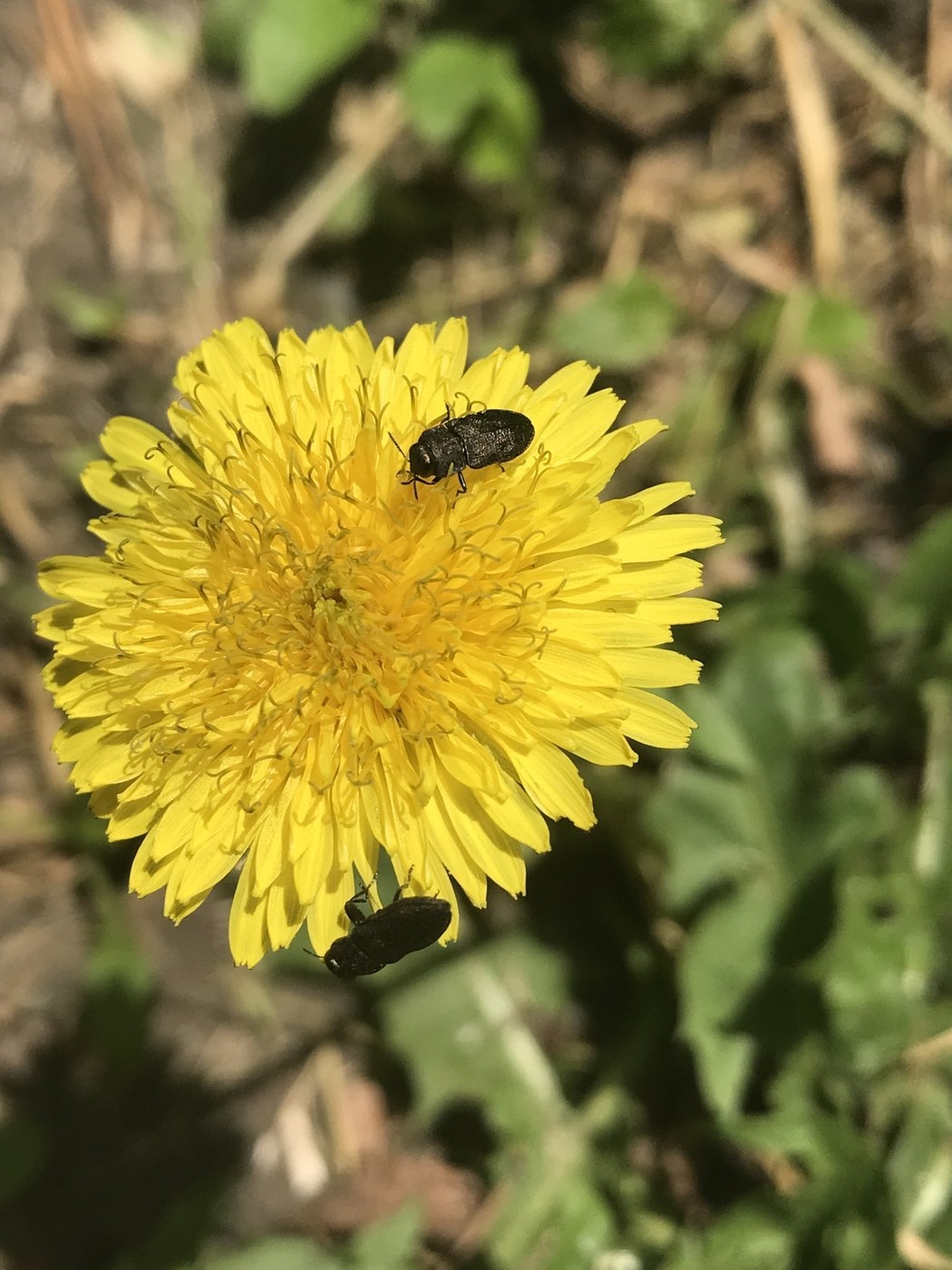
Jewel Beetle
Buprestidae spp.
A sleek, bullet-shaped beetle wrapped in brilliant iridescent metallic colors — green, copper, blue, or gold — that seem to shift with the angle of light.
- Size
- 5–40 mm
- Habitat
- Forests, woodlands, and gardens, on flowers, foliage, and sunlit tree trunks
- Danger
- Harmless
Spotted a bug like this?
Identify any bug or insect from a photo, free.
Overview
Jewel beetles make up the family Buprestidae, one of the most colorful groups in the entire beetle order. With more than 15,000 described species worldwide, they range from tiny flecks a few millimeters long to large tropical species several centimeters in length.
Their extraordinary coloring comes from structural iridescence — microscopic layers in the cuticle that reflect and refract light — rather than pigment alone, which is why their sheen can shift from green to blue to copper as viewing angle changes. This iridescence has made certain species historically prized for ornamental use in jewelry and textile embroidery in parts of Asia.
Ecologically, jewel beetles are closely tied to trees: adults are often found basking on sunlit bark or visiting flowers, while their larvae develop as wood- or bark-feeders, making the family important both as pollinators and as decomposers of dead and dying wood.
How to Identify
- Elongated, torpedo- or bullet-shaped body, tapering at both the head and rear end, giving a streamlined silhouette.
- Brilliant metallic sheen in green, blue, copper, red, or gold, often with fine pitting, ridges, or spot patterns on the elytra.
- Short, saw-toothed (serrate) antennae and a hard, compact, domed body.
- Lookalikes: longhorn beetles (Cerambycidae) have much longer antennae and rounder exit holes as larvae, versus the jewel beetle's characteristic D-shaped emergence holes.
Habitat & Range
Jewel beetles occur worldwide but reach their greatest diversity in tropical and subtropical forests. Adults are sun-loving, often seen resting or feeding on flowers and foliage in bright, open woodland edges, orchards, and gardens during the warmer months. Larvae live beneath bark or within the wood of stressed, dying, or recently dead trees and shrubs.
Behavior & Diet
Adult jewel beetles are strong, fast fliers that bask in direct sunlight and feed on pollen, nectar, or foliage of various plants, making them incidental pollinators. Larvae, often called flatheaded borers for their broad, flattened thoracic segment, tunnel winding galleries beneath bark, feeding on the cambium and wood of weakened trees. This wood-boring habit makes some species significant to forest and orchard health, contributing to the natural turnover and decomposition of dying trees.
Life Cycle
Jewel beetles undergo complete metamorphosis. Eggs are laid in bark crevices, and hatching larvae bore into the phloem and sapwood, developing through several instars over one to several years depending on species and wood quality. After pupating within the wood, adults chew a distinctive D-shaped exit hole to emerge. Most temperate species produce one generation per year, overwintering as larvae inside the wood.
Frequently asked questions
Why are jewel beetles so shiny?
Their iridescent color comes from microscopic structural layers in the cuticle that reflect light, rather than from pigment alone.
Is the emerald ash borer a jewel beetle?
Yes, the emerald ash borer belongs to this family (Buprestidae), sharing the same bullet-shaped body and metallic sheen.
How can I tell a jewel beetle's exit hole from other borers?
Jewel beetle larvae leave a distinctive flattened, D-shaped hole in bark, unlike the round holes left by longhorn beetle larvae.
Where are jewel beetles most often seen?
On sunlit tree trunks, foliage, and flowers, especially in warm weather.
Jewel Beetle guides
In-depth guides for identifying, understanding, and living alongside Jewel Beetle.
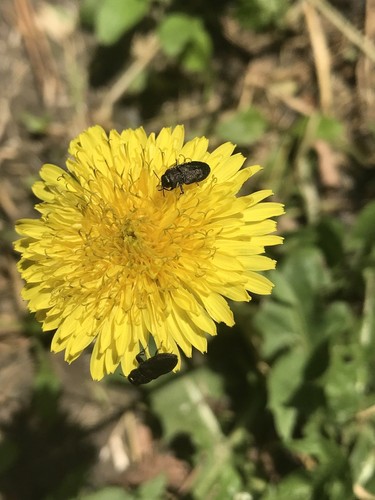
Jewel Beetle identified by the community
Real finds identified with Bug Identifier.
Other bugs you may enjoy
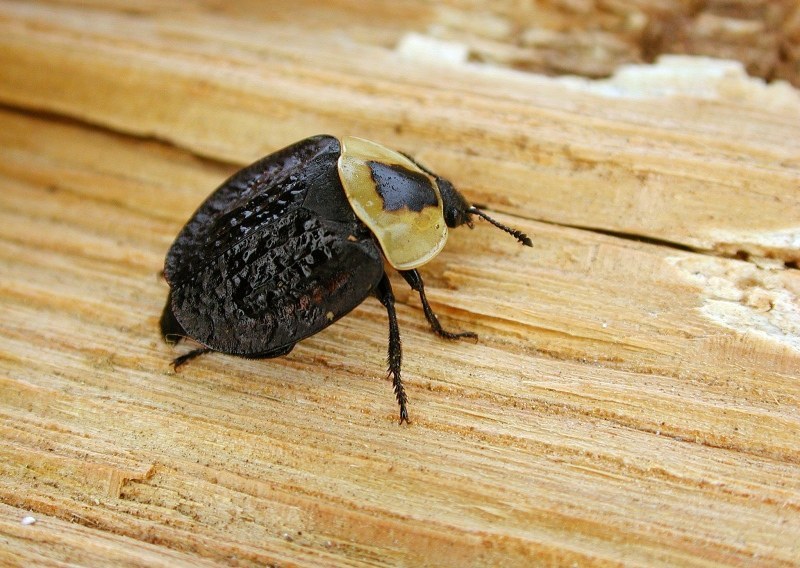
American Carrion Beetle
Forests, fields, and roadsides across North America, near decaying animal carcasses
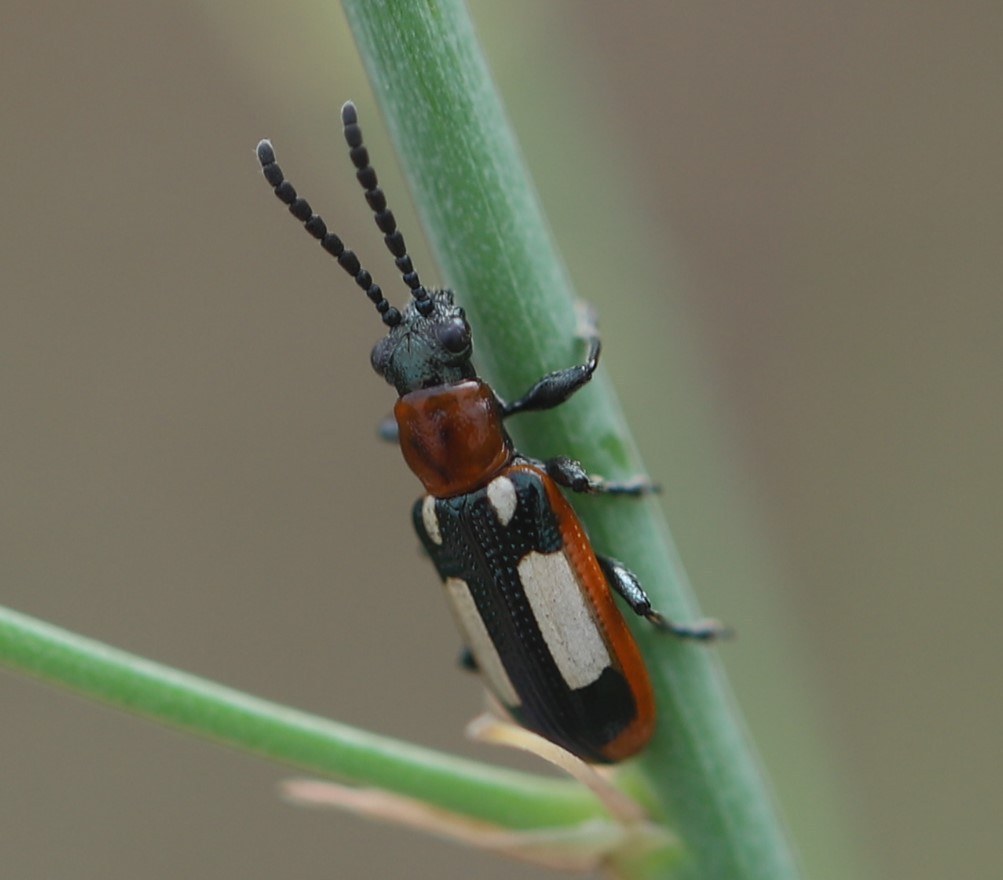
Asparagus Beetle
Asparagus patches, gardens, and farm fields
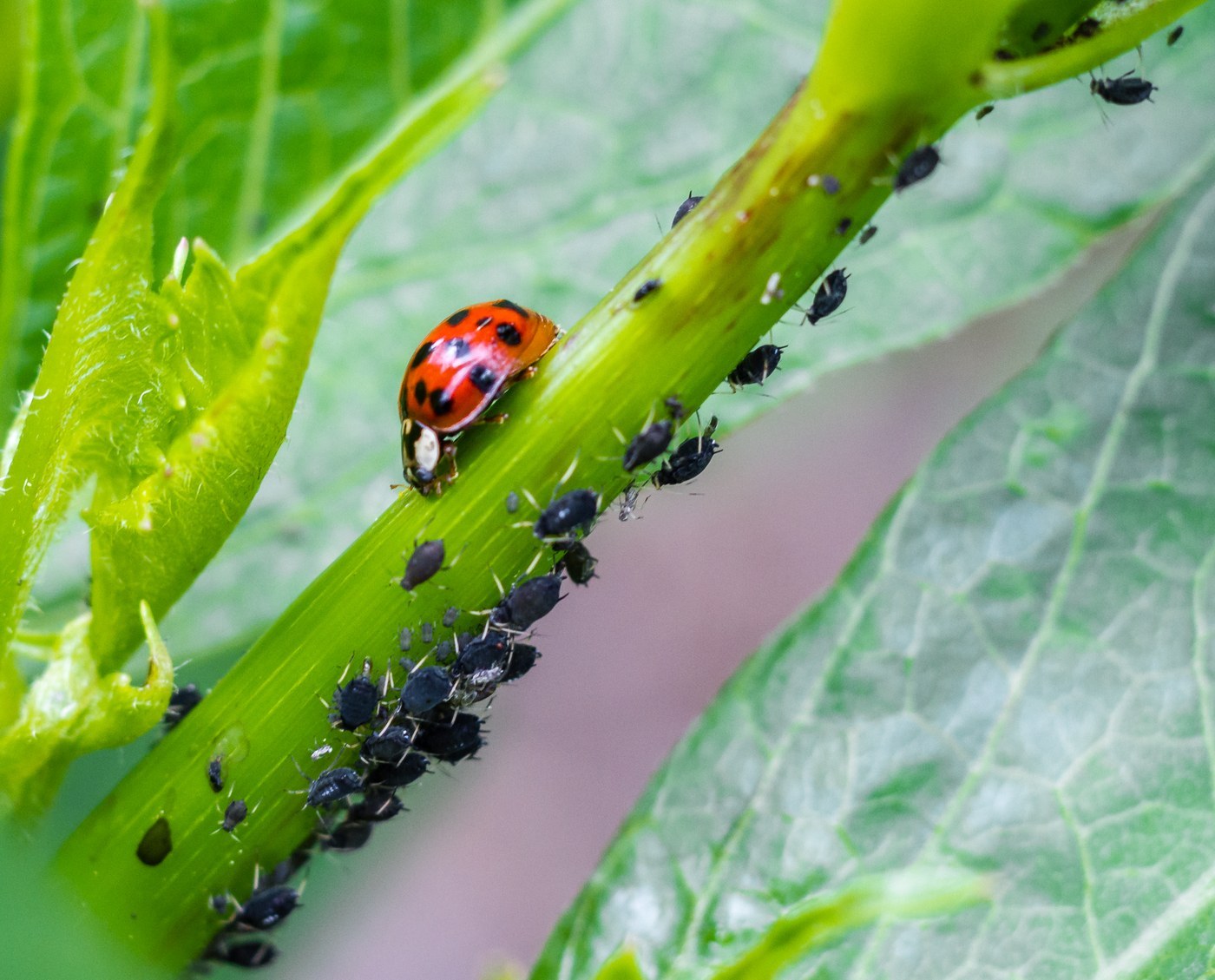
Asian Lady Beetle
Gardens, crop fields, woodlands, buildings
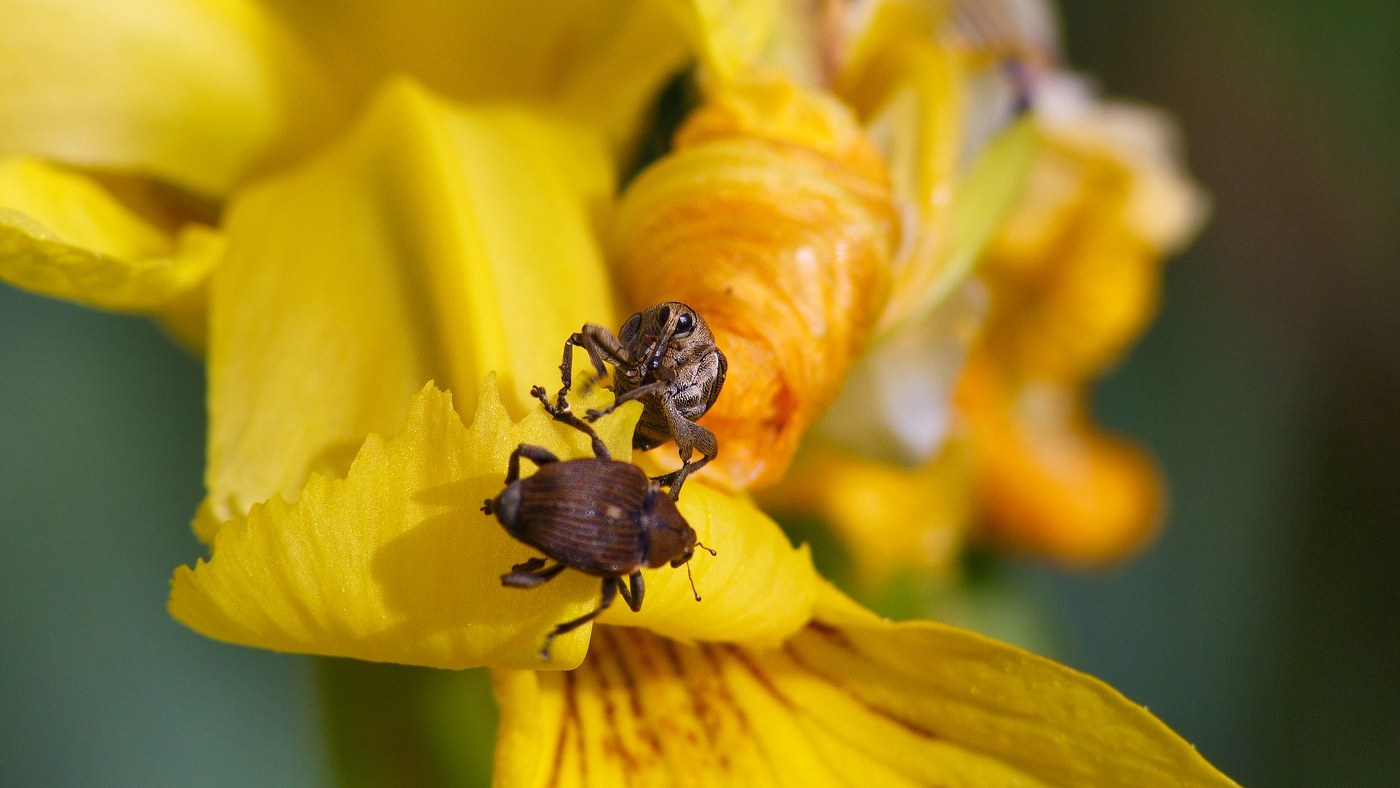
Acorn Weevil
Oak woodlands and forests, on and beneath oak trees
Wireworm
Soil of grasslands, gardens, and cultivated fields worldwide
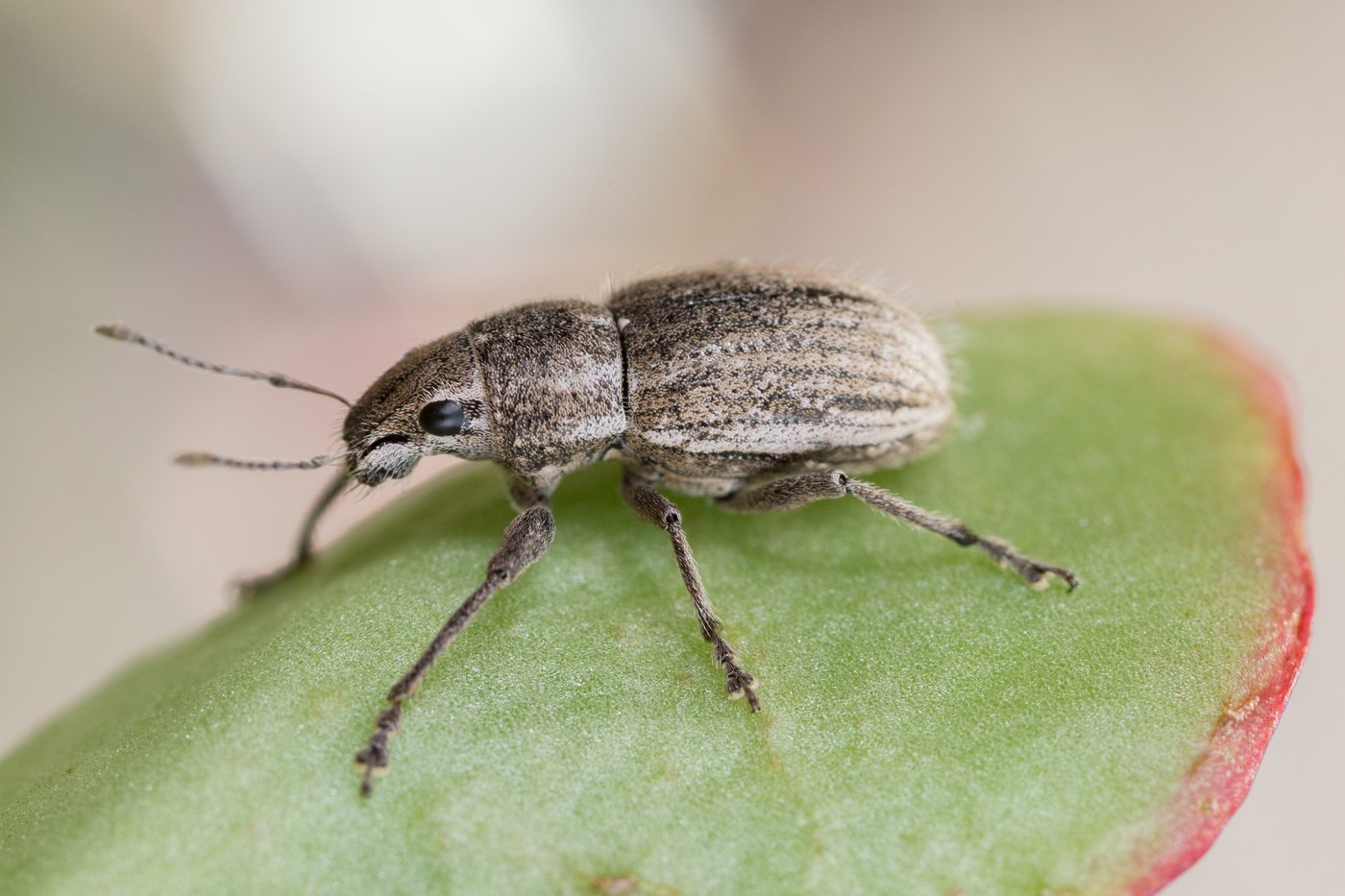
Whitefringed Beetle
Pastures, row crops, lawns, disturbed soils
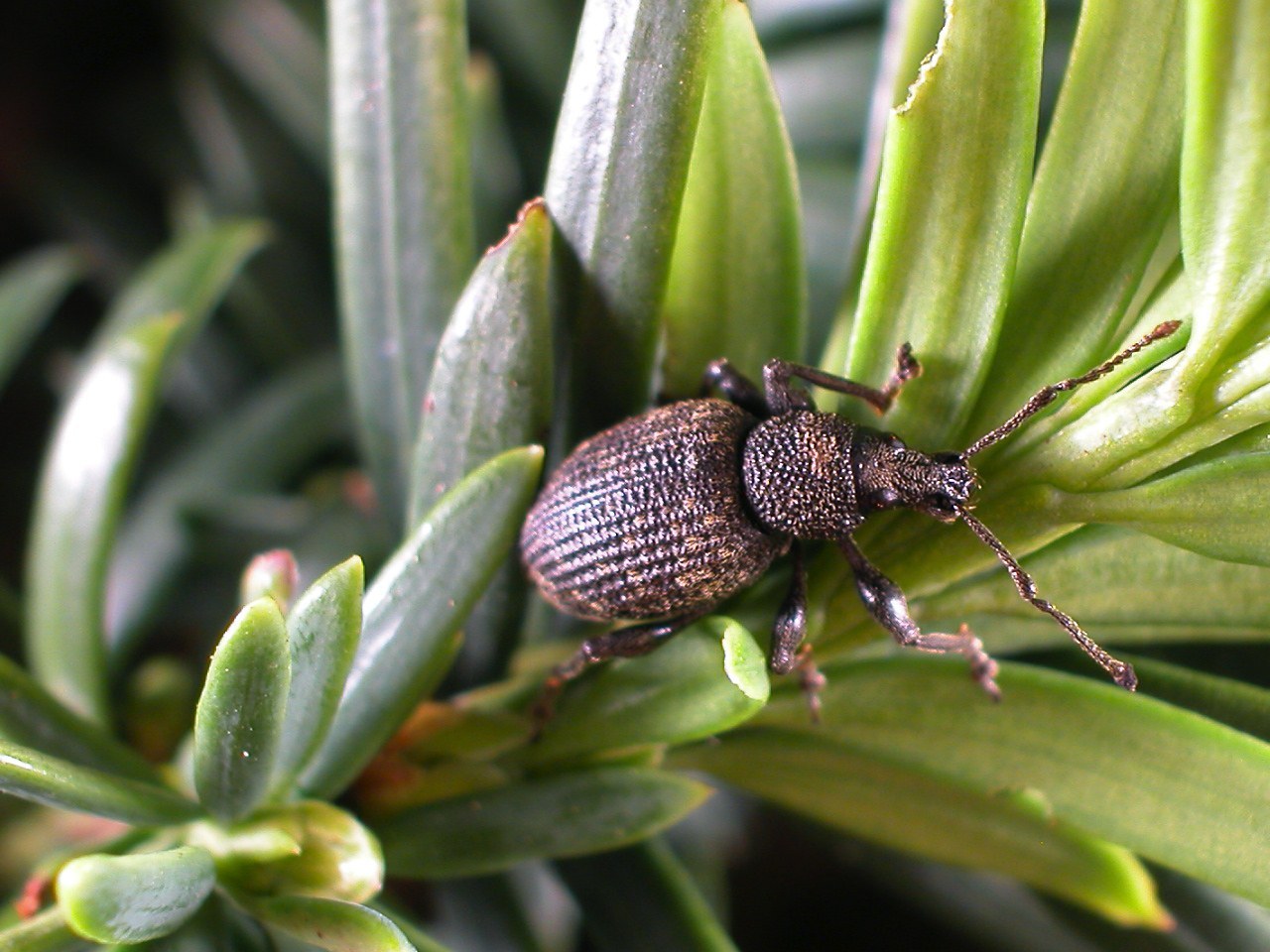
Vine Weevil
Gardens, nurseries, greenhouses, and container plantings
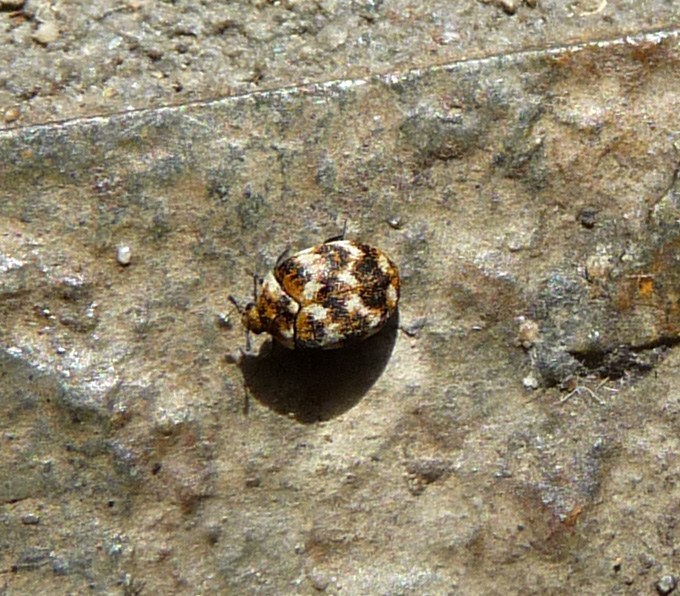
Varied Carpet Beetle
Homes, nests of birds and mammals, and flowers outdoors
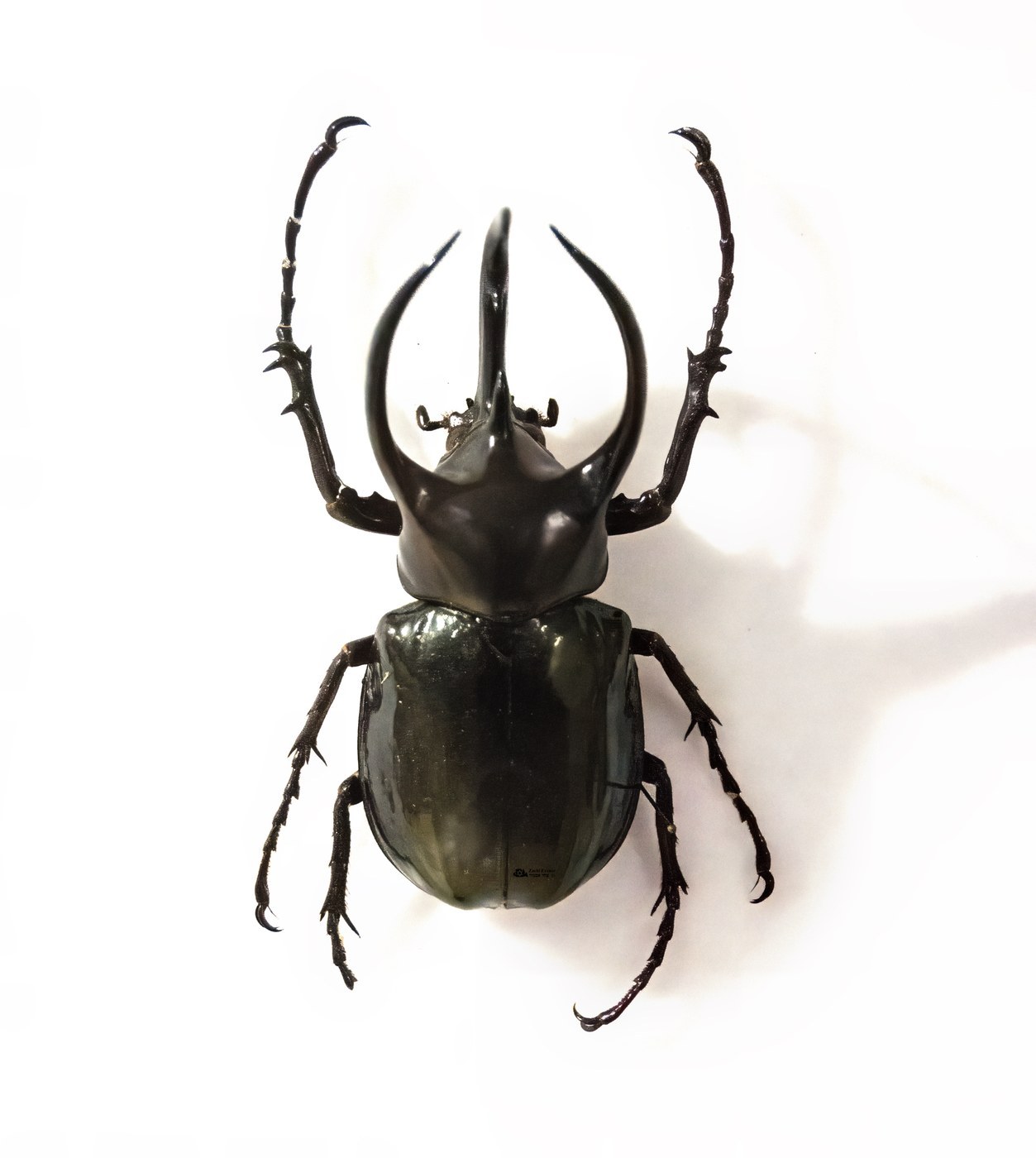
Atlas Beetle
Tropical forests of Southeast Asia
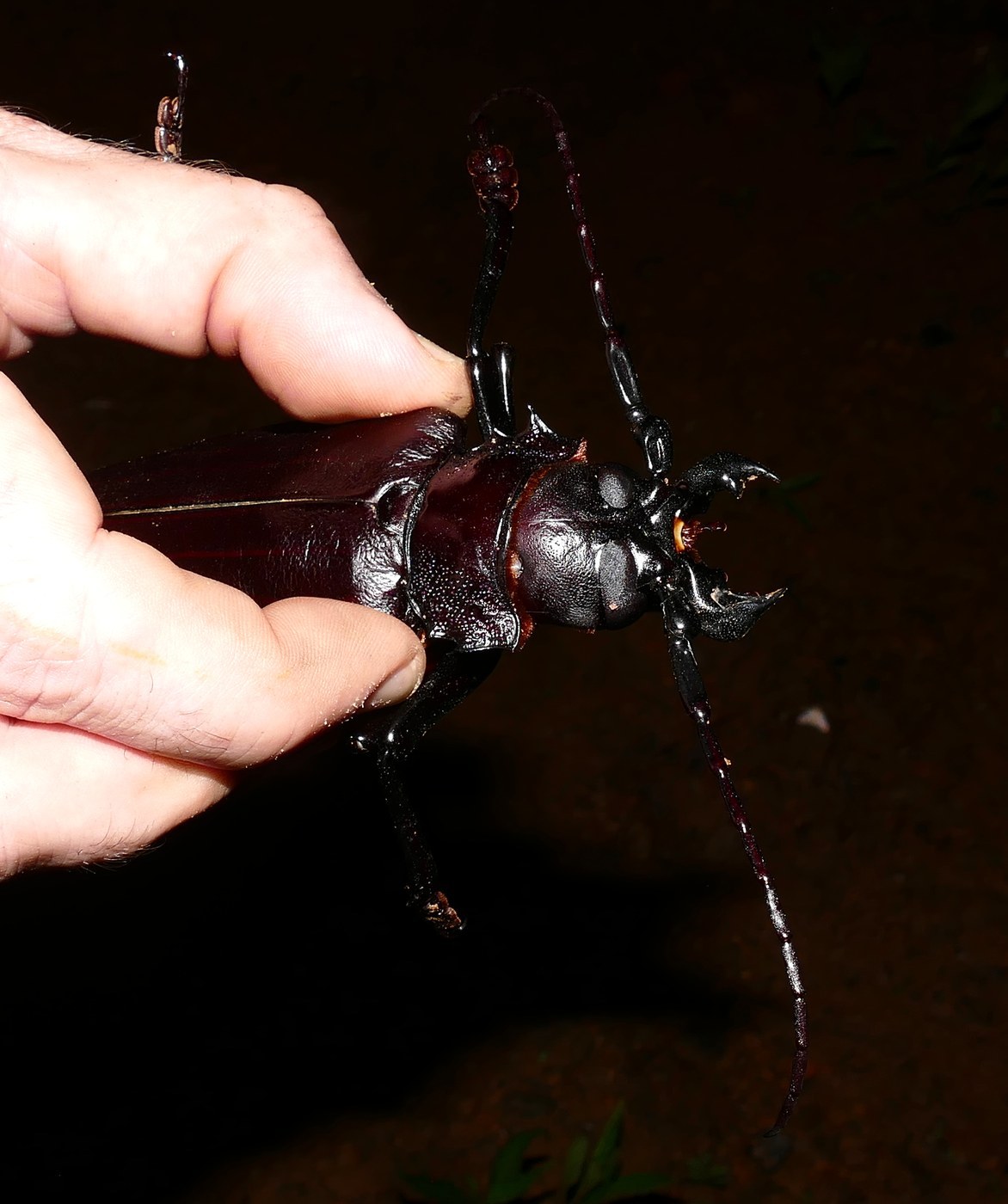
Titan Beetle
Amazon rainforest of South America
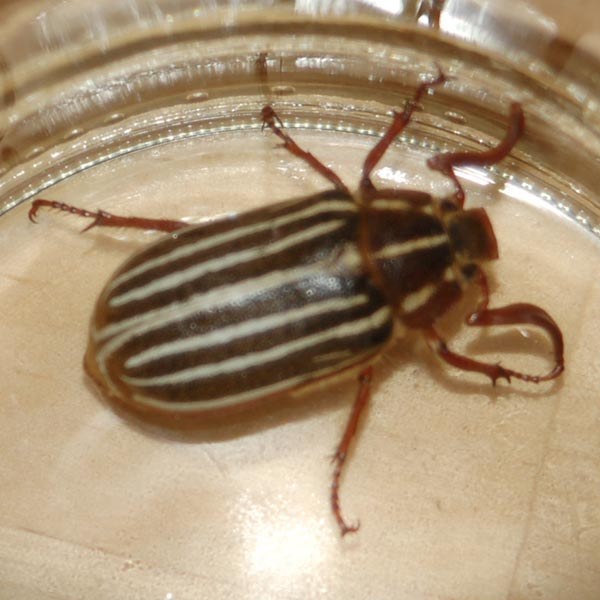
Ten-lined June Beetle
Sandy soils, pine forests, and orchards of western North America
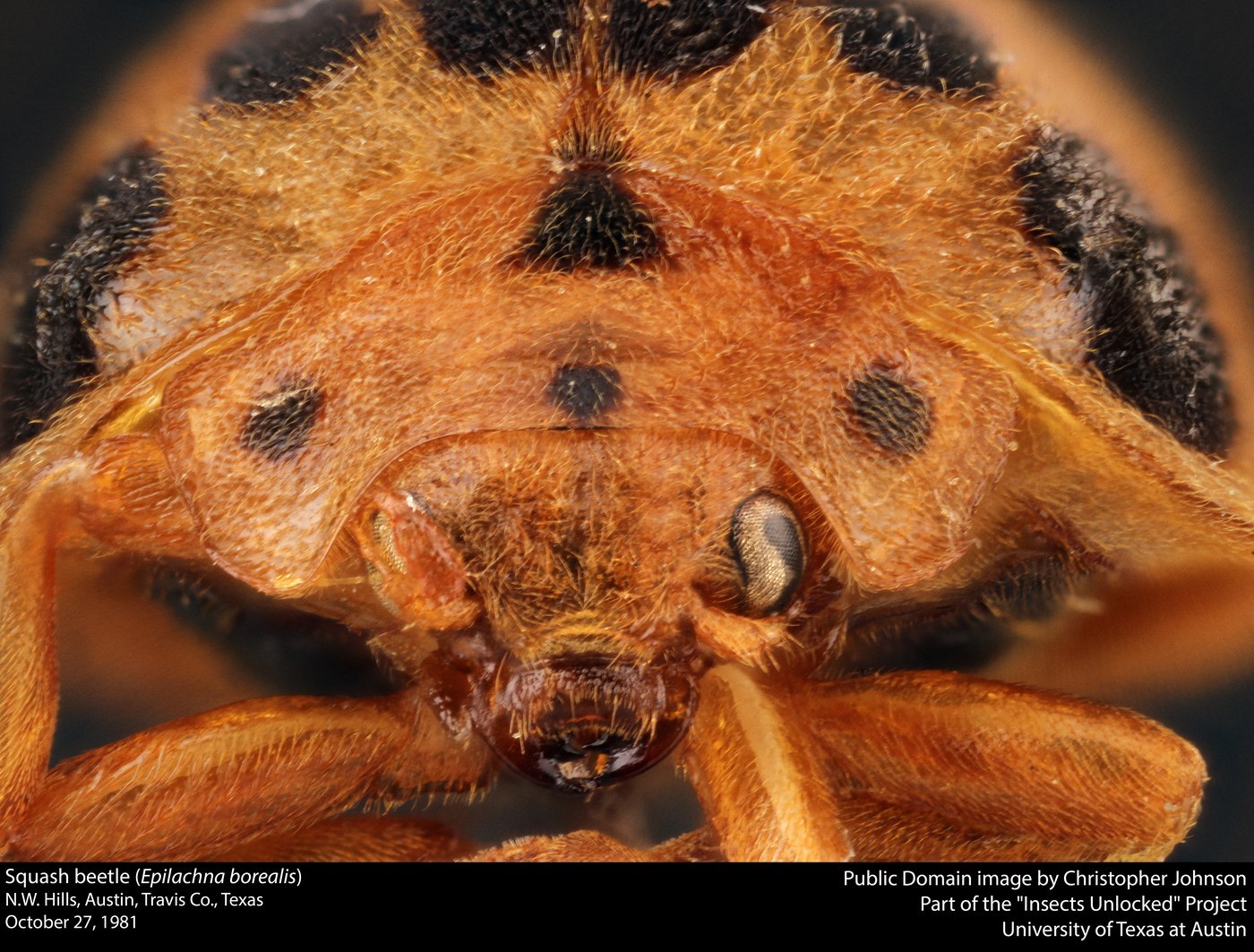
Squash Beetle
Vegetable gardens and fields growing squash, pumpkin, and other cucurbits