Longhorn Beetle Identification Guide
Identify this wood-associated beetle family by its strikingly long antennae, which can exceed the length of its own body.
Read the full Longhorn Beetle encyclopedia entry →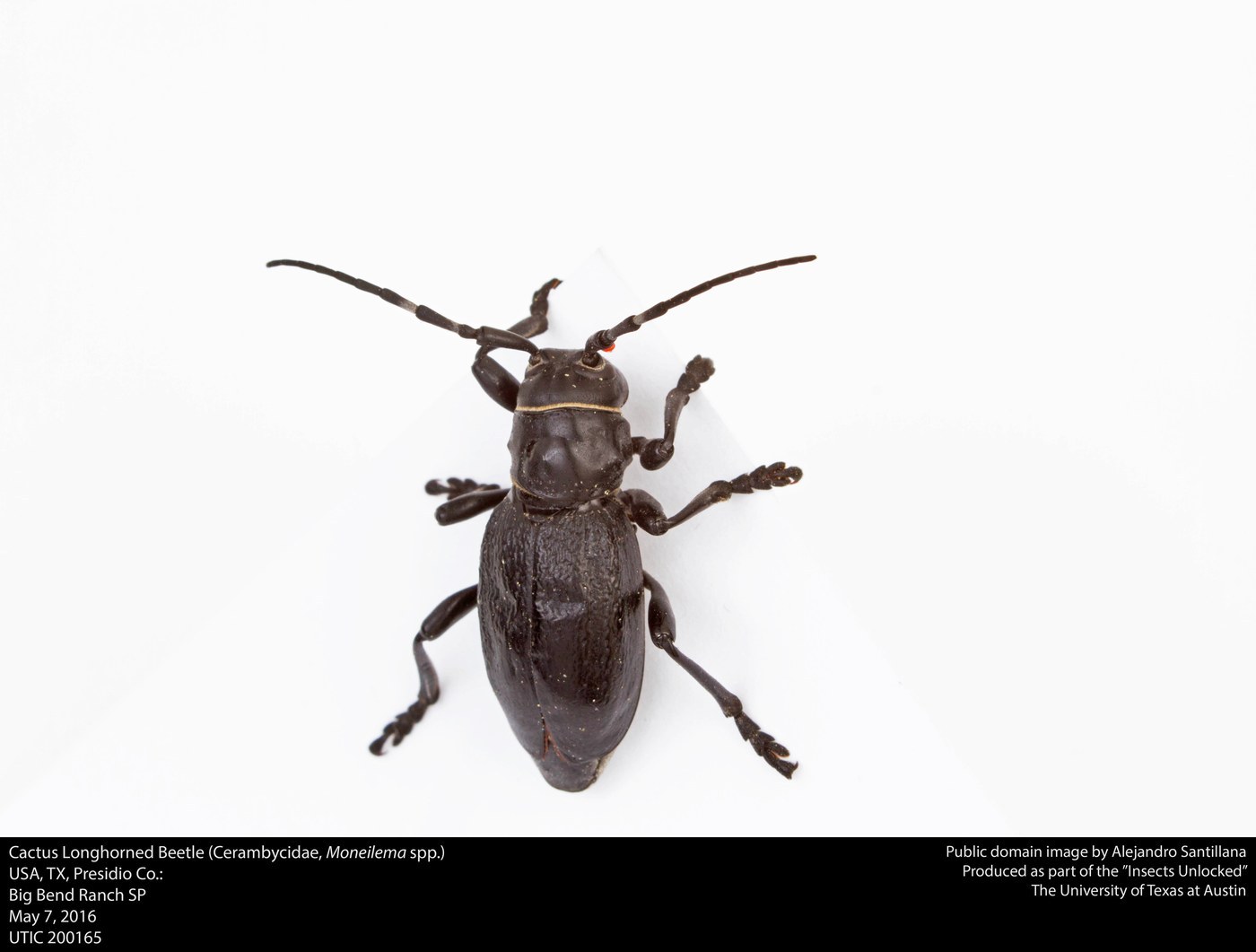
Key Visual Features
Longhorn beetles (family Cerambycidae) are a large, diverse group unified by one standout trait: extremely long antennae.
- Size: Highly variable, from under half an inch to several inches in the largest species, such as some tropical giants.
- Color: Ranges enormously by species — solid black or brown, striped, spotted, or brightly banded in red, yellow, or white; some show a metallic sheen.
- Body shape: Elongated, cylindrical to slightly flattened body, often robust and parallel-sided.
- Wings: Hard, elongated elytra fully covering the abdomen, sometimes textured, ridged, or patterned with bands or spots that aid species identification.
- Legs: Sturdy legs, sometimes with the hind pair enlarged in certain species (such as some cactus- or vine-associated longhorns).
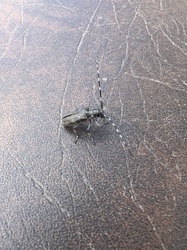
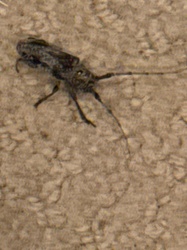
- Antennae: The defining feature — antennae are often as long as, or considerably longer than, the entire body, segmented and tapering, and are frequently held swept back or forward in a wide arc; males often have proportionally longer antennae than females.
Where and When You'd See One
Longhorn beetles are found nearly worldwide, most often near dead, dying, or recently cut wood, since the larvae bore into timber, logs, and tree trunks to feed. Adults are typically seen from late spring through summer, resting on tree bark, logs, or flowers (many adults feed on pollen and nectar), or attracted to lights at night. Some species are diurnal and can be found sunning themselves on wood piles or fence posts, while others are more active at dusk.
Similar-Looking Bugs
- Soldier beetles: Much smaller, soft-bodied, and with shorter antennae relative to body length; longhorns have noticeably harder, more rigid bodies and far longer antennae.
- Click beetles: Elongated but with much shorter antennae and a distinctive body "click" mechanism used to right themselves; longhorns lack this clicking ability.
- Ground beetles: Similarly elongated but with short antennae and a flatter, running-adapted build; longhorns are more often found on wood or flowers than running on the ground.
- Wood-boring beetles (Buprestidae): Also associated with wood, but typically more bullet-shaped, metallic, and with short antennae, unlike the extreme antenna length of longhorns.
Quick ID Checklist
- Antennae equal to or longer than the entire body length — the key trait
- Elongated, cylindrical, hard-bodied beetle
- Found on or near dead wood, logs, or tree bark
- Adults often seen on flowers or at lights in late spring/summer
- Great variety of colors and elytra patterns across species
Frequently asked questions
What is the single most reliable way to identify a longhorn beetle?
Check the antennae length — longhorn beetles have antennae that are typically as long as, or considerably longer than, their own body, which is the defining trait of the whole family.
Where are longhorn beetles usually found?
Adults are most often seen on or near dead or dying wood, logs, and tree bark, since their larvae develop by boring into timber, as well as on flowers where adults feed on pollen and nectar.
Do male and female longhorn beetles look different?
In many species males have proportionally longer antennae than females, though overall body color and pattern are usually similar between sexes.
How do longhorn beetles differ from click beetles?
Click beetles have much shorter antennae and a spring-loaded mechanism that lets them flip upright with an audible click, a behavior and antenna length that longhorn beetles do not share.
Longhorn Beetle identified by the community
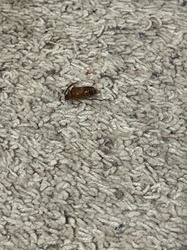
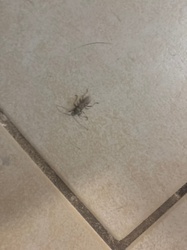
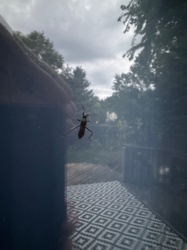
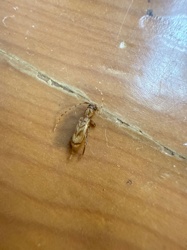
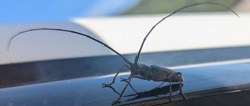
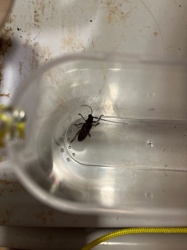
Recent Longhorn Beetle finds identified with Bug Identifier.