
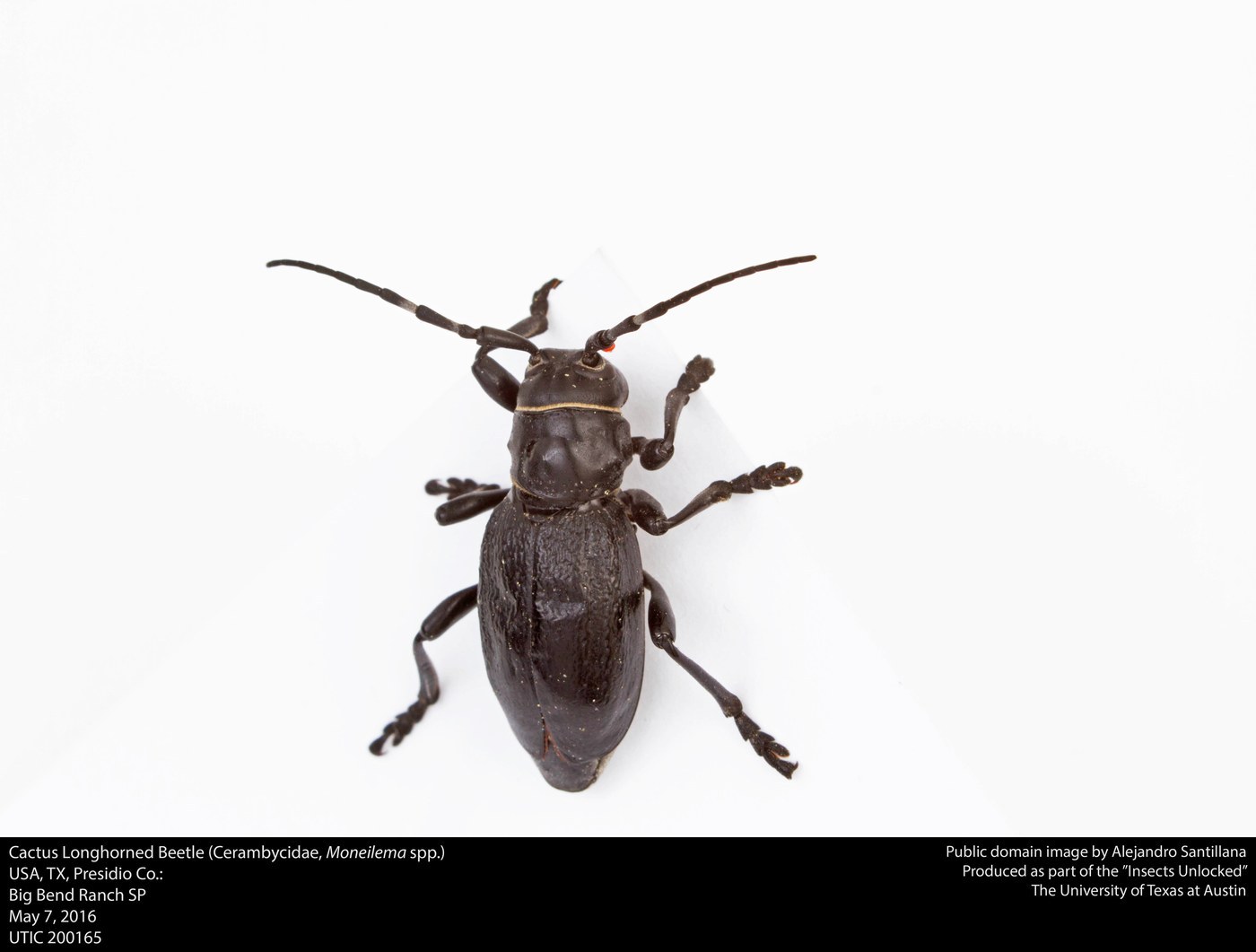
Longhorn Beetle
Cerambycidae spp.
A beetle instantly recognizable by antennae often longer than its own body, ranging from small woodland species to large, dramatically patterned tropical and temperate forms.
- Size
- 10–60 mm (varies greatly by species)
- Habitat
- Forests, woodlands, and wooded gardens, on or near dead or dying wood
- Danger
- Bites
Spotted a bug like this?
Identify any bug or insect from a photo, free.
Overview
Longhorn beetles form the family Cerambycidae, one of the largest beetle families, with tens of thousands of described species worldwide. Their defining feature — greatly elongated antennae, sometimes several times body length — gives the group both its common and scientific-adjacent name, and makes them among the easiest beetle families to recognize at a glance.
Most species have cylindrical, elongated bodies and are associated with wood, since the larvae are borers that tunnel through the trunks, branches, or roots of trees, shrubs, or dead wood, playing a significant role in the breakdown of woody material in forest ecosystems. Adult coloration and pattern vary enormously across the family, from drab bark-mimicking browns and grays to boldly banded or spotted forms that mimic wasps or other insects.
Because larvae feed inside wood for extended periods, some longhorn beetle species are notable as forest-health or timber-related organisms, while many others are simply unobtrusive recyclers of dead and dying wood.
How to Identify
- Elongated, cylindrical body with a hardened, parallel-sided or slightly tapering shape.
- Antennae extremely long, often exceeding body length, arising from close to the eyes, which are frequently notched to accommodate the antennal base.
- Coloring highly variable: solid browns and grays, bold black-and-yellow banding, spotted patterns, or metallic sheens depending on species.
- Size ranges widely, roughly 10–60 mm in commonly encountered species, with some tropical species much larger.
- Lookalikes: some banded species mimic wasps closely; true wasps lack the beetle's hardened wing covers and long antennae combined with a beetle body plan.
Habitat & Range
Longhorn beetles occur worldwide wherever trees and woody plants grow, from temperate forests to tropical rainforests. Adults are typically found on flowers, foliage, tree bark, cut or dying wood, and log piles, most active in the warmer months. Larvae live concealed inside wood, sometimes for a year or more before emerging.
Behavior & Diet
Adults are generally active fliers and often visit flowers to feed on pollen and nectar, while some species feed on foliage or bark. Larvae are wood-boring, tunneling through the heartwood or sapwood of dead, dying, or occasionally living trees and feeding on the wood tissue, a process that gradually breaks down woody material and recycles nutrients into forest soils. Many species produce audible tunneling sounds and some adults can produce a squeaking noise by rubbing body parts together when disturbed.
Life Cycle
Development is by complete metamorphosis. Females lay eggs in bark crevices or wood; larvae bore extensive tunnels through wood over a period that can range from several months to multiple years depending on species and wood quality, pupating within a chamber near the wood surface. Adults chew their way out through an exit hole and are typically active for a single flight season, with generation time strongly tied to available host wood.
Frequently asked questions
What makes a beetle a 'longhorn' beetle?
The name refers to the family's characteristically long antennae, which are often as long as or longer than the beetle's entire body.
Do longhorn beetles damage living trees?
Most species develop in dead, dying, or already-weakened wood, though a subset of species can also use living trees; their larvae are generalist wood-tunnelers rather than plant-tissue feeders like leaf pests.
Why do some longhorn beetles look like wasps?
Certain species have evolved black-and-yellow banded patterns that mimic stinging wasps, which can deter predators, even though the beetles themselves cannot sting.
How can I tell a longhorn beetle from a similar-looking beetle?
The single most reliable clue is antenna length — few other beetle families combine a cylindrical body with antennae that rival or exceed body length.
Longhorn Beetle guides
In-depth guides for identifying, understanding, and living alongside Longhorn Beetle.
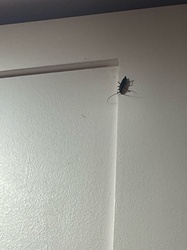
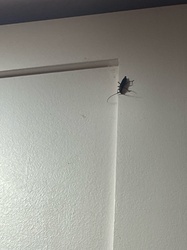
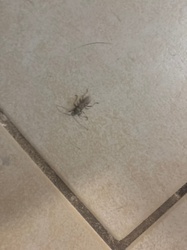
Longhorn Beetle identified by the community
Real finds identified with Bug Identifier.
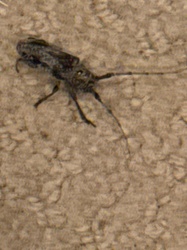
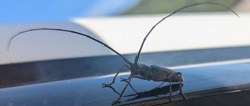
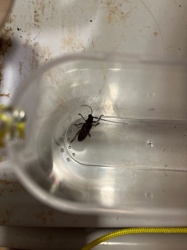
Other bugs you may enjoy
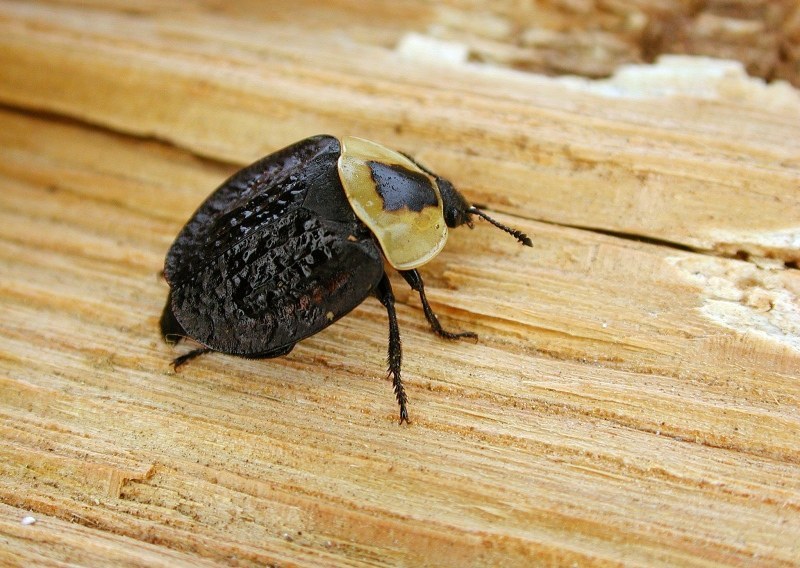
American Carrion Beetle
Forests, fields, and roadsides across North America, near decaying animal carcasses
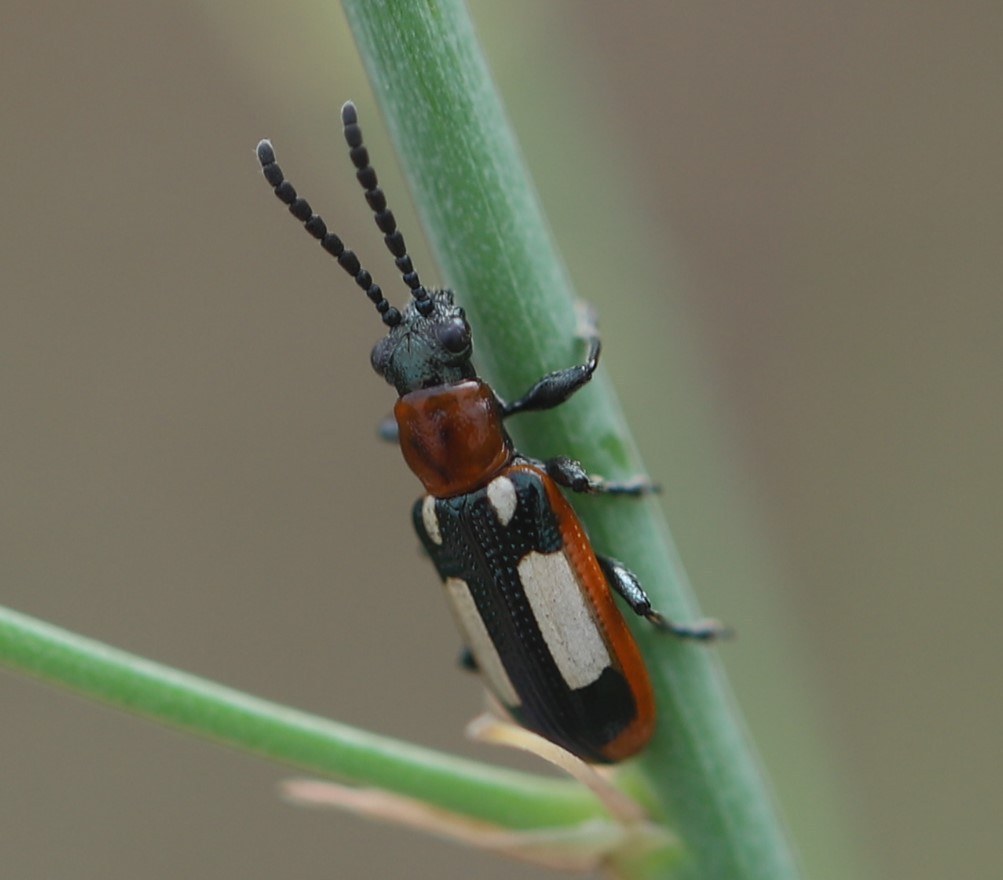
Asparagus Beetle
Asparagus patches, gardens, and farm fields

Asian Lady Beetle
Gardens, crop fields, woodlands, buildings
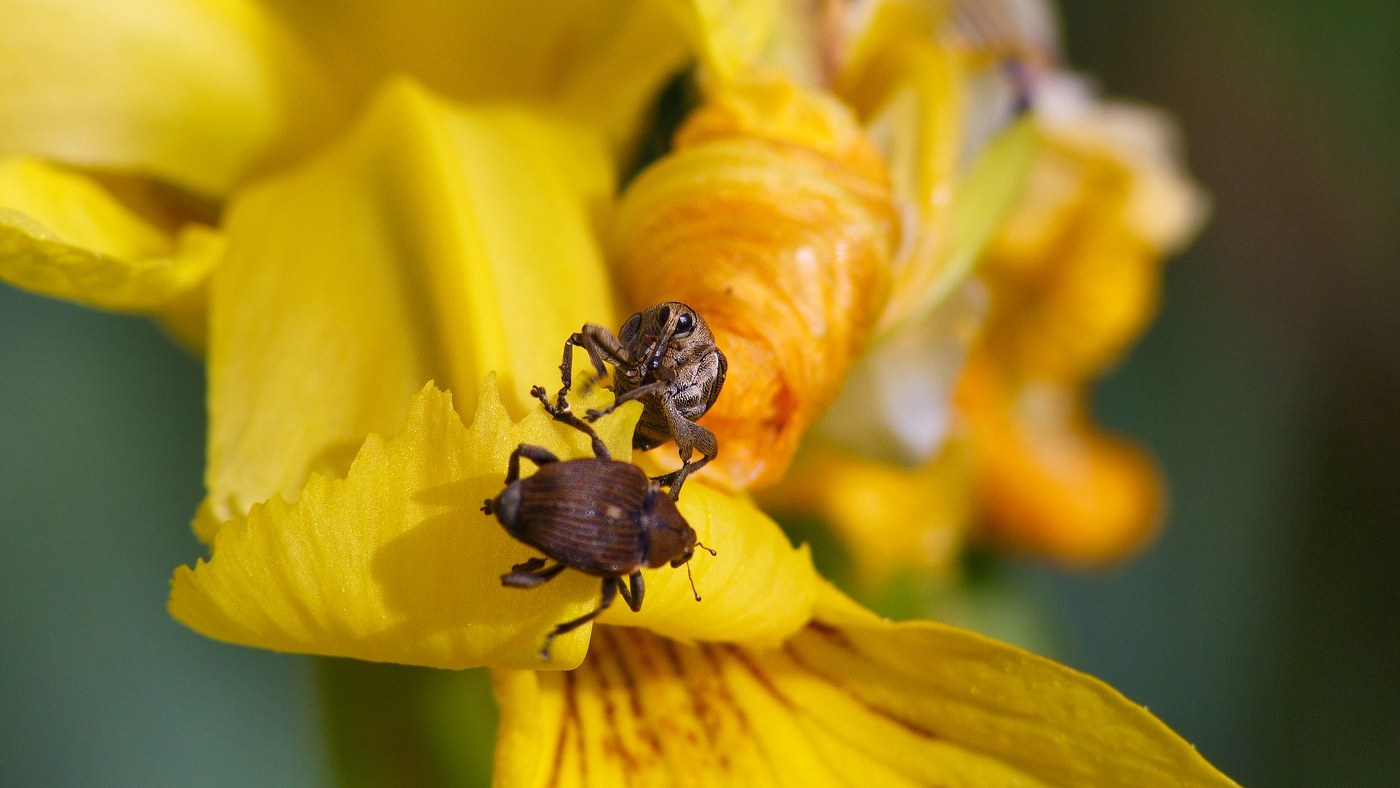
Acorn Weevil
Oak woodlands and forests, on and beneath oak trees
Wireworm
Soil of grasslands, gardens, and cultivated fields worldwide
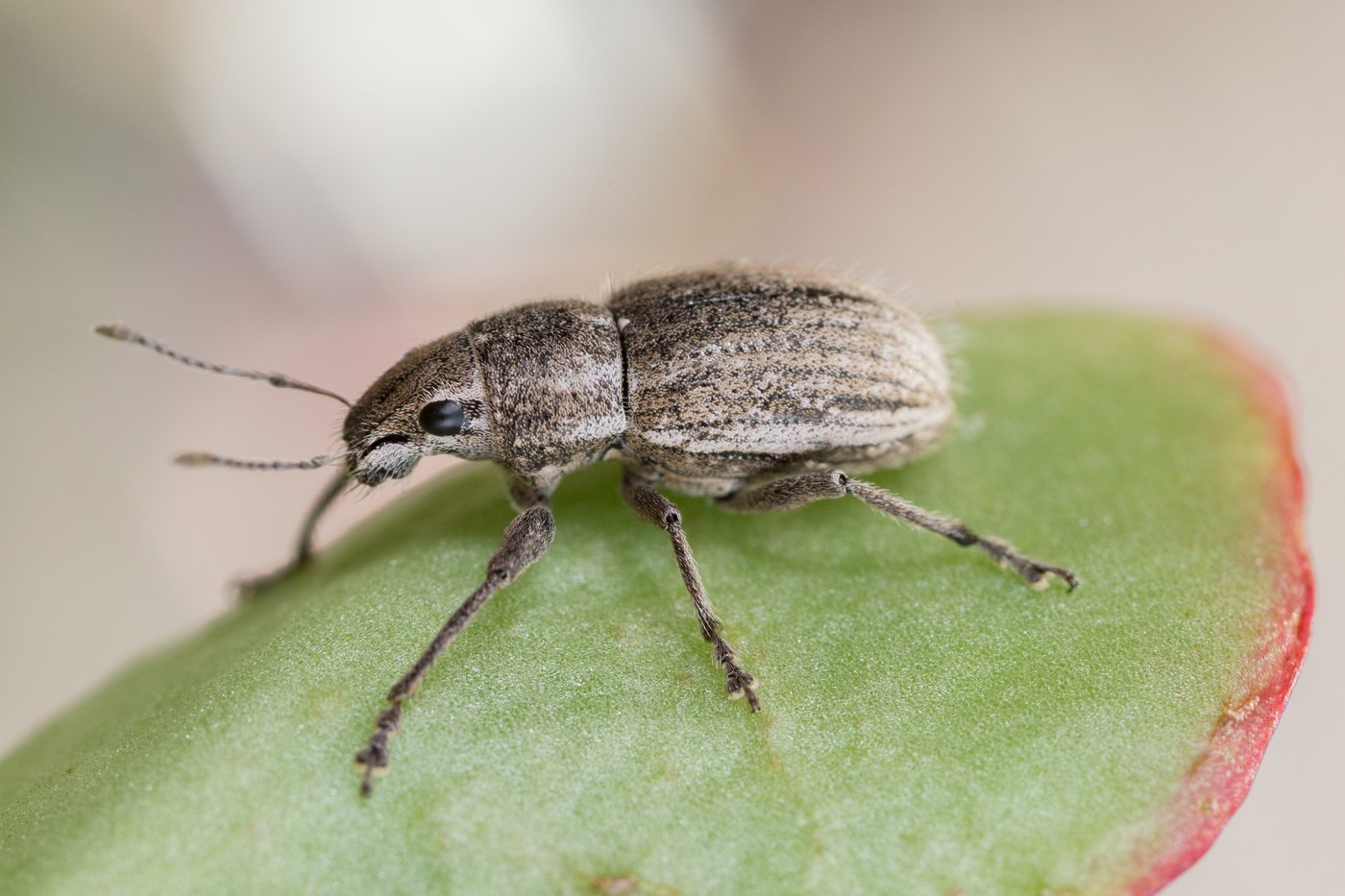
Whitefringed Beetle
Pastures, row crops, lawns, disturbed soils
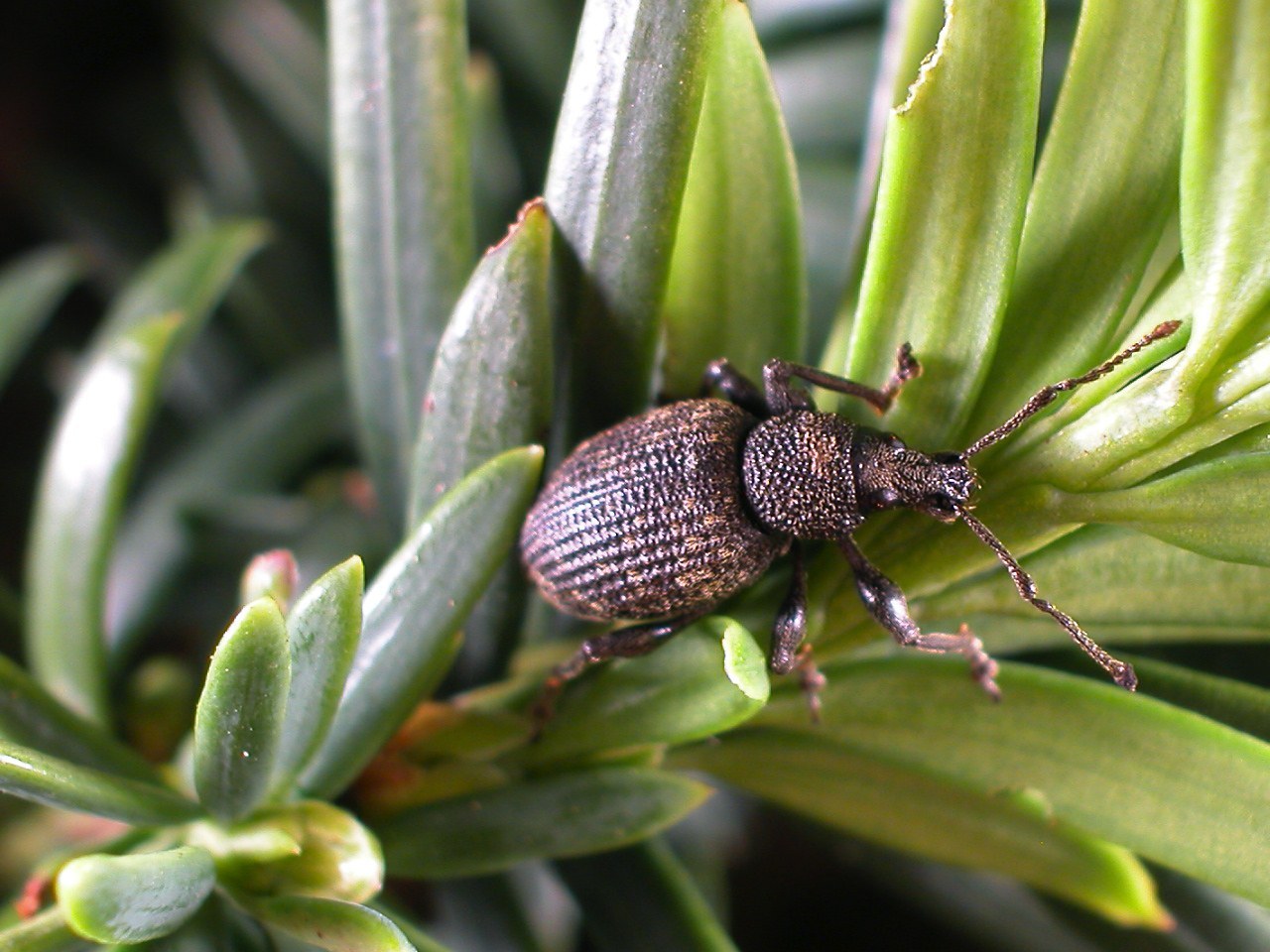
Vine Weevil
Gardens, nurseries, greenhouses, and container plantings
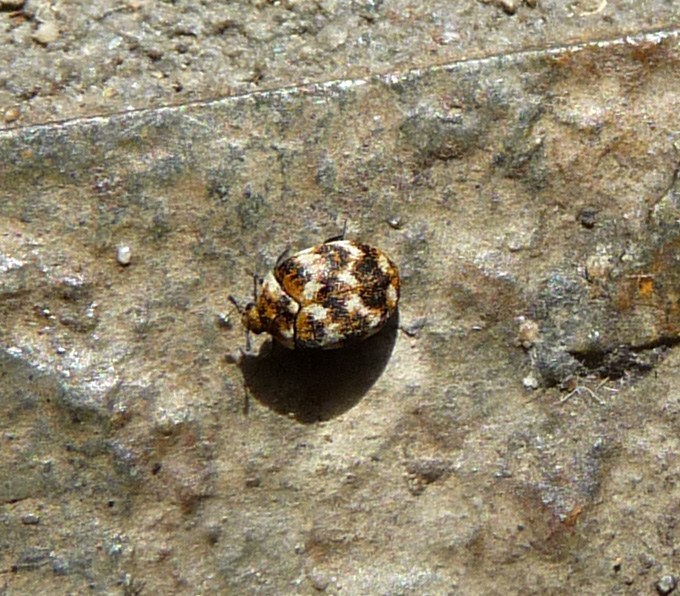
Varied Carpet Beetle
Homes, nests of birds and mammals, and flowers outdoors
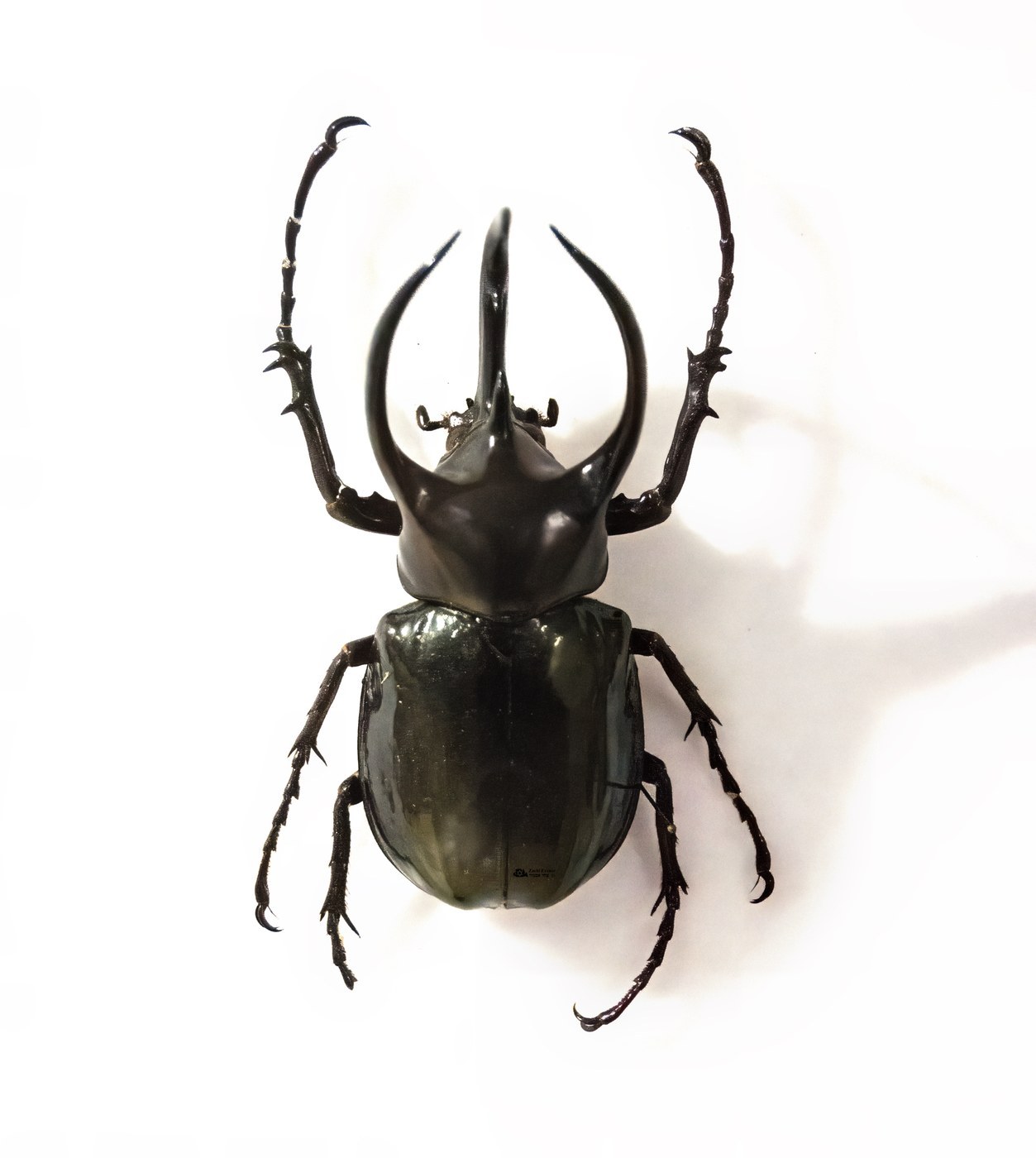
Atlas Beetle
Tropical forests of Southeast Asia
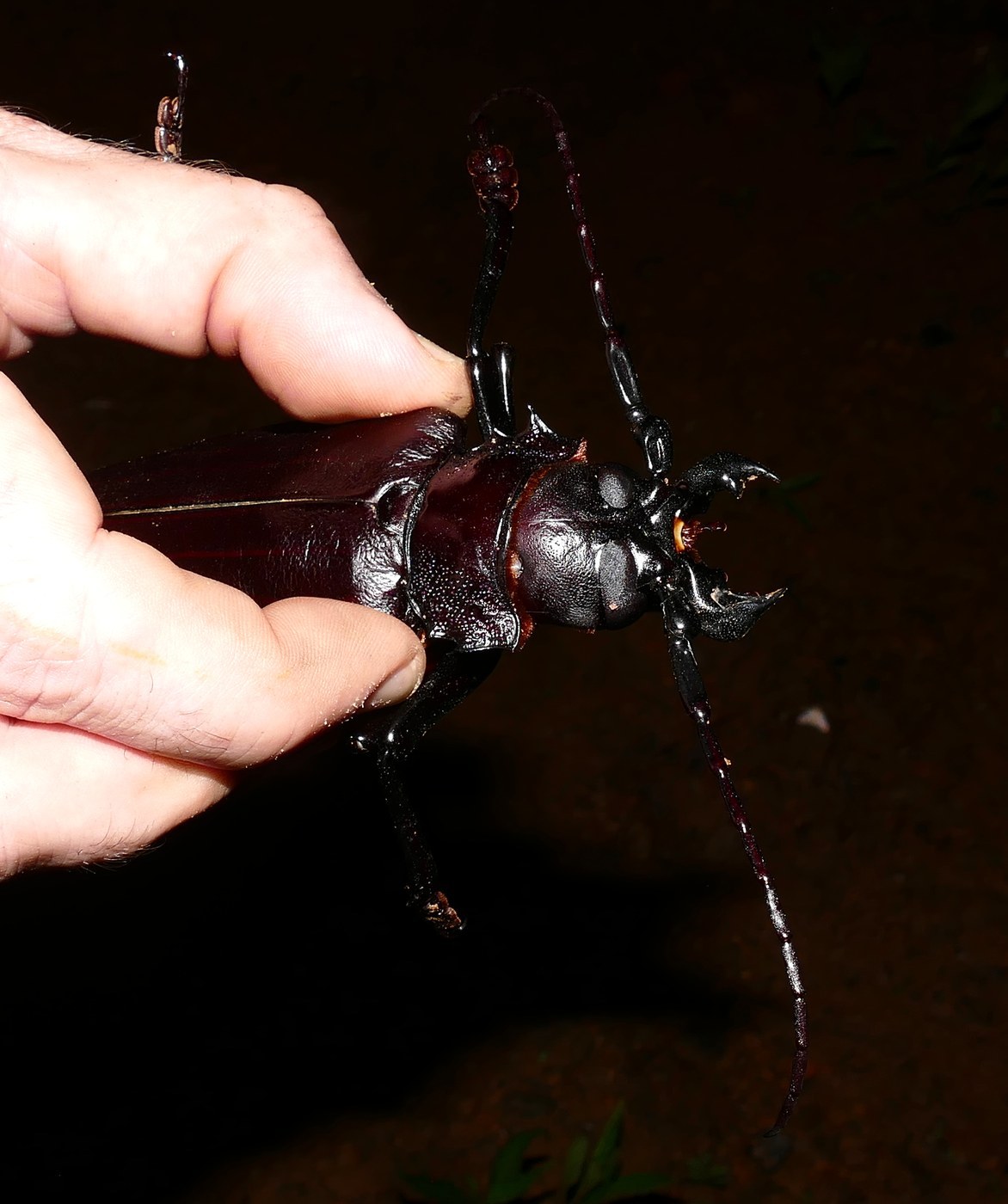
Titan Beetle
Amazon rainforest of South America
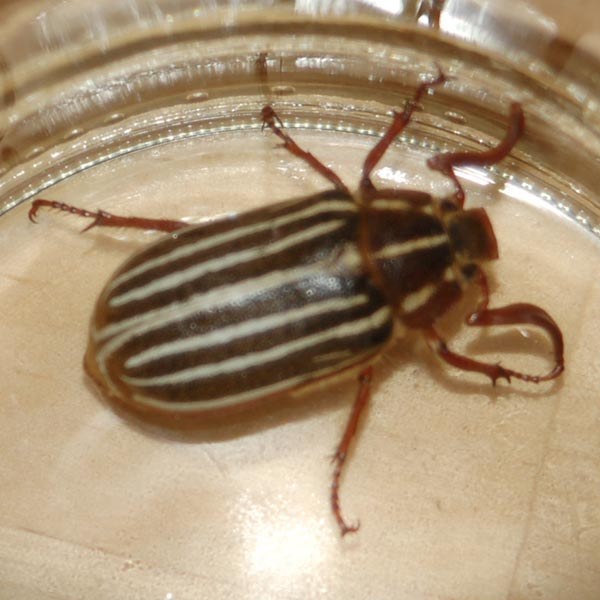
Ten-lined June Beetle
Sandy soils, pine forests, and orchards of western North America
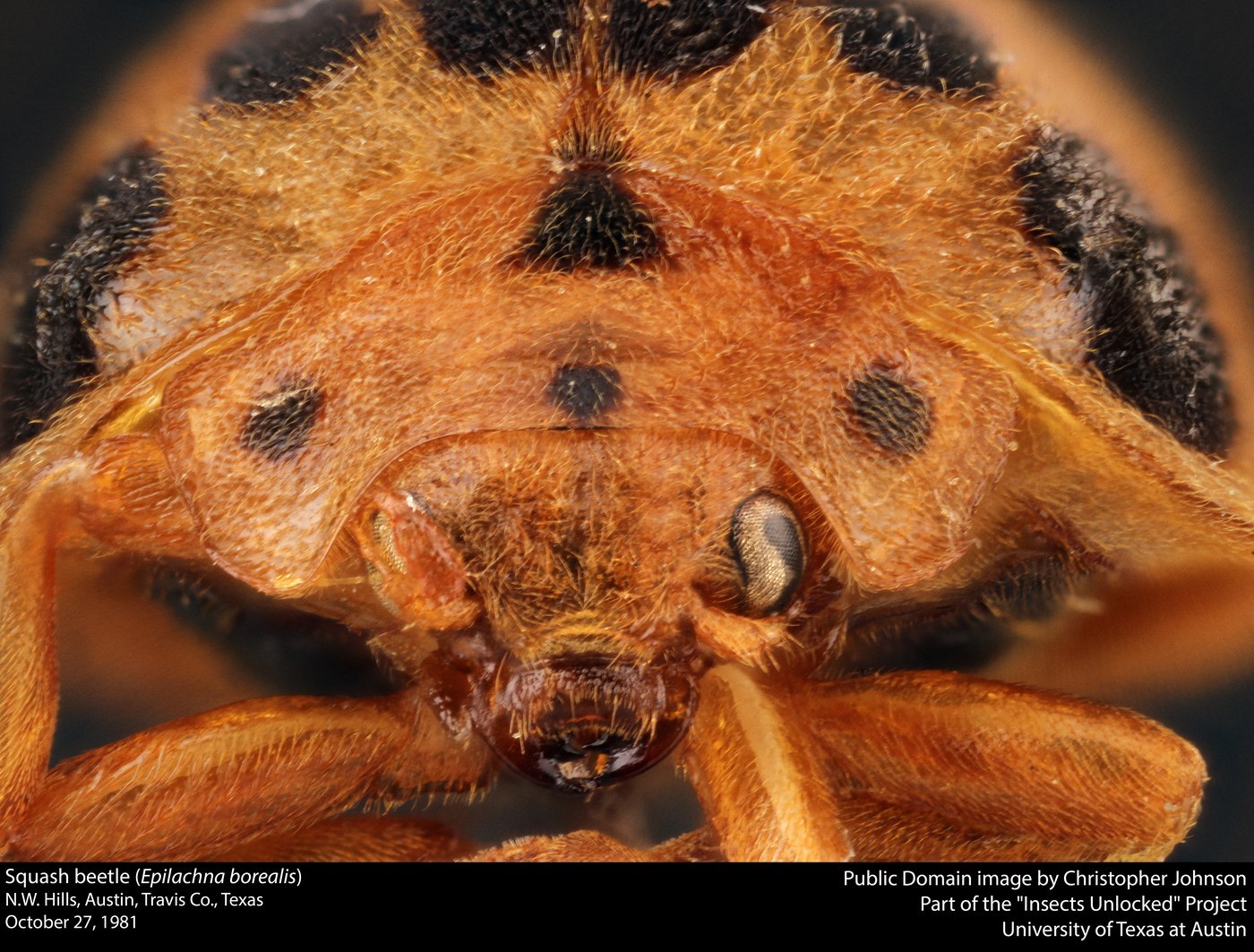
Squash Beetle
Vegetable gardens and fields growing squash, pumpkin, and other cucurbits