Mud Dauber Wasp Identification Guide
Recognize this slender, non-aggressive wasp by its thread-like waist and distinctive tube-shaped mud nests.
Read the full Mud Dauber Wasp encyclopedia entry →Key Visual Features
Mud daubers are solitary wasps best known for the hardened mud nests they build rather than for living in colonies. Their body shape is one of the most distinctive among common wasps.
- Size: Roughly 1.8 to 2.8 centimeters long, making them fairly large and noticeable.
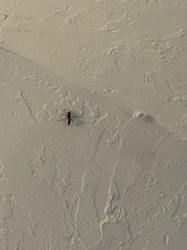
- Body shape: An extremely long, thread-like "waist" (petiole) connects the thorax to the abdomen, giving the wasp an elongated, almost thread-and-bead silhouette unlike most other wasps.
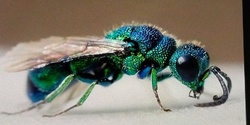
- Color: Varies by species — commonly solid black or black with pale yellow markings on the legs and thorax; some species have a metallic blue-black sheen.
- Wings: Two pairs of smoky or clear-tinted wings, usually held flat or angled over the back at rest.
- Legs: Long, dangling legs, often trailing noticeably behind the body during flight.
- Antennae: Elbowed, medium length, dark in color.
Where and When You'd See Them
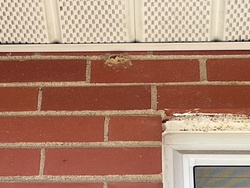
Mud daubers are active from late spring through summer and into early fall, and are most often noticed around sources of mud and water — puddle edges, stream banks, or wet garden soil — where females gather building material. Their signature tube- or organ-pipe-shaped mud nests are commonly found attached to sheltered surfaces such as eaves, porch ceilings, garage walls, and under bridges. The wasps themselves are solitary and generally not seen in groups, unlike social wasps that swarm around a shared nest.
Similar-Looking Bugs
- Paper wasps: Have a much shorter, less pronounced waist and build open, umbrella-shaped paper combs rather than mud tubes.
- Thread-waisted wasps (Ammophila): Very similar thin-waisted build, but typically thinner overall and dig burrows in sand or soil instead of constructing mud tubes.
- Spider wasps (pompilids): Also long-legged and dark, but usually have a shorter waist and are seen dragging spiders across the ground rather than gathering mud.
- Carpenter bees: Much stockier and rounder-bodied, with a fuzzy thorax, entirely lacking the thin waist of a mud dauber.
Quick ID Checklist
- Extremely long, thin, thread-like waist between thorax and abdomen
- Black body, sometimes with pale yellow markings or a blue-black sheen
- Long, trailing legs visible in flight
- Found near mud/water sources and sheltered nesting surfaces
- Builds distinctive tube- or organ-pipe-shaped mud nests, not paper combs
Frequently asked questions
What is the most distinctive feature of a mud dauber wasp?
Its extremely long, thread-like waist connecting the thorax and abdomen, which is far more pronounced than in most other wasps.
How can I tell a mud dauber from a paper wasp?
Mud daubers have a much longer, thinner waist and build hardened mud tube nests, while paper wasps have a shorter waist and build open paper combs.
Where do mud daubers build their nests?
On sheltered surfaces such as eaves, porch ceilings, garage walls, or under bridges, using mud gathered from puddles or damp soil.
Are mud daubers found in large groups like other wasps?
No, mud daubers are solitary wasps, so you typically see individuals rather than a swarm around a shared nest.
Mud Dauber Wasp identified by the community
Recent Mud Dauber Wasp finds identified with Bug Identifier.