
Mud Dauber Wasp
Family Sphecidae (e.g., Sceliphron, Trypoxylon)
Slender, long-waisted wasps that build distinctive nests from mud, mud daubers stock their cells with paralyzed spiders. Their tube or urn-shaped mud nests are common under eaves and bridges.
- Size
- 2-3 cm
- Habitat
- Sheltered walls, eaves, and structures near mud
- Danger
- Stings
Spotted a bug like this?
Identify any bug or insect from a photo, free.
Overview
Mud daubers are solitary wasps named for their habit of constructing nests out of mud. They include several groups, such as the black-and-yellow mud dauber (Sceliphron) and the organ-pipe mud dauber (Trypoxylon), each building its own characteristic mud structure on sheltered surfaces.
These wasps have a strikingly slender build, with a long, thread-like waist connecting the thorax and abdomen. They are found around human structures, bridges, cliffs, and other sheltered spots worldwide, especially in warm climates where mud and prey are available.
Unlike social wasps, mud daubers do not defend a communal nest and are generally non-aggressive. Females do all the work of building nest cells, hunting spiders, and provisioning the nest for their offspring.
How to Identify
Look for these features:
- Slender body 2-3 cm long with a long, thread-like waist
- Coloration ranging from glossy black to black-and-yellow or metallic blue
- Long legs, often dangling in flight
- Distinctive mud nests: tubular pipes, smooth urns, or clustered cells
- Usually seen alone rather than in swarms
Lookalikes include other thread-waisted wasps, but the mud-nest building habit and elongated waist are characteristic.
Habitat & Range
Mud daubers occur worldwide, particularly in warm and temperate regions. They build nests on sheltered vertical surfaces such as walls, eaves, ceilings, bridges, rock overhangs, and inside sheds and barns. They need a nearby source of moist mud and are active in warm months when spiders, their prey, are plentiful.
Behavior & Diet
Female mud daubers gather mud to build nest cells, then hunt spiders, paralyze them with a sting, and pack them into the cells as food for their larvae. Adults themselves feed on nectar and are important, gentle pollinators. By preying on spiders, mud daubers help regulate spider populations, and their abandoned nests are later used by other insects.
Life Cycle
Mud daubers undergo complete metamorphosis. A female builds a mud cell, provisions it with paralyzed spiders, lays a single egg, and seals it. The larva hatches and feeds on the stored spiders, then spins a cocoon and pupates inside the cell. The adult emerges by chewing out of the mud. There may be one or more generations per year, with the wasp often overwintering as a mature larva or pupa inside the nest.
Frequently asked questions
What are mud dauber nests made of?
Females build the nests from moist mud, forming tubes, urns, or clustered cells on sheltered surfaces.
What do mud daubers put in their nests?
They stock the cells with paralyzed spiders as food for their developing larvae.
Are they aggressive?
No. Mud daubers are solitary and generally non-aggressive, though females can sting in defense.
What do adult mud daubers eat?
Adults feed on flower nectar and act as pollinators, while their larvae eat the stored spiders.
Mud Dauber Wasp guides
In-depth guides for identifying, understanding, and living alongside Mud Dauber Wasp.
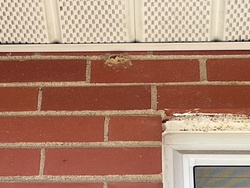
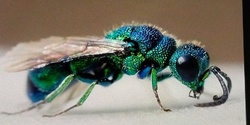
Mud Dauber Wasp identified by the community
Real finds identified with Bug Identifier.
Other bugs you may enjoy
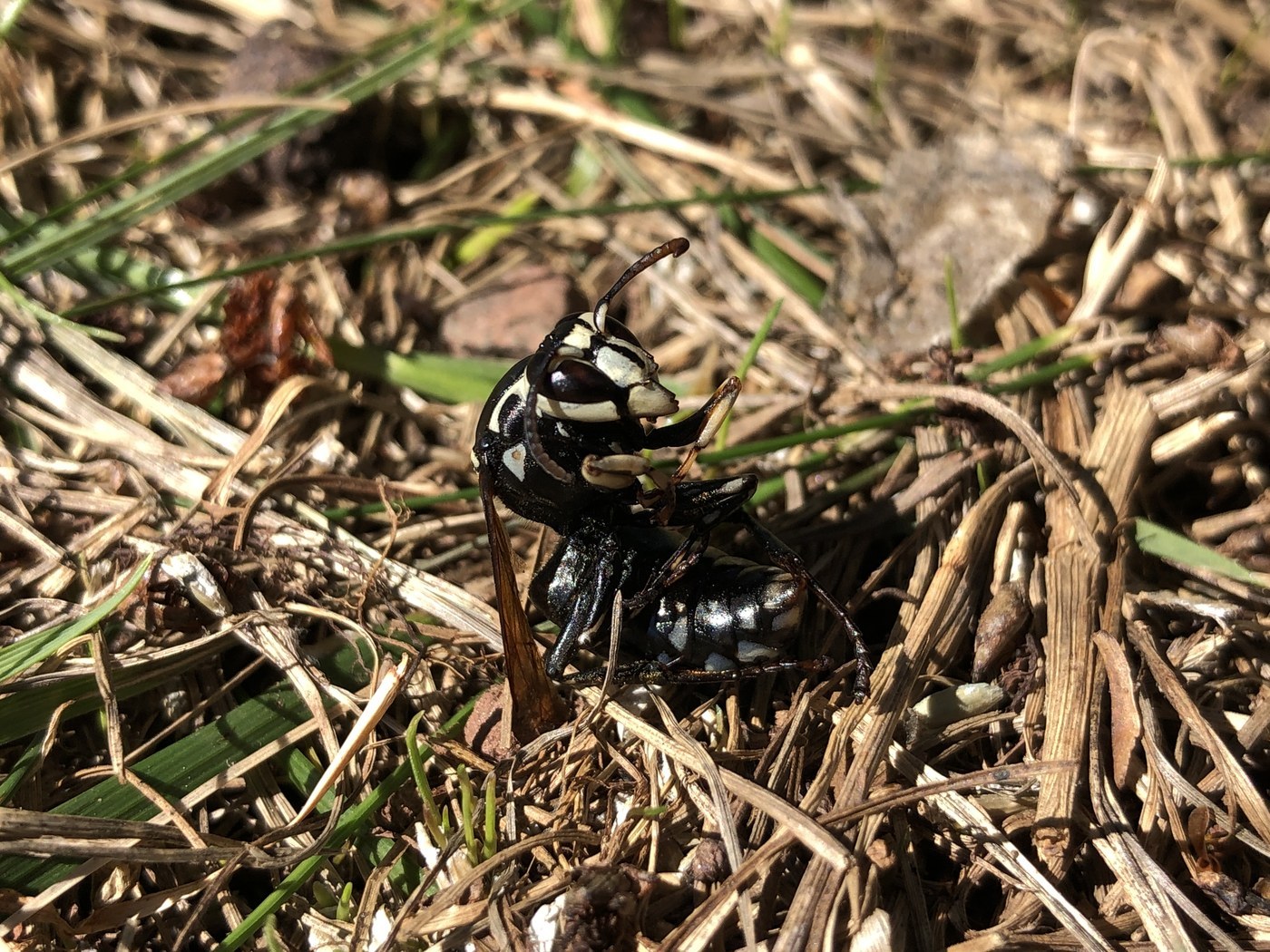
Bald-faced Hornet
Woodland edges, shrubs, and tree branches across North America
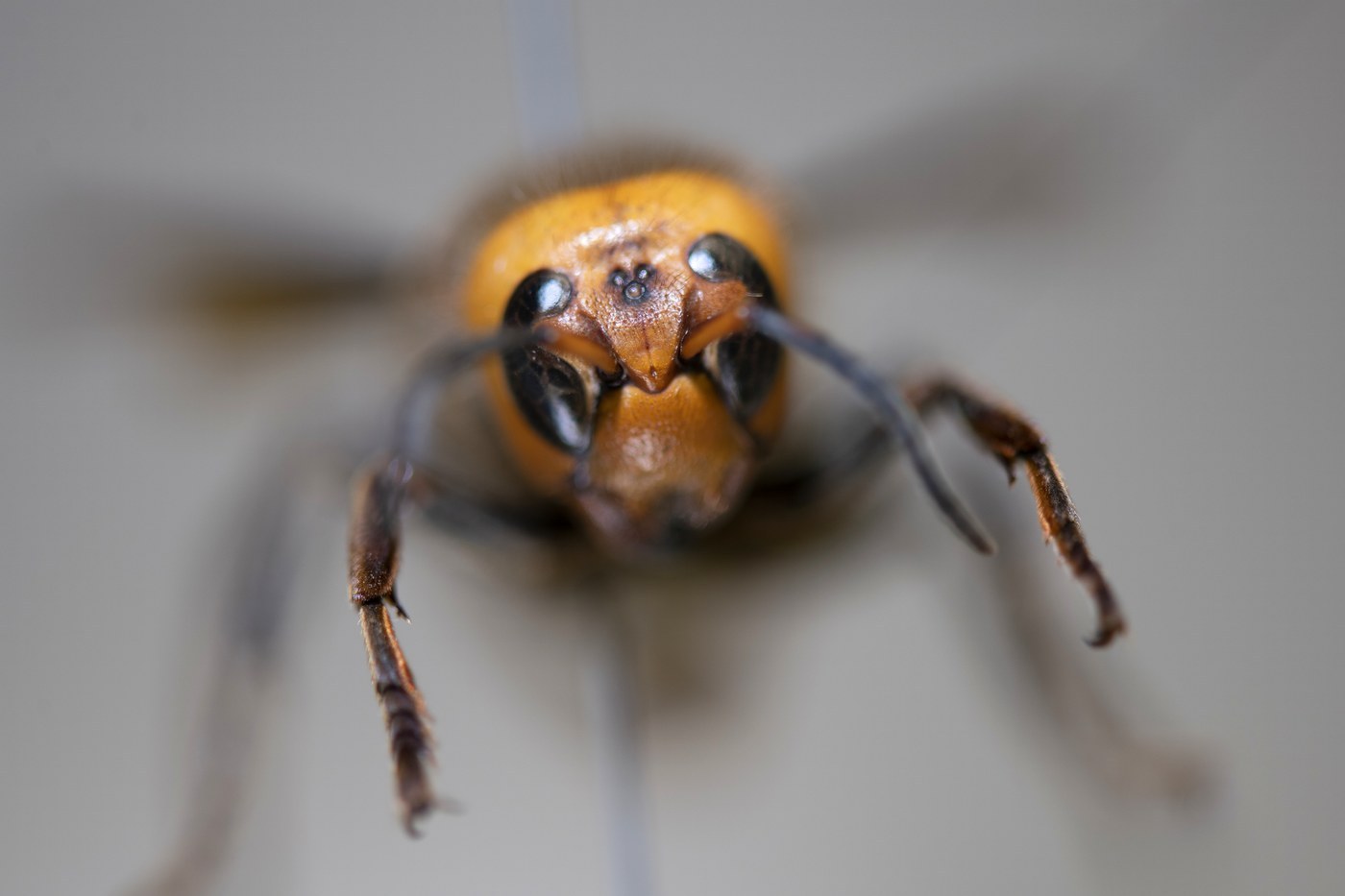
Asian Giant Hornet
Forested lowlands and mountains of East and South Asia; low tree hollows
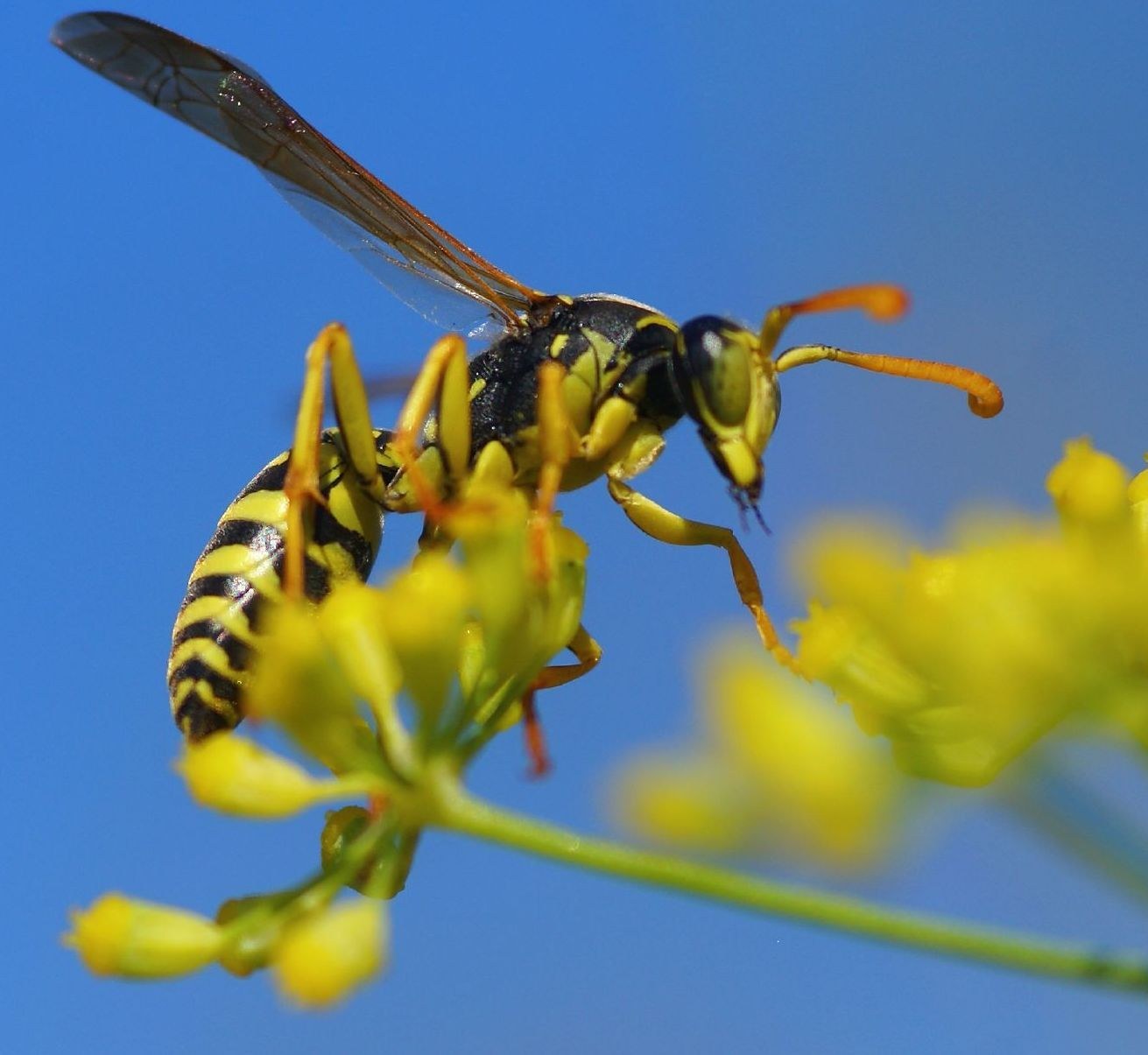
Yellowjacket
Underground nests, wall voids, gardens, picnic areas
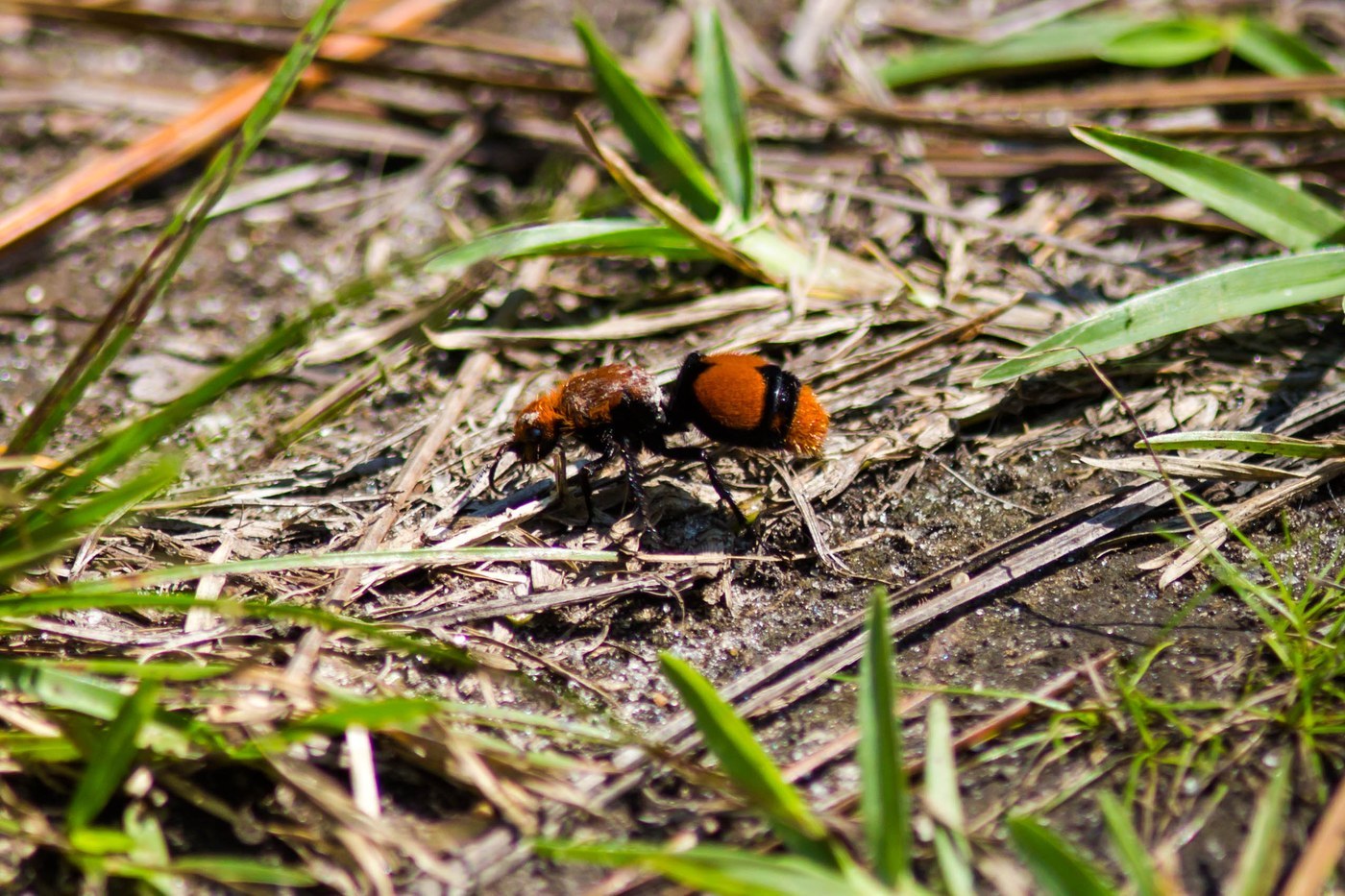
Velvet Ant
Sandy soils, open fields, dunes, roadsides in warm regions
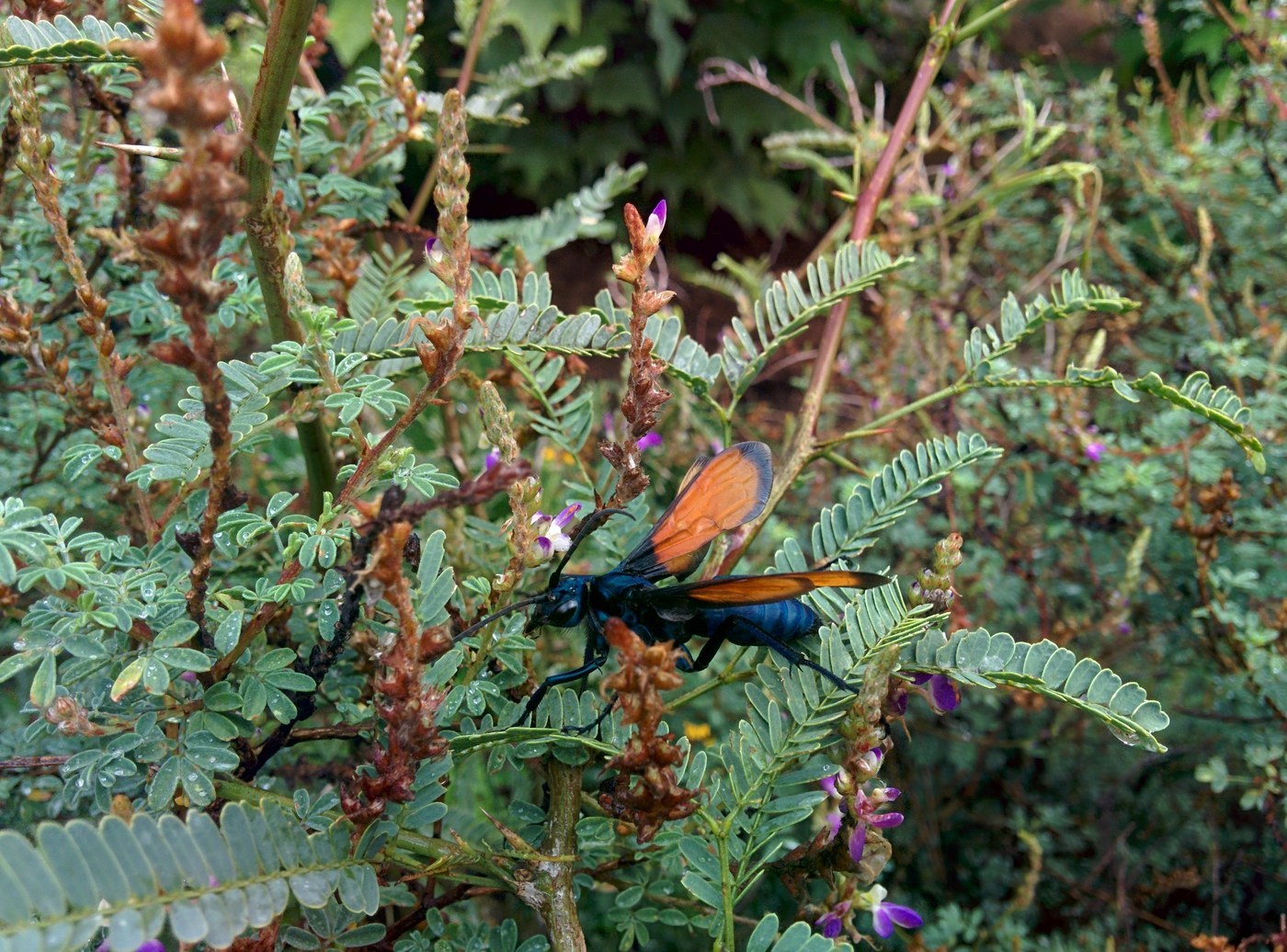
Tarantula Hawk
Deserts, arid scrublands, and dry grasslands
Tarantula Hawk Wasp
Deserts, grasslands, and scrub of the Americas
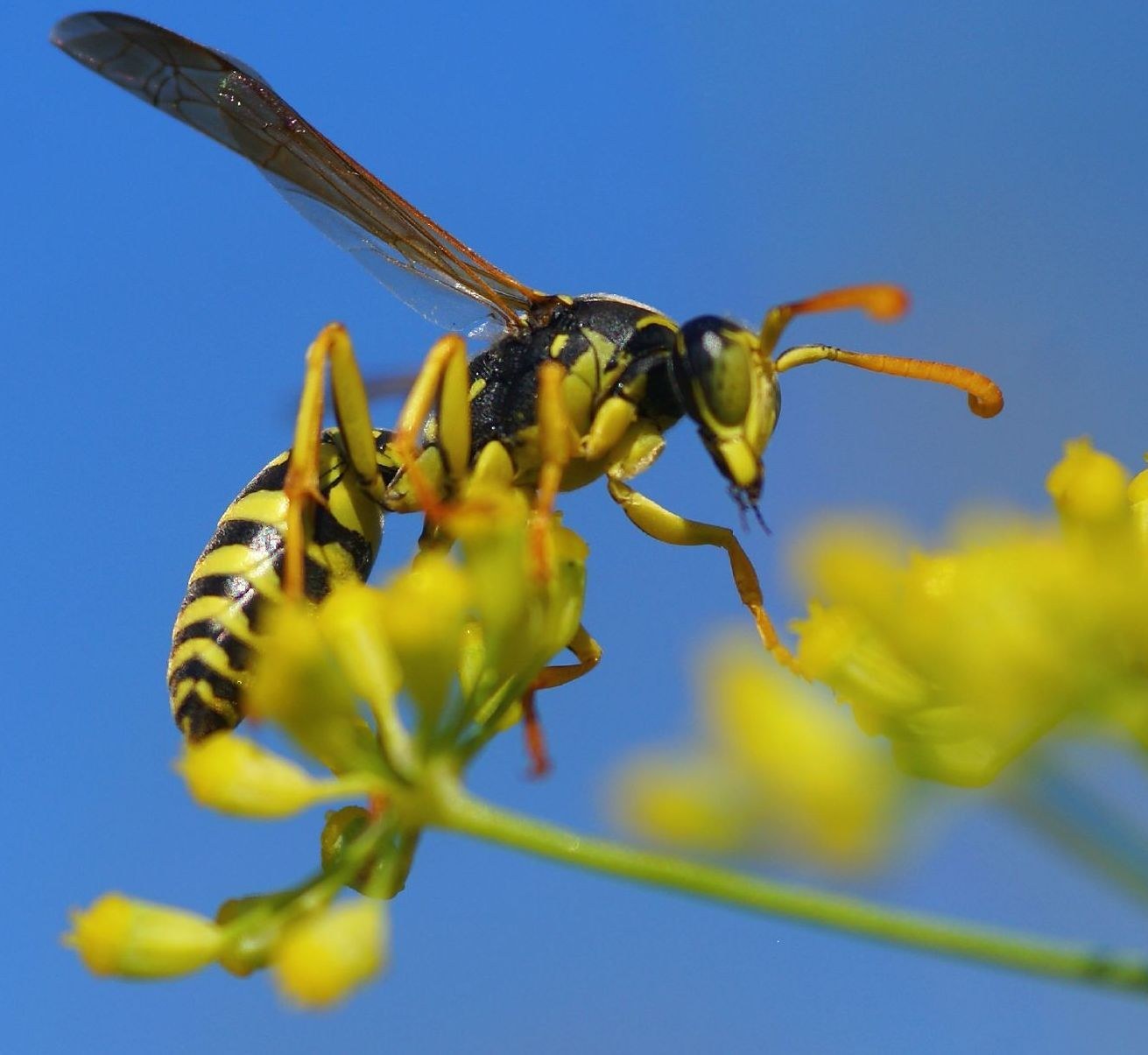
Wasp
Gardens, woodlands, eaves, and urban areas worldwide
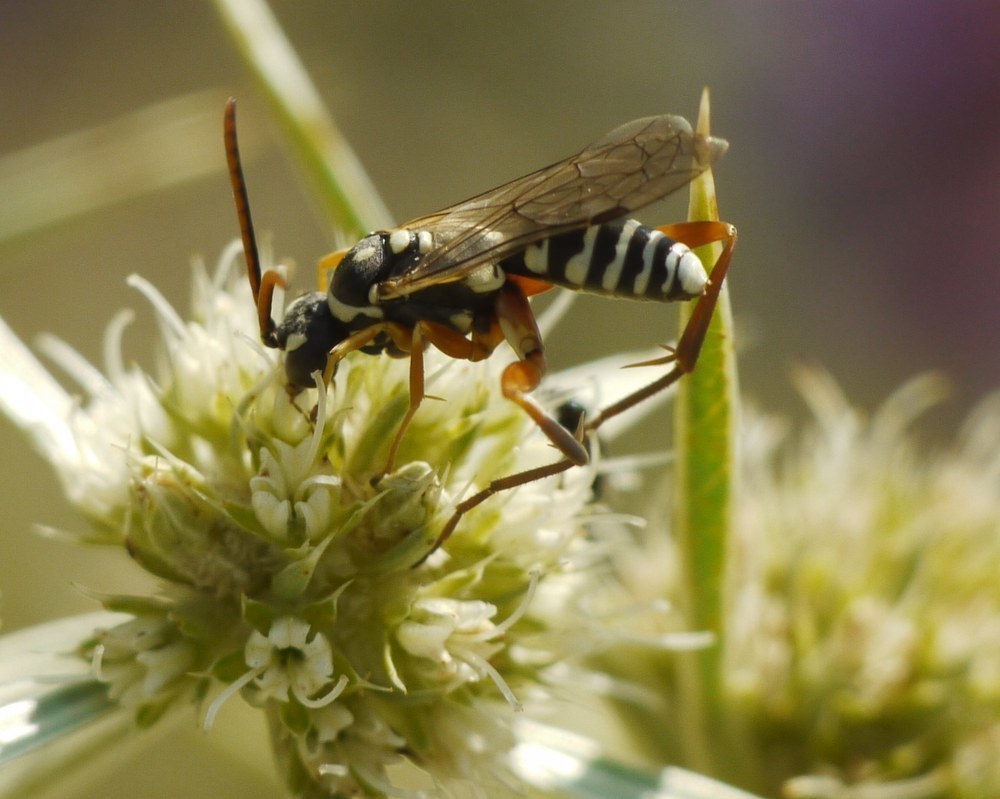
Spider Wasp
Gardens, grasslands, and sandy open areas worldwide
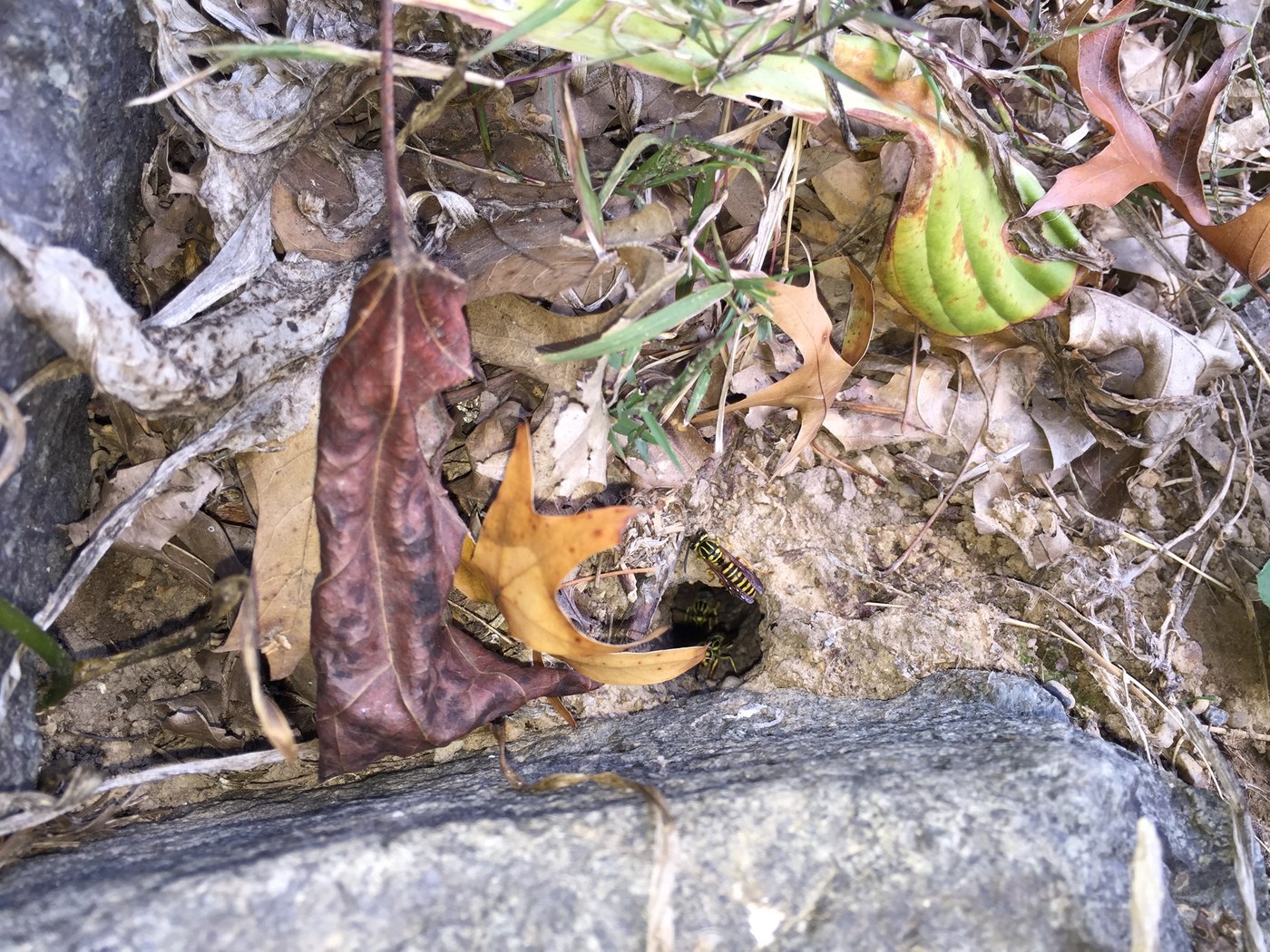
Yellow Jacket
Ground nests, wall voids, parks, and areas near food sources
Sawfly
Gardens, woodlands, and orchards on host foliage
Red Paper Wasp
Eaves, porch ceilings, sheds, open woodland edges, gardens
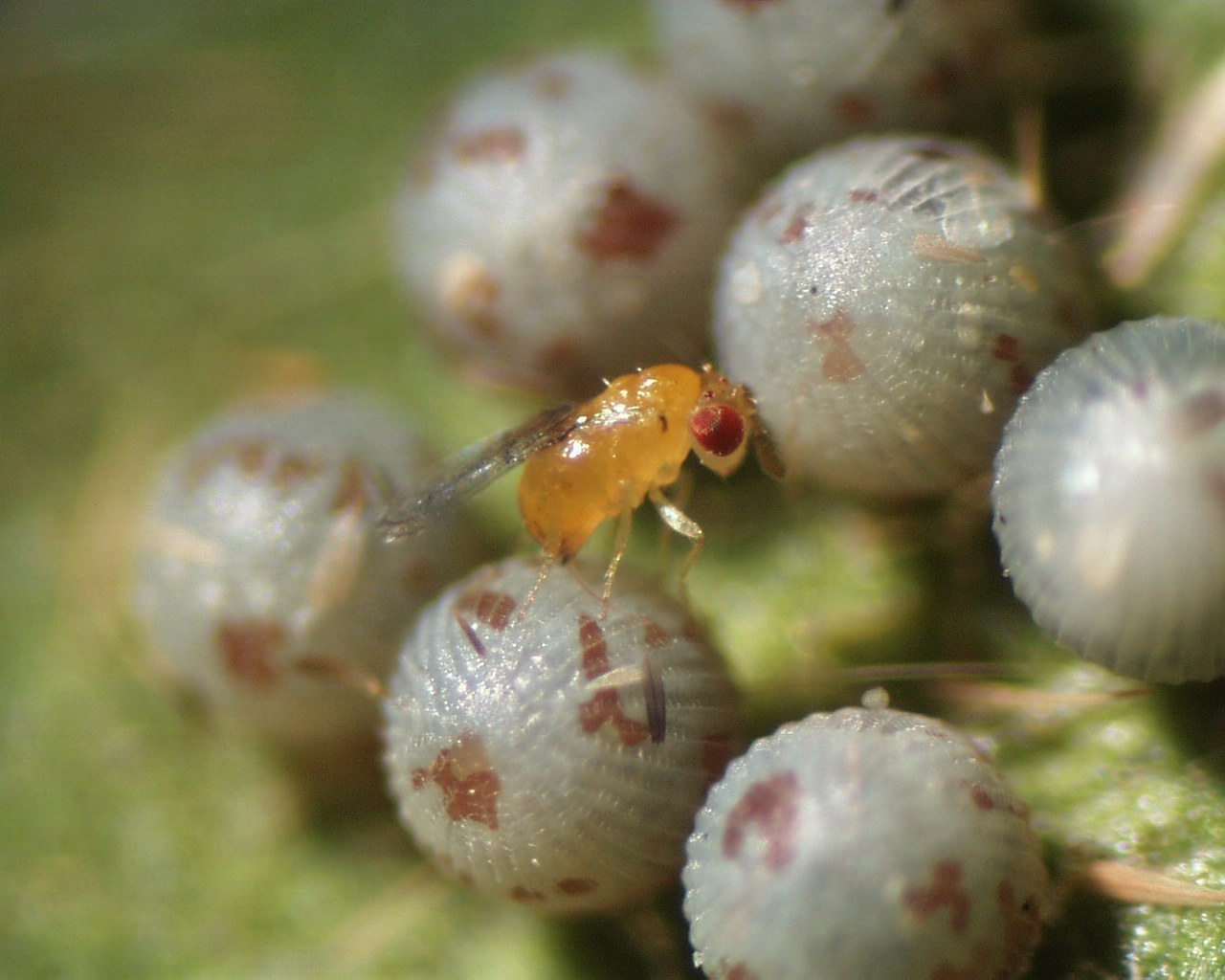
Trichogramma Wasp
Fields, gardens, and crops worldwide