
Northern Mole Cricket Identification Guide
A stout, velvety, burrowing cricket with shovel-like front legs built for tunneling through soil.
Read the full Northern Mole Cricket encyclopedia entry →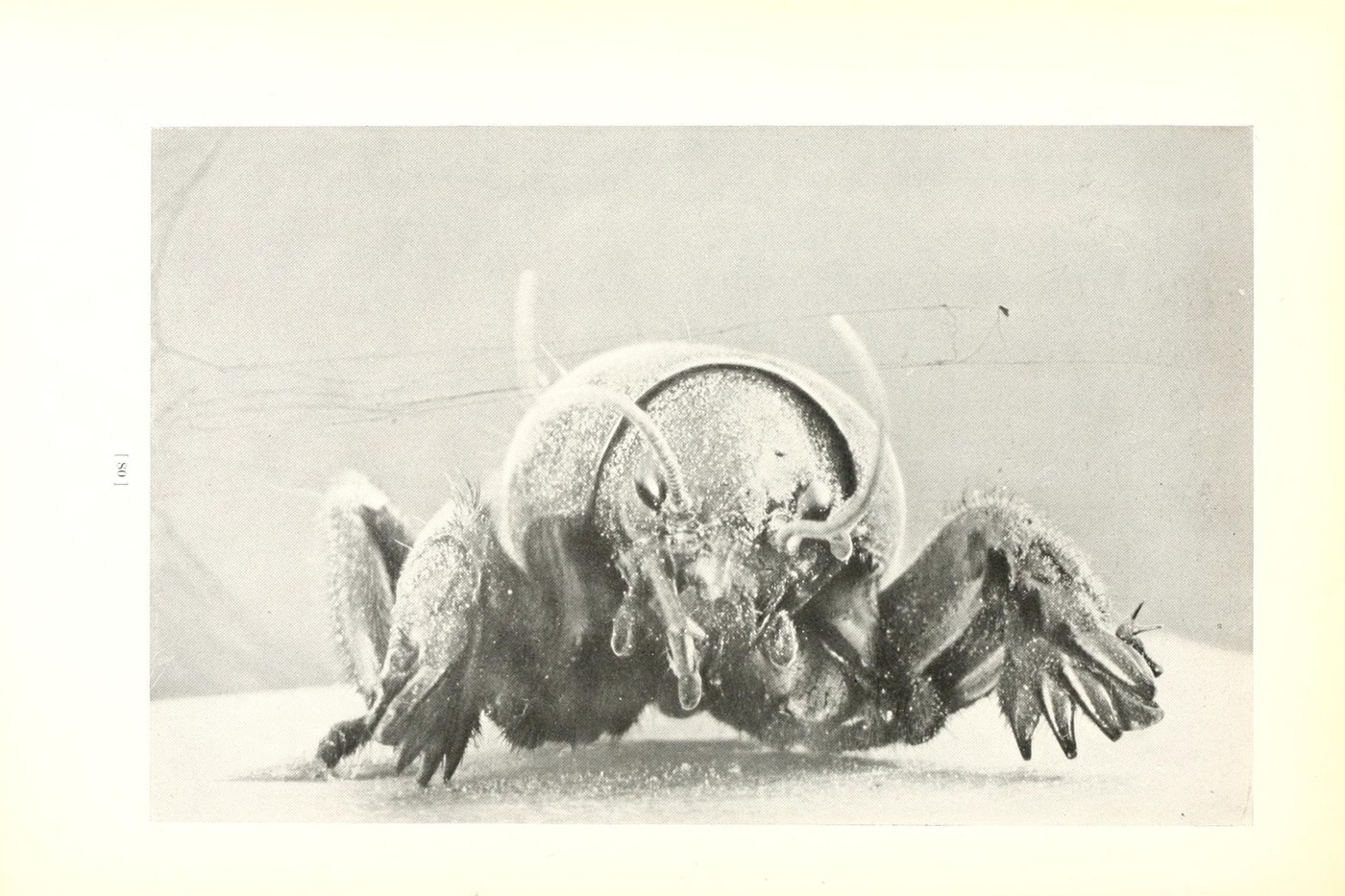
Key Visual Features
The northern mole cricket (Neocurtilla hexadactyla) is a highly specialized burrowing insect that looks quite unlike a typical cricket.
- Size: Medium-large, about 0.75-1.3 inches (2-3.3 cm) long
- Color: Brown to grayish-brown, with a dense, velvety covering of fine short hairs giving a soft, plush texture
- Body shape: Cylindrical and stout, built for pushing through soil rather than jumping, with a smooth, rounded head and thorax
- Wings: Front wings are short and leathery, covering only part of the abdomen; hind wings, when present, are longer and membranous, folding fan-like beyond the abdomen tip
- Legs: The most distinctive feature — the front legs are broad, flattened, and shovel-like with stout digging claws, resembling a mole's paws; the hind legs are comparatively slender since mole crickets rarely jump
- Antennae: Short and thread-like, much shorter than the body
Where and When You'd See It
Northern mole crickets live underground in moist, loose soil near pond edges, stream banks, wet meadows, and garden soil with high moisture content. They dig extensive shallow tunnels and are rarely seen above ground during the day, emerging mainly at night, especially warm, humid evenings from spring through summer, when they may fly briefly or turn up at lights. Their tunneling sometimes leaves telltale raised ridges of disturbed soil at the surface.
Similar-Looking Bugs
- Field or house crickets: Have long, powerful hind legs for jumping and slender front legs, the opposite arrangement of a mole cricket's digging-adapted front legs
- Other mole cricket species: Very similar in overall shape; the northern mole cricket is best distinguished by four evenly spaced claws (dactyls) on each front leg's digging pad and its association with wet, freshwater-adjacent soil
- Beetles (e.g., ground beetles): Have hardened wing covers (elytra) that meet in a straight line down the back, unlike the softer, velvety leathery wings of a mole cricket
- True moles: Obviously vertebrate and much larger, but the shovel-shaped front legs of a mole cricket can superficially evoke a mole's digging paws at a glance
Quick ID Checklist
- Broad, shovel-shaped front legs with digging claws
- Velvety brown body with a cylindrical, stout shape
- Short front wings, longer folded hind wings
- Slender hind legs (not built for big jumps)
- Found underground in moist soil near water, most active at night
Frequently asked questions
What makes the mole cricket's front legs so unusual?
They are broad, flattened, and equipped with stout digging claws, functioning much like a shovel and clearly set apart from the slender legs of typical crickets.
Can northern mole crickets jump like other crickets?
Not really — their hind legs are comparatively slender and are not specialized for big jumps the way a field cricket's are, since their body is adapted for tunneling instead.
When is the best time to see one above ground?
They are largely nocturnal and underground, most likely to be seen or heard on warm, humid nights, especially in spring and summer.
How do I know it's a mole cricket and not a beetle?
Check the wing covers — a mole cricket's front wings are short and softly leathery rather than the hard, straight-edged elytra of a beetle, and it has the telltale shovel-shaped front legs.