
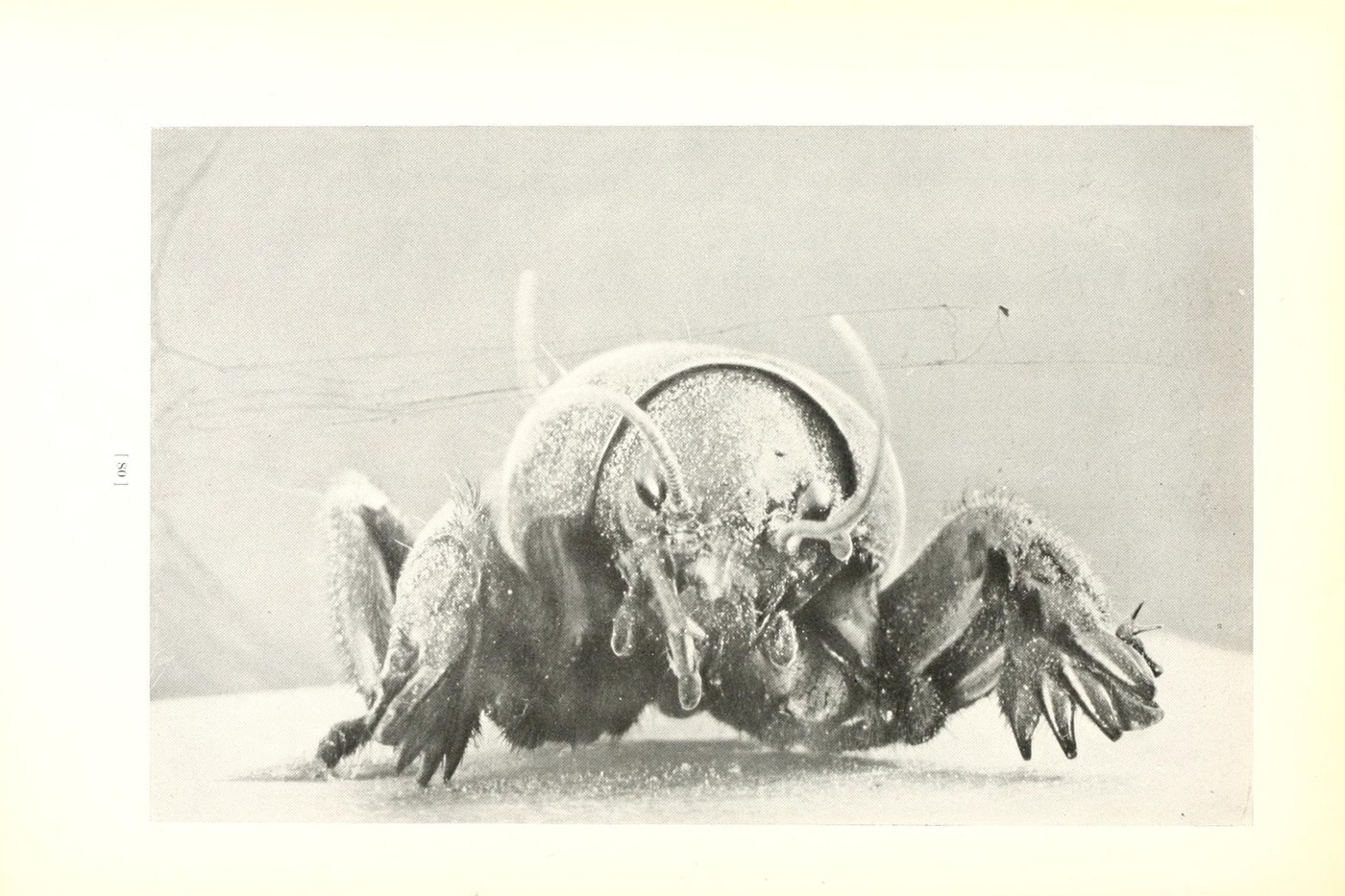
Northern Mole Cricket
Neocurtilla hexadactyla
A stout, velvety brown cricket with shovel-like front legs built for tunneling through damp soil, more often heard as a low buzzing trill at night than seen above ground.
- Size
- 1-1.3 in (2.5-3.3 cm) long
- Habitat
- wet soil, pond margins, and marshy ground across eastern and central North America
- Danger
- Harmless
Spotted a bug like this?
Identify any bug or insect from a photo, free.
Overview
The northern mole cricket is a native North American species in the family Gryllotalpidae, a group of burrowing crickets instantly recognizable by their broad, spade-like front legs, modified for digging rather than jumping or grasping. Unlike most crickets, mole crickets spend the vast majority of their lives underground, surfacing mainly at night or during flights to disperse and find mates.
The body is cylindrical, densely covered in short velvety hairs, and colored in shades of brown, giving it a somewhat mole-like appearance that inspired the common name. The front legs are dramatically widened and equipped with strong, tooth-like projections used to excavate tunnels through moist soil. The hind legs, in contrast to those of other crickets and grasshoppers, are not greatly enlarged for jumping, since the species relies primarily on digging and short flights for movement.
Northern mole crickets are found in wet, low-lying soils near ponds, streams, and marshes throughout much of eastern and central North America. Males produce a distinctive, sustained low-pitched trilling or buzzing call from within their burrows to attract mates, often audible on humid summer nights near water. As omnivores, they feed on plant roots, organic debris, and small invertebrates encountered while tunneling, and their burrowing activity aerates and turns over soil in the wetland habitats they occupy.
How to Identify
- Stout, cylindrical body covered in short, dense velvety hair, typically brown
- Front legs greatly enlarged and shovel-like, with tooth-like projections for digging
- Hind legs comparatively unenlarged, unlike the jumping legs of grasshoppers and other crickets
- Short antennae relative to body length compared to most other crickets
- Wings present and functional for short dispersal flights, though the species spends most time underground
- Six claw-like tarsal segments visible on the digging forelegs, a diagnostic feature reflected in the species name
Habitat & Range
This species occurs across eastern and central North America, favoring wet, poorly drained soils along pond edges, marshes, stream banks, and moist meadows. It burrows extensively in saturated or muddy ground and is rarely seen far from a reliable water source. Adults are most active and vocal on warm, humid nights during late spring and summer.
Behavior & Diet
Northern mole crickets spend most of their lives in underground burrows within wet soil, using their powerful digging front legs to tunnel and forage. Males produce a continuous, low buzzing or trilling call from the burrow entrance on warm nights to attract females, a sound that carries readily across still water and wetland margins. They are capable of short dispersal flights, particularly on humid evenings, and can also swim or move across the water surface if their burrow floods. As omnivores, they consume plant roots, decaying organic matter, and small invertebrates encountered underground, and their tunneling helps aerate wetland soils.
Life Cycle
Mole crickets undergo incomplete metamorphosis. Females lay eggs in underground chambers within moist soil, and nymphs hatch resembling small, wingless versions of the adults. Nymphs remain underground, gradually developing through multiple molts and growing wing pads that become functional wings at the final molt to adulthood. Depending on climate, the life cycle from egg to adult can take about a year, with overwintering typically occurring underground as nymphs or adults in a dormant state.
Frequently asked questions
What are the front legs of a mole cricket used for?
They are broad, shovel-like, and equipped with tooth-like projections used for digging tunnels through wet soil.
Why do mole crickets make a buzzing sound at night?
Males produce a sustained low trilling call from their burrow entrance to attract females, especially on warm, humid nights.
Do northern mole crickets fly?
Yes, they can make short dispersal flights, although they spend most of their time underground.
Where do northern mole crickets live?
They inhabit wet, poorly drained soil near ponds, marshes, and streams across eastern and central North America.
Northern Mole Cricket guides
In-depth guides for identifying, understanding, and living alongside Northern Mole Cricket.
Other bugs you may enjoy
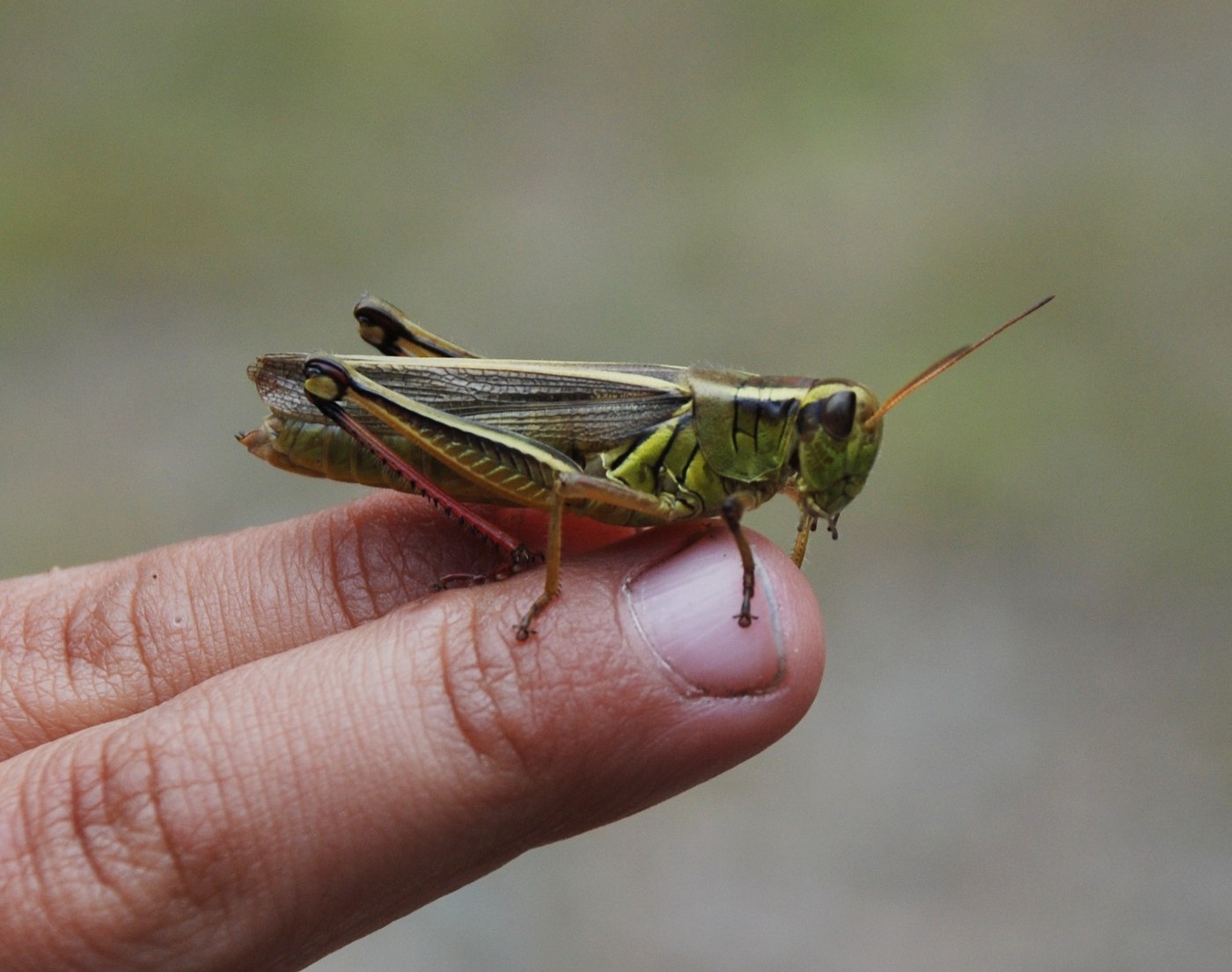
Two-striped Grasshopper
Meadows, pastures, riverbanks, and agricultural fields across North America
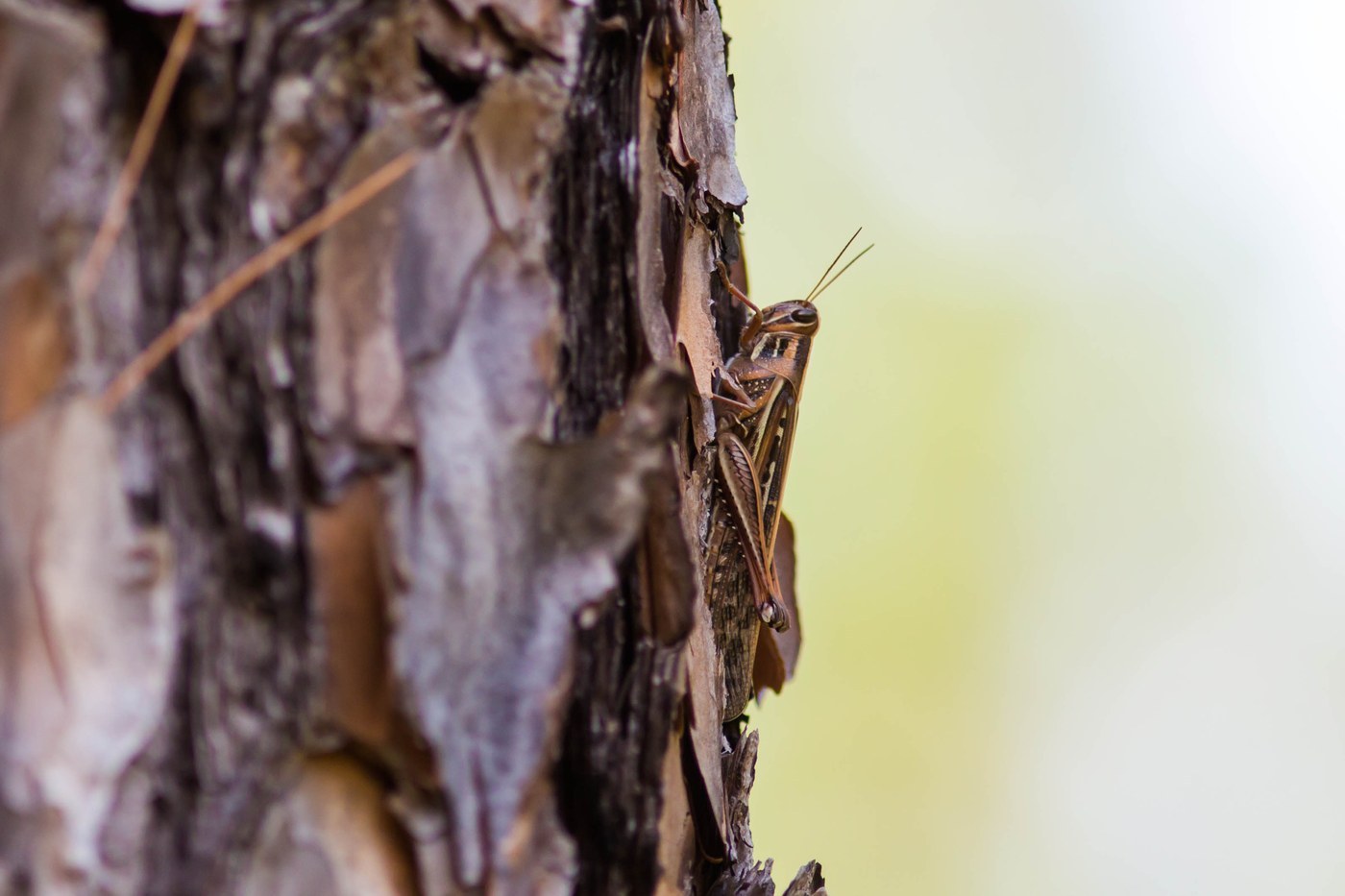
American Grasshopper
Woodland edges, citrus groves, gardens, and open fields across the southern and southeastern United States
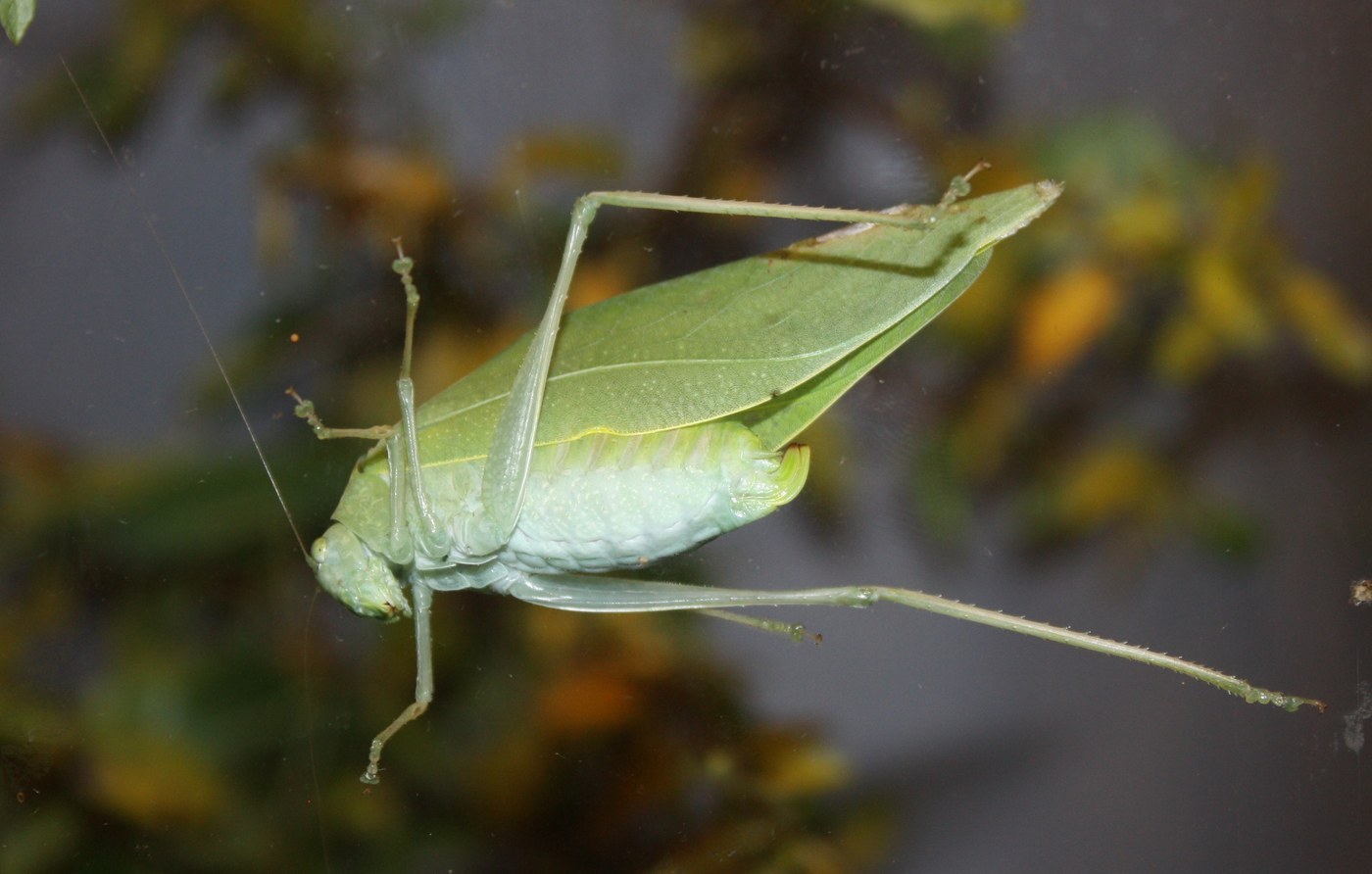
Angular-winged Katydid
deciduous trees, shrubs, and hedgerows across eastern and central North America
Spur-throated Grasshopper
grasslands, meadows, croplands, and roadsides across North America
Snowy Tree Cricket
Shrubs, trees, and tall vegetation across North America
Rocky Mountain Locust
historically open grasslands and river valleys of the Rocky Mountains and Great Plains (now believed extinct)
Spotted Camel Cricket
damp caves, crawl spaces, basements, leaf litter, and rotting logs in eastern North America
Pygmy Grasshopper
damp soil, mud, and low vegetation near ponds, streams, and marshes
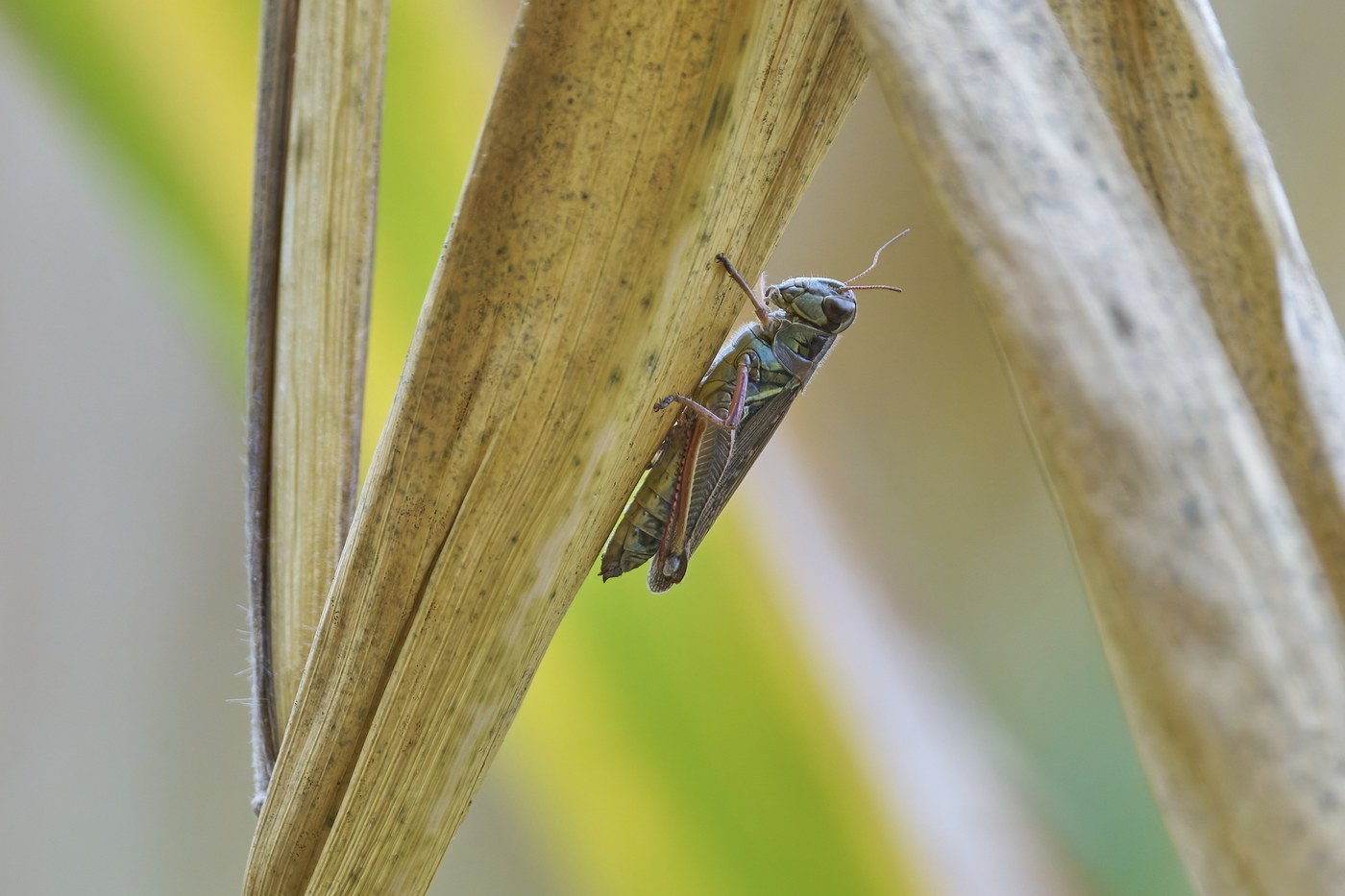
Red-legged Grasshopper
Meadows, pastures, field edges, and gardens across North America
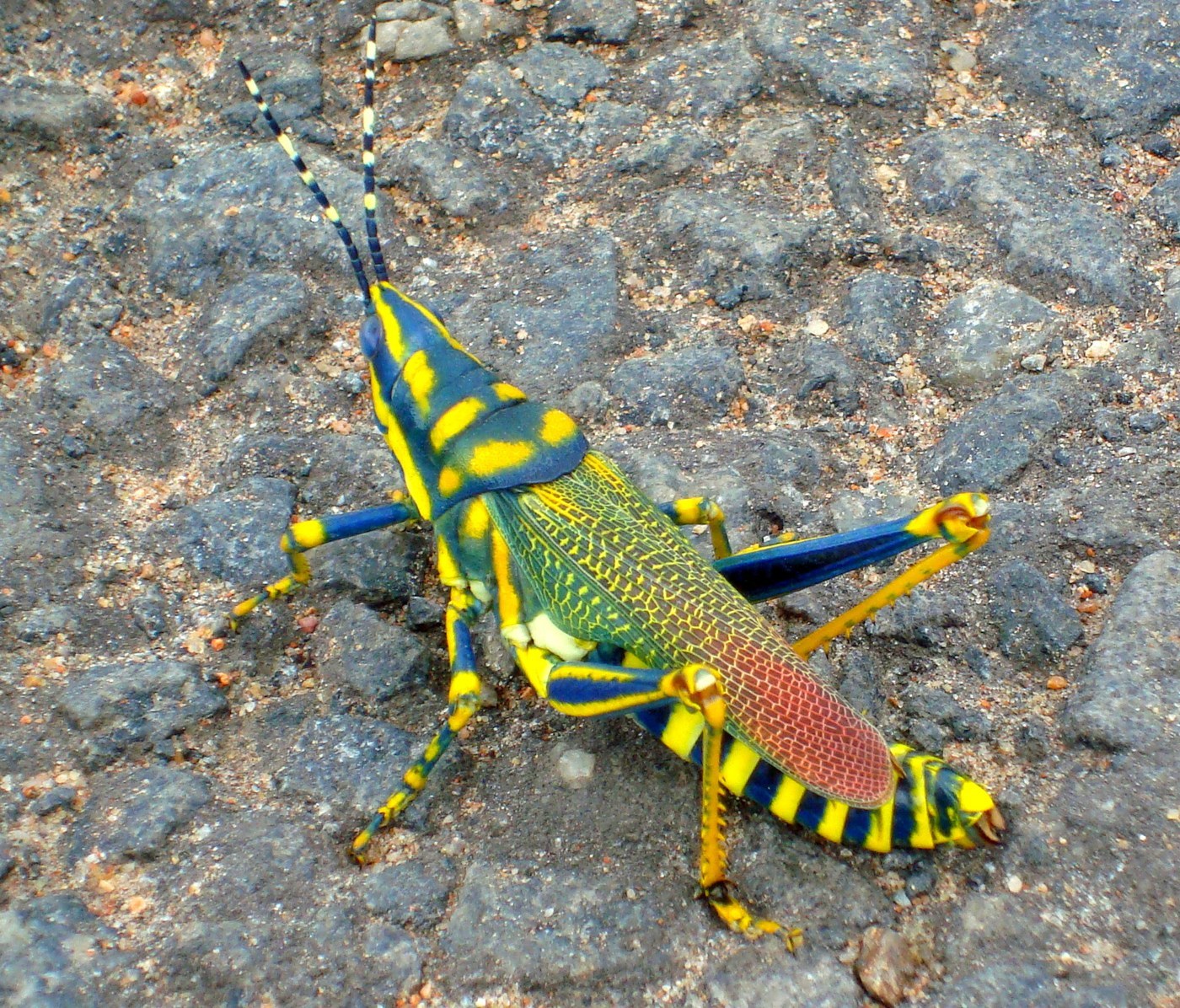
Painted Grasshopper
arid scrub, wastelands, and gardens of the Indian subcontinent, especially near milkweed plants
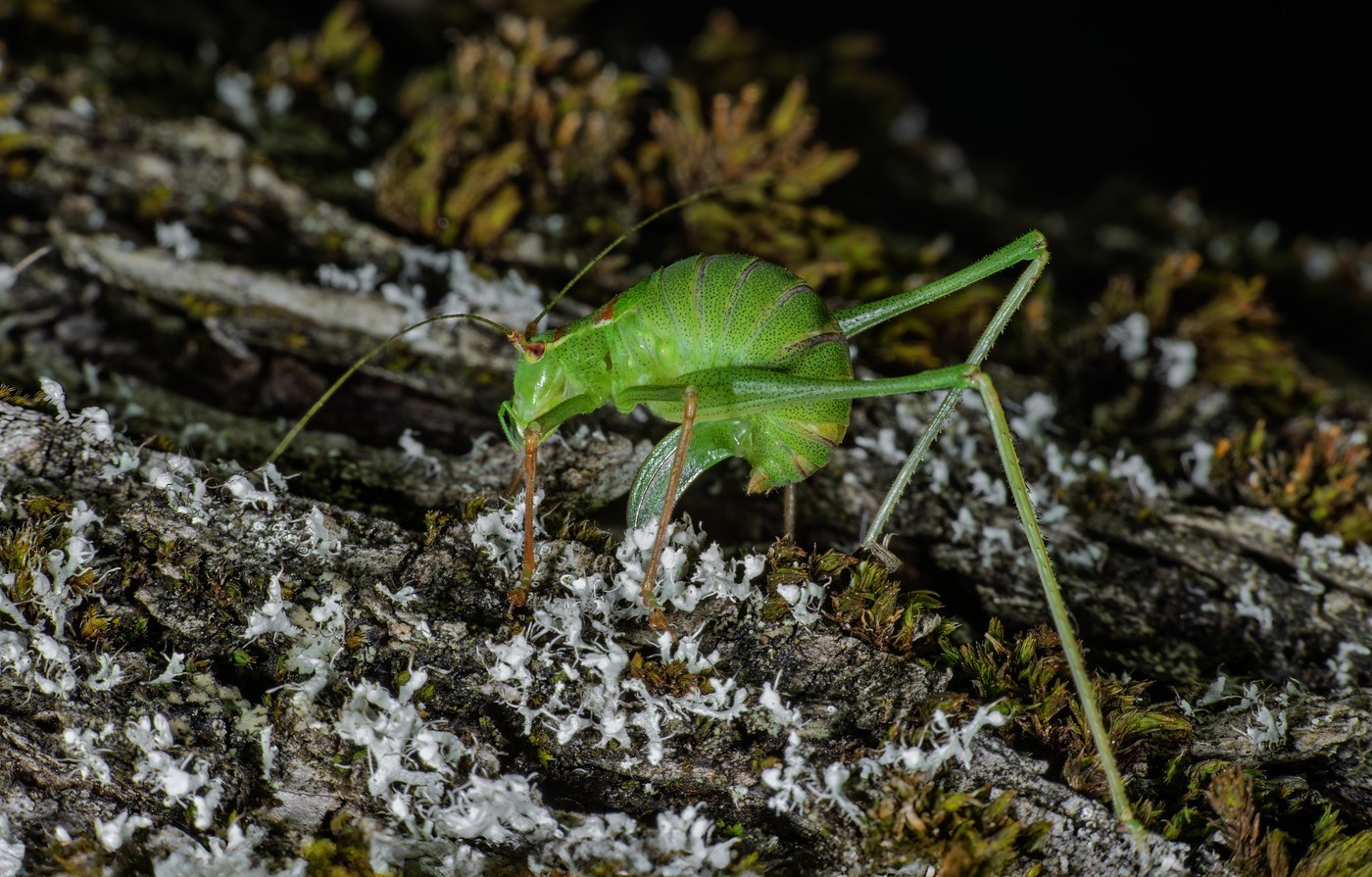
Speckled Bush Cricket
Brambles, hedgerows, nettles, and shrubby vegetation
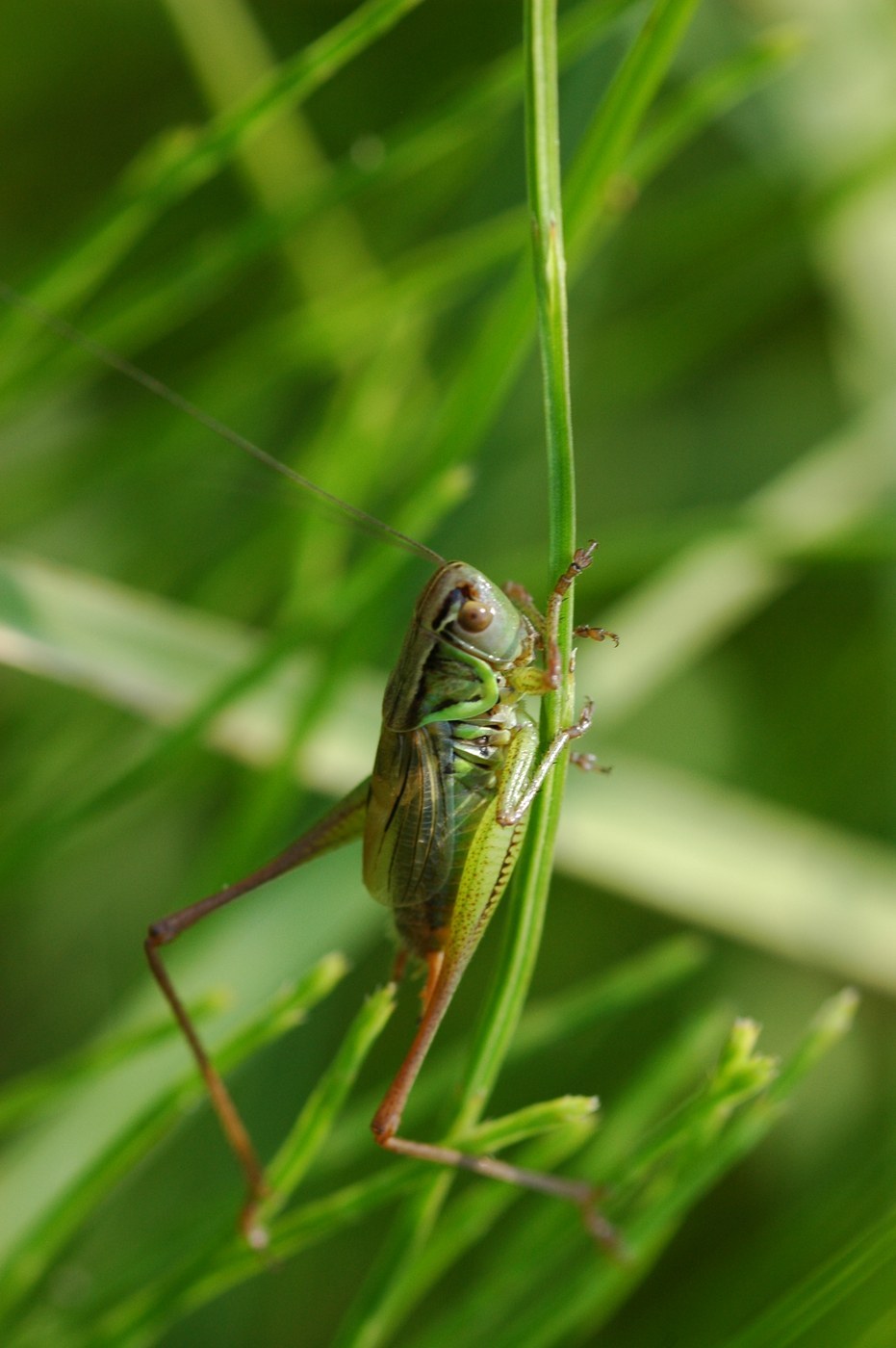
Roesel's Bush Cricket
Damp grasslands, meadows, and roadside verges