Odorous House Ant Identification Guide
Identify the Odorous House Ant by its small dark brown body, uneven thorax profile, and coconut-like scent when crushed.
Read the full Odorous House Ant encyclopedia entry →Key Visual Features
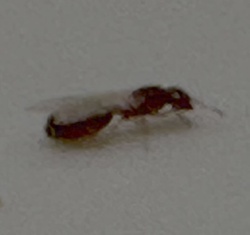
- Small ant, about 2.4-3.3 mm long, with a dark brown to black, somewhat shiny body.
- Thorax has an uneven, bumpy profile when viewed from the side, unlike the smoother outline of some similarly sized ants.
- Waist bears a single node that is typically hidden from view beneath the front of the abdomen, making the abdomen appear to sit close against the thorax.
- Abdomen tip lacks a visible stinger opening with a circular fringe of hairs, distinguishing it from some other small ant groups.
- A key identification trait: when crushed, the ant releases a smell often described as resembling coconut or rotten coconut, which is a useful field clue when other visual features are hard to check.
Where and When You're Likely to See It
- Found throughout much of North America and other temperate regions, common in urban, suburban, and natural areas alike.
- Nests in a wide variety of locations, including under stones, mulch, logs, and within wall voids, especially in moist areas near leaking pipes or foundations.
- Forages along visible trails, often following edges of countertops, baseboards, or outdoor pathways in search of food sources.
- Active year-round in warmer climates and from spring through fall in cooler regions, with colonies sometimes moving nest sites in response to changing moisture levels.
- Commonly noticed indoors after rain, when nests in outdoor soil become flooded and workers relocate.
Similar-Looking Species
- Argentine ants are similar in size and color but have a smoother, more evenly rounded thorax profile and lack the distinctive coconut-like odor.
- Pavement ants are slightly larger and darker, with a pair of small spines visible on the thorax that odorous house ants lack.
- Carpenter ants are much larger, with a single evenly rounded thorax and no odor when crushed.
- Pharaoh ants are smaller and pale yellowish rather than dark brown or black.
Quick ID Checklist
- Small (2-3 mm), dark brown to black, shiny body.
- Uneven, bumpy thorax profile from the side.
- Hidden waist node tucked beneath the abdomen.
- Coconut-like odor released when the ant is crushed.
- Trails often seen along countertops, baseboards, or outdoor edges, especially after rain.
Frequently asked questions
Why is it called the Odorous House Ant?
It gets its name from the distinctive coconut-like smell released when the ant's body is crushed, which is a helpful field identification clue.
How is this ant different from the Argentine Ant?
Odorous house ants have an uneven, bumpy thorax profile and a hidden waist node, while Argentine ants have a smoother thorax outline and no notable odor.
Where do Odorous House Ants usually build their nests?
They commonly nest in moist soil, under mulch or stones, or inside wall voids near sources of moisture such as leaking pipes.
Why do I see more of these ants after it rains?
Heavy rain can flood outdoor nest sites, prompting colonies to relocate, which often makes workers more visible along trails near structures.
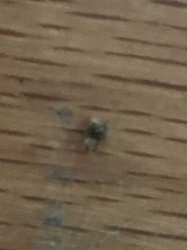
Odorous House Ant identified by the community
Recent Odorous House Ant finds identified with Bug Identifier.