
Odorous House Ant
Tapinoma sessile
A dark, unassuming ant best known for releasing a smell reminiscent of rotten coconut when a worker is crushed.
- Size
- Workers about 2.4-3.3 mm long
- Habitat
- Soil, mulch, wall voids, and areas near moisture indoors and out
- Danger
- Nuisance pest
Spotted a bug like this?
Identify any bug or insect from a photo, free.
Overview
The odorous house ant is one of the most common household ants in North America, nesting both outdoors in soil and mulch and indoors within wall voids, under floors, and near leaky plumbing. Its scientific name, Tapinoma sessile, reflects its low-profile build, and its common name comes from the distinctive smell released when a worker is crushed.
Colonies are flexible in size and structure, ranging from a few dozen ants with one queen to sprawling, multi-queen networks with thousands of workers spread across several interconnected nest sites. This adaptability allows the species to thrive in a wide range of habitats, from forest leaf litter to suburban kitchens.
Odorous house ants are native to North America and are especially active in warm weather, often moving indoors in search of moisture during droughts or heavy rains.
How to Identify
- Small workers, 2.4-3.3 mm, dark brown to black
- Single small node on the petiole, usually hidden from above by the gaster
- Uneven, somewhat humped thoracic profile when viewed from the side
- Releases a strong rotten-coconut odor when crushed, the most reliable identification clue
- No stinger; moves in loose, meandering foraging trails
- Similar in size to little black and pavement ants but distinguished by odor and hidden petiole node
Habitat & Range
Found throughout much of North America, this species nests in soil under stones, logs, mulch, and leaf litter, as well as in wall voids, insulation, and beneath flooring in buildings. It favors areas with reliable moisture and often relocates nests seasonally, moving colonies indoors during extreme heat, drought, or heavy rainfall.
Behavior & Diet
Odorous house ants are opportunistic omnivores, feeding on other insects, plant nectar, and sugary foods, with a strong preference for honeydew produced by aphids and other sap-feeding insects, which they tend for this resource. Foraging workers travel along semi-permanent trails between nest sites and food sources. Colonies may contain hundreds of queens and readily bud into new satellite nests when disturbed or when populations grow large.
Life Cycle
Development follows complete metamorphosis through egg, larva, pupa, and adult stages. Because colonies are polygynous, brood production can continue across multiple nest sites simultaneously. Reproductive swarms of winged males and queens typically occur in late spring or summer, though budding by existing queens is a more common way new colonies form.
Frequently asked questions
Why is it called the odorous house ant?
A crushed worker releases a distinctive smell often compared to rotten coconut, which is the easiest way to identify the species in the field.
Where do odorous house ants nest?
They nest in soil, mulch, and leaf litter outdoors, and in wall voids or under flooring near moisture sources when they move indoors.
Do odorous house ants sting?
No, they lack a functional stinger and rely on their odor and mandibles rather than stinging.
What do these ants eat?
They are omnivorous, feeding on small insects, plant materials, and especially honeydew from aphids and other sap-feeding insects.
Odorous House Ant guides
In-depth guides for identifying, understanding, and living alongside Odorous House Ant.
Odorous House Ant identified by the community
Real finds identified with Bug Identifier.

Other bugs you may enjoy
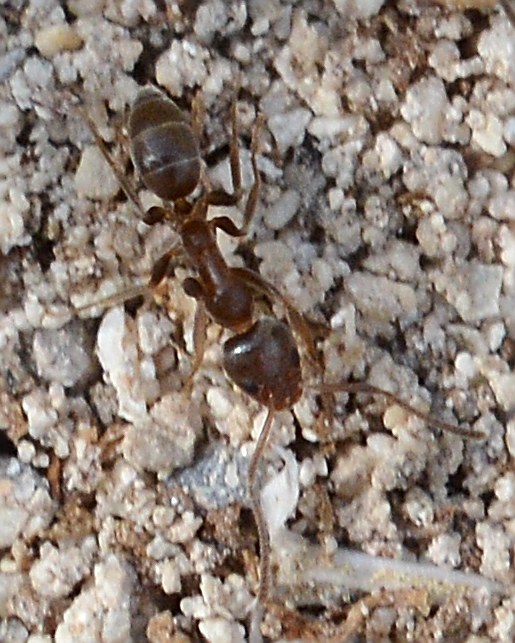
Argentine Ant
Disturbed urban soil, gardens, and building perimeters
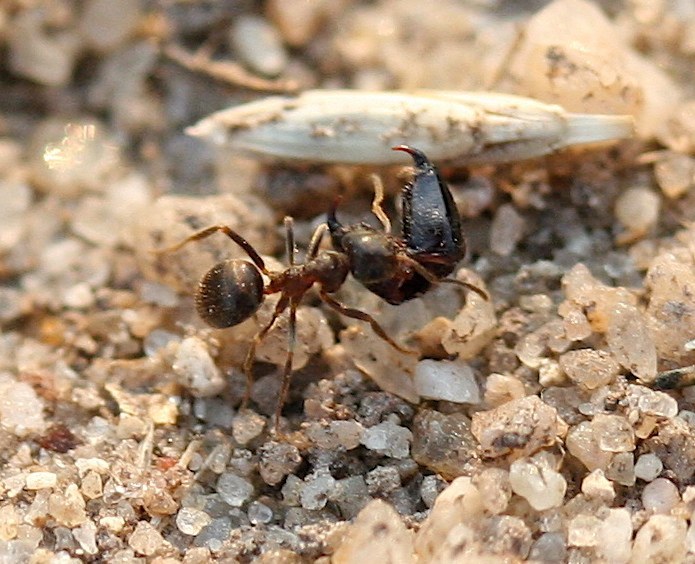
Ant
Gardens, lawns, woodlands, sidewalks, and buildings worldwide
Weaver Ant
Canopy of tropical forests, orchards, and mangroves
Sugar Ant
Gardens, woodlands, and urban areas; nests in soil, timber, or tree hollows
Trap-Jaw Ant
Tropical and subtropical forests, leaf litter, sandy coastal soils
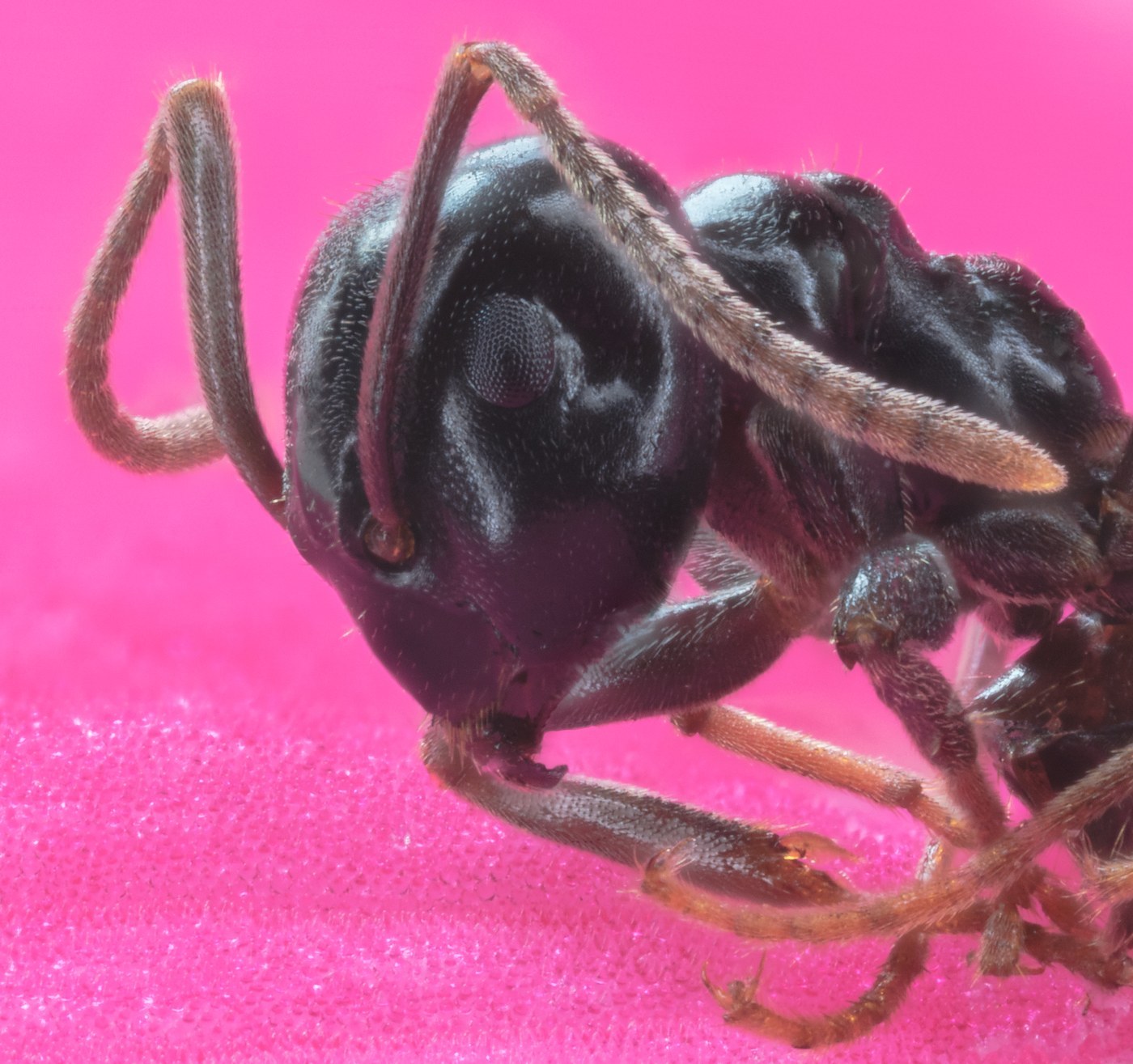
Pharaoh Ant
Warm, humid indoor voids such as wall cavities and heating ducts
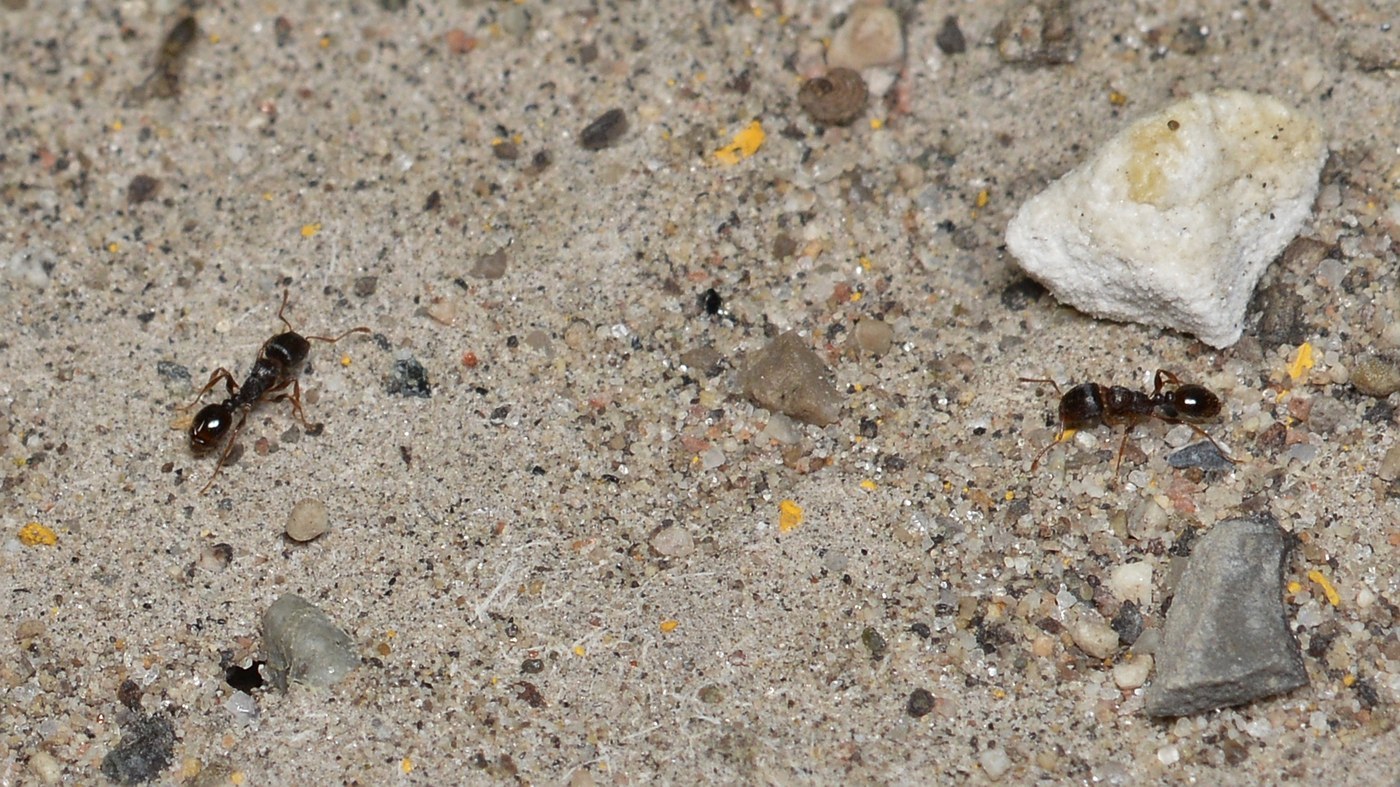
Pavement Ant
Cracks in sidewalks, driveways, and building foundations
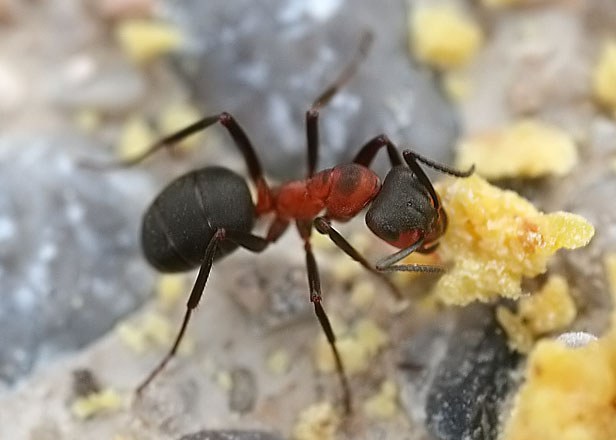
Red Wood Ant
Coniferous and mixed woodland, forest clearings and edges
Harvester Ant
Arid grasslands, deserts, and open sandy areas
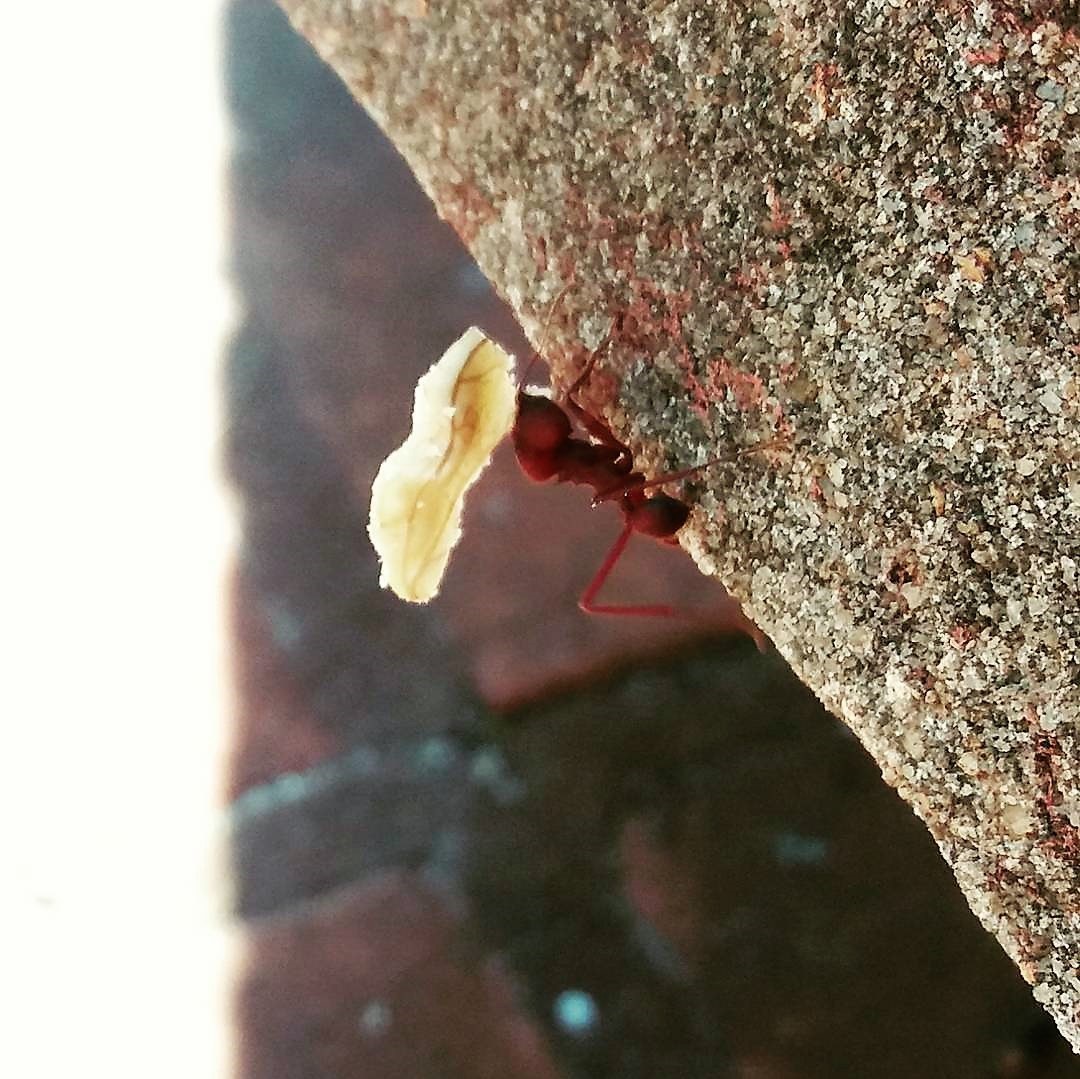
Leafcutter Ant
Tropical and subtropical forests, farmland edges
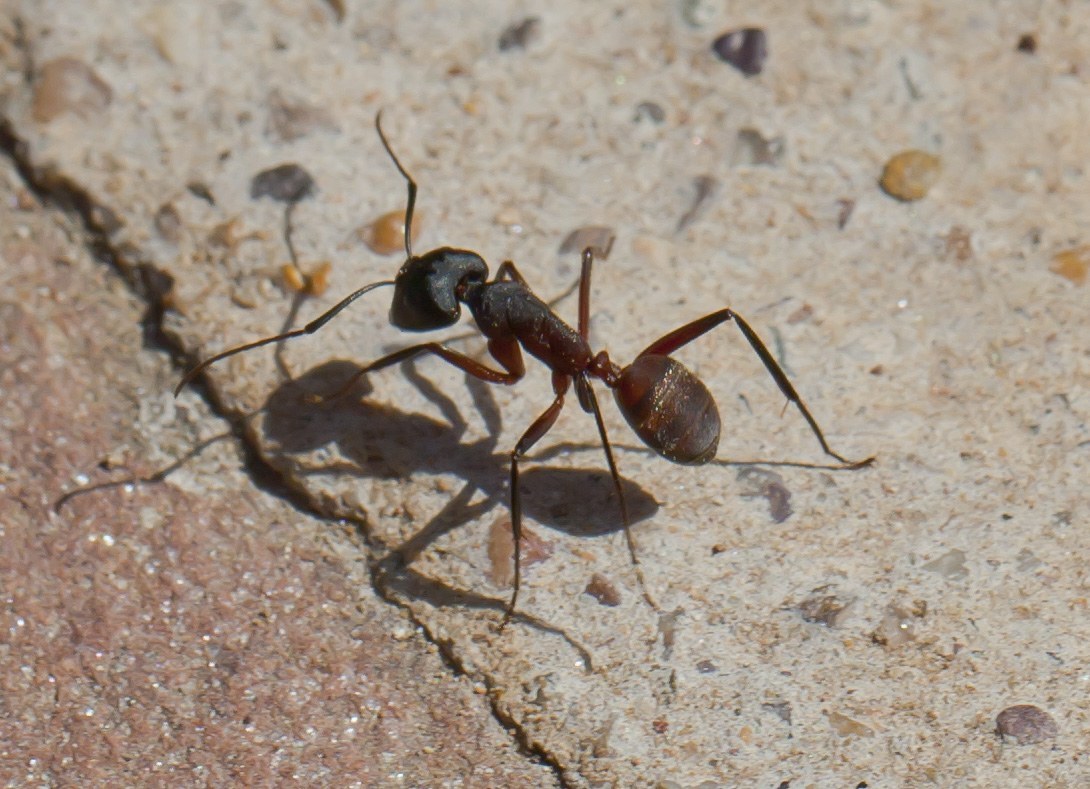
Little Black Ant
Lawns, gardens, rotting wood, and occasionally indoors
Field Ant
Open fields, meadows, lawns, and woodland edges