Pearl Crescent Identification Guide
A small, common orange-and-black butterfly named for the pale crescent mark on its hindwing underside.
Read the full Pearl Crescent encyclopedia entry →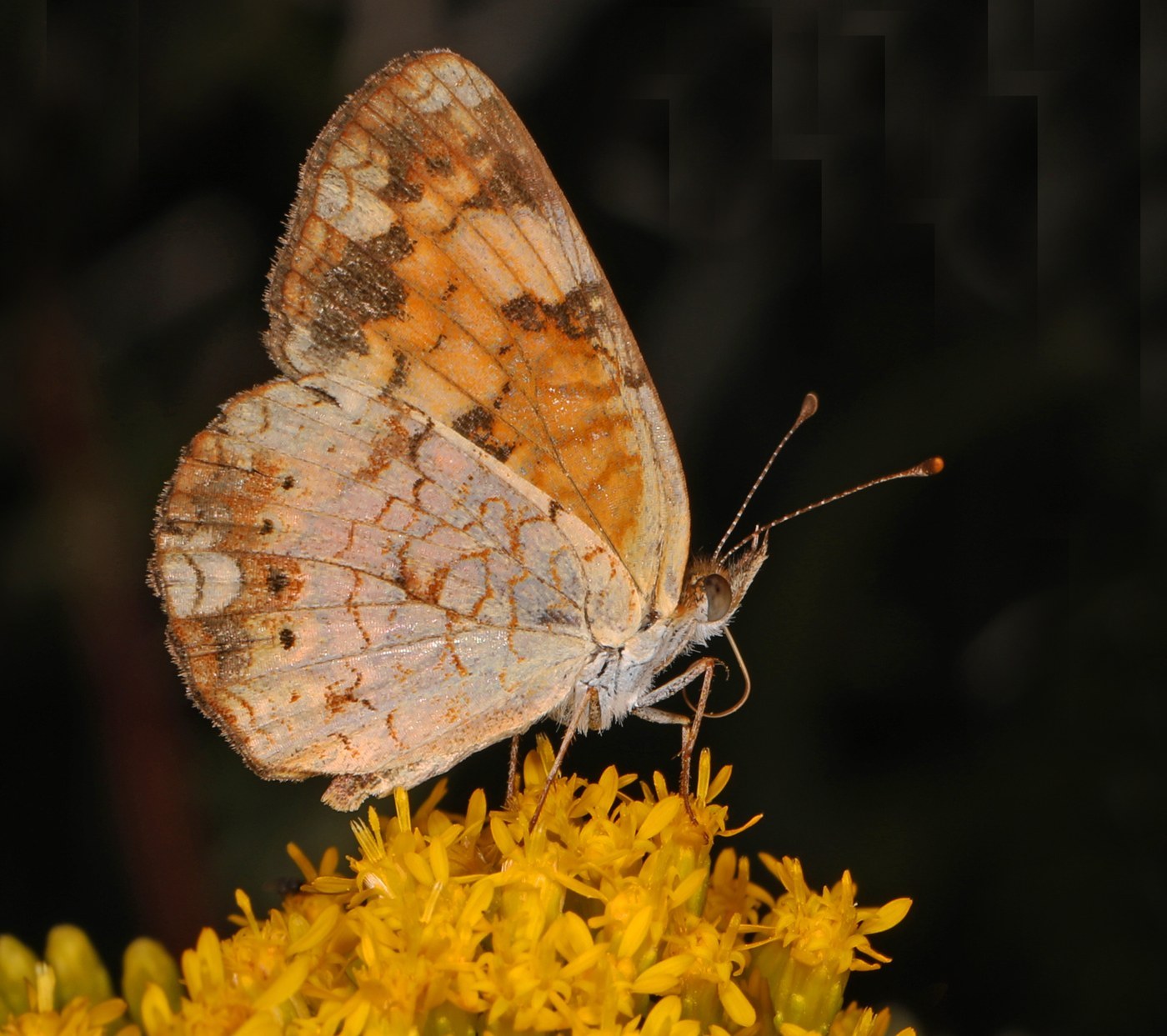
Key Features
The pearl crescent (Phyciodes tharos) is a small butterfly with a wingspan of about 1 to 1.5 inches. Identification features include:
- Upperside is bright orange crossed with a fine, net-like mesh of black lines and spots, bordered by a darker black margin.
- Underside of the hindwing is pale tan to light orange with a mottled pattern and a small, pale crescent-shaped mark near the outer edge, which gives the species its common name.
- Wings are small and rounded, with a somewhat checkered overall look when viewed from above.
- Antennae are thin with small orange-tipped clubs.
Where and When to Spot It
This is one of the most widespread and commonly encountered small butterflies in the eastern and central United States, found in open fields, meadows, roadsides, pastures, and gardens. It produces multiple generations from spring through fall across most of its range and is often seen in loose groups nectaring on low flowers or puddling on damp soil and gravel. Its host plants are various asters, so look for concentrations of activity near aster patches.
Similar Species
- Northern crescent and tawny crescent: Very similar in size and color; these are best distinguished by subtle differences in the underside pattern and by geographic range, often requiring a close look.
- Silvery checkerspot: Larger, with a bolder, more contrasting black-and-orange checkered pattern and silvery spots on the underside.
- Question mark and eastern comma: Noticeably larger with ragged wing edges and ash to Silvery marking, easily separated by size and wing shape.
Quick ID Checklist
- Small orange-and-black butterfly, about 1 to 1.5 inches
- Fine, net-like black markings over orange on the upperside
- Pale crescent mark on the hindwing underside
- Found in open fields and meadows, often in small groups
- Multiple generations from spring through fall
FAQs
Frequently asked questions
How did the pearl crescent get its name?
It is named for a small, pale, crescent-shaped mark located on the underside of the hindwing near the outer margin.
How can I tell a pearl crescent from a northern or tawny crescent?
These species are very similar; subtle differences in underside markings and geographic range are usually needed to tell them apart with confidence.
What plants are pearl crescents typically found near?
Various asters serve as caterpillar host plants, so adults are often seen concentrated in areas where asters grow.
How many generations does the pearl crescent have each year?
It produces multiple generations from spring through fall across most of its range, making it a common sight for much of the warm season.
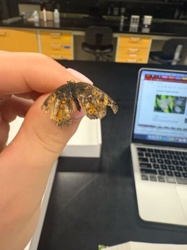
Pearl Crescent identified by the community
Recent Pearl Crescent finds identified with Bug Identifier.