
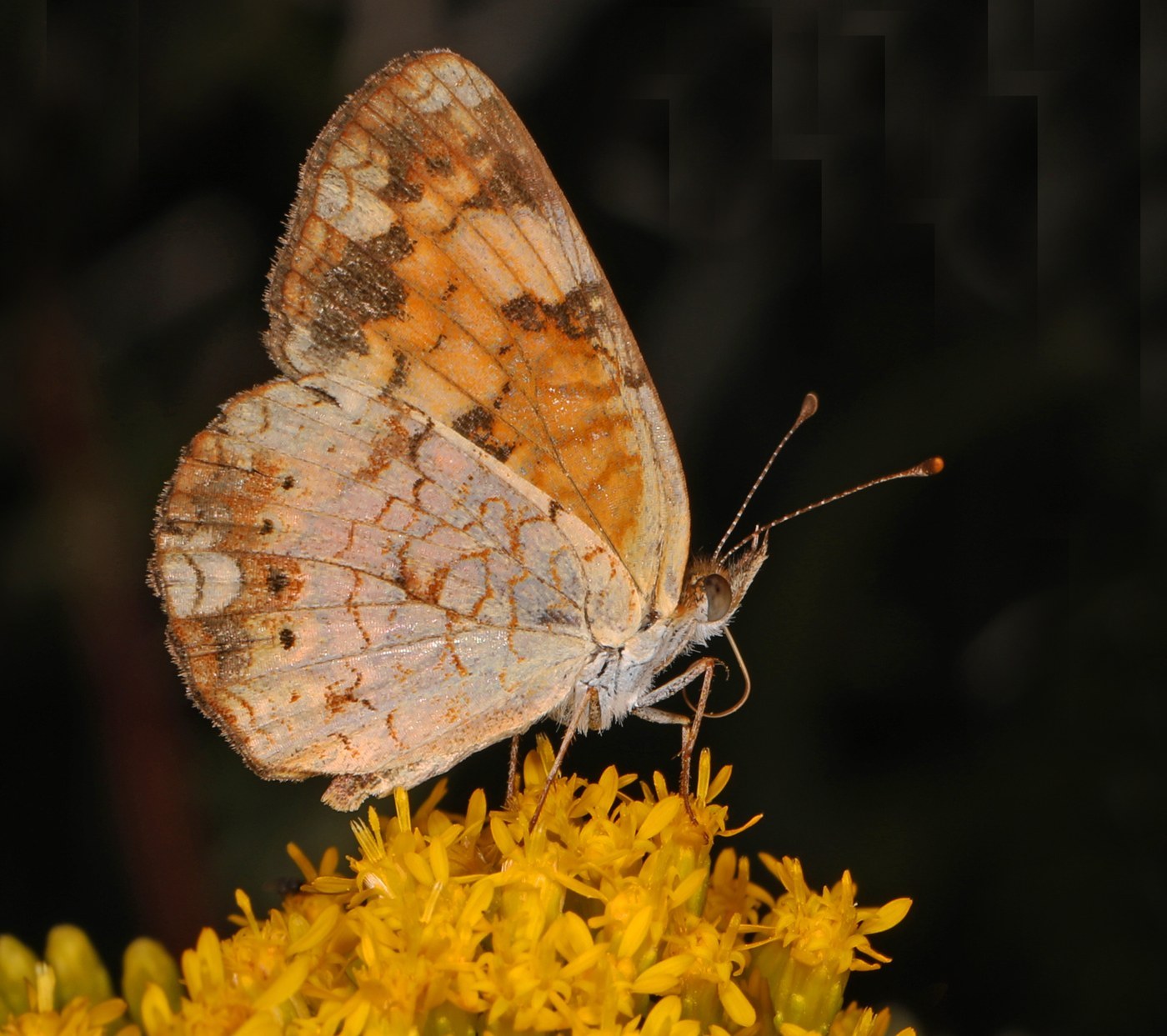
Pearl Crescent
Phyciodes tharos
A small, orange-and-black checkered butterfly that is one of the most abundant and widespread species in open fields across the continent, easily recognized by its crescent-shaped pale marking on the hindwing underside.
- Size
- 1.0–1.5 in wingspan
- Habitat
- Open fields, meadows, roadsides, and pastures across most of North America
- Danger
- Harmless
Spotted a bug like this?
Identify any bug or insect from a photo, free.
Overview
The Pearl Crescent is a common brushfoot butterfly (family Nymphalidae, subfamily Nymphalinae) found in open, sunny habitats throughout most of the continental United States and southern Canada. It belongs to a group of similar-looking "crescent" butterflies whose subtle differences make them a classic identification challenge for field observers.
Despite the identification difficulty within its genus, the Pearl Crescent itself is one of the most frequently encountered small orange butterflies in gardens, fields, and roadside habitat, often appearing in numbers wherever its aster-family host plants grow.
Its abundance and broad tolerance of disturbed and cultivated landscapes make it an ecologically resilient species and a familiar sight for casual butterfly watchers.
How to Identify
- Upperside is orange with a network of black lines and spots forming a checkered pattern typical of crescents.
- Underside of the hindwing is pale tan-orange with a small dark, pearl-shaped or crescent-shaped marking near the outer margin, which gives the species its name.
- Small size and rounded wings compared to larger fritillaries.
- Antennae clubs are orange-tipped.
- Lookalikes: several other crescent species (such as the Northern Crescent and Tawny Crescent) look nearly identical and often require close examination of the hindwing underside marking or geographic range to distinguish; fritillaries are larger with silvery spangled undersides.
Habitat & Range
Widespread across the eastern two-thirds of the United States, extending into the Southwest and southern Canada, and absent mainly from the far Northwest and highest elevations. It favors open, sunny habitats including meadows, pastures, vacant lots, roadside verges, and gardens. Adults are active from spring through fall across much of the range, with continuous overlapping generations in warmer regions.
Behavior & Diet
Adults fly low and fast in short bursts, frequently stopping to bask with wings spread flat on low vegetation or bare ground. They nectar at a wide variety of small composite flowers such as asters and fleabane. Males perch and patrol to find mates, and are known to gather at damp soil or puddles. Caterpillars feed on various aster-family plants and are gregarious when young, later dispersing to feed individually; the species serves as prey for birds and predatory insects at multiple life stages.
Life Cycle
Eggs are laid in clusters on the underside of aster leaves. Young caterpillars are gregarious, feeding together in a communal web-like shelter before dispersing as they mature; they are dark with branching spines. Pupation occurs in a hanging chrysalis attached to nearby vegetation. Multiple generations occur each year across most of the range (as many as three or more in warmer areas), with the species typically overwintering as a partially grown caterpillar.
Frequently asked questions
How can I tell a Pearl Crescent from other crescent butterflies?
It is extremely similar to several other crescent species; the small pearl- or crescent-shaped mark on the hindwing underside and general geographic range are the main clues, though some individuals require expert examination to confirm.
Is this the same as a fritillary?
No, fritillaries are larger butterflies with silvery spangled markings on the underside, while the Pearl Crescent is smaller with a simpler orange-and-black checkered pattern.
Where would I typically see one?
In open sunny habitats such as meadows, pastures, roadsides, and gardens across most of the continental United States.
How many generations does it produce in a year?
Multiple overlapping generations occur through the warmer months across most of its range, allowing it to be seen from spring into fall.
Pearl Crescent guides
In-depth guides for identifying, understanding, and living alongside Pearl Crescent.
Pearl Crescent identified by the community
Real finds identified with Bug Identifier.
Other bugs you may enjoy
Banded Hairstreak
Deciduous woodlands and edges with oaks and hickories
American Lady
Open fields, meadows, gardens, roadsides
Zebra Longwing
Tropical hammocks, gardens, forest edges
Zebra Swallowtail
Woodlands, floodplains, forest edges near pawpaw
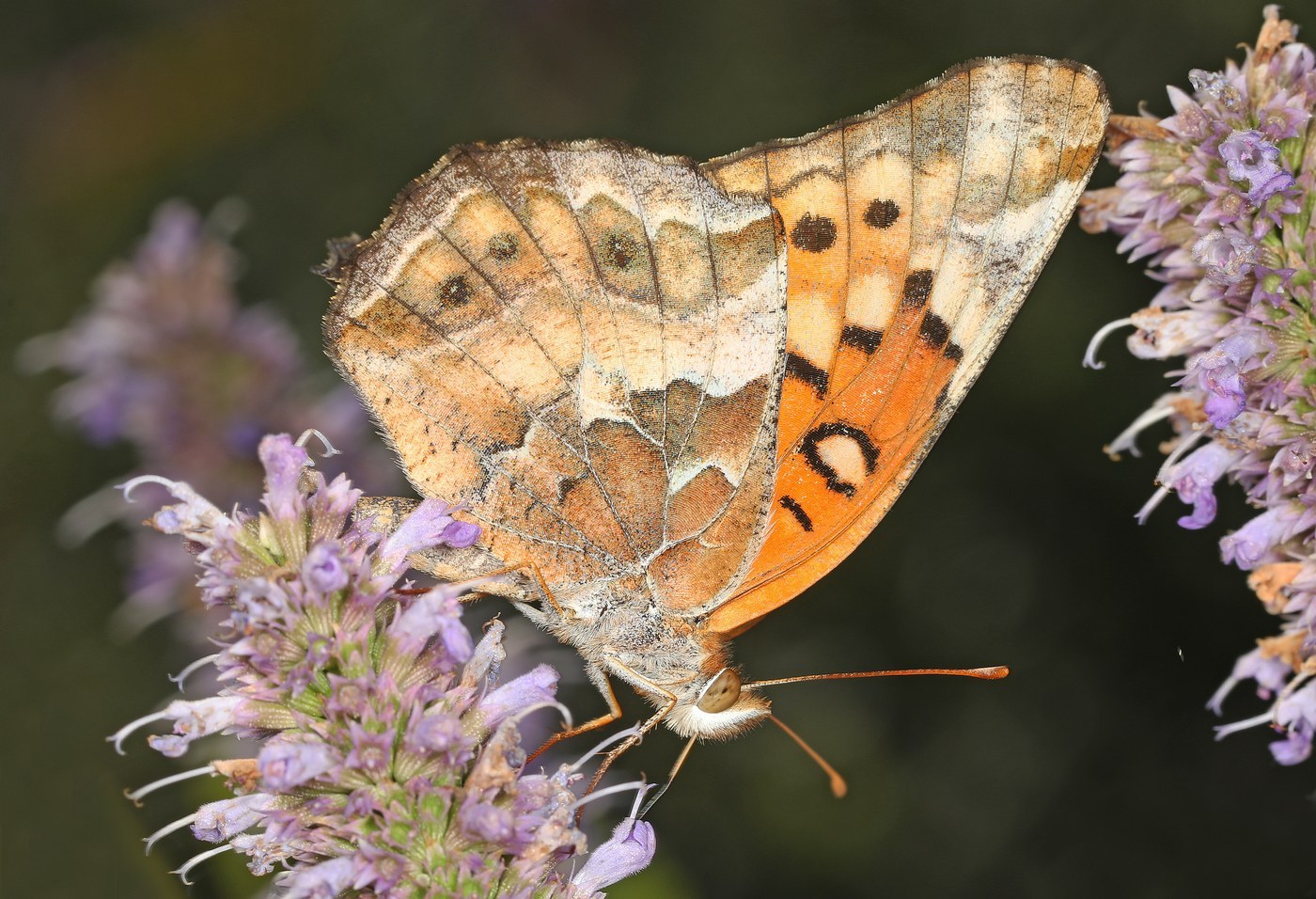
Variegated Fritillary
Open fields, prairies, roadsides, and disturbed ground across most of the United States
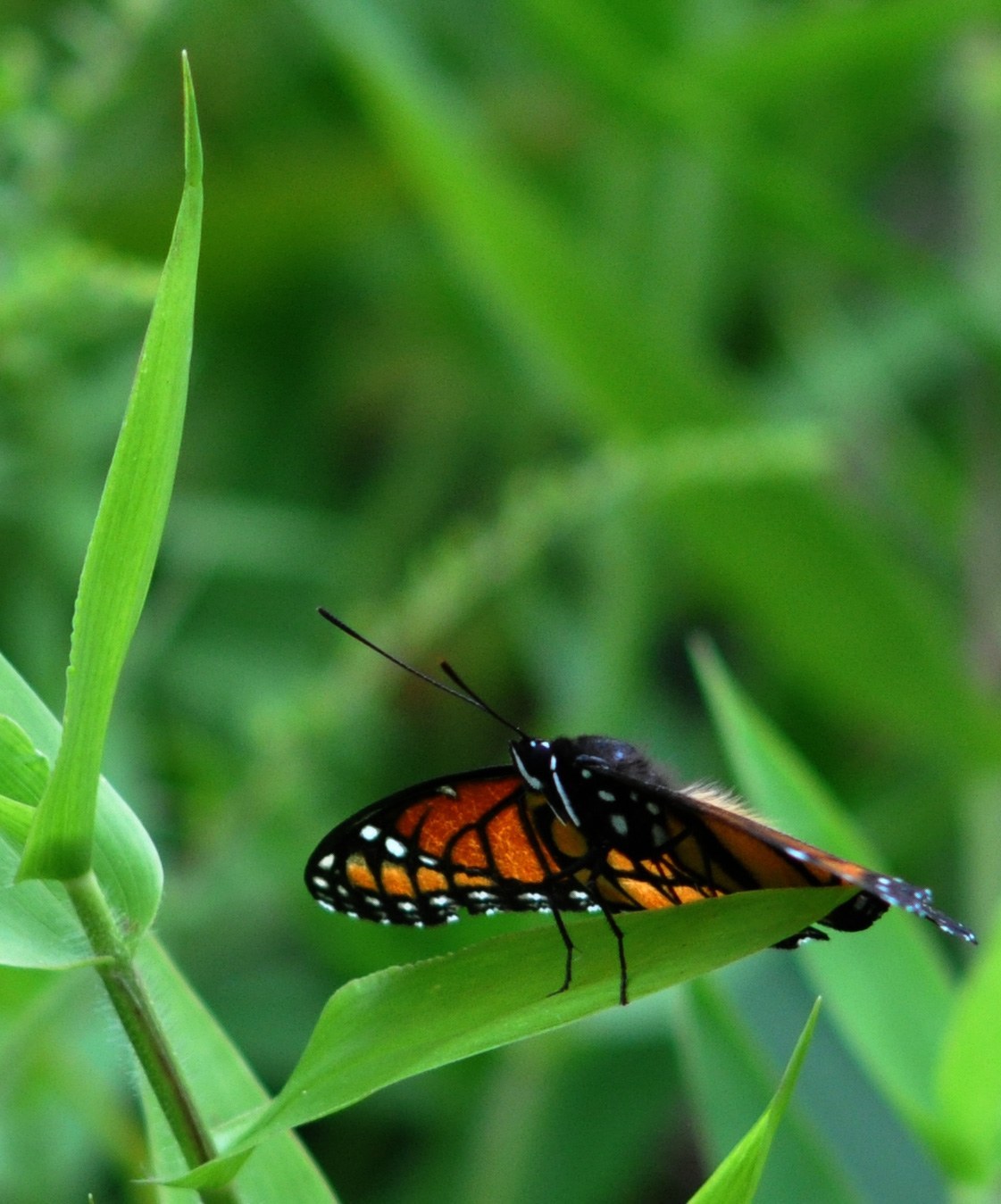
Viceroy Butterfly
Wetlands, meadows, riverbanks, willow thickets (North America)
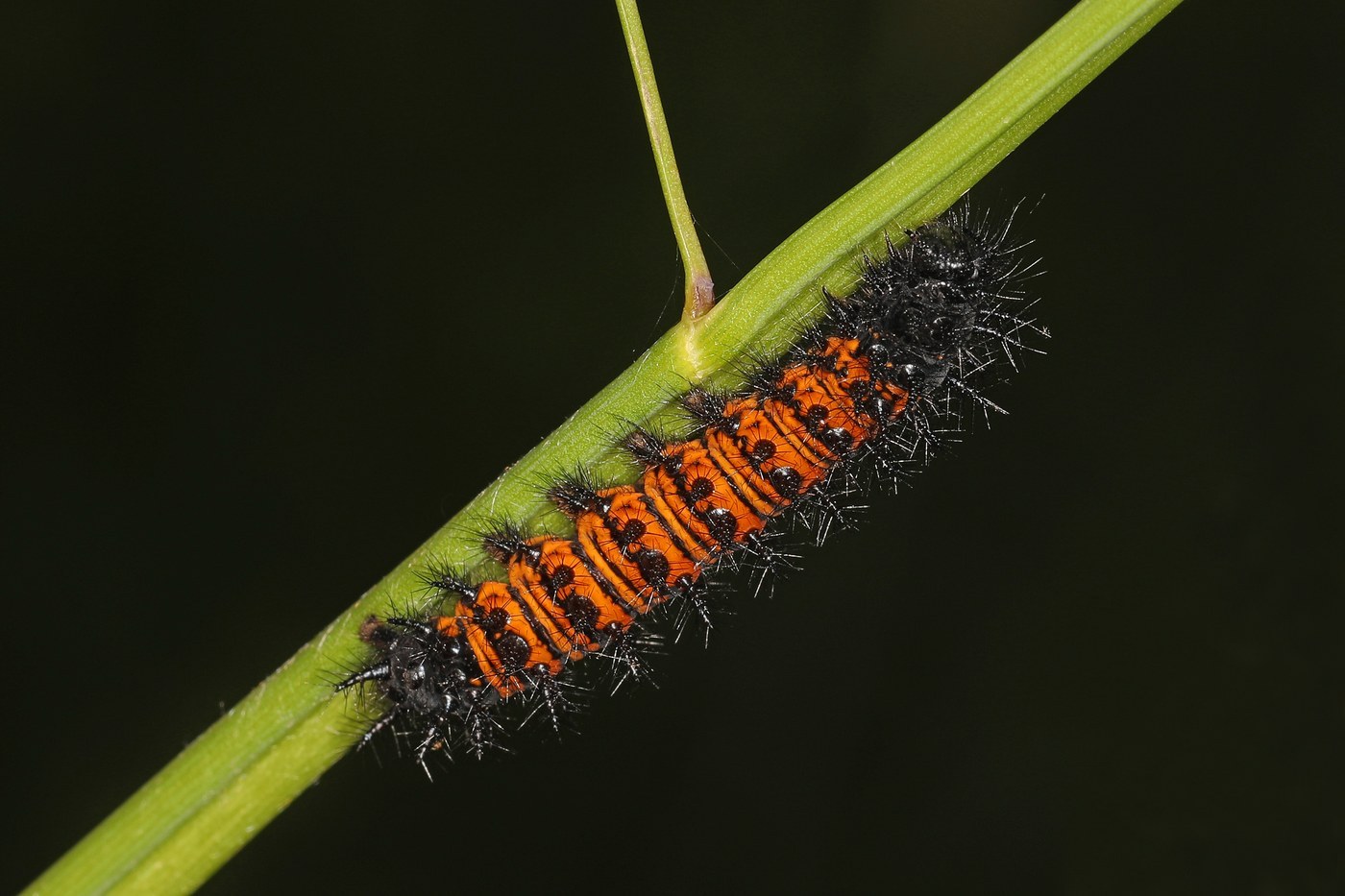
Baltimore Checkerspot
Wet meadows, bogs, and marshy fields in the northeastern and Appalachian US
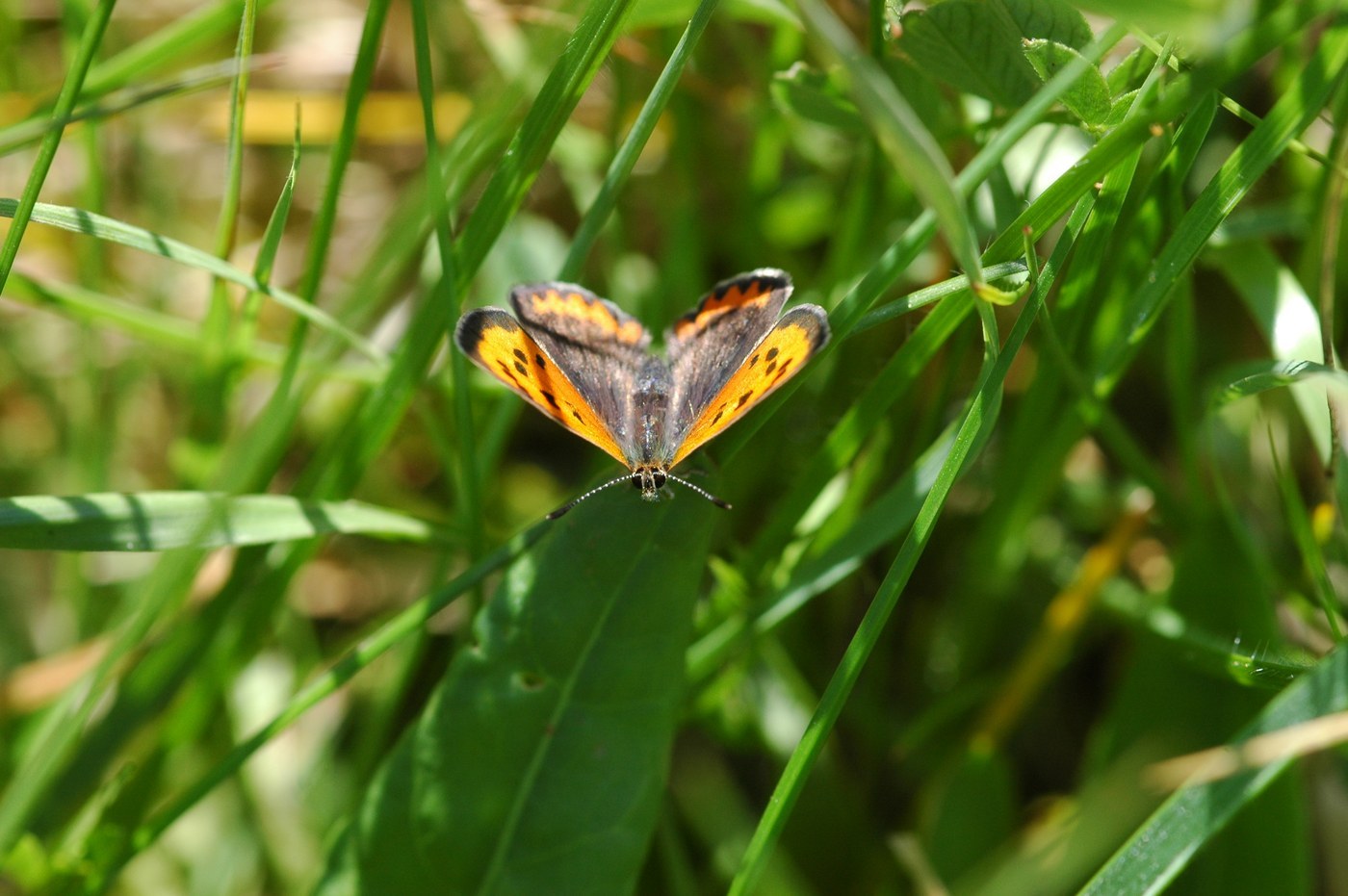
American Copper
Old fields, roadsides, and disturbed open ground with sorrel or dock
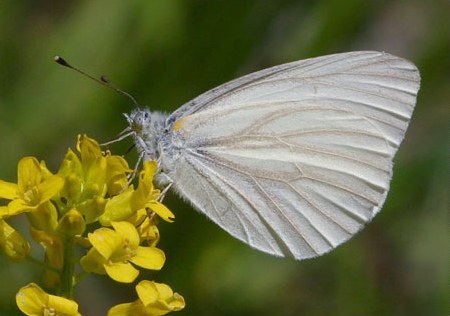
West Virginia White
Rich deciduous forest floors, especially near seeps and streams
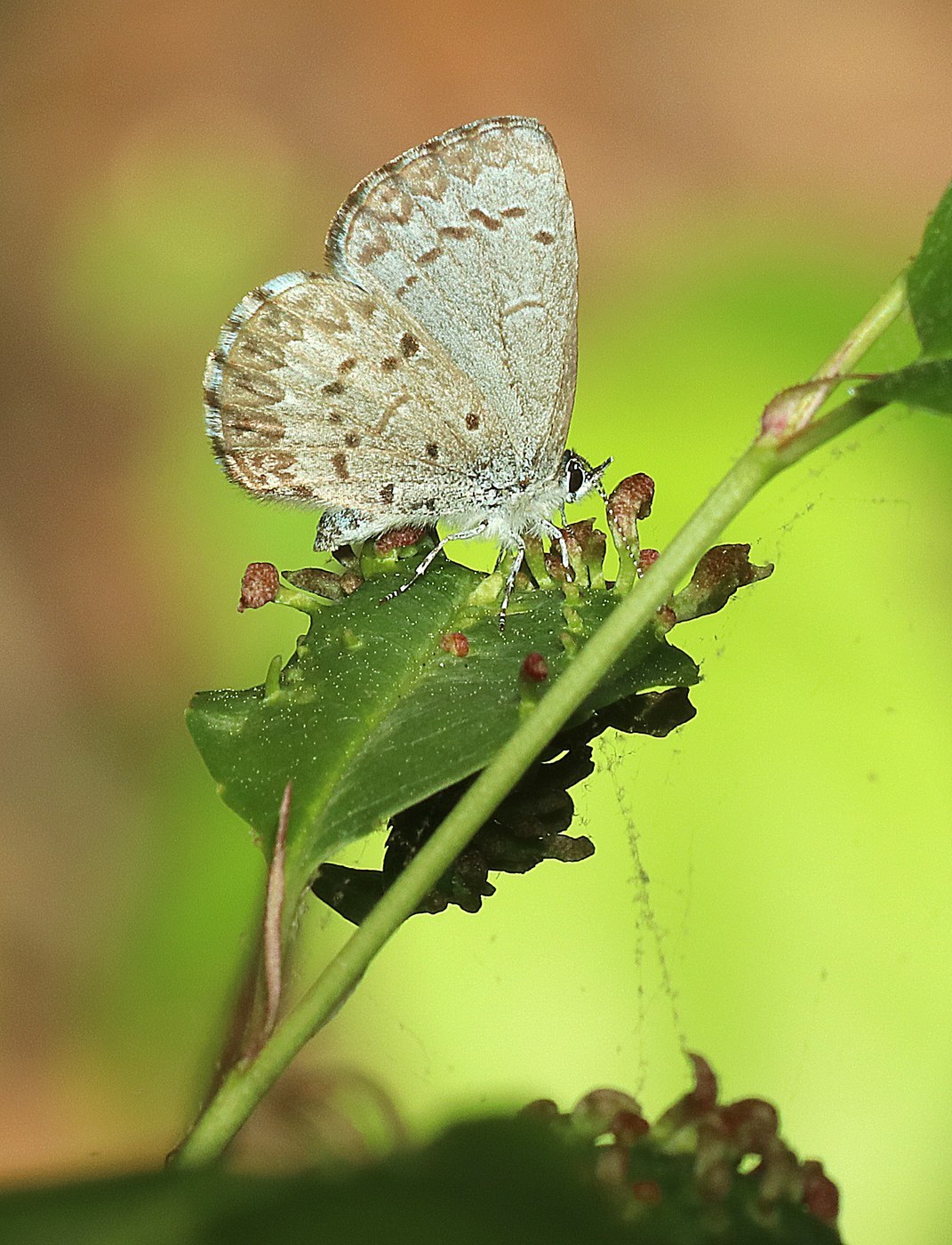
Spring Azure
Woodland edges, gardens, shrubby clearings
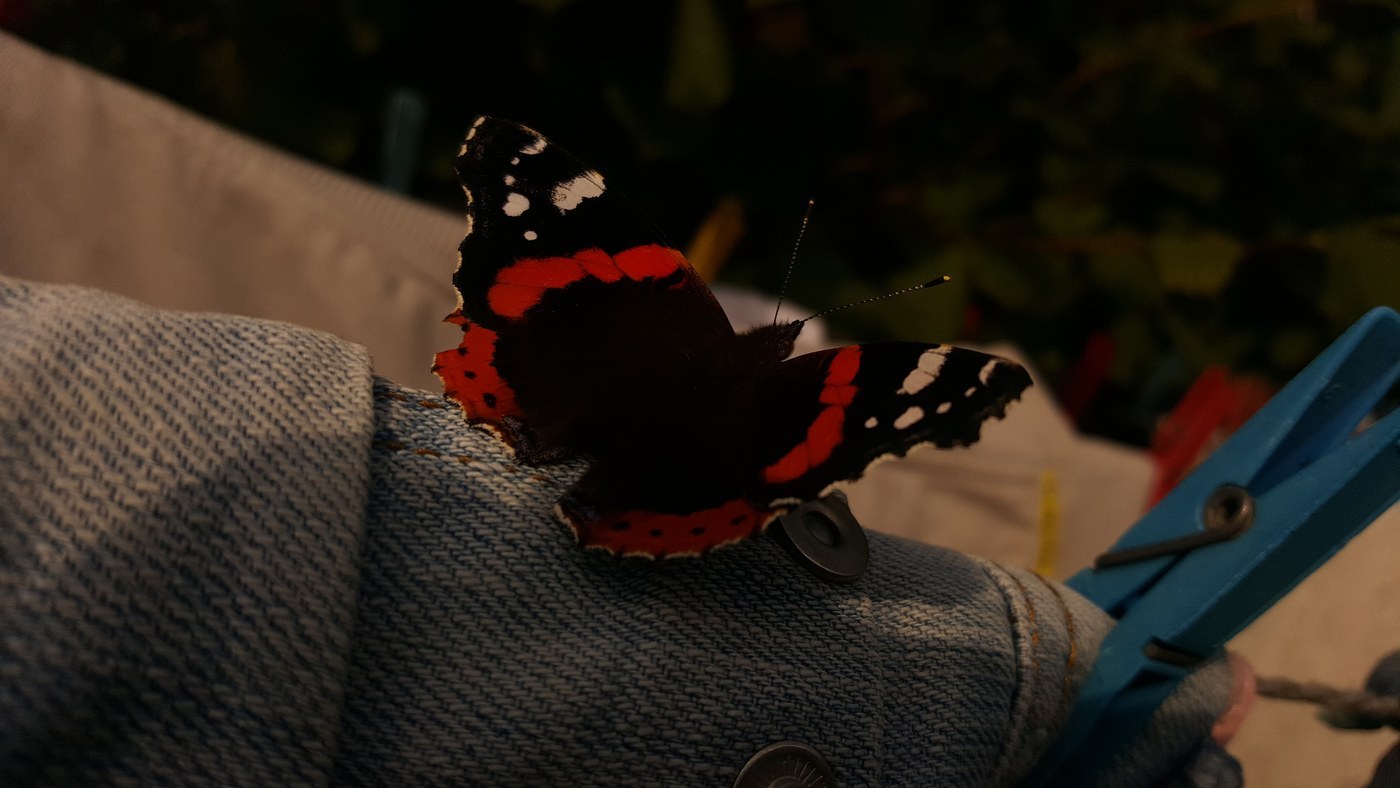
Red Admiral
Gardens, woodland edges, parks, meadows
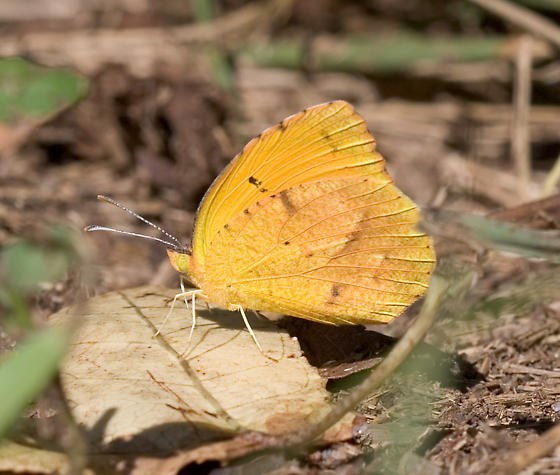
Sleepy Orange
Open woodland, fields, roadsides, and disturbed ground