
Potato Bug Identification Guide
Learn to identify this large, heavy-bodied, flightless insect by its shiny amber head, banded abdomen, and slow ground-crawling habits.
Read the full Potato Bug encyclopedia entry →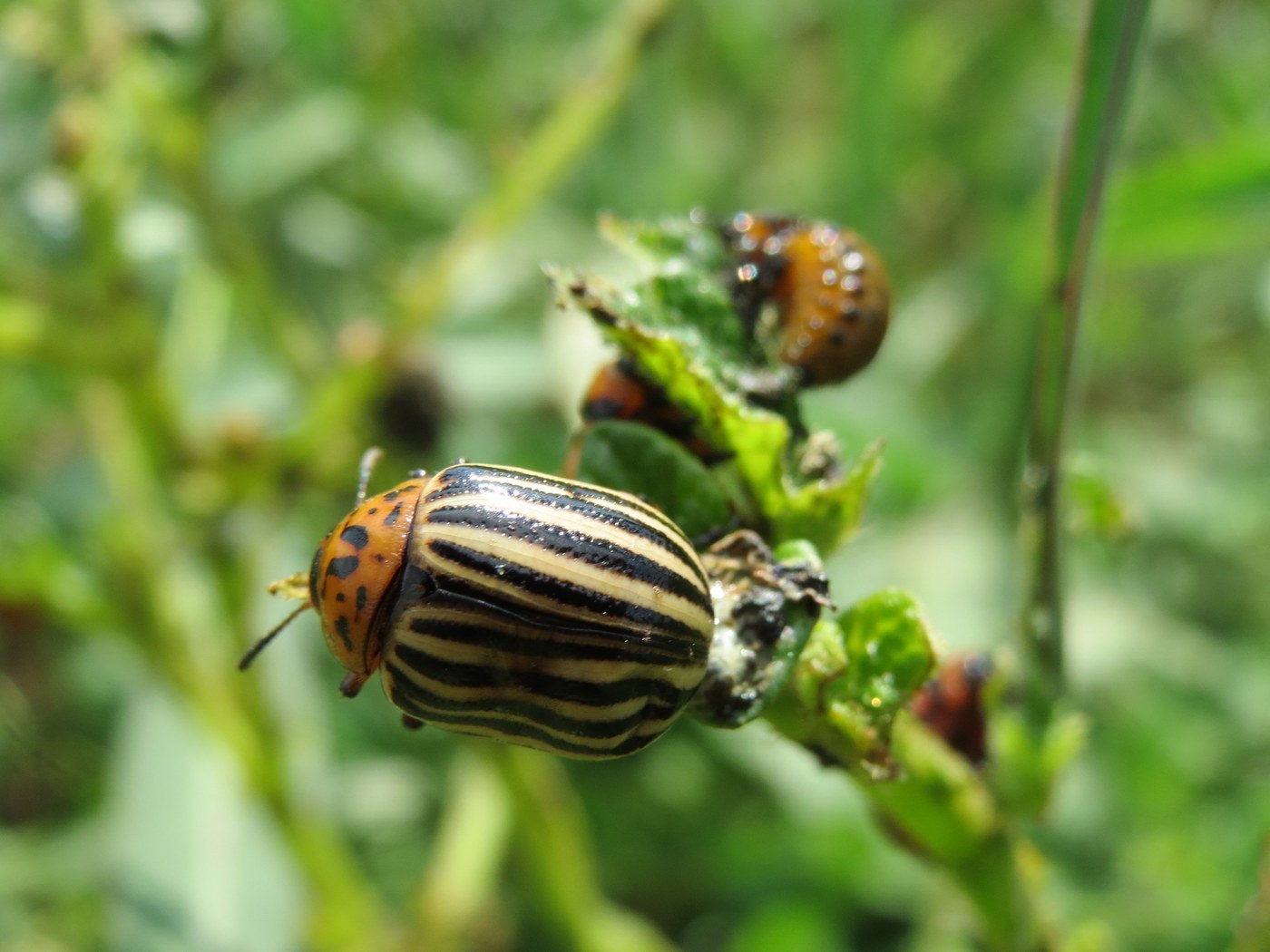
Key Visual Features
"Potato bug" is a common nickname applied to a large, unusual ground-dwelling insect known for its humanlike face and heavy body.
- Size: Large and stocky, typically 1 to 2.5 inches long.
- Color: Shiny, amber to orange-brown head and thorax paired with a strongly banded abdomen alternating tan/cream and black or dark brown segments.
- Body shape: Robust, heavy-bodied, somewhat humpbacked, with a large rounded head that has drawn comparisons to a human face.
- Wings: Wingless as an adult — it cannot fly and relies entirely on walking.
- Legs: Thick, spiny legs adapted for digging through loose soil; capable of a slow, deliberate walk.
- Antennae: Long, thread-like antennae extending from the sides of the head.
- Mandibles: Strong, dark, chewing mandibles visible on the large head, used to feed on roots and organic matter in soil.
- Sound: Can produce a hissing or rasping noise by rubbing its hind legs against its abdomen when disturbed.
Where and When You'd See One
This insect lives most of its life underground in loose, sandy, or cultivated soil, particularly in gardens and fields in western regions. It is rarely seen except when soil is disturbed by digging, tilling, or heavy rain, or when adults wander across open ground at night, especially in warmer months from spring through fall. It is largely nocturnal, spending daylight hours burrowed below the surface.
Similar-Looking Bugs
- Mole cricket: Also a heavy-bodied, soil-dwelling insect, but has distinctive shovel-like, broadened front legs for digging, which the potato bug lacks; mole crickets can also produce a louder, more musical calling song.
- True crickets: Smaller, usually with visible wings and long hind legs built for jumping; this insect has no wings and does not jump.
- Cockroaches: Flatter-bodied with a shield-like pronotum covering the head from above; this insect's head is fully exposed and rounded rather than hidden.
- Camel crickets: Smaller, humpbacked, and lack the smooth amber head and strongly banded abdomen pattern.
Quick ID Checklist
- Large, shiny amber-orange head and thorax
- Abdomen banded in alternating tan and dark segments
- Completely wingless, heavy-bodied, ground-dwelling
- Thick, spiny digging legs; slow deliberate crawl
- Usually found underground, surfacing after digging, tilling, or rain
Frequently asked questions
What is the easiest way to identify this insect?
Look for the combination of a large, shiny amber-colored head and thorax with a strongly banded tan-and-black abdomen on a completely wingless, heavy-bodied insect that moves slowly across the ground.
Why do I usually only see this bug after digging in the garden?
It spends nearly all of its life underground in loose soil, so it is typically only exposed when soil is disturbed by digging, tilling, or heavy rain, or when it wanders on the surface at night.
Does this insect fly?
No, it is entirely wingless as an adult and relies solely on walking across the ground or burrowing through soil.
How is it different from a mole cricket, which also lives in soil?
Mole crickets have distinctive broad, shovel-shaped front legs specialized for digging, while this insect has thick but more standard spiny legs and a smoother, rounder, more humanlike head shape.