
Potato Bug
Leptinotarsa decemlineata
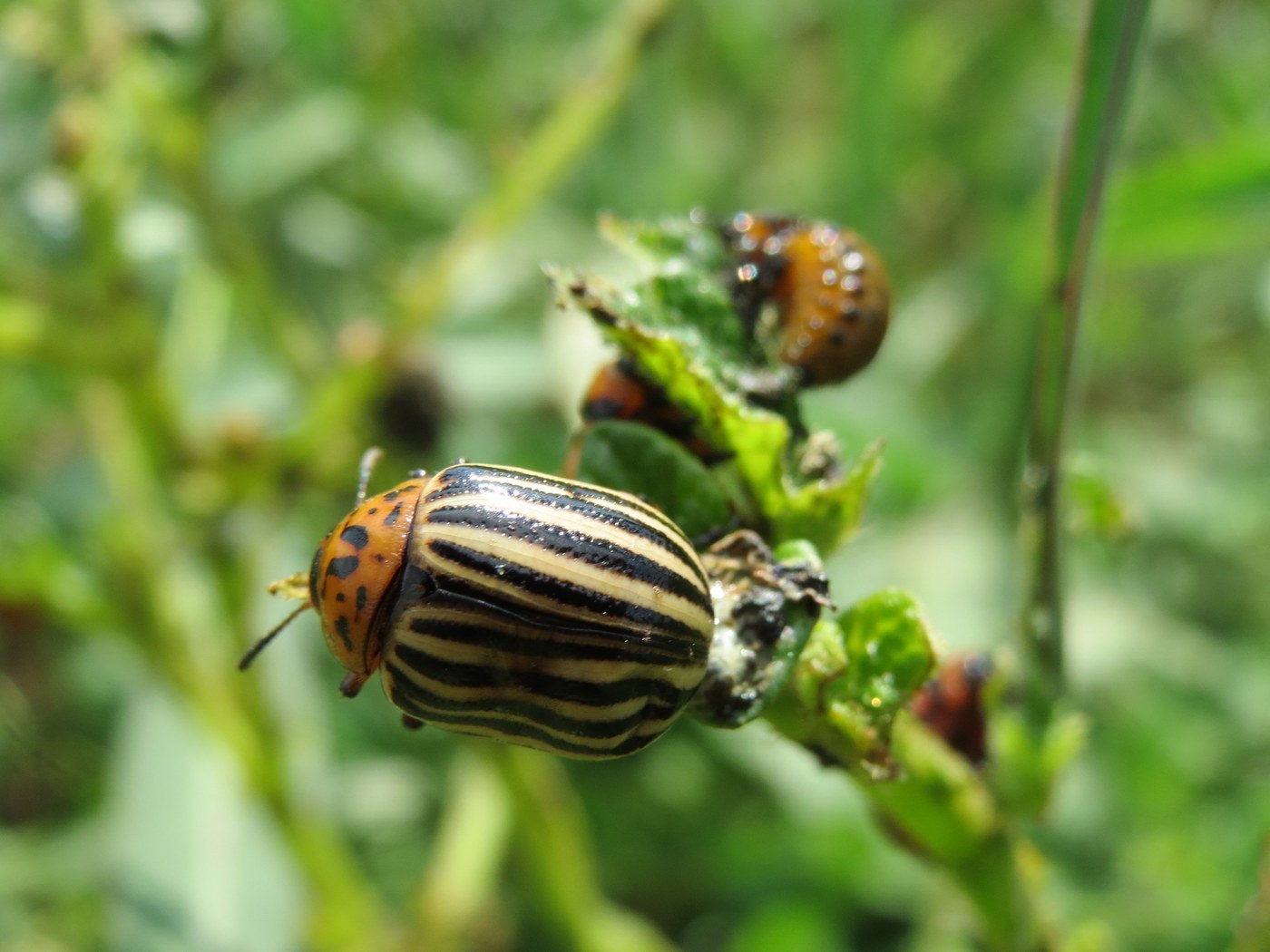
A rounded, boldly striped beetle in cream and black that feeds on potato and other nightshade foliage, easily recognized by the ten black stripes running down its wing covers.
- Size
- 8–12 mm
- Habitat
- Vegetable gardens and fields growing potato, tomato, and other nightshades
- Danger
- Nuisance pest
Spotted a bug like this?
Identify any bug or insect from a photo, free.
Overview
The common name "potato bug" is most widely applied in much of North America to the Colorado potato beetle, a member of the leaf beetle family Chrysomelidae. Despite the folksy name, it is a true beetle, not a bug in the strict entomological sense, and it is one of the most recognizable insects associated with potato plants because of its dramatic black-and-cream striped pattern.
Originally native to the Rocky Mountain region feeding on wild nightshade plants, the Colorado potato beetle expanded its range dramatically after cultivated potatoes became widely available, becoming one of the best-known leaf-feeding beetles of the potato plant across much of North America, Europe, and Asia. Both the striped adults and the humpbacked, brick-red larvae feed voraciously on potato and related nightshade foliage.
In some regions, particularly parts of the western United States, the name "potato bug" is instead applied colloquially to the unrelated Jerusalem cricket, a large flightless ground-dwelling insect; the two are entirely different organisms that happen to share a common nickname in different areas.
How to Identify
- Rounded, dome-shaped body with a hardened shell, roughly 8–12 mm long.
- Wing covers cream to pale yellow with ten bold black longitudinal stripes, giving rise to the alternate name "ten-lined potato beetle."
- Head and pronotum orange with irregular black spots; short, clubbed antennae.
- Larvae are plump, humpbacked, brick-red to orange grubs with rows of black spots along each side.
- Lookalikes: the false potato beetle is similar in shape but has fainter, less contrasting stripes; the name "potato bug" in some western regions instead refers to the unrelated, wingless Jerusalem cricket.
Habitat & Range
Found throughout most of temperate North America and, following introduction, across much of Europe and Asia, wherever potato, tomato, eggplant, and other nightshade family plants are grown or grow wild. Adults overwinter in soil and emerge in spring, with peak activity on host foliage through summer.
Behavior & Diet
Both adults and larvae feed on the foliage of potato and related nightshade plants, chewing leaf tissue and sometimes defoliating plants heavily when numerous. Adults are capable of flight and can disperse to new host plants. When disturbed, adults and larvae may drop from the plant, and larvae can exude defensive secretions. The species is considered a well-known agricultural pest of potato crops in many regions.
Life Cycle
Development is by complete metamorphosis. Females lay clusters of bright yellow-orange eggs on the undersides of host leaves; larvae pass through four instars while feeding on foliage, then drop to the soil to pupate. Multiple generations, typically one to three, can occur per growing season depending on climate, with adults overwintering in soil until the following spring.
Frequently asked questions
Is a potato bug the same as a Jerusalem cricket?
Only the nickname is shared in some regions — the Colorado potato beetle described here is a striped leaf beetle, while the Jerusalem cricket, sometimes also called 'potato bug' in the western U.S., is an entirely different, wingless ground-dwelling insect.
How can I recognize a potato bug at a glance?
Look for a rounded beetle with ten bold black stripes running lengthwise down cream-colored wing covers and an orange head speckled with black dots.
What does the larva look like?
The larva is a plump, humpbacked, brick-red to orange grub with rows of small black spots along its sides, quite different in appearance from the striped adult.
What plants does it feed on?
It feeds primarily on potato and other nightshade family plants such as tomato and eggplant foliage.
Potato Bug guides
In-depth guides for identifying, understanding, and living alongside Potato Bug.
Other bugs you may enjoy
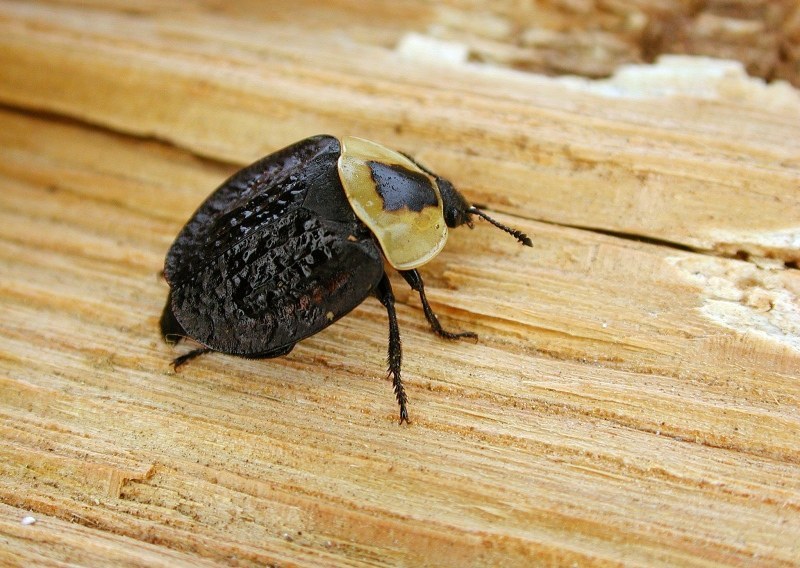
American Carrion Beetle
Forests, fields, and roadsides across North America, near decaying animal carcasses
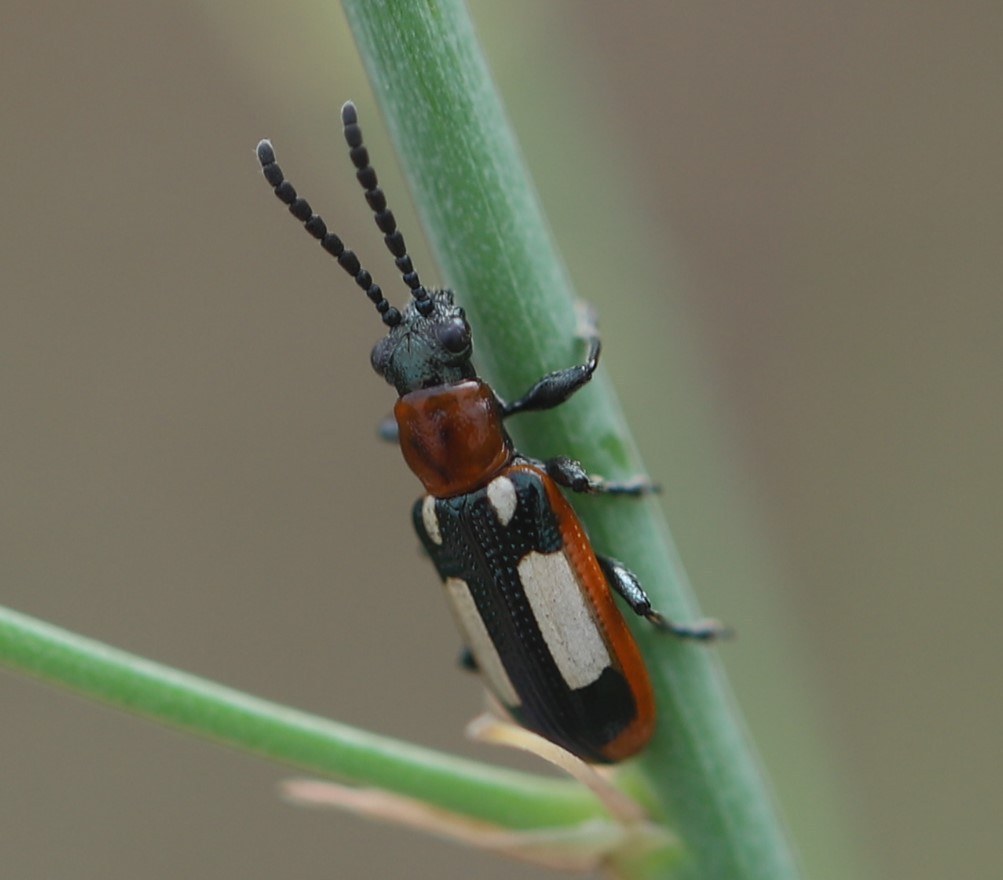
Asparagus Beetle
Asparagus patches, gardens, and farm fields
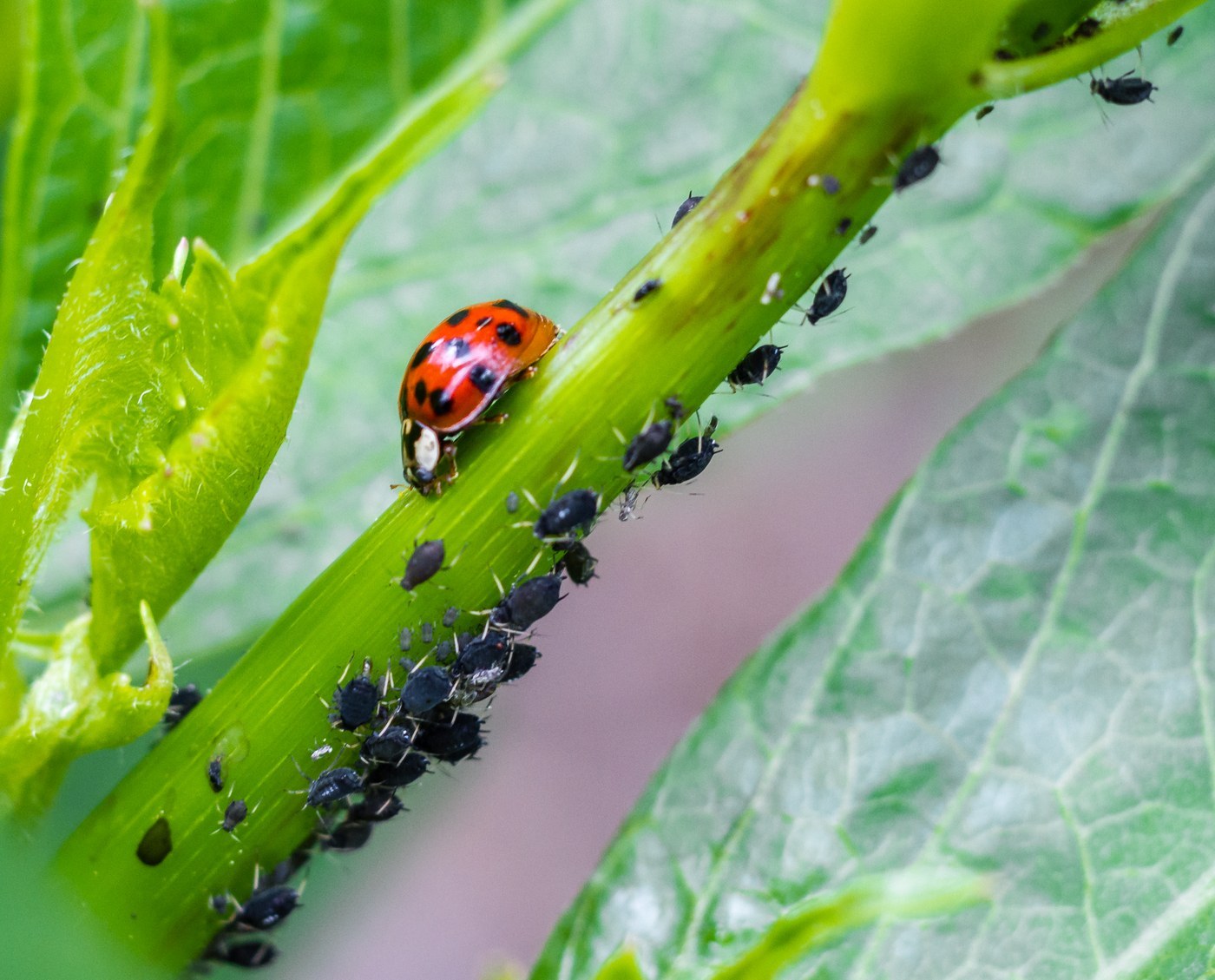
Asian Lady Beetle
Gardens, crop fields, woodlands, buildings
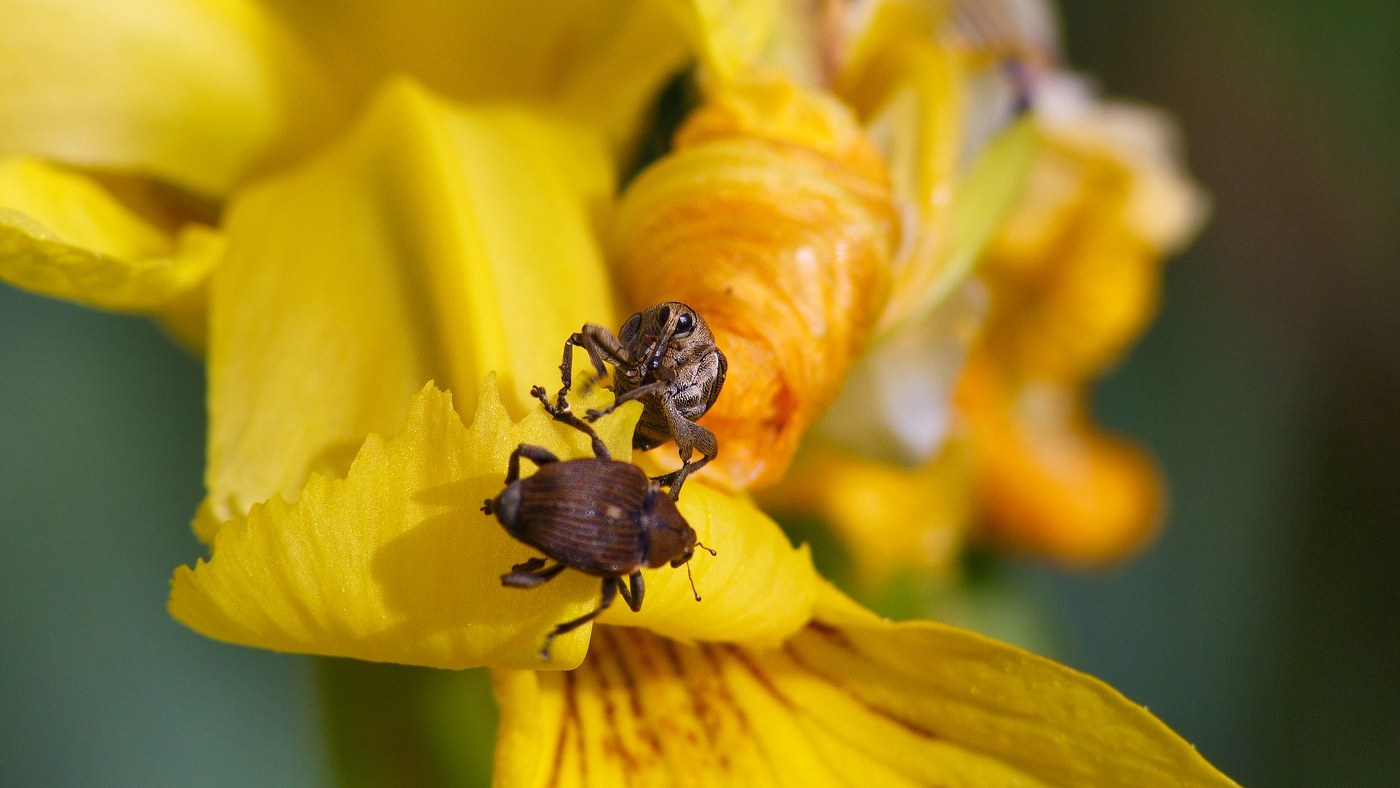
Acorn Weevil
Oak woodlands and forests, on and beneath oak trees
Wireworm
Soil of grasslands, gardens, and cultivated fields worldwide
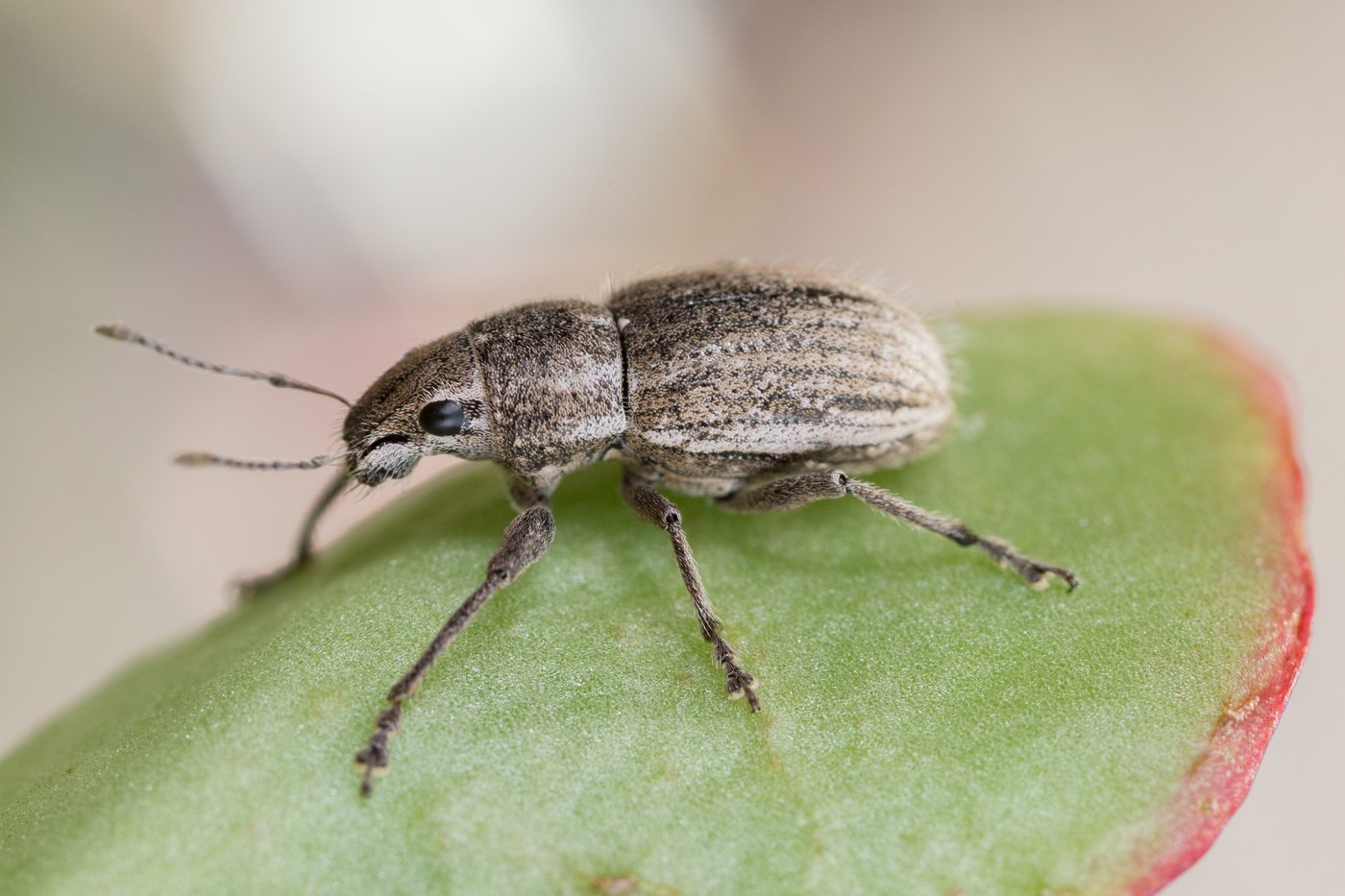
Whitefringed Beetle
Pastures, row crops, lawns, disturbed soils
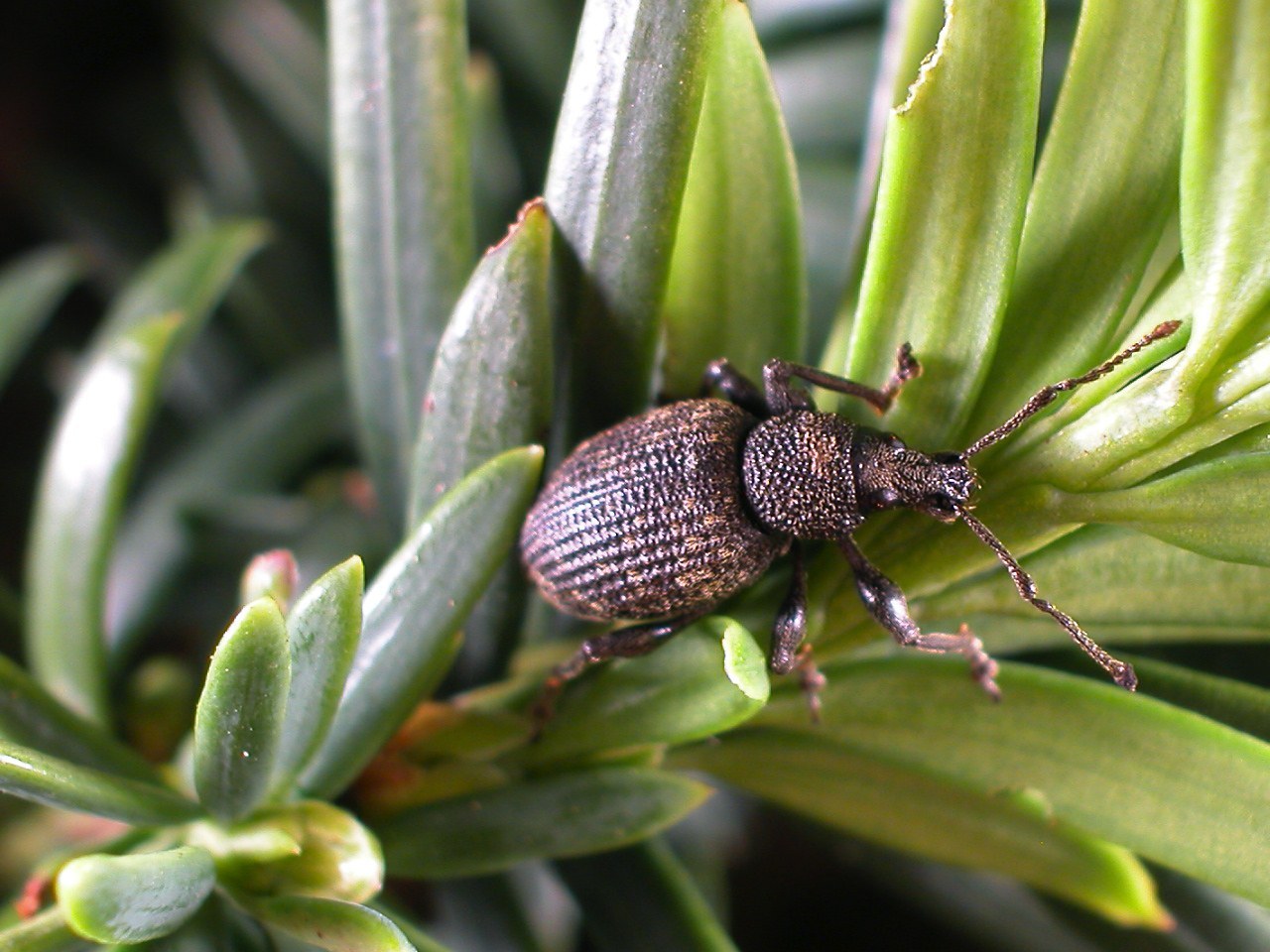
Vine Weevil
Gardens, nurseries, greenhouses, and container plantings
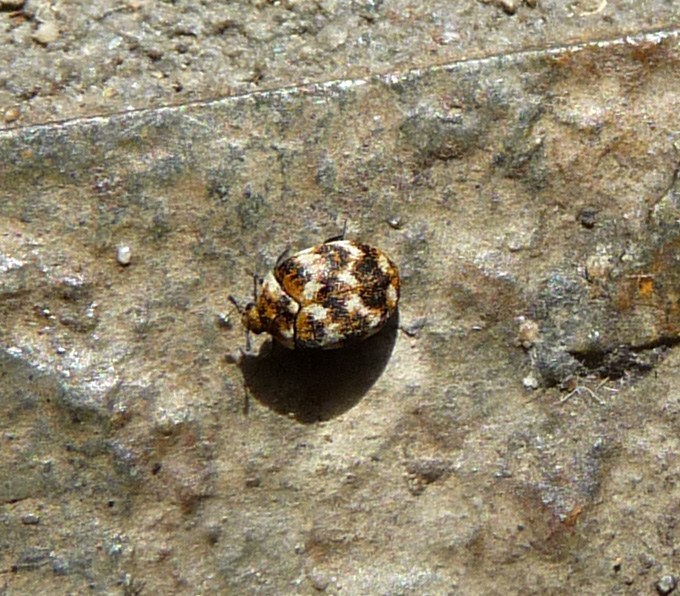
Varied Carpet Beetle
Homes, nests of birds and mammals, and flowers outdoors
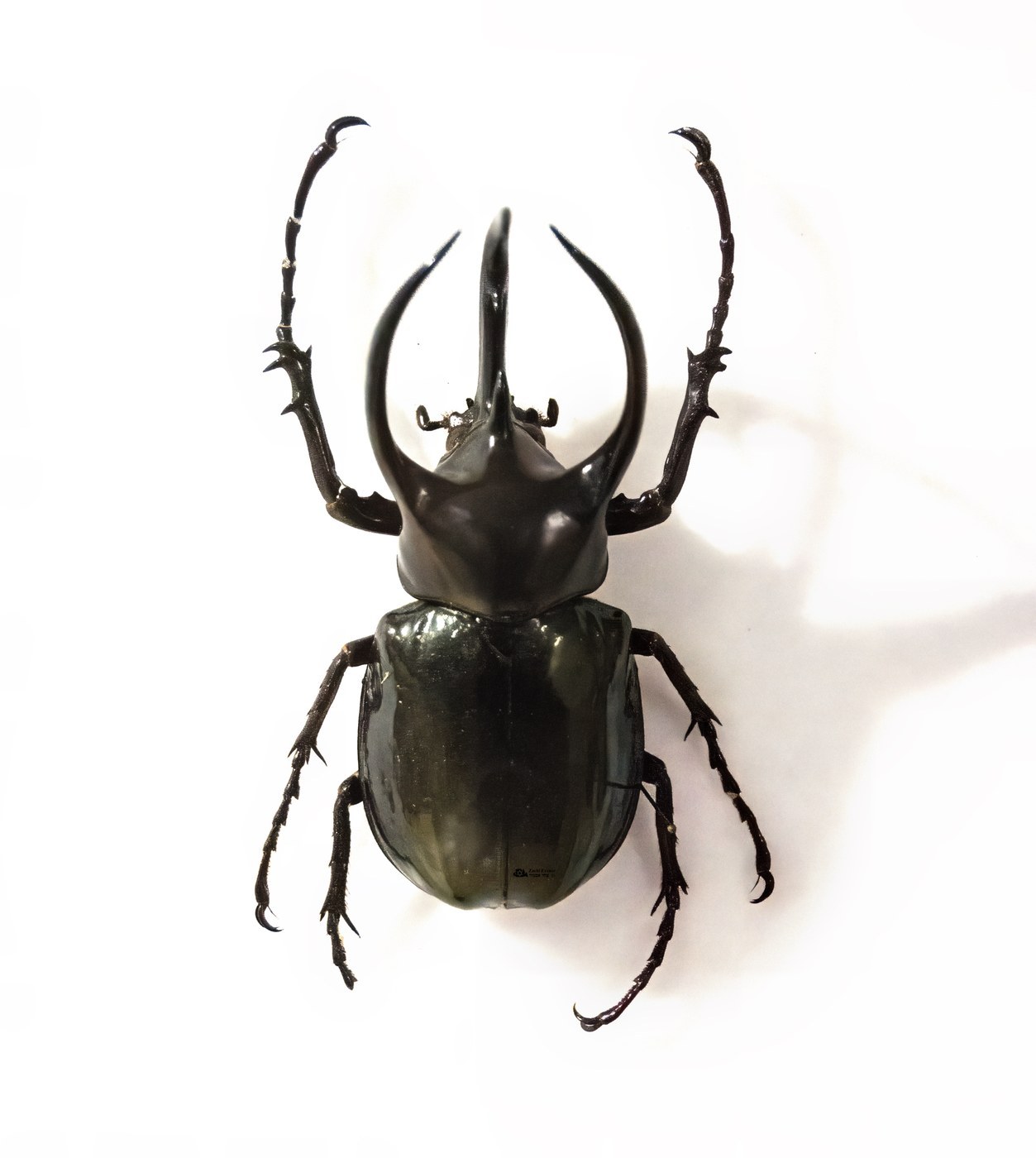
Atlas Beetle
Tropical forests of Southeast Asia
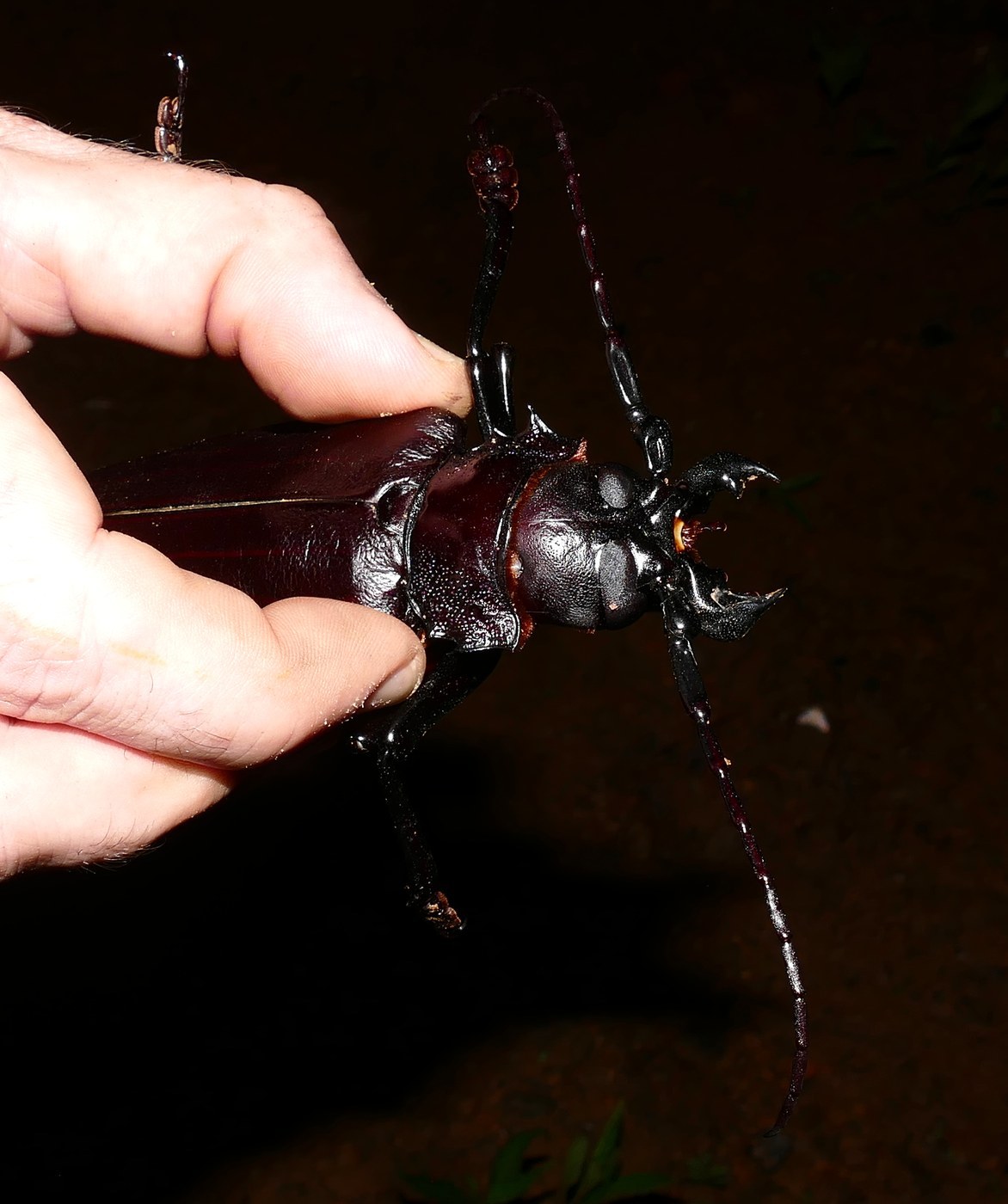
Titan Beetle
Amazon rainforest of South America
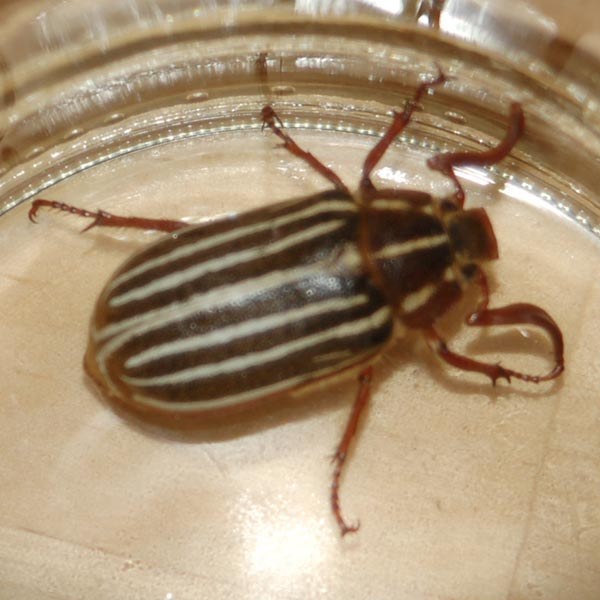
Ten-lined June Beetle
Sandy soils, pine forests, and orchards of western North America
Squash Beetle
Vegetable gardens and fields growing squash, pumpkin, and other cucurbits