
Sand Fly Identification Guide
Small, fuzzy, tan-colored sand flies hold their wings in a distinctive upright V shape that sets them apart from other tiny flies.
Read the full Sand Fly encyclopedia entry →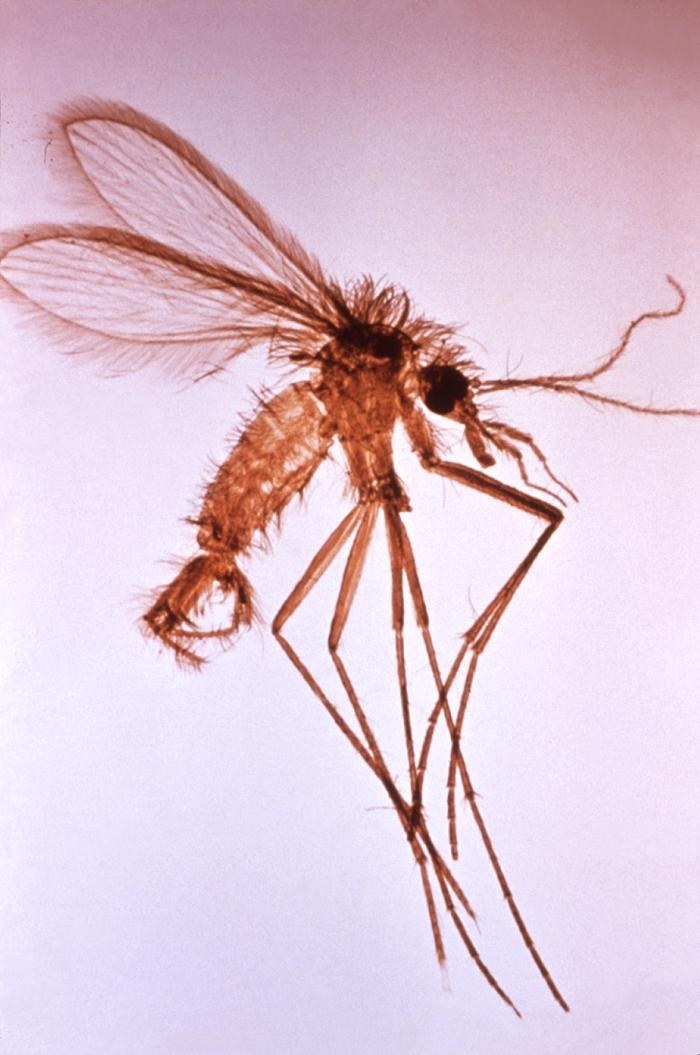
Key Visual Features
Sand flies (subfamily Phlebotominae) are tiny, delicate flies that are easy to overlook due to their small size.
- Size: Very small, typically 2-3 mm long.
- Body: Densely covered in fine hairs, giving a fuzzy or fur-like appearance, usually in pale tan, yellowish, or light brown tones.
- Wings: The most distinctive feature — long, pointed, and held upright in a V shape above the body at rest, rather than flat or folded.
- Legs: Long, slender, and hairy, often held in an awkward, angled posture.
- Head and eyes: Small head with large, dark, rounded eyes relative to body size.
- Flight style: Weak, hopping, short-distance flight rather than sustained flying, often moving in short silent leaps.
Where and When You'll See It
- Found in warm, humid climates, particularly around cracks in walls, animal burrows, leaf litter, and rocky or organic debris.
- Most active at dusk, dawn, and night, resting in shaded, sheltered spots during the day.
- Tends to stay low to the ground and rarely flies far or high, often moving in short bursts.
- More common during warmer months in tropical and subtropical regions, though some temperate species exist.
Similar-Looking Bugs
- Midge: Similar tiny size but wings lie flat or roof-like at rest, not held upright in a V; midges also lack the dense fuzzy hair covering.
- Moth fly (drain fly): Also small and fuzzy, but moth flies have broader, more triangular wings held flat like a tiny moth, not upright.
- Fungus gnat: Slimmer body with clear, unfuzzy wings and longer legs, lacking the hairy coat of a sand fly.
Quick ID Checklist
- Wings held upright in a distinct V shape at rest
- Dense, fuzzy hair covering the body
- Very small size, around 2-3 mm
- Weak, hopping flight pattern
- Active mainly at dusk and night in sheltered, humid spots
Frequently asked questions
What is the easiest way to identify a sand fly?
Look at the wings at rest — sand flies hold them upright in a distinctive V shape, unlike most small flies that fold their wings flat or roof-like.
Why do sand flies seem to disappear quickly when approached?
They have a weak, hopping flight style and tend to move in short bursts to nearby shaded cover rather than flying far or fast.
Where do sand flies rest during the daytime?
They typically shelter in cracks, crevices, leaf litter, animal burrows, and other shaded, humid spots, becoming active again around dusk.
How can I tell a sand fly from a drain fly?
Drain flies have broad, triangular, moth-like wings held flat over the body, while sand flies have narrower wings held upright in a V shape.