
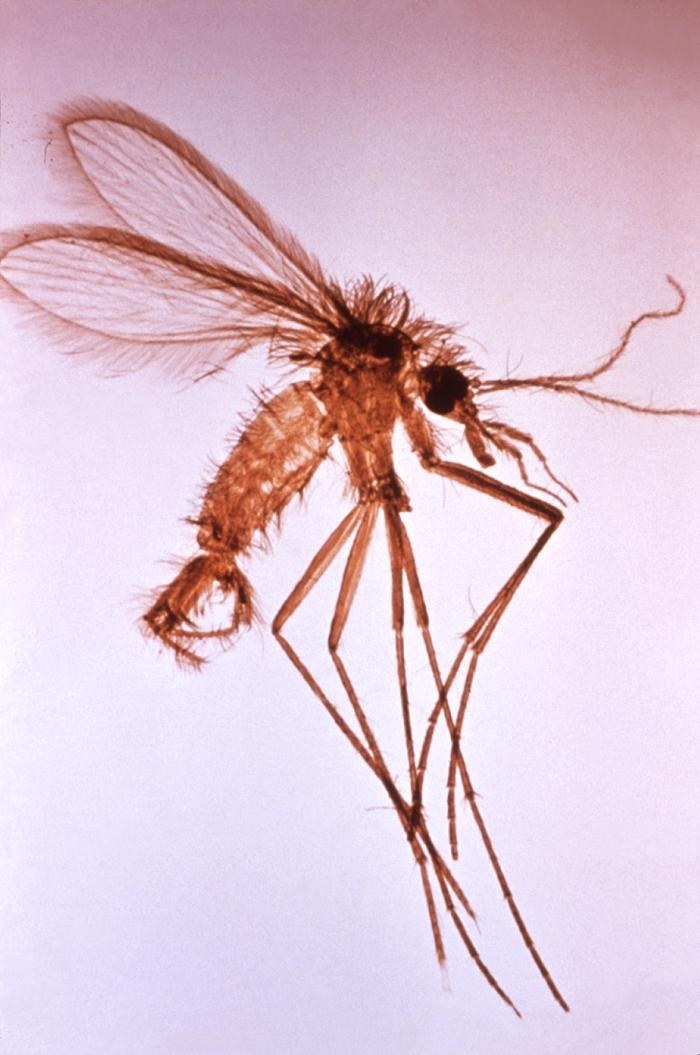
Sand Fly
Phlebotomus spp.
A tiny, densely hairy fly that holds its wings erect in a distinctive V-shape and travels in short, silent hops rather than sustained flight.
- Size
- 2-3 mm long
- Habitat
- Humid microhabitats such as leaf litter, animal burrows, and rock crevices in warm and tropical regions
- Danger
- Bites
Spotted a bug like this?
Identify any bug or insect from a photo, free.
Overview
Sand flies belong to the subfamily Phlebotominae within the fly family Psychodidae, comprising several hundred species distributed across warm and tropical regions of the world. Despite their name, they are not restricted to sandy areas and are more accurately associated with humid, sheltered microhabitats regardless of soil type.
These are among the smallest blood-feeding flies, so small that they can pass through standard window screening. Their weak flight and habit of resting in cracks and crevices during the day make them easy to overlook until dusk, when they become active.
Sand flies are notable in the insect world for their unusual erect, V-shaped wing posture at rest, a feature that immediately distinguishes them from mosquitoes and most other small biting flies.
How to Identify
- Tiny body, only 2-3 mm long
- Densely hairy body and wings, giving a fuzzy appearance
- Wings held erect in a distinctive V-shape above the body at rest, unlike mosquitoes which fold wings flat
- Long, slender legs
- Pale tan to yellow-brown coloring
- Short, silent, hopping flight pattern rather than sustained flying
- Lookalikes: midges are less hairy and hold their wings flat rather than upright
Habitat & Range
Sand flies are found across tropical and subtropical regions worldwide, including the Mediterranean basin, Middle East, Africa, Asia, and Central and South America. Larvae develop in humid, organic-rich soil, animal burrows, tree hollows, leaf litter, and cracks in walls or rock. Adults are weak fliers and stay close to the ground and to their breeding sites, most active at dusk and after dark.
Behavior & Diet
Females require a blood meal to develop eggs and feed on mammals, birds, and reptiles primarily at dusk and during the night, while males feed on plant sap and nectar. Sand flies move in short, low hops rather than sustained flight, and spend daylight hours resting in dark, humid crevices such as animal burrows, rock piles, or wall cracks. Larvae are terrestrial detritivores, living in moist organic soil rather than water.
Life Cycle
Eggs are laid in moist, organic-rich soil or sheltered crevices. Larvae pass through four instars while feeding on organic debris in the soil, a process that can take several weeks. Pupation occurs attached to the substrate near the larval habitat, and adults emerge shortly after. A complete generation can take anywhere from a few weeks to a few months depending on temperature, with multiple generations possible in warm climates and larvae overwintering in cooler regions.
Frequently asked questions
How do sand flies differ from mosquitoes?
Sand flies are much smaller, densely hairy, and hold their wings erect in a V-shape at rest, while mosquitoes have scaled wings held flat and a longer, more streamlined body.
Where do sand flies breed?
Larvae develop in humid, organic-rich soil such as leaf litter, animal burrows, and wall or rock crevices rather than in standing water.
When are sand flies most active?
They are most active at dusk and after dark, resting in sheltered, humid crevices during the day.
Can sand flies pass through window screens?
Yes, their extremely small size, only 2-3 mm, allows them to pass through the mesh of standard window and door screens.
Sand Fly guides
In-depth guides for identifying, understanding, and living alongside Sand Fly.
Other bugs you may enjoy
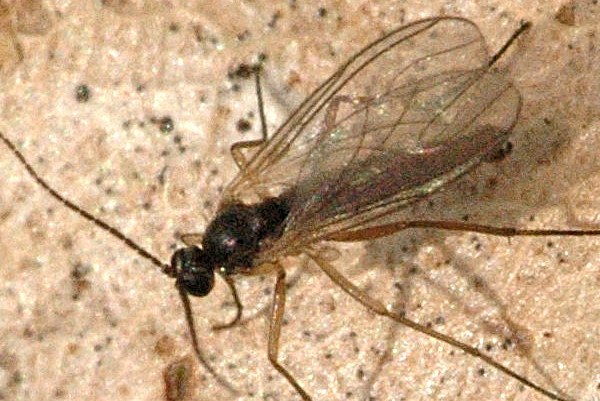
Aphid Midge
Gardens, greenhouses, and crops with aphids
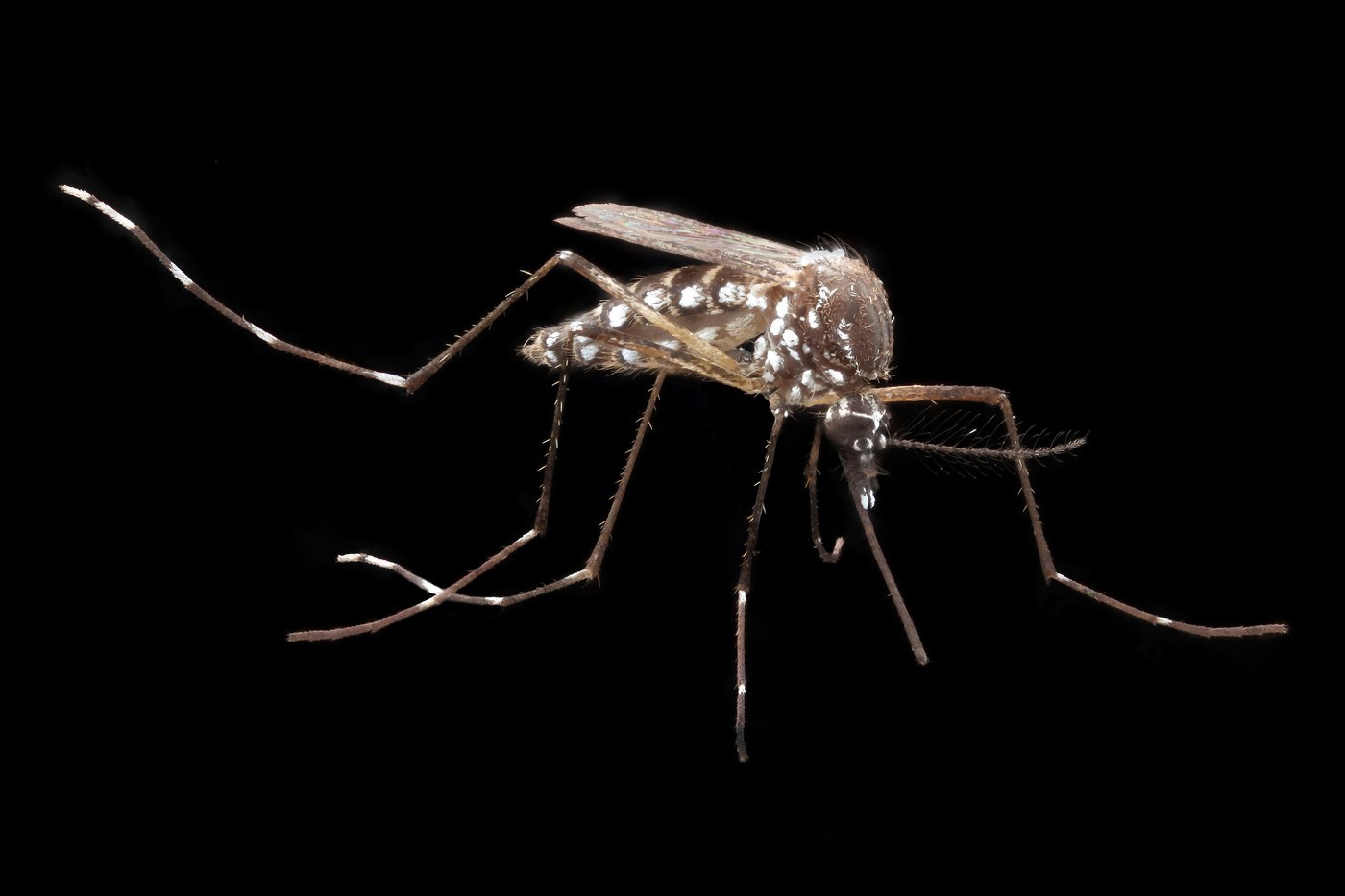
Yellow Fever Mosquito
Urban and peri-urban areas near small artificial water containers in tropical and subtropical regions worldwide
Root Maggot
Garden and field soil around the roots of cole crops and other vegetables
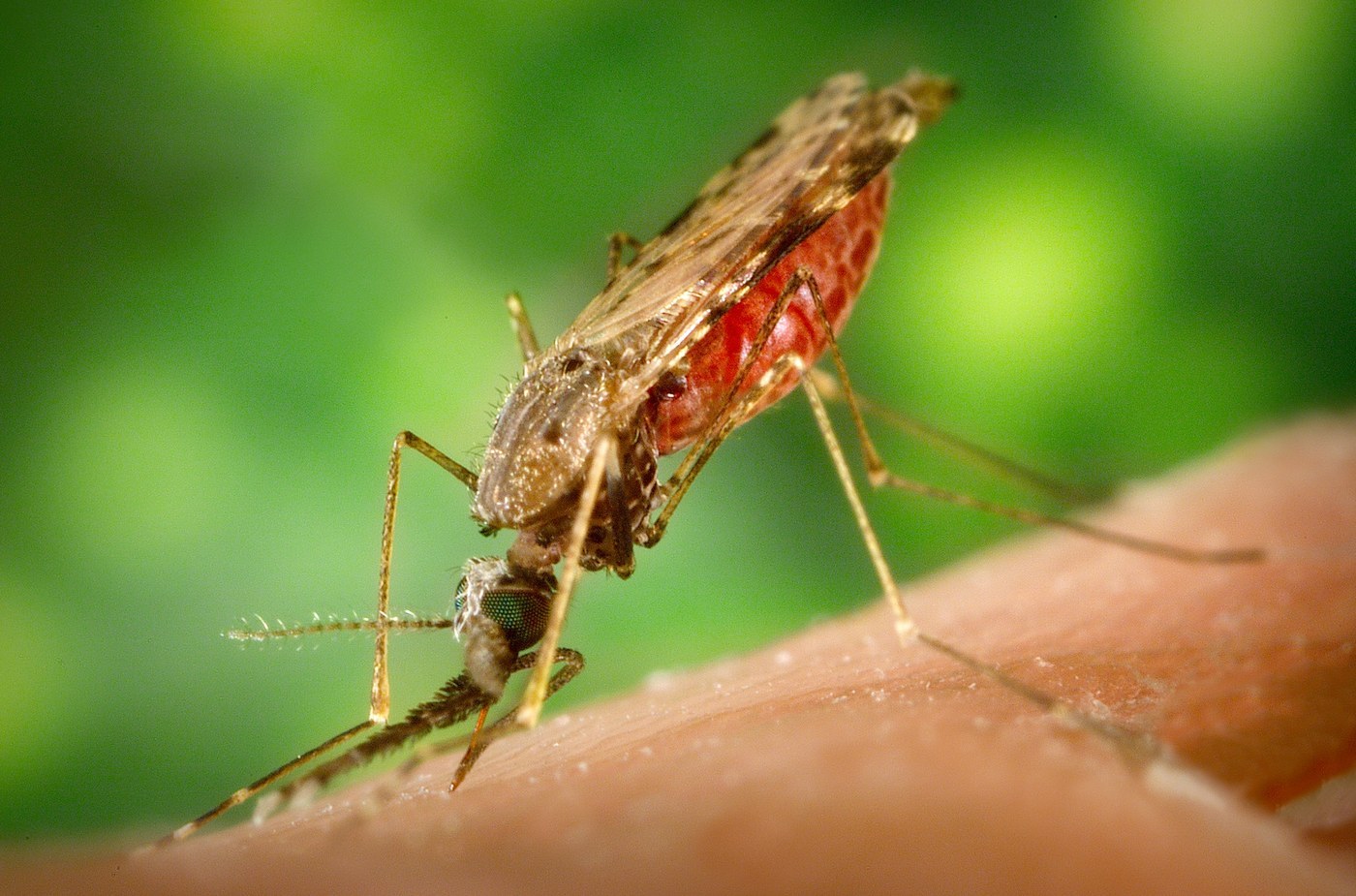
Anopheles Mosquito
Clean, still or slow-moving freshwater habitats such as marshes, ponds, and rice paddies
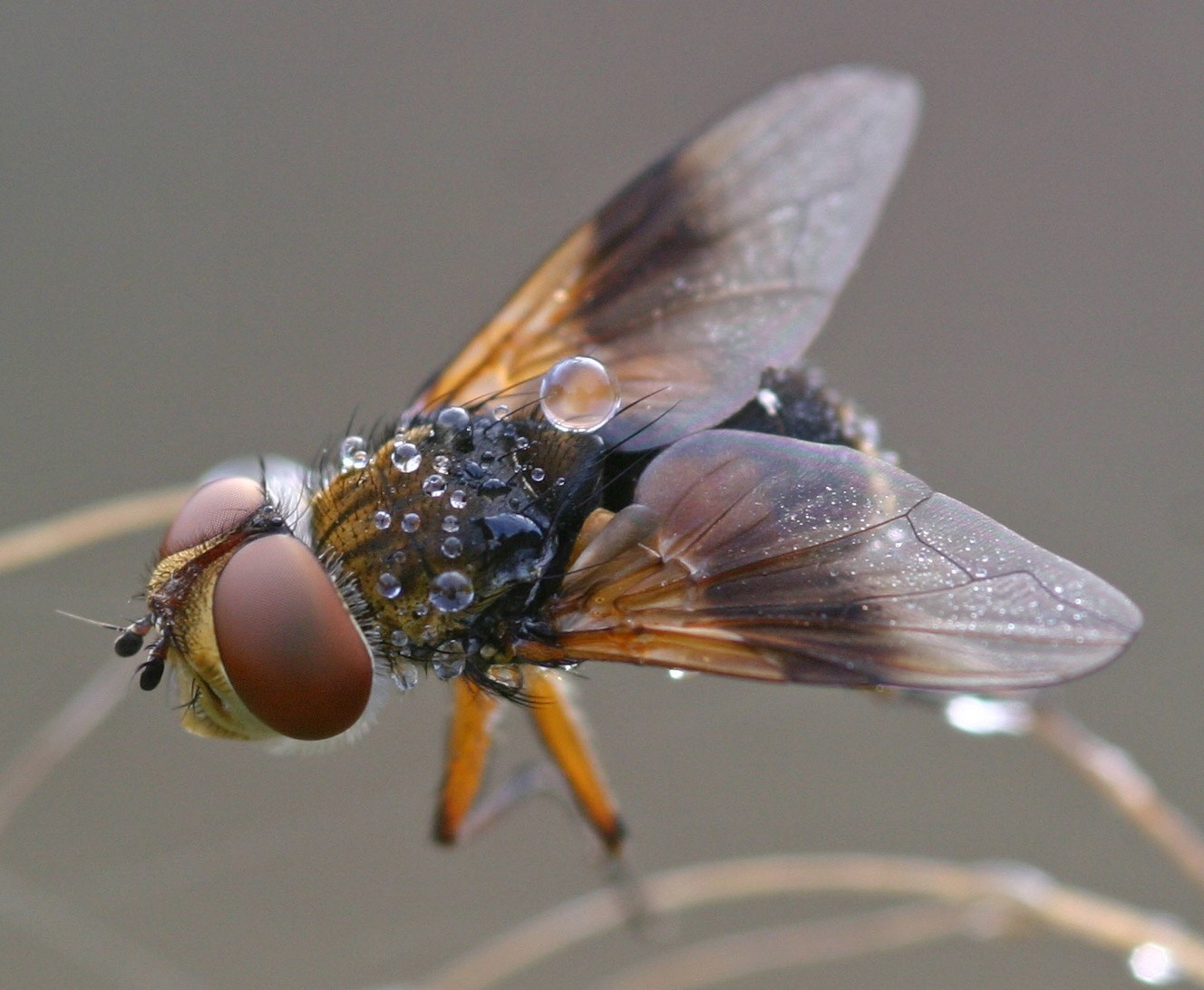
Tachinid Fly
Gardens, meadows, and woodlands wherever host caterpillars and other insects occur
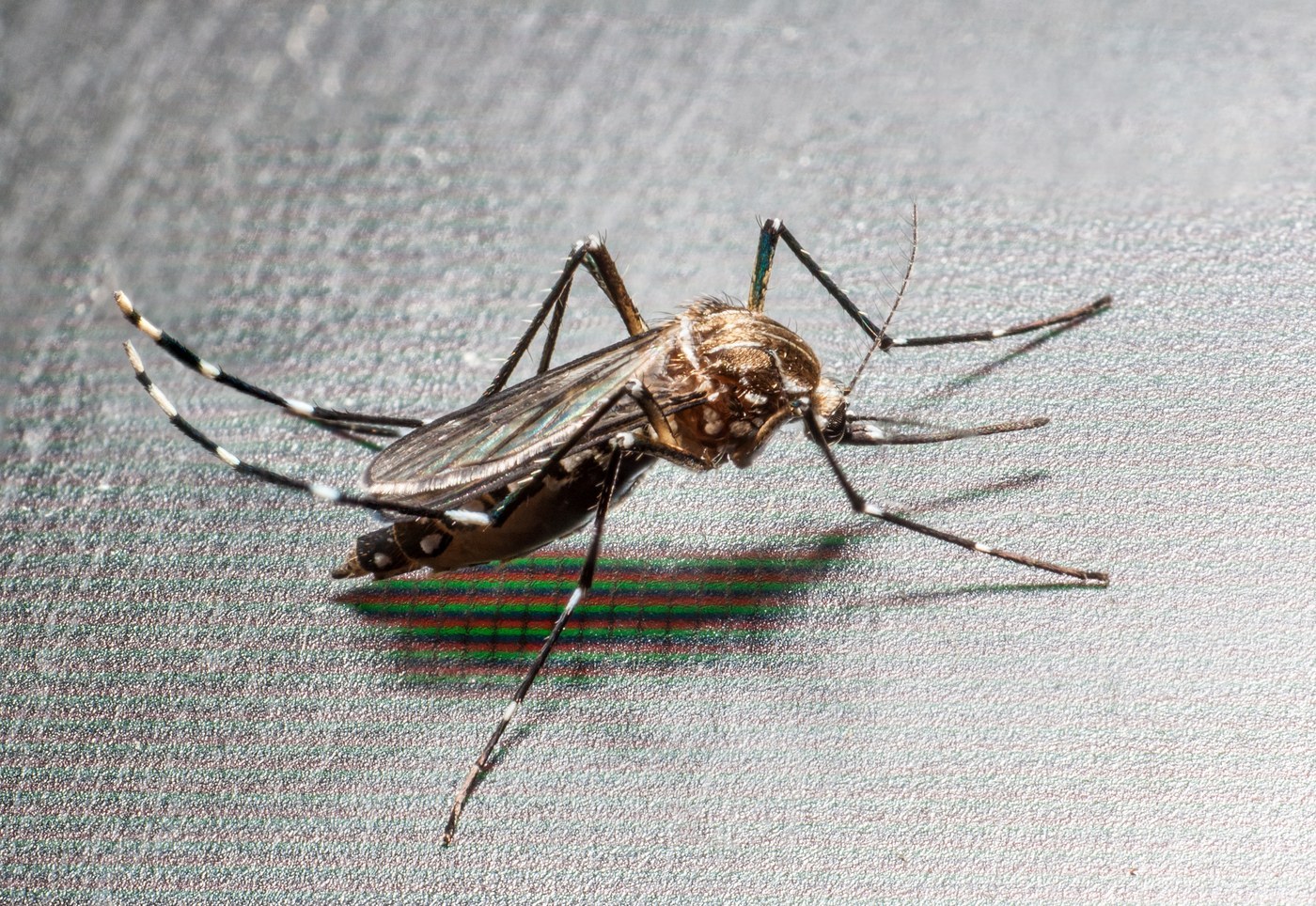
Asian Tiger Mosquito
Shaded urban and suburban areas near small water-holding containers, tires, and tree holes; native to Southeast Asia, now widespread
Tsetse Fly
Wooded savanna, riverine thickets, and forest edges across sub-Saharan Africa
Vinegar Fly
Around overripe fruit, compost, and fermenting materials worldwide
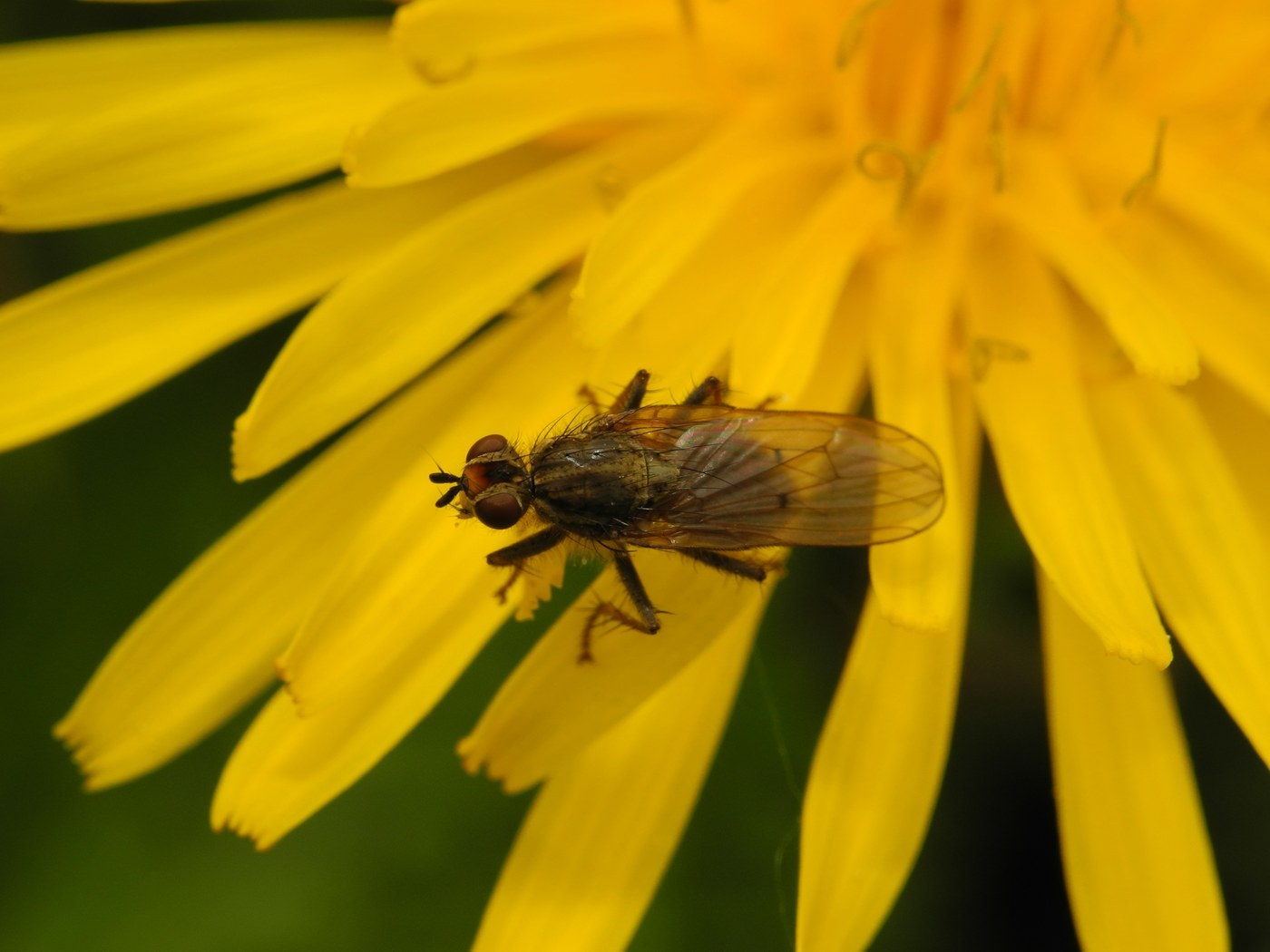
Yellow Dung Fly
Pastures and fields with fresh cattle dung
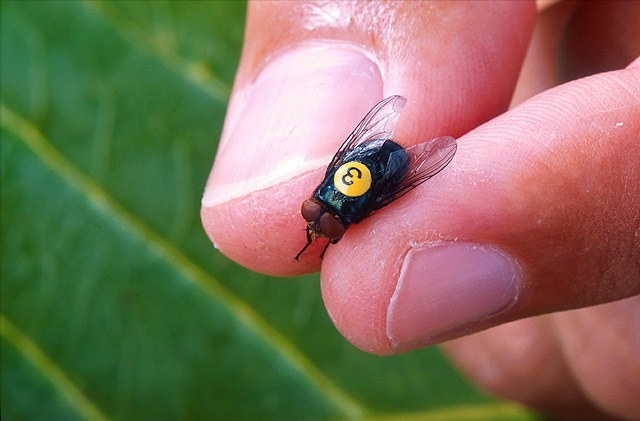
Screwworm Fly
Warm, humid lowlands of the Americas, especially near livestock and wildlife wounds
Soldier Fly
Wetland margins, decaying organic matter, and vegetation near water
Punkie
near marshes, mudflats, ponds, and other standing water