Snowy Tree Cricket Identification Guide
Identify this pale, delicate cricket known for its rhythmic nighttime chirping and near-translucent wings.
Read the full Snowy Tree Cricket encyclopedia entry →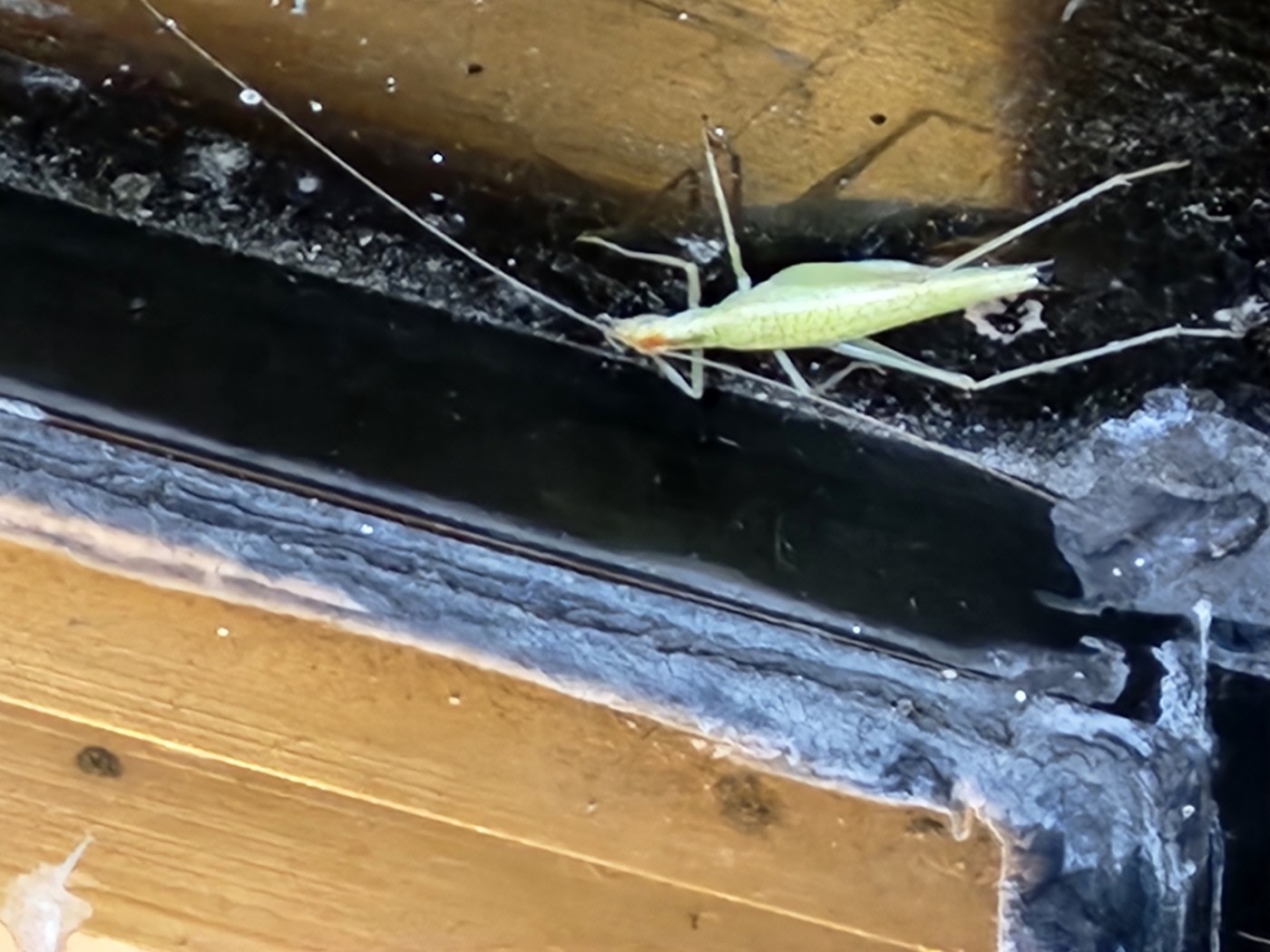
Key Visual Features
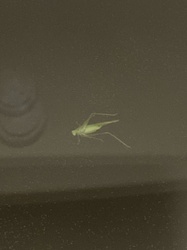
The snowy tree cricket (Oecanthus fultoni) is a small, slender cricket, generally 0.5 to 0.7 inches long, best known for its distinctive song rather than its subtle appearance.
- Color: Pale whitish-green to very light green body, giving it a delicate, almost translucent look overall.
- Body shape: Slim and elongated, with long, thin legs and a narrow head compared to bulkier ground crickets.
- Wings: Broad, flat, translucent wings held roof-like or flat over the body; males have wide forewings adapted for producing sound.
- Antennae: Very long, thread-like antennae extending well beyond the length of the body.
- Markings: Some related tree cricket species can be told apart by small dark markings or dots at the base of the antennae, though the snowy tree cricket itself is largely unmarked and pale overall.
Where and When You'll See It
Snowy tree crickets live in trees, shrubs, orchards, and garden vegetation across much of North America. They are almost entirely nocturnal, becoming active and vocal after dusk through the night, with peak activity in late summer and early fall. They are far more often heard than seen, producing a steady, rhythmic chirping call often described as sounding like a slow, even pulse, sometimes used informally to estimate temperature based on chirp rate.
Similar-Looking Species
- Other tree cricket species (in the genus Oecanthus): Very similar pale, slender appearance; most reliably distinguished by subtle antennal markings and, especially, differences in their calling songs rather than visual appearance alone.
- Field crickets: Much darker (typically black or brown), heavier-bodied, and ground-dwelling rather than found up in trees and shrubs.
- Katydids: Generally larger, often green with leaf-like wings, and produce a very different, more complex or raspy calling song compared to the tree cricket's steady chirp.
Quick ID Checklist
- Small, pale whitish-green, slender body
- Long, thread-like antennae longer than the body
- Broad, translucent wings held flat over the back
- Found in trees, shrubs, and orchards rather than on the ground
- Active and vocal at night, especially late summer into early fall, known for its steady rhythmic chirp
Frequently asked questions
What does a snowy tree cricket look like?
It's a small, pale whitish-green cricket with a slender body, long thread-like antennae, and broad translucent wings, giving it a delicate, almost see-through appearance.
Where do snowy tree crickets live?
They inhabit trees, shrubs, orchards, and garden vegetation rather than the ground, and are found widely across North America.
How can you identify a snowy tree cricket without seeing it?
Its steady, rhythmic, evenly paced chirping call heard at night in late summer and early fall is a strong clue, though confirming the exact species can require comparing calls among similar tree cricket species.
How is the snowy tree cricket different from a field cricket?
Field crickets are darker, heavier-bodied, and live on the ground, while the snowy tree cricket is pale, slender, and lives up in trees and shrubs.
Snowy Tree Cricket identified by the community
Recent Snowy Tree Cricket finds identified with Bug Identifier.