
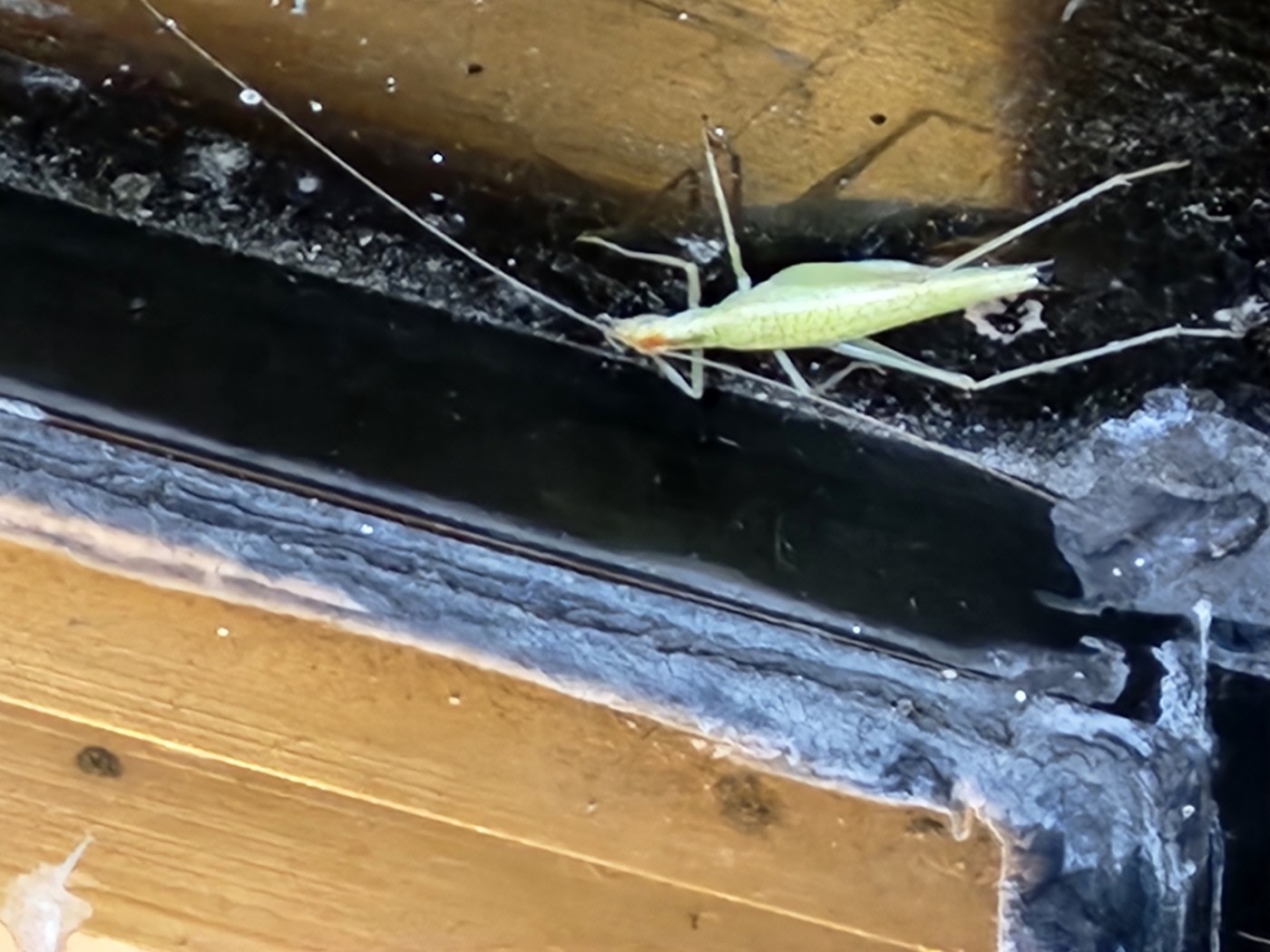
Snowy Tree Cricket
Oecanthus fultoni
Nicknamed the thermometer cricket, this pale, delicate insect sings a steady, rhythmic chirp whose pace rises and falls so predictably with temperature that its chirp rate can be used to estimate the air temperature.
- Size
- 1.4–1.8 cm (0.55–0.7 in) long
- Habitat
- Shrubs, trees, and tall vegetation across North America
- Danger
- Harmless
Spotted a bug like this?
Identify any bug or insect from a photo, free.
Overview
The snowy tree cricket is a slender, pale-bodied cricket found across much of North America, well known among naturalists for its evenly spaced, rhythmic chirping song and its close relationship between chirp rate and ambient temperature. It is often called the "thermometer cricket" because counting the number of chirps in a set period and applying a simple formula gives a reasonably accurate estimate of the surrounding air temperature, a phenomenon first popularized in nineteenth-century natural history writing.
Unlike field crickets, which are dark and ground-dwelling, snowy tree crickets are pale, almost translucent green or whitish insects adapted to life among shrubs and tree foliage rather than on the ground. Their coloration provides excellent camouflage against leaves and bark, and their songs, produced primarily on warm summer and early fall evenings, are among the most familiar and soothing background sounds of the season across much of the continent.
How to Identify
- Slender, pale green to whitish-yellow body, appearing almost translucent.
- Long, thread-like antennae, much longer than the body, typical of true crickets.
- Long, membranous wings held flat over the back, used both for flight and for producing sound.
- Males have broader, more rounded forewings adapted for stridulation; females have narrower wings and a visible ovipositor.
- Small dark spots at the base of the antennae, a helpful identification feature in some related tree cricket species.
- Distinguished from other tree crickets primarily by call structure, which is even, rhythmic, and clock-like.
Habitat & Range
Snowy tree crickets are found across most of the United States and southern Canada, inhabiting shrubs, trees, tall weeds, and garden vegetation. They are most active and most often heard from mid to late summer into early fall, typically singing after dusk and continuing into the night.
Behavior & Diet
Males produce their well-known song by rubbing specialized structures on the forewings together, a behavior called stridulation, to attract females and signal territory. The chirp rate increases with rising temperature and slows as it cools, a relationship precise enough to estimate temperature from counting chirps. Snowy tree crickets feed on soft plant tissue, small insects, and other organic material found on the shrubs and trees they inhabit, and their pale coloration helps them remain camouflaged among foliage during the day while they rest.
Life Cycle
Females lay eggs in slits cut into plant stems or twigs during late summer and fall, and the eggs overwinter within the plant tissue. Nymphs hatch in late spring, resembling small wingless versions of adults, and develop through several instars of incomplete metamorphosis over the summer before maturing into winged, singing adults by mid to late summer. There is one generation per year across most of the range.
Frequently asked questions
Why is the snowy tree cricket called the thermometer cricket?
Its chirp rate rises and falls predictably with temperature, allowing a rough temperature estimate by counting chirps over a set time period.
What does a snowy tree cricket look like?
It is a slender, pale green to whitish cricket with long antennae, found on shrubs and trees rather than on the ground.
When can you hear snowy tree crickets singing?
They typically sing in the evening and at night from mid to late summer into early fall.
What do snowy tree crickets eat?
They feed on soft plant tissue, small insects, and other organic matter found on the vegetation they inhabit.
Snowy Tree Cricket guides
In-depth guides for identifying, understanding, and living alongside Snowy Tree Cricket.
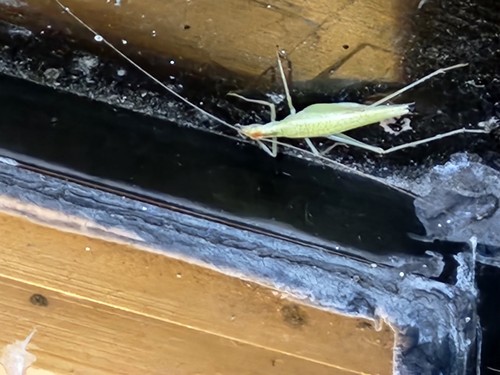
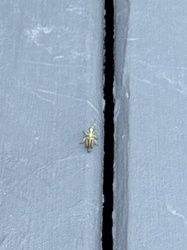
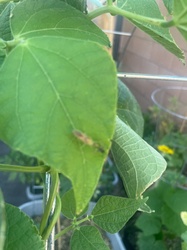
Snowy Tree Cricket identified by the community
Real finds identified with Bug Identifier.
Other bugs you may enjoy
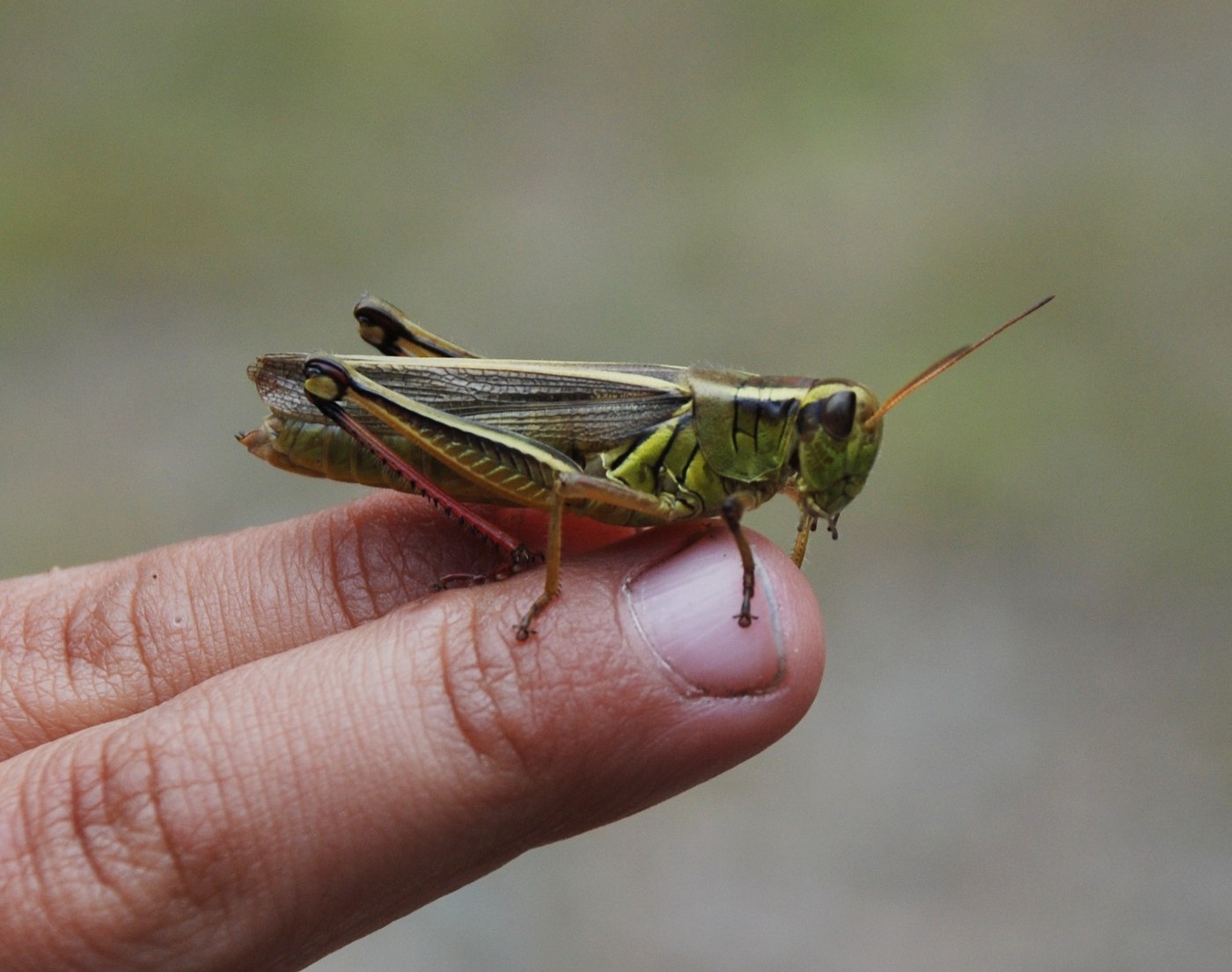
Two-striped Grasshopper
Meadows, pastures, riverbanks, and agricultural fields across North America
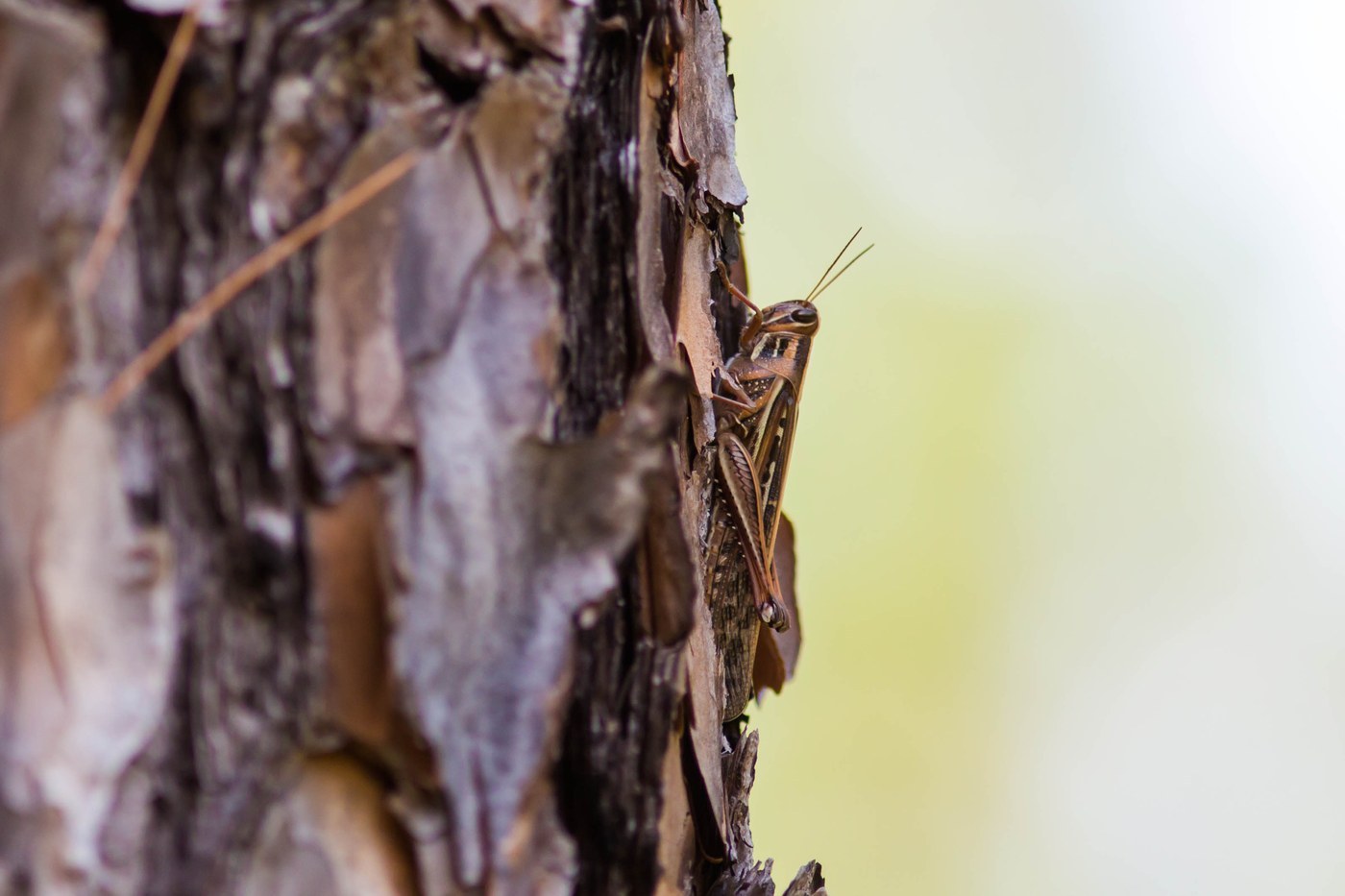
American Grasshopper
Woodland edges, citrus groves, gardens, and open fields across the southern and southeastern United States
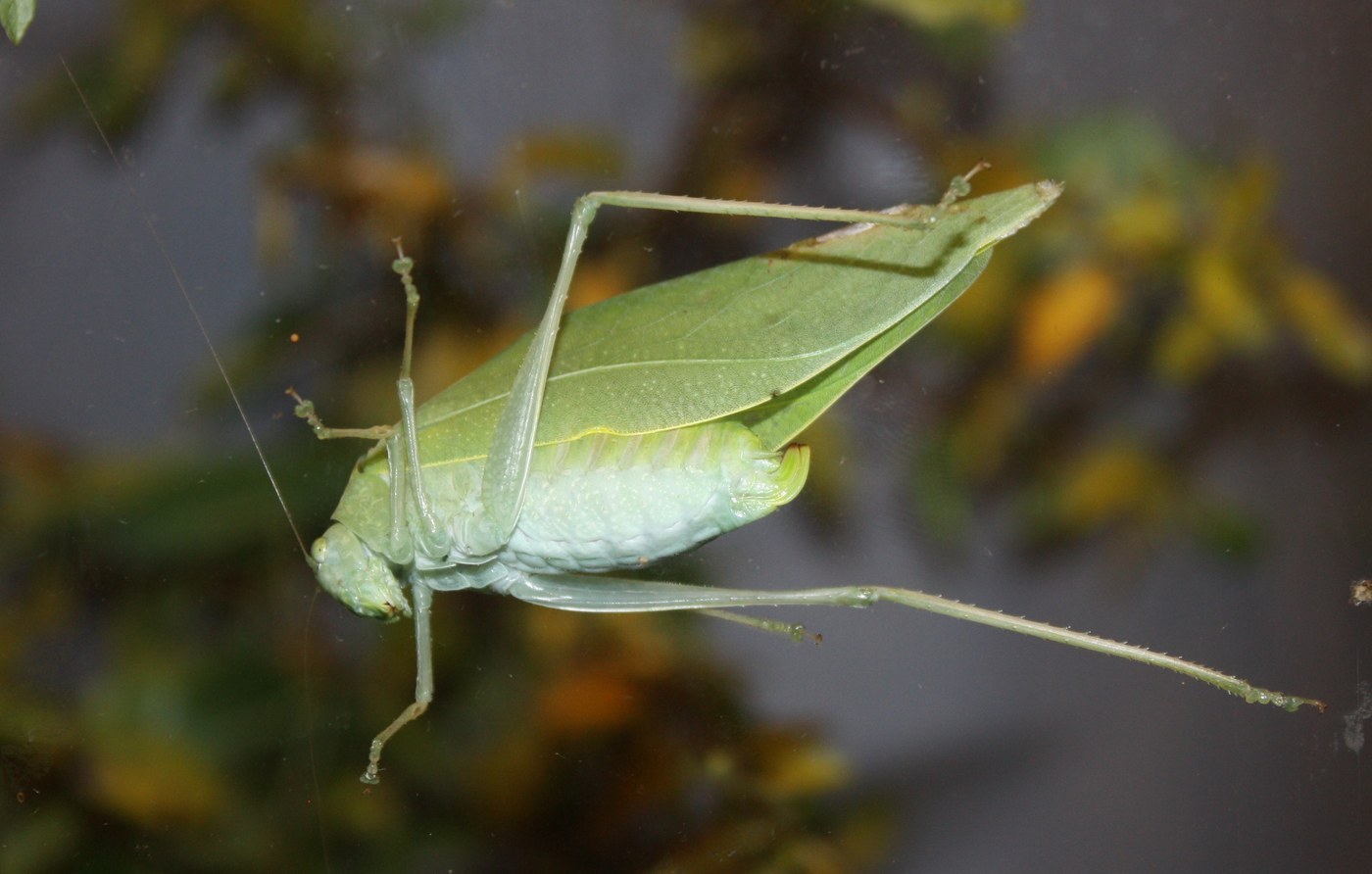
Angular-winged Katydid
deciduous trees, shrubs, and hedgerows across eastern and central North America
Spur-throated Grasshopper
grasslands, meadows, croplands, and roadsides across North America
Rocky Mountain Locust
historically open grasslands and river valleys of the Rocky Mountains and Great Plains (now believed extinct)
Spotted Camel Cricket
damp caves, crawl spaces, basements, leaf litter, and rotting logs in eastern North America
Pygmy Grasshopper
damp soil, mud, and low vegetation near ponds, streams, and marshes
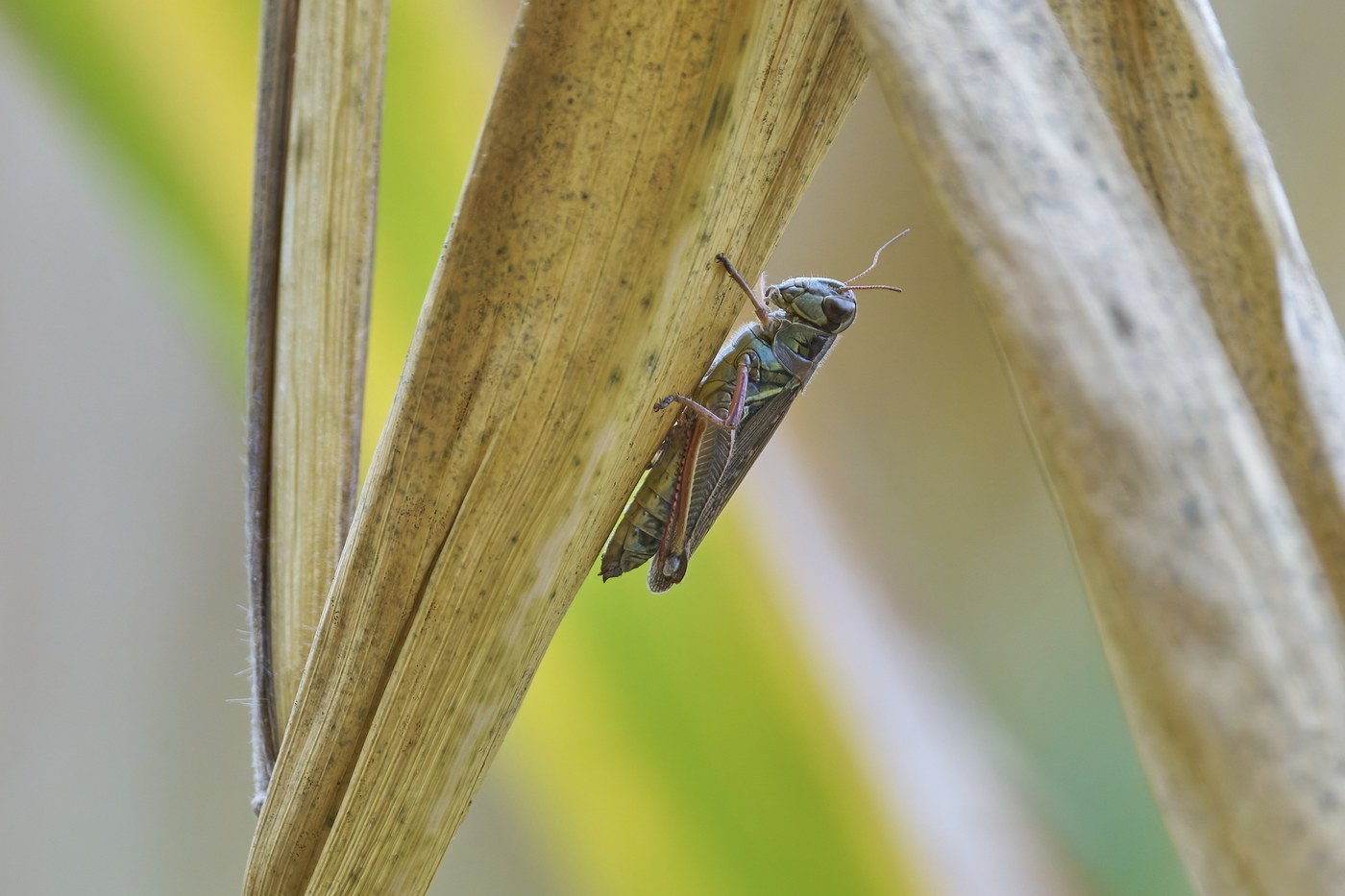
Red-legged Grasshopper
Meadows, pastures, field edges, and gardens across North America
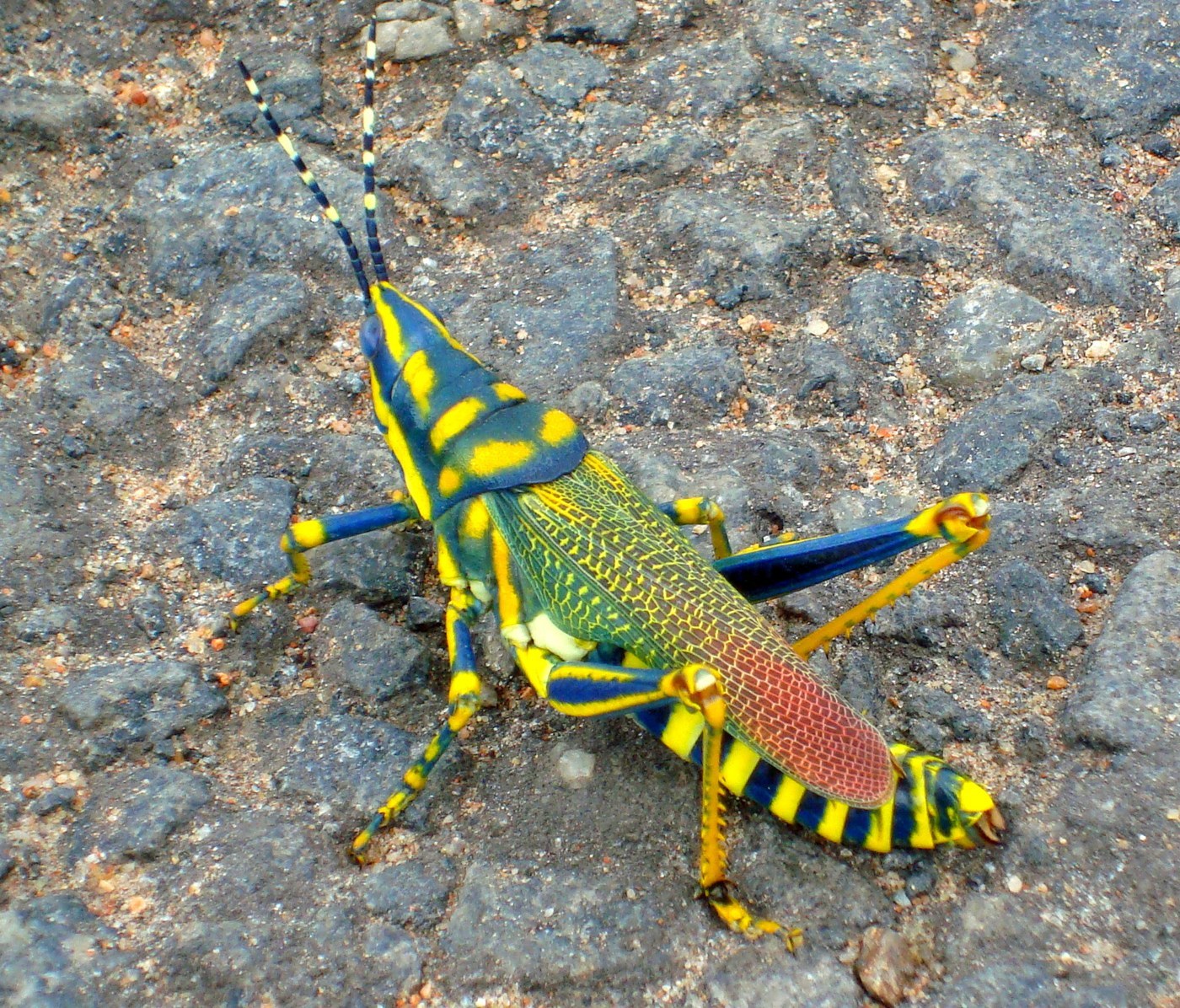
Painted Grasshopper
arid scrub, wastelands, and gardens of the Indian subcontinent, especially near milkweed plants
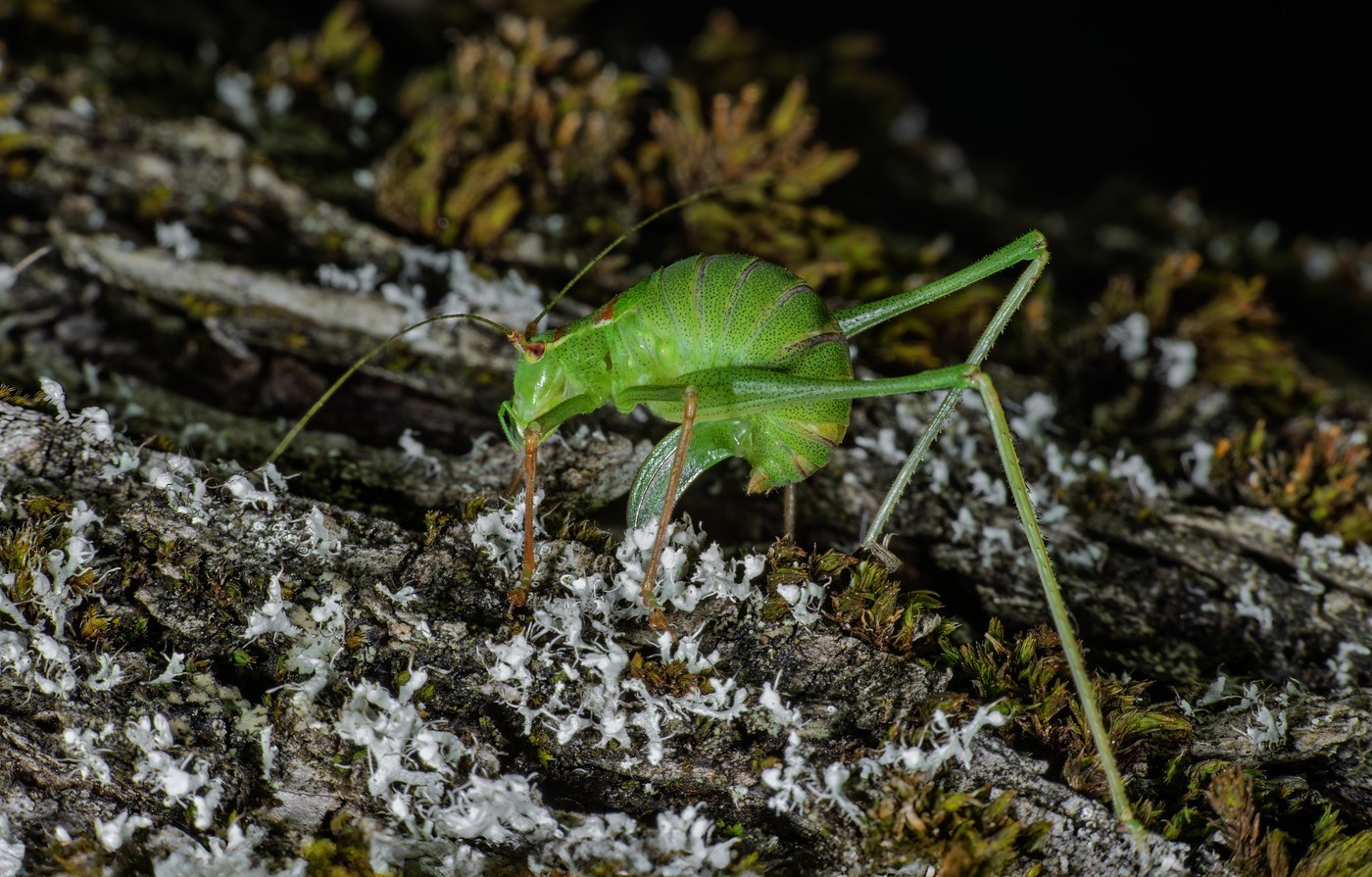
Speckled Bush Cricket
Brambles, hedgerows, nettles, and shrubby vegetation
Northern Mole Cricket
wet soil, pond margins, and marshy ground across eastern and central North America
Roesel's Bush Cricket
Damp grasslands, meadows, and roadside verges