
Southern Flannel Moth (Puss Caterpillar Moth) Identification Guide
Learn to identify this small, fuzzy orange-yellow moth and its distinctive fluffy caterpillar found across the southern United States.
Read the full Southern Flannel Moth (Puss Caterpillar Moth) encyclopedia entry →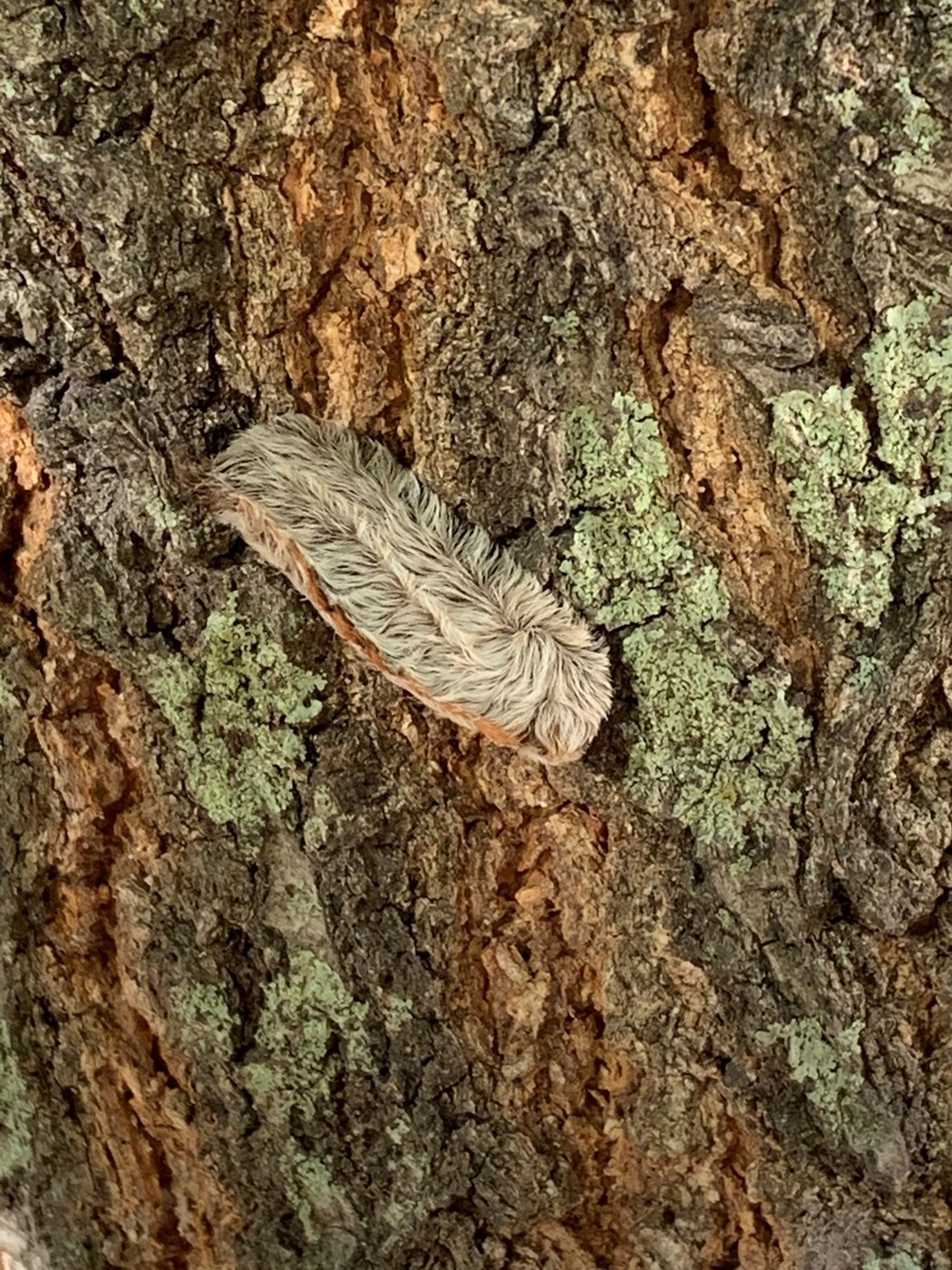
Key Visual Features
The Southern Flannel Moth is a small, densely furry moth with a wingspan of only about 1 to 1.5 inches (2.5 to 4 cm), making it easy to overlook. Look for:
- Wings covered in long, wispy, hair-like scales in shades of golden-orange, tan, or yellowish-white, giving a soft, flannel-like or "fur coat" texture
- A rounded, fluffy body that appears almost more like fur than typical moth scales
- Fringed wing edges where the long scales extend slightly beyond the wing margin, creating a shaggy silhouette
- Short, thread-like antennae that are hard to see against the fuzzy head
- Overall coloring that can range from pale cream to deep orange-brown, sometimes with a two-toned look
The caterpillar, often called the "puss caterpillar," is the form most people notice first: a small, oval, densely hairy caterpillar covered in soft-looking tan to grayish or reddish-brown hair-like setae that give it a distinctive toupee- or cotton-ball-like appearance, sometimes with a raised ridge of longer hairs along the back.
Where and When You'll See It
This species is found throughout the southeastern and south-central United States, extending into Mexico and parts of Central America. Adults inhabit deciduous woodlands, parks, and suburban yards with oak, elm, and other hardwood trees that serve as caterpillar host plants. Adults are nocturnal, fly mainly from spring through fall depending on region (with multiple generations possible in the deep South), and are occasionally seen resting on tree bark, walls, or near outdoor lighting at night. The furry caterpillars are most often noticed in autumn, resting on leaves, tree trunks, or low vegetation.
Similar-Looking Moths
- Black-Waved Flannel Moth: A close relative with darker, more contrasting brown-and-white wing patterning rather than the more uniform orange-tan of the Southern Flannel Moth.
- Other flannel moths (family Megalopygidae): Share the same fuzzy wing texture but differ in overall color tone and size; comparing precise shading helps separate them.
- Small dagger or tussock moths: May appear fuzzy at a glance but lack the extremely long, wispy hair-like wing scales characteristic of flannel moths.
Quick ID Checklist
- Very small moth, roughly 1–1.5 inch wingspan
- Long, wispy, fur-like scales covering the wings, giving a flannel or shaggy texture
- Golden-orange, tan, or cream coloring, sometimes two-toned
- Short antennae mostly hidden by fuzzy head
- Caterpillar is oval, densely hairy, and resembles a small tuft of fur or cotton
Frequently asked questions
Why does the caterpillar look so different from typical caterpillars?
Its body is densely covered in soft, hair-like setae that create a fluffy, fur-like appearance, which is why it is commonly nicknamed the 'puss caterpillar' after its cat-fur resemblance.
What season are Southern Flannel Moth caterpillars most commonly seen?
They are most frequently spotted in autumn, resting on leaves, bark, or low vegetation of host trees such as oak and elm.
How can I tell the Southern Flannel Moth apart from other flannel moths?
Compare wing color and pattern: the Southern Flannel Moth tends toward a more uniform golden-orange to tan shade, while relatives like the Black-Waved Flannel Moth show more contrasting brown-and-white markings.
Are Southern Flannel Moth adults easy to spot?
They can be tricky to notice due to their small size and nocturnal habits, but they are sometimes seen resting on bark or near outdoor lights after dark.