
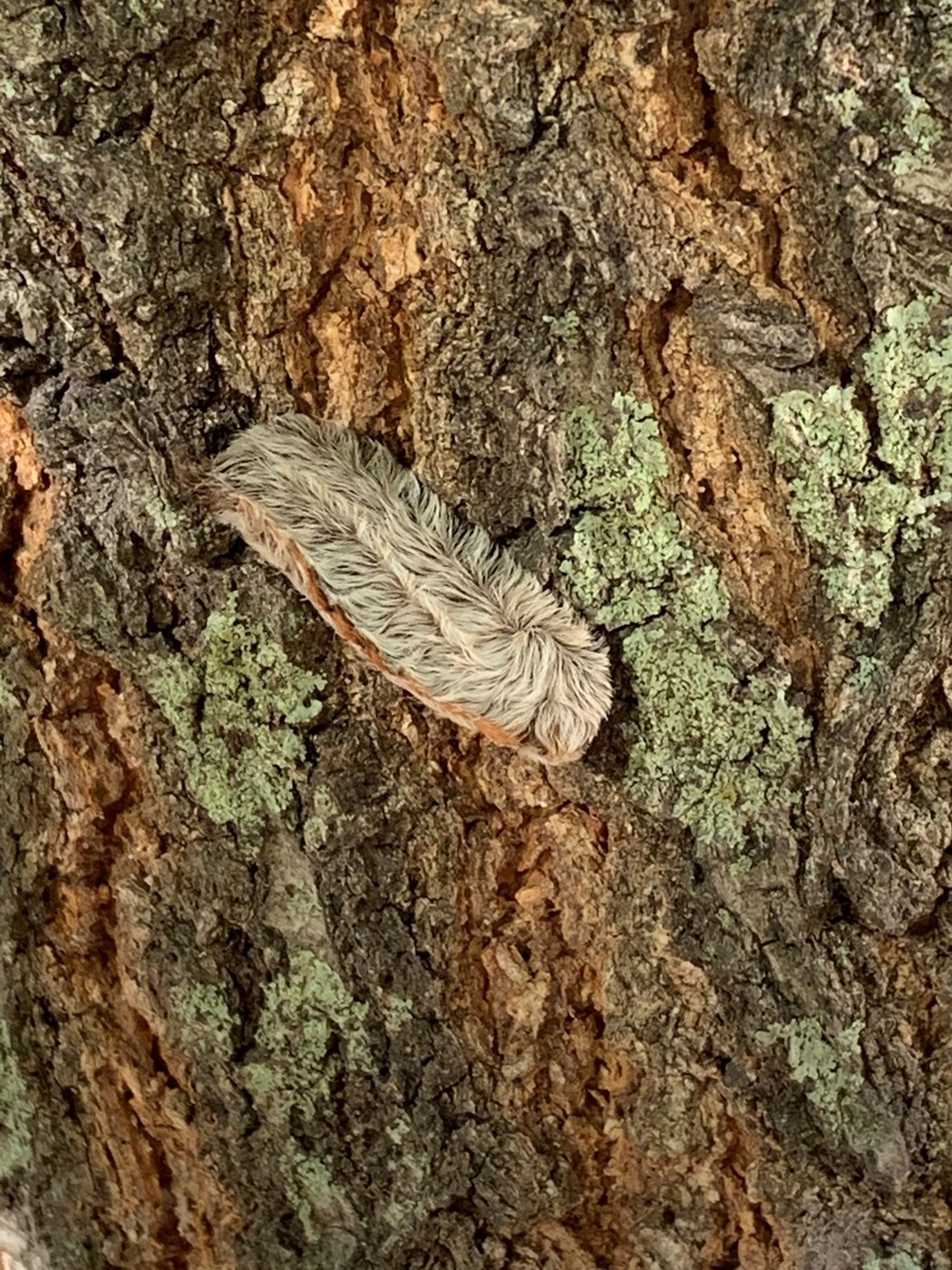
Southern Flannel Moth (Puss Caterpillar Moth)
Megalopyge opercularis
A small, densely furred tan-to-orange moth best known for its unusual larva, a soft-looking, cat-tailed caterpillar whose fluffy coat hides rows of venomous spines.
- Size
- 1–1.5 in wingspan; larva about 1 in long
- Habitat
- Oak and elm woodlands, gardens, and shrubs across the southeastern US to Mexico
- Danger
- Mildly venomous
Spotted a bug like this?
Identify any bug or insect from a photo, free.
Overview
The southern flannel moth belongs to the family Megalopygidae, a small group of moths named for the thick, hair-like scaling that covers both the adult body and wings. Adults are rarely noticed compared to their larvae, which have earned widespread attention (and folk names like "puss caterpillar" or "asp") for their deceptively soft, toupee-like appearance.
The species ranges from the southeastern United States south through Mexico and into parts of Central America, occupying deciduous woodland, parks, and residential landscaping wherever its host trees grow.
Ecologically the moth is unremarkable as an adult, feeding little if at all as it has reduced mouthparts, but its larva is one of the more frequently photographed caterpillars in North America because of its striking camouflage-as-fur appearance.
How to Identify
- Adult: compact, densely hairy moth in shades of pale yellow, tan, or burnt orange, with wavy, indistinct wing markings and a fuzzy thorax that gives it a fur-coated look.
- Larva (puss caterpillar): teardrop-shaped, covered in silky, flowing hair-like setae that conceal stiff venomous spines underneath; hair color ranges from gray-white to reddish brown.
- No obvious eyespots or bold contrast patterns; the moth's camouflage relies on softness and blending rather than bright coloration.
- Lookalikes: other flannel moths and woolly caterpillars, though the puss caterpillar's unusually smooth, wig-like coat is distinctive among North American larvae.
Habitat & Range
Found from the Carolinas and Gulf states west to Texas and south through Mexico, this species favors deciduous hardwoods such as oak, elm, hackberry, and citrus, along with ornamental shrubs in gardens and parks. Larvae are most often encountered in late summer and fall, resting on leaves or bark, while adults are nocturnal and seen at lights during warmer months. Multiple generations can occur per year in the warmer parts of its range.
Behavior & Diet
Adults are nocturnal, short-lived, and mainly occupied with mating and egg-laying rather than feeding. Larvae feed on the foliage of host trees and shrubs, moving slowly and relying on camouflage and their concealed spines as a defense against predators rather than active flight or fleeing. The species has no known role as a pollinator; ecologically it functions as a leaf-feeding herbivore and, at the larval stage, prey avoided by many birds and predators due to its defensive hairs.
Life Cycle
Eggs are laid in clusters on host leaves and hatch into slow-growing larvae that molt several times, changing from a smaller, more slug-like form into the full "puss" appearance as they mature. Mature larvae spin a tough, oval silk cocoon attached to bark or leaf litter in which they pupate. Adults emerge after several weeks, and in warmer regions there may be two or more generations per year, with late-stage larvae or pupae overwintering in cocoons.
Frequently asked questions
Is the puss caterpillar the larva of this moth?
Yes, the fuzzy, cat-tail-shaped caterpillar commonly called a puss caterpillar or asp is the larval stage of the southern flannel moth.
Why does the caterpillar look so soft?
Its body is covered in fine, hair-like setae that visually resemble fur, which conceals the stiffer defensive spines underneath.
Where would I typically find one?
On the leaves and bark of oaks, elms, and other deciduous trees or shrubs across the southeastern US and Mexico, especially in late summer and fall.
What does the adult moth feed on?
Adults are short-lived and not known to feed significantly; they have reduced mouthparts and live mainly long enough to reproduce.
Southern Flannel Moth (Puss Caterpillar Moth) guides
In-depth guides for identifying, understanding, and living alongside Southern Flannel Moth (Puss Caterpillar Moth).
Other bugs you may enjoy
Bagworm Moth
Coniferous and deciduous trees, shrubs, hedges
Antheraea Silkmoth
Deciduous forests, woodland edges, orchards
Ailanthus Silkmoth (Cynthia Moth)
Urban parks, wastelands, and woodland edges with tree-of-heaven; native to Asia, introduced in North America and Europe
Winter Moth
Deciduous woodland, orchards, gardens, hedgerows
Webbing Clothes Moth
Dark closets, storage areas, and animal nests worldwide
Tussock Moth
Deciduous forests, parks, gardens
Wax Moth
Beehives, apiaries, stored beeswax and comb
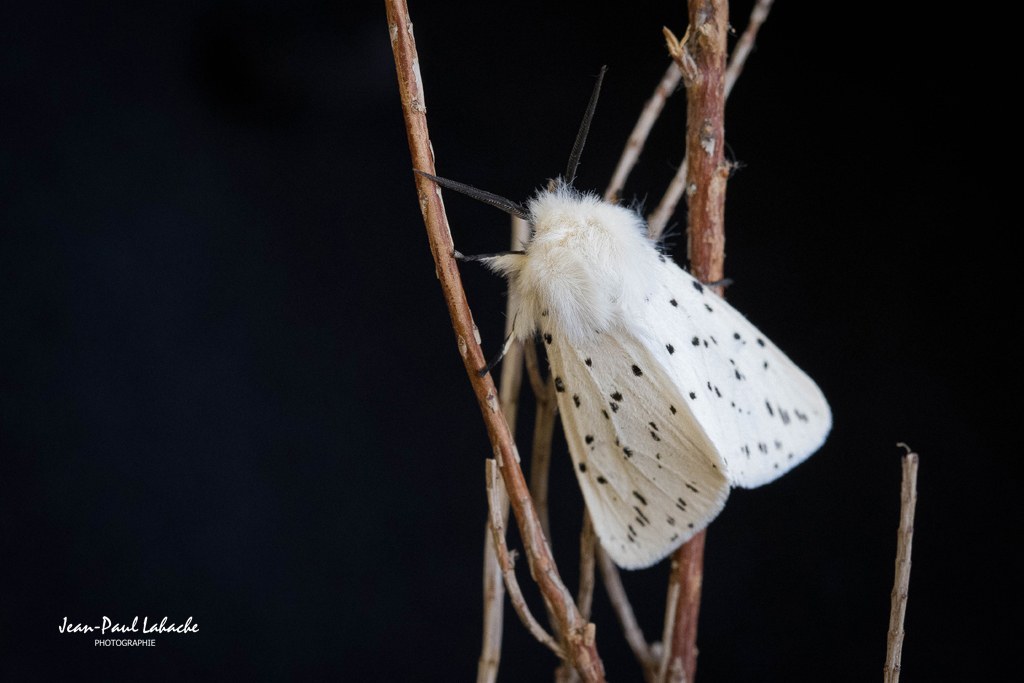
White Ermine Moth
Gardens, meadows, hedgerows
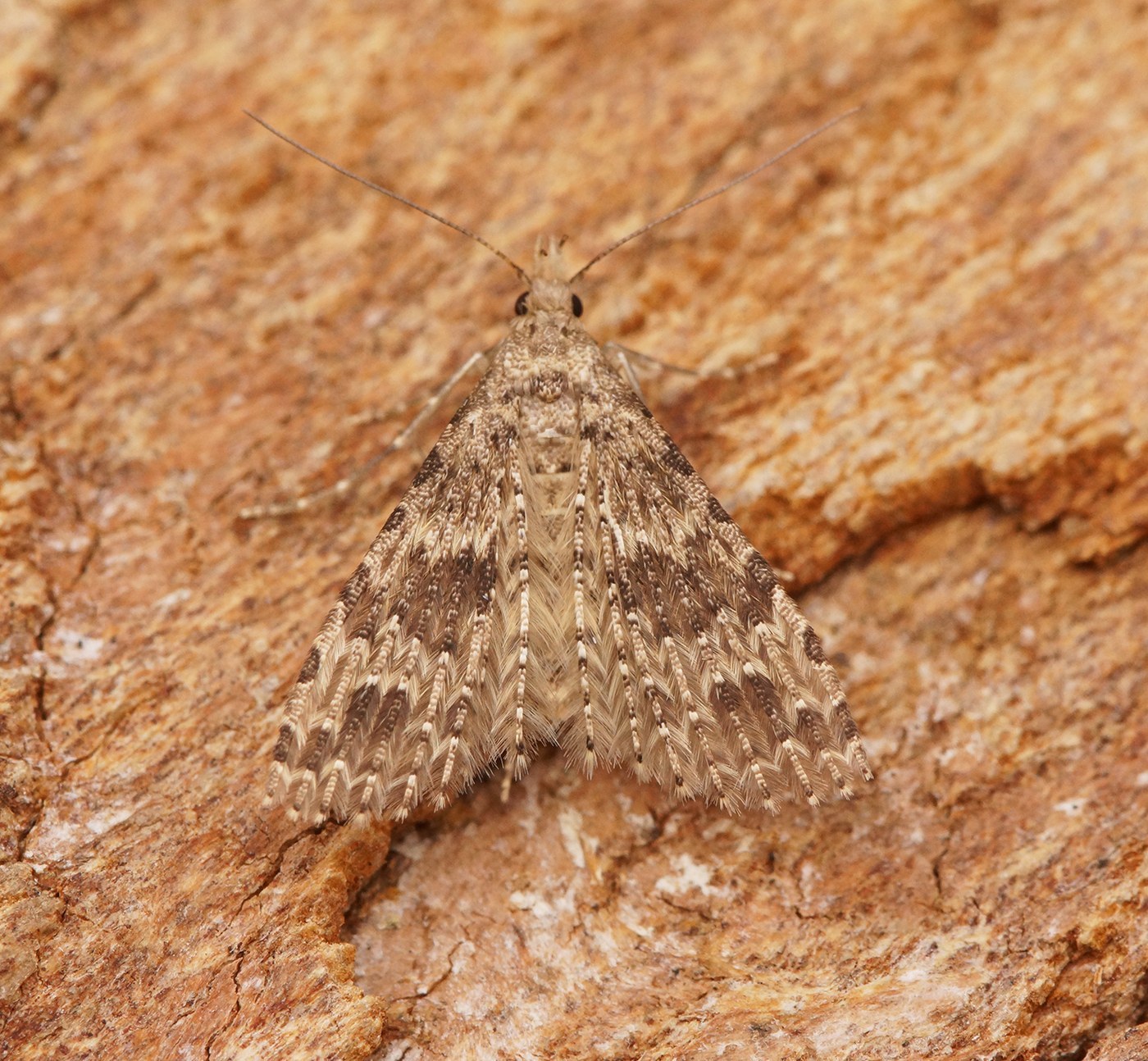
Twenty-plume Moth
Gardens, hedgerows, near honeysuckle
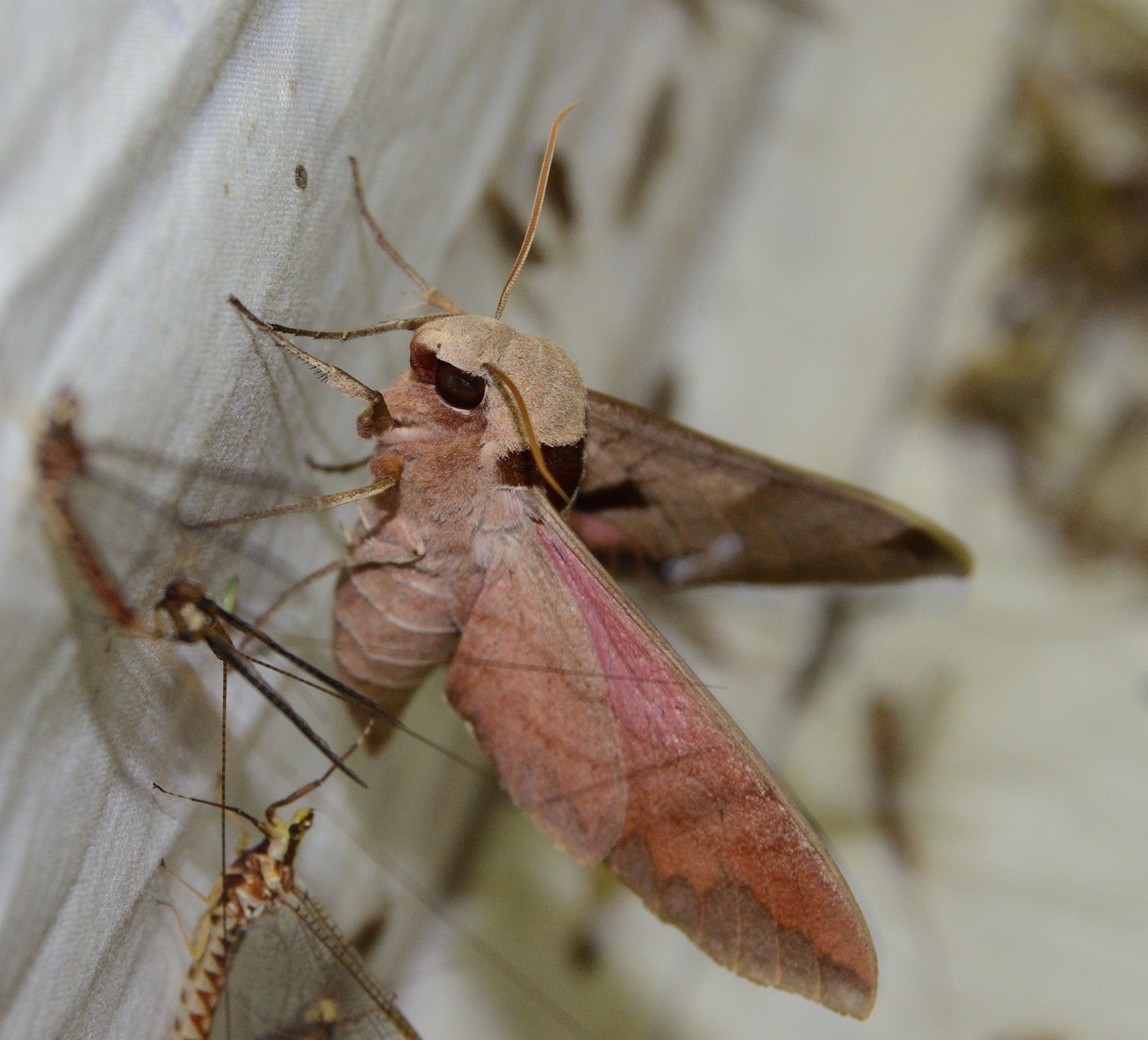
Achemon Sphinx Moth
Vineyards, woodland edges, gardens with wild grape
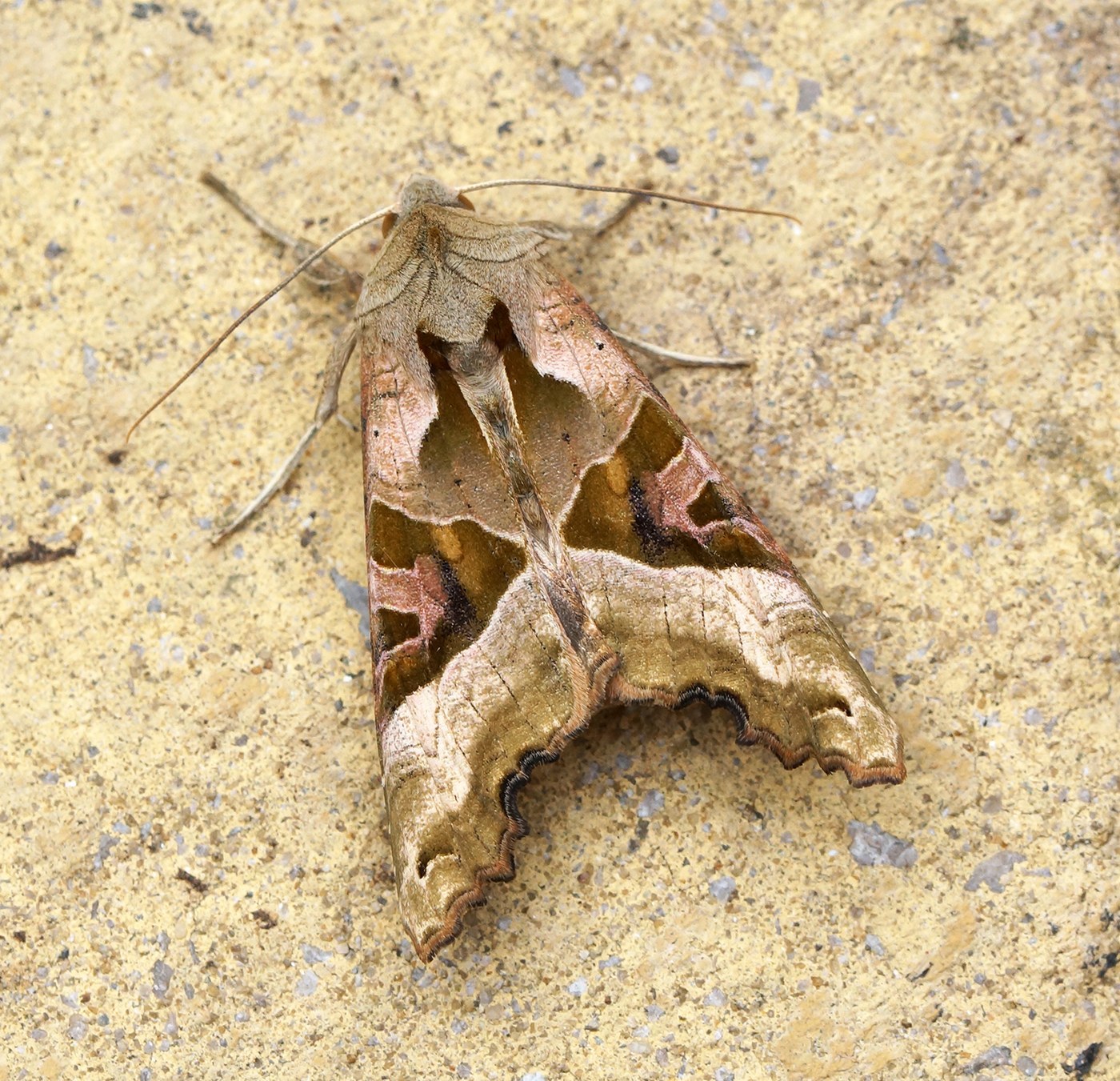
Angle Shades Moth
Gardens, hedgerows, woodland edges, urban parks
Atlas Moth
Tropical and subtropical lowland forests of Southeast Asia